
Chef Graziella
Agnolotti del Plin
The pinched pasta of Piedmont, each tiny parcel sealed with thumb and forefinger, filled with braised meat that has surrendered to hours of slow cooking. Butter or broth. Nothing more.
A cooking platform built around craft, culture, and the stories behind what we eat.

Created by
Piedmont's answer to luxury: strands of golden egg pasta, made with so many yolks the dough glows like autumn itself, dressed in nothing but butter and buried under shavings of white truffle from Alba.
What you keep out is as significant as what you put in. Nowhere is this more true than with tajarin al tartufo bianco. The pasta is extraordinary: twenty yolks or more per kilo of flour in the traditional Piedmontese ratio, creating strands so golden and rich they border on excess. The sauce is butter. That is all. The truffle requires nothing from you except restraint.
The white truffle of Alba is not an ingredient you cook. It is not something you mince, sauté, or fold into a sauce. You shave it, raw, over warm pasta at the moment of serving. The heat releases its perfume without destroying it. The aroma fills the room before the first bite reaches your mouth. Any chef who cooks white truffle has revealed they do not understand it.
This dish appears in the hills of Piedmont each autumn when the truffle hunters and their dogs emerge from the forests around Alba and Asti. For a few weeks, the restaurants charge fortunes and the home cooks spend freely, because the season is short and the truffle waits for no one. If you have the truffle, you need almost nothing else. Butter. Pasta. The wisdom to stand aside.
Tajarin takes its name from the Piedmontese dialect word tagliere, the cutting board. The pasta itself predates the truffle pairing by centuries, appearing in farmhouse kitchens where egg-rich pasta signified prosperity. The marriage with white truffle became fashionable only in the late 19th century, when Alba's tartufi bianchi gained international reputation and wealthy families from Turin began making autumn pilgrimages to the Langhe hills.
Quantity
300g
Quantity
6
Quantity
1 whole
Quantity
pinch for dough, more for pasta water
Quantity
6 tablespoons
cut into pieces
Quantity
30-50 grams
Quantity
for serving
freshly grated
| Ingredient | Quantity |
|---|---|
| tipo 00 flour | 300g |
| large egg yolks | 6 |
| large egg | 1 whole |
| fine sea salt | pinch for dough, more for pasta water |
| unsalted buttercut into pieces | 6 tablespoons |
| fresh white truffle | 30-50 grams |
| Parmigiano-Reggiano (optional)freshly grated | for serving |
Mound the flour on a wooden board or clean work surface. Create a well in the center. Add the egg yolks, whole egg, and a pinch of salt to the well. Using a fork, beat the eggs gently, then begin incorporating flour from the inner walls of the well. When the mixture becomes too stiff to work with a fork, use your hands to bring the dough together.
Knead the dough with the heel of your hand, pushing forward and folding back, for a full 10 minutes. The dough should become smooth, supple, and slightly tacky but not sticky. If it clings to your hands, dust with flour. If it cracks and resists, your yolks were small; wet your hands slightly and continue. When pressed, the dough should feel like your earlobe.
Wrap the dough tightly in plastic film and let it rest at room temperature for 30 minutes. This relaxes the gluten and makes rolling possible. Do not skip this step. Do not shorten it. The dough knows what it needs.
Divide the dough into four portions. Keep the portions you are not working with covered. Using a pasta machine or rolling pin, roll each portion into sheets as thin as you can manage. With a machine, this means the second-to-last setting. The sheets should be nearly translucent, the golden color of autumn leaves. Let the sheets dry for 5 minutes on a lightly floured surface, turning once.
Roll each sheet loosely into a cylinder. Using a sharp knife, cut the roll into strands no wider than 3 millimeters. Tajarin must be thin. This is not negotiable. Unroll the strands immediately and toss gently with a little flour to prevent sticking. Arrange in loose nests on a floured tray.
In a pan large enough to hold the cooked pasta, melt the butter over low heat. Do not let it brown. It should become liquid and warm, nothing more. Remove from heat and set aside.
Bring abundant salted water to a vigorous boil. Fresh tajarin cooks in 60 to 90 seconds. Watch carefully. Test a strand: it should be tender but with the faintest resistance. Drain quickly, reserving half a cup of the cooking water.
Add the drained pasta to the pan with the butter. Toss gently over very low heat, adding a splash of pasta water to help the butter coat every strand. The pasta should glisten, not swim. Divide among warmed plates immediately. Using a truffle shaver or very sharp mandoline, shave the white truffle generously over each portion at the table, in front of your guests. The aroma is part of the experience. Serve at once.
1 serving (about 195g)
Culinary guides, cultural storytelling, and the editorial depth that makes cooking meaningful.
Discover Culinary ExplorerChef Graziella
The pinched pasta of Piedmont, each tiny parcel sealed with thumb and forefinger, filled with braised meat that has surrendered to hours of slow cooking. Butter or broth. Nothing more.

Chef Graziella
The tiny pinched parcels of Piedmont, filled with braised meat and sealed with a gesture that has passed from grandmother to granddaughter for centuries. The pinch is both technique and signature.

Chef Graziella
The grand boiled dinner of Piedmont, where seven cuts of meat surrender slowly to the poaching liquid, emerging tender enough to cut with a fork. This is a dish for the table you set when everyone comes home.
Chef Graziella
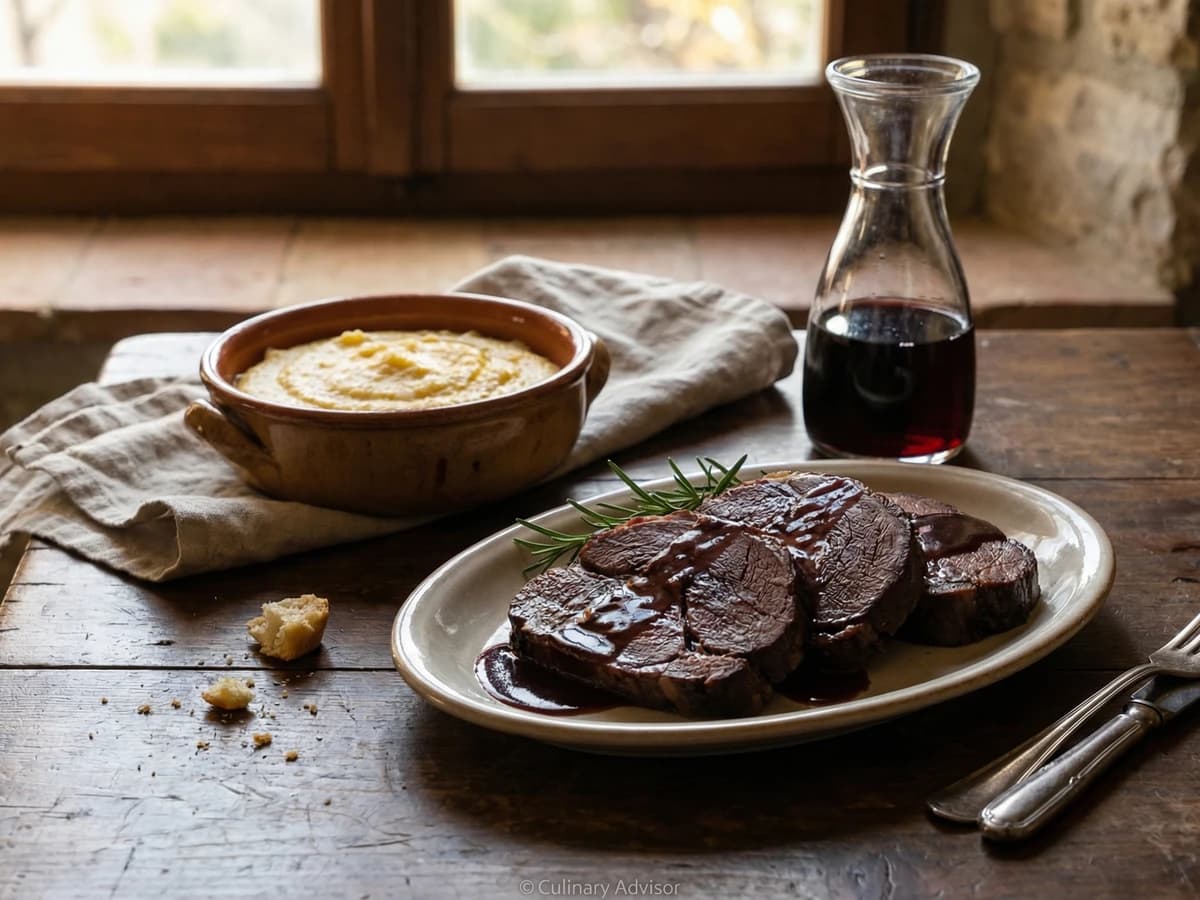
Piedmont's great celebration braise, where beef surrenders to a full bottle of Barolo over 24 hours of marinating and 4 hours of gentle heat. The wine of kings becomes the sauce itself.