
Chef Juliana
Laranja em Gomos para Feijoada
You think cutting orange this way is fussy. It isn't. It's one knife, one bowl, and the reason feijoada tastes like home instead of just heavy.
A cooking platform built around craft, culture, and the stories behind what we eat.

Created by
You think all that chopping means this isn't for you. Wrong. Soak the triguilho, chop the greens, dress it bright, and you've solved the fresh corner of the pê-efe.
You look at a bowl full of parsley and already hear the little voice: isso não é pra mim. Too much chopping. Too green. Too much like something someone else knows how to make. Anota aí: chopping is not a personality trait, it's a thing your hands learn. Mine learned late too, and badly at first. I made a lot of uneven little confetti before I made anything pretty.
This tabule belongs on the Brazilian table because the Brazilian table has always been fed by people arriving, staying, adapting, and cooking dinner with what was in front of them. In many homes touched by Syrian and Lebanese immigration, especially in São Paulo, tabule became the green on the table: parsley, mint, tomato, onion, lemon, oil, and a little triguilho to hold it all together. Not a side pretending to be important. A real side that wakes up rice, beans, meat, egg, fish, or whatever is solving dinner that day.
The method is plain. Soak fine bulgur only until tender, because it should carry the salad, not turn into wet porridge. Salt the tomatoes for a few minutes so they give up their juice, because that juice becomes part of the dressing instead of watering everything down later. Chop the parsley dry and not too tiny, because bruised herbs go dark and tired. Then lemon and oil. No packet, no powdered lemon nonsense, no miracle seasoning doing the work of a fresh fruit.
By the end, you get a bowl that's fresh, sharp, alive, and mostly parsley. Comida de verdade. The kind of thing you can bring to a picnic, set beside the rice and beans, or eat cold from the fridge with a spoon while pretending you were only checking the salt.
Tabule comes from the Levant, especially the foodways of Lebanon and Syria, and traveled to Brazil with Arab immigration that grew strongly from the late nineteenth century into the early twentieth century. In Brazil, the dish became common in home kitchens, lunch counters, and family gatherings, especially in São Paulo, where Syrian and Lebanese communities helped shape the city's everyday food. Brazilian tabule often uses fine bulgur, tomato, parsley, mint, onion, lemon, and olive oil, with local homes varying the balance between grain and herbs.
Quantity
1/2 cup
Quantity
3/4 cup
Quantity
3 cups
washed, dried, and chopped
Quantity
1/2 cup
chopped
Quantity
2 medium
seeded and chopped
Quantity
1/2 small
finely chopped
Quantity
1/4 cup
from about 2 lemons
Quantity
1/4 cup
Quantity
1 teaspoon, divided, plus more to taste
Quantity
1/4 teaspoon
Quantity
1 small
seeded and chopped
| Ingredient | Quantity |
|---|---|
| fine bulgur wheat (triguilho or trigo para quibe) | 1/2 cup |
| hot water | 3/4 cup |
| fresh flat-leaf parsleywashed, dried, and chopped | 3 cups |
| fresh mint leaveschopped | 1/2 cup |
| ripe tomatoesseeded and chopped | 2 medium |
| onionfinely chopped | 1/2 small |
| fresh lemon juicefrom about 2 lemons | 1/4 cup |
| extra-virgin olive oil | 1/4 cup |
| salt | 1 teaspoon, divided, plus more to taste |
| freshly ground black pepper | 1/4 teaspoon |
| cucumber (optional)seeded and chopped | 1 small |
Put the fine bulgur in a bowl and cover it with the hot water. Let it sit for 15 to 20 minutes, until the grains are tender but still separate. Bite one. It should be soft, not crunchy, and not mushy. This is soaking, not cooking; too much water or too much time makes the salad heavy before the herbs even arrive.
Tip the soaked bulgur into a fine sieve and press it with the back of a spoon, or squeeze it in a clean kitchen towel. It should feel damp, not dripping. Water left in the grain dilutes the lemon and oil, and then you blame the recipe when the real problem was a wet little pile of triguilho.
Put the chopped tomatoes in the mixing bowl with 1/2 teaspoon of the salt and let them sit for 10 minutes while you chop the herbs. The tomato will look glossier and leave a little juice in the bowl. Good. That juice becomes part of the dressing, instead of leaking out later and turning the tabule watery.
Dry the parsley and mint well, then chop them with a sharp knife. Keep the pieces small enough to mix, but don't mince them into green paste. Dry herbs cut cleanly and stay bright; wet herbs bruise, clump, and go dark. This salad is mostly parsley, so treat the parsley like the main ingredient, because it is.
Add the chopped onion to the tomato bowl and squeeze in 1 tablespoon of the lemon juice. Let it sit for 5 minutes. The onion should smell sharper at first, then calm down a little. Lemon takes the raw bite down so the onion wakes the salad up without punching everyone at the table.
Add the drained bulgur, parsley, mint, cucumber if using, the remaining lemon juice, olive oil, black pepper, and the remaining 1/2 teaspoon salt. Toss with your hands or two spoons until the herbs look glossy and evenly speckled with grain. If the oil sits at the bottom, keep tossing. The dressing needs to coat the leaves, not hide under them.
Let the tabule rest for 10 minutes, then taste. It should be bright with lemon, fresh with mint, and salty enough to make the tomato taste like tomato. Add more lemon if it tastes flat, more salt if it tastes sleepy, and a small thread of oil if it feels dry. Serve cool or at room temperature, beside the pê-efe or straight from the bowl.
1 serving (about 165g)
Culinary guides, cultural storytelling, and the editorial depth that makes cooking meaningful.
Discover Culinary ExplorerChef Juliana
You think cutting orange this way is fussy. It isn't. It's one knife, one bowl, and the reason feijoada tastes like home instead of just heavy.
Chef Juliana
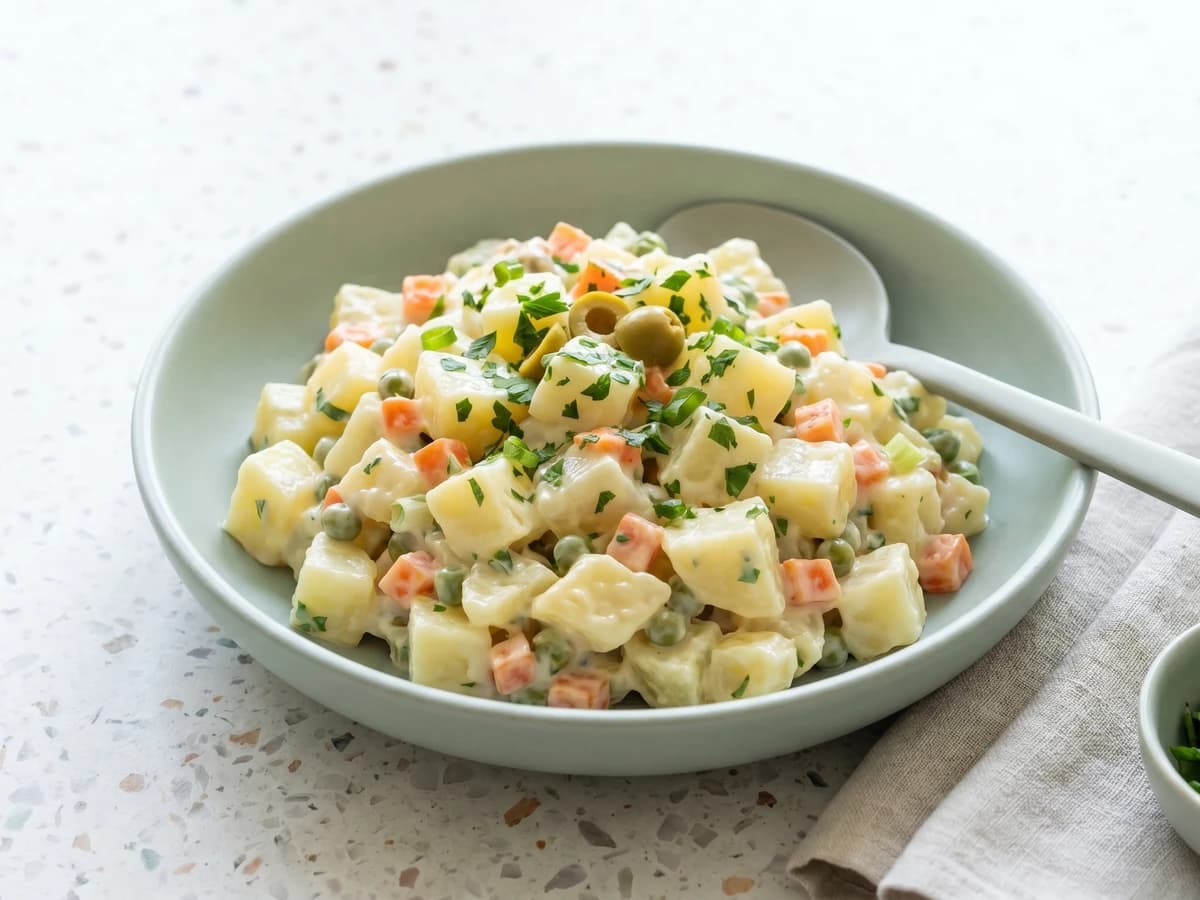
You don't need a family secret. You need potatoes cooked until tender, onion softened by vinegar, and a homemade mayo that holds the salad together without turning it into paste.
Chef Juliana
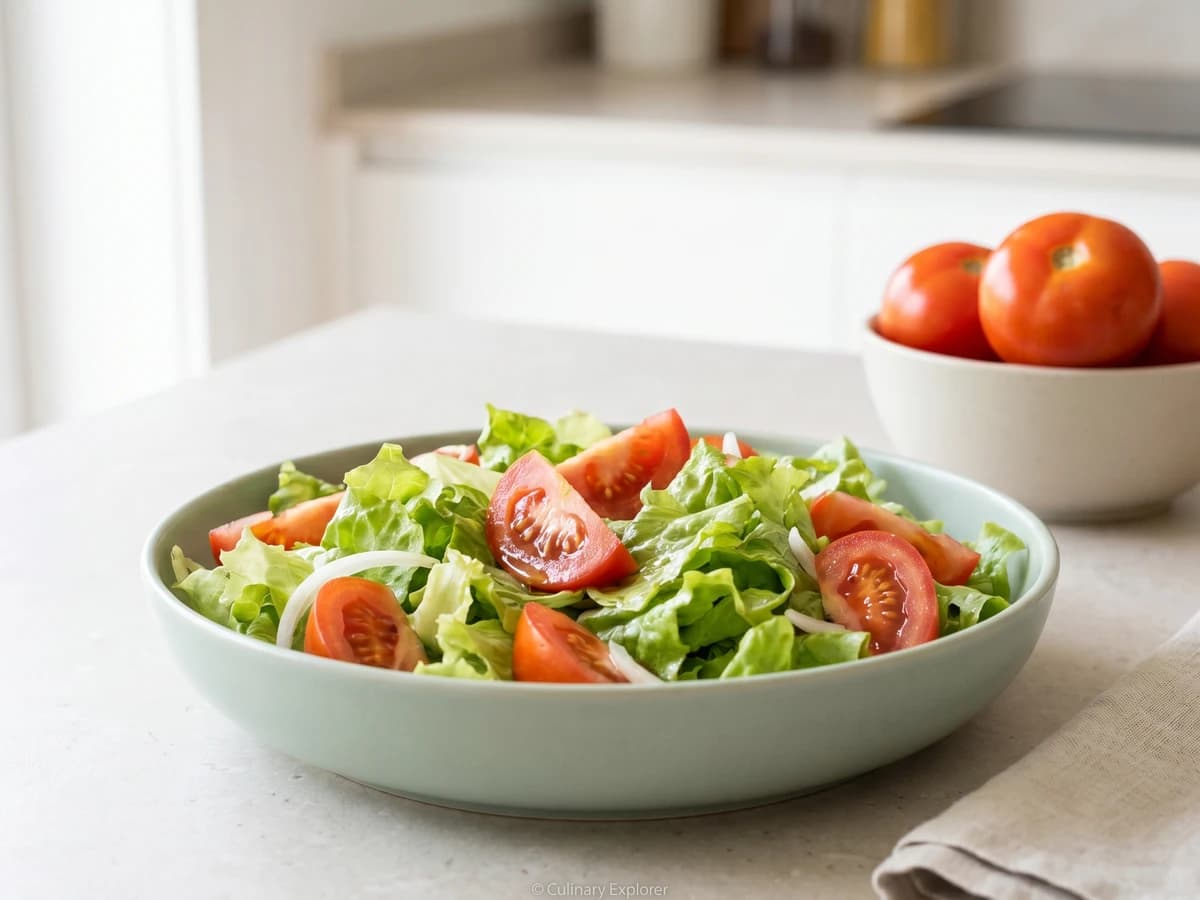
You don't need courage for salad, you need order: dry the leaves, salt the tomatoes, dress at the last minute. That's how the fresh corner of the pê-efe stays crisp.
Chef Juliana
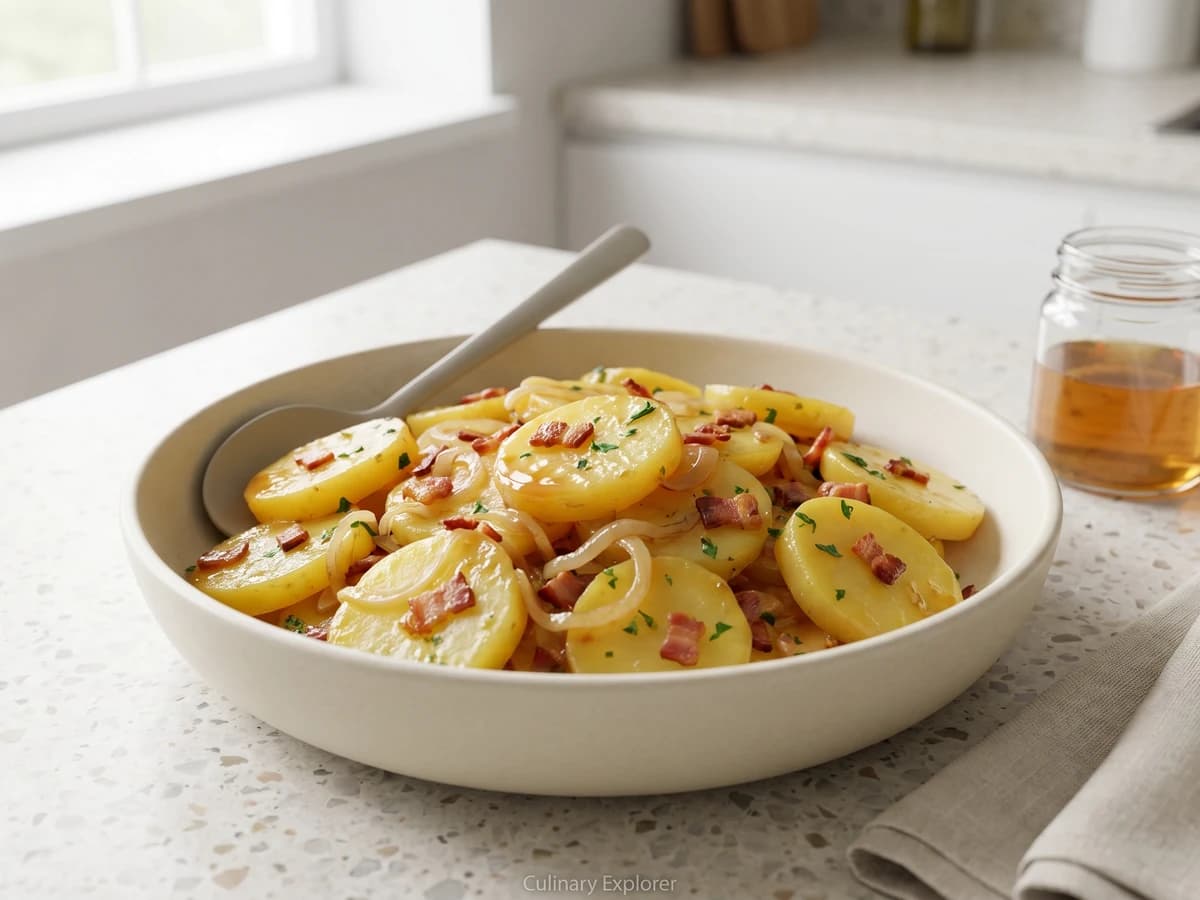
You don't need mayo to make potatoes behave. Dress them warm with vinegar, onion, and bacon fat, and every slice turns sharp, glossy, and ready for the pê-efe.