Culinary Explorer
A cooking platform built around craft, culture, and the stories behind what we eat.
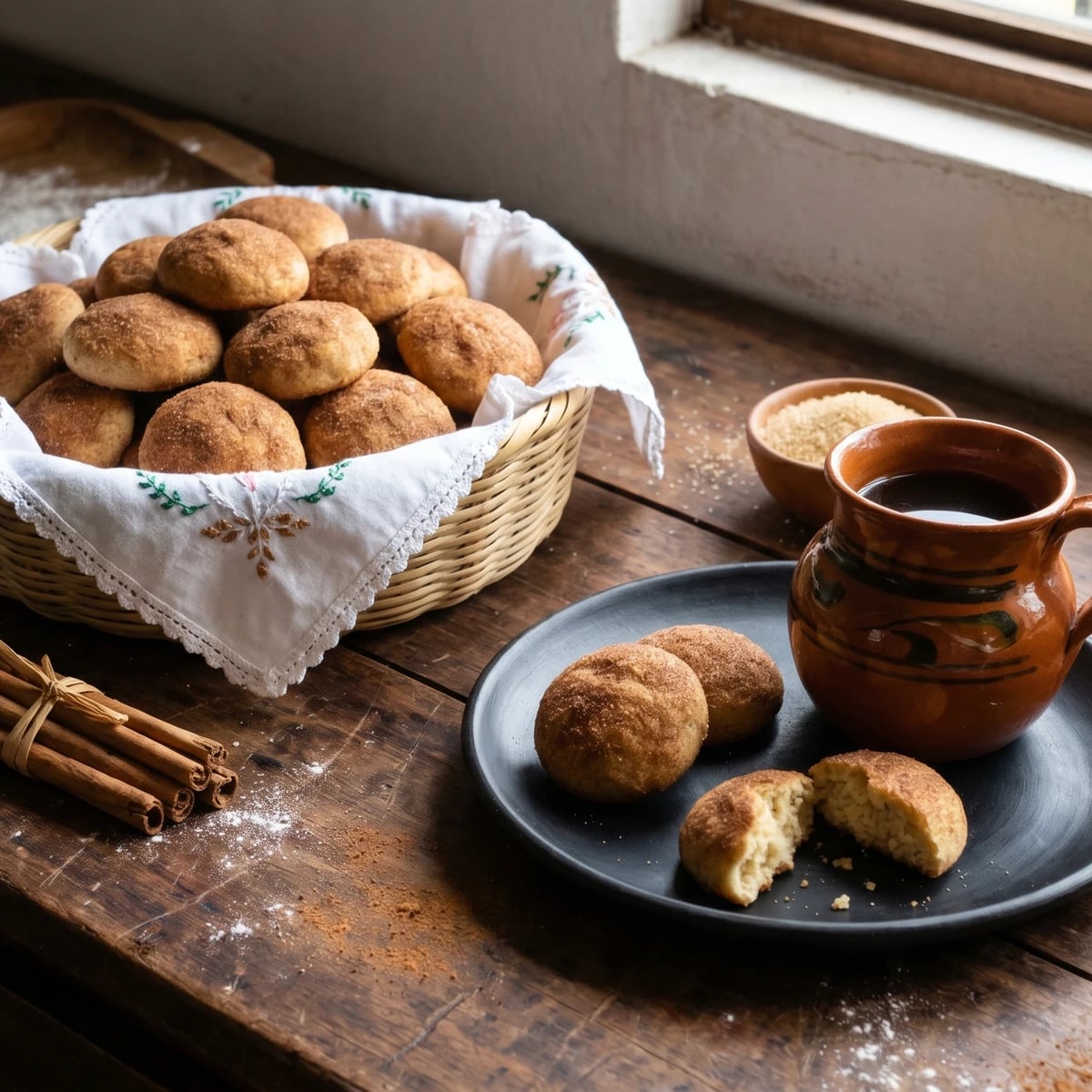
Tabasqueñas de Canela
Created by Chef Lupita
Tabasco's cinnamon sweet biscuits from Villahermosa panaderías, tender from yeast and manteca, finished with canela sugar for the afternoon coffee table.
Tabasco, especially Villahermosa and the Chontalpa, has its own panadería rhythm. This is not the north with flour tortillas, and it is not Puebla with convent sweets. This is Gulf lowland baking, humid air, cane sugar, vanilla, canela, and trays of soft sweet bread cooling before the afternoon coffee.
Tabasqueñas de canela are small, tender biscuits, closer to pan dulce than to the dry biscuit some people imagine from the word. The dough takes levadura, not baking powder, and it needs time to rise. The canela should be real Mexican canela, the brittle, fragrant bark sold in sticks at the mercado, ground fresh if you can. If your cinnamon smells like dust, your tabasqueñas will taste like dust. Pregúntale a las señoras del mercado.
The fat matters. I use manteca de cerdo because it gives tenderness without making the dough heavy. La manteca es el sabor, yes, even in sweet baking. My mother wrote the same warning in her notebook beside a Jalisco pan dulce recipe: 'do not fight the fat.' She was right. Saber cocinar es saber vivir.
A home cook in Tabasco will recognize this as merienda food, not a dessert trying to impress anyone. Put them in a palm basket lined with a cloth napkin, set coffee on the table, and let people take two. Cada estado, su propia cocina.
Ingredients
all-purpose wheat flour
Quantity
4 cups, plus more for dusting
active dry yeast
Quantity
2 1/4 teaspoons
warm whole milk
Quantity
3/4 cup
| Ingredient | Quantity |
|---|---|
| all-purpose wheat flour | 4 cups, plus more for dusting |
| active dry yeast | 2 1/4 teaspoons |
| warm whole milk | 3/4 cup |
Where cooking meets culture.
Culinary guides, cultural storytelling, and the editorial depth that makes cooking meaningful.
Discover Culinary Explorer