
Chef Ally
Butter Lettuce Cups with Seasonal Vegetables
Tender butter lettuce leaves cupped around the best of the spring market: sweet peas, crisp radishes, shaved fennel, all dressed simply with good olive oil and lemon.
A cooking platform built around craft, culture, and the stories behind what we eat.
Created by
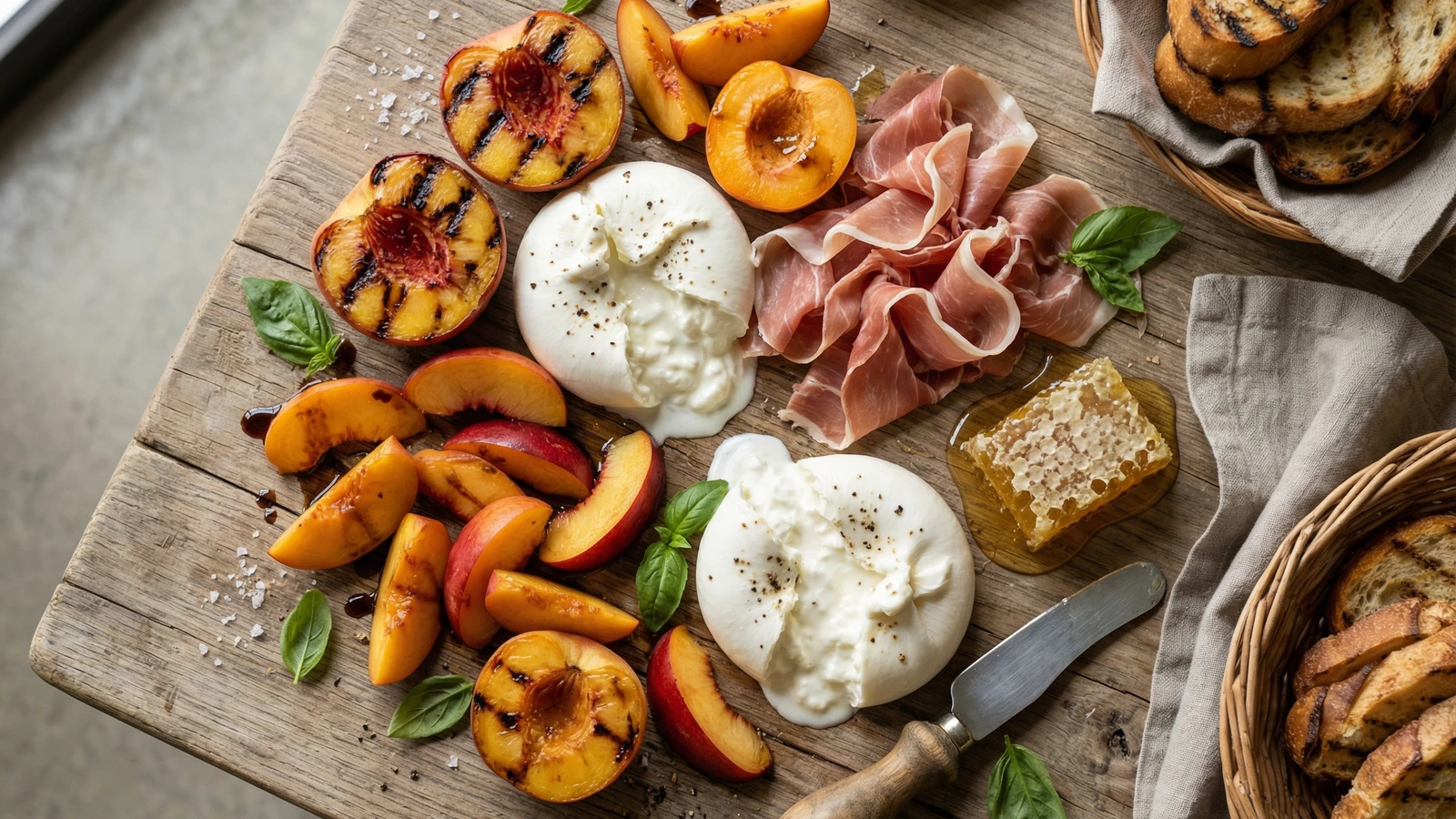
Lush burrata torn open to reveal its creamy heart, surrounded by caramelized grilled peaches, whisper-thin prosciutto, and golden honeycomb. This is California summer on a board, meant for sharing under fading evening light.
California taught the rest of America something important: when your ingredients are perfect, your job is to get out of their way. This board represents that philosophy in its purest form. Ripe stone fruit kissed by a hot grill. Burrata so fresh it sighs when you cut into it. Prosciutto aged until it practically dissolves on your tongue. You're not cooking here. You're curating.
I first encountered this style of eating in the wine country north of San Francisco, where a winemaker's wife set out a wooden board with nothing more than peaches from her tree, cheese from the morning market, and honey from hives behind the barn. No recipe. No fuss. Just an understanding that August in California provides everything you need if you pay attention.
The grilling of the fruit is the only technique that requires your focus. You want char marks and caramelization, not mush. Two minutes per side over high heat. The sugars concentrate and the flesh softens just enough to yield to a fork while still holding its shape. Choose fruit that's ripe but firm. If it's soft enough to eat out of hand, it's too soft for the grill.
Assemble this board right before your guests arrive. Burrata waits for no one. Within thirty minutes of cutting, it begins to lose its magic, the creamy stracciatella center spreading thin rather than pooling luxuriously. Time your grilling so the fruit is still warm when it hits the board. The contrast of warm peaches against cool cheese is half the pleasure.
Quantity
2 balls (8 oz each)
Quantity
4
Quantity
6 oz
thinly sliced
Quantity
1 piece (about 4 oz)
Quantity
1 cup
Quantity
3 tablespoons, divided
Quantity
2 tablespoons
Quantity
to taste
Quantity
to taste
freshly cracked
Quantity
1
sliced
Quantity
1/2 cup
| Ingredient | Quantity |
|---|---|
| fresh burrata | 2 balls (8 oz each) |
| ripe peaches or nectarines | 4 |
| prosciutto di Parmathinly sliced | 6 oz |
| honeycomb | 1 piece (about 4 oz) |
| fresh basil leaves | 1 cup |
| extra-virgin olive oil | 3 tablespoons, divided |
| aged balsamic vinegar | 2 tablespoons |
| flaky sea salt | to taste |
| black pepperfreshly cracked | to taste |
| baguette or crusty breadsliced | 1 |
| marcona almonds | 1/2 cup |
Choose stone fruit that yields slightly to pressure at the stem end but remains firm overall. Overripe fruit will collapse on the grill. Halve the peaches or nectarines along their natural seam, twist gently to separate, and remove the pits. Brush the cut sides lightly with one tablespoon of olive oil. Don't season yet. Salt draws out moisture and prevents proper caramelization.
Preheat your grill to high, at least 450 degrees. If using charcoal, wait until the coals glow orange and are covered with white ash. Clean the grates thoroughly with a wire brush while hot, then oil them by holding a paper towel soaked in vegetable oil with long tongs and rubbing across the grates. This prevents sticking. You want the fruit to release cleanly, char marks intact.
Place the peach halves cut-side down on the hottest part of the grill. Do not move them. Resist every urge to peek. After two minutes, lift one edge gently. You should see defined grill marks and caramelized sugars turning the flesh golden brown. If not, give it another thirty seconds. Flip and grill the skin side for one minute just to warm through. Transfer to a plate. The fruit should hold its shape completely while being tender enough to cut with a fork.
Remove the burrata from its liquid and let it drain on a paper towel for one minute. The exterior should be slightly tacky, not wet. Keep the balls whole until you're ready to serve. Cutting too early allows the creamy center to escape and pool, losing that dramatic moment when guests tear into it themselves.
Slice the baguette on a sharp bias into half-inch pieces. Brush lightly with the remaining olive oil. Grill for thirty seconds per side or toast under a broiler until golden and crisp at the edges but still tender within. Grilled bread adds another layer of char flavor that echoes the fruit.
Choose a wooden board or large platter with character. Place the two burrata balls slightly off-center, leaving room for the fruit. Arrange the grilled peach halves around the cheese, cut sides up to show the caramelization. Drape the prosciutto in loose, ruffly folds between the elements. You want it to look casual, almost tossed, not flat and uniform. Set the honeycomb piece where guests can easily break off chunks. Scatter the marcona almonds in the gaps.
Tear the basil leaves roughly and scatter over the entire board. Drizzle the remaining olive oil over the burrata and fruit. Spoon the aged balsamic in thin ribbons across everything, concentrating slightly more over the cheese. Finish with a generous pinch of flaky salt and several cracks of black pepper. Pile the grilled bread alongside or in a separate basket.
Present the board while the fruit is still warm. Invite guests to tear into the burrata with their hands or a small knife, mixing the creamy interior with fruit and prosciutto in each bite. The honeycomb is meant to be eaten wax and all, spread on bread or crumbled over the cheese. This is food for sharing, for reaching across, for making a beautiful mess.
1 serving (about 280g)
Culinary guides, cultural storytelling, and the editorial depth that makes cooking meaningful.
Discover Culinary ExplorerChef Ally
Tender butter lettuce leaves cupped around the best of the spring market: sweet peas, crisp radishes, shaved fennel, all dressed simply with good olive oil and lemon.

Chef Ally
Translucent rice paper bundles bursting with farmers' market vegetables and fistfuls of fresh herbs, served with a simple dipping sauce that lets every element taste of what it is.

Chef Ally
Ripe summer cherry tomatoes, warm from the market and hollowed gently, filled with tangy fresh goat cheese scattered with garden herbs. A bite that tastes like August should taste.
Chef Ally
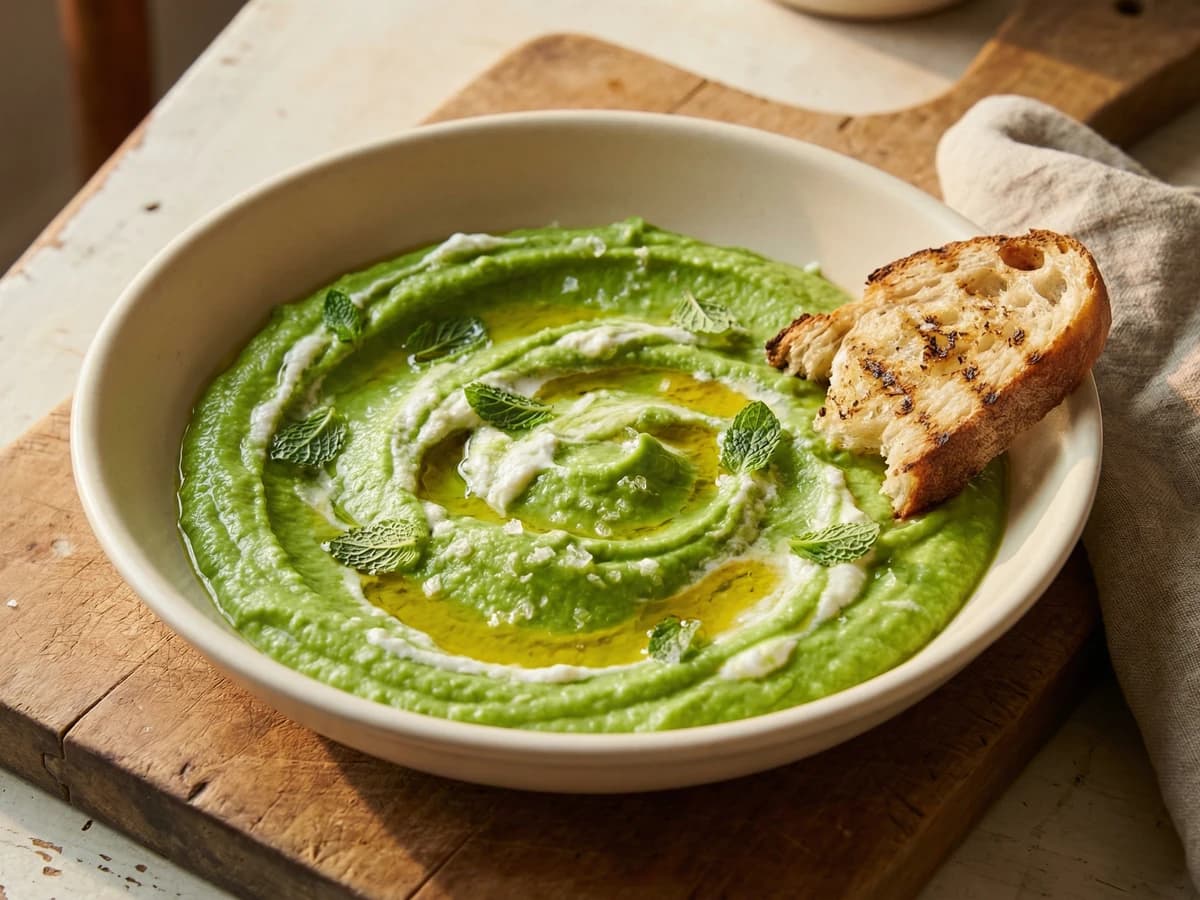
Spring peas pureed just enough to keep their grassy sweetness, swirled with creamy ricotta and bright mint, finished with good olive oil and meant for tearing bread alongside friends.