Culinary Explorer
A cooking platform built around craft, culture, and the stories behind what we eat.
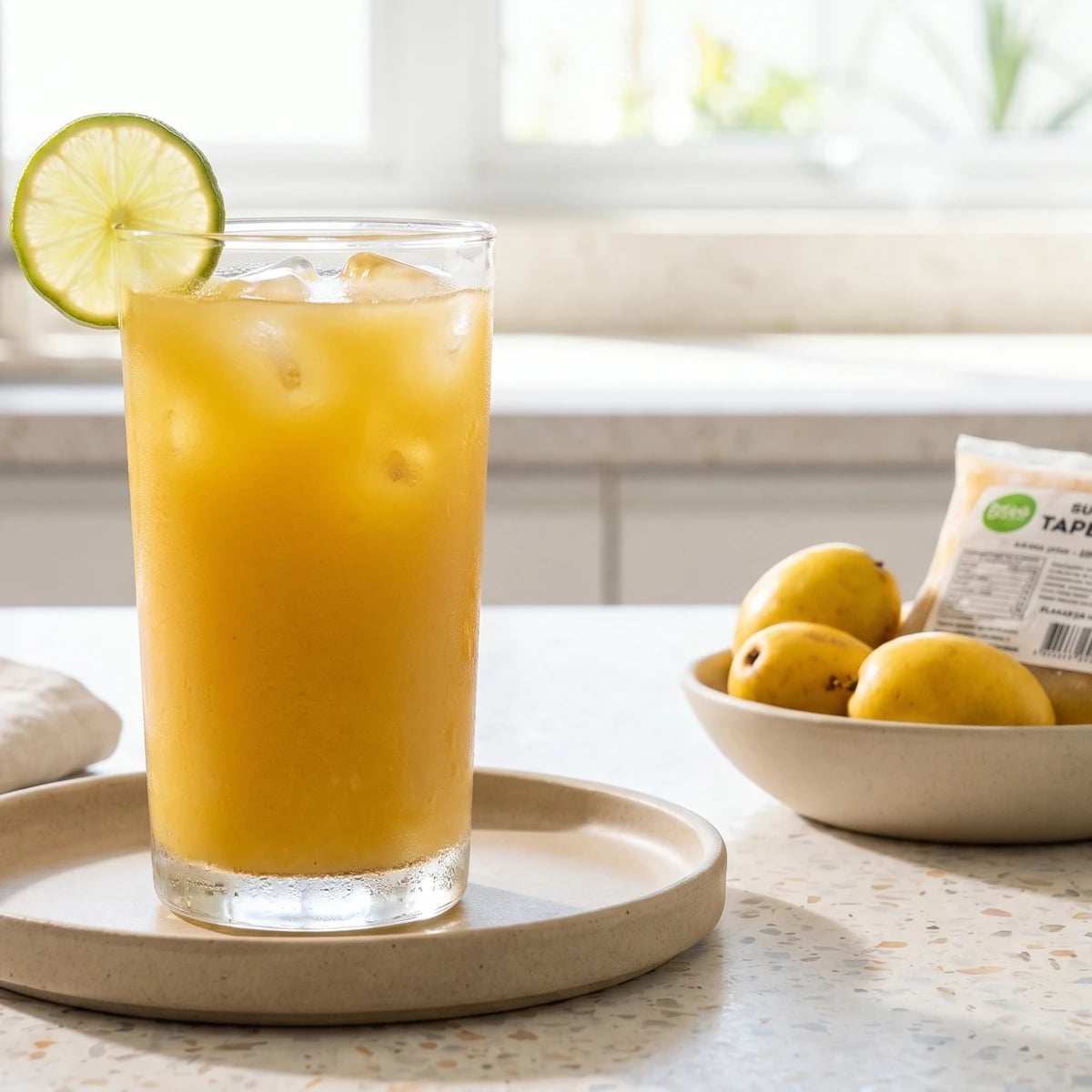
Suco de Taperebá
Created by Chef Juliana
You don't need a special hand for this. You need real taperebá pulp, cold water, lime, sugar, and the good sense to taste before serving.
You look at a packet of frozen fruit pulp and think, isso não é pra mim, because the freezer aisle has its own little language and nobody handed you the dictionary. Anota aí: this is exactly for you. Taperebá is the Norte's name for the fruit many Brazilians know as cajá, tart and golden and almost rude with how good it is cold.
This isn't the center of the pê-efe, I won't lie to you. Rice, beans, a little meat or egg, something green, that's the plate that solves dinner and keeps a country itself. But a cold suco beside that plate is part of the home table too, especially when it's made from fruta de verdade instead of powder pretending to be fruit.
The method is simple, but simple still needs teaching. Blend the pulp with cold water so it loosens without getting watery. Add sugar because taperebá is sharp, not shy. Add lime only after tasting, because some pulps are already tart enough to wake the neighbors. Then strain if you want it smoother, pour over ice, and serve right away.
Cozinhar não é dom, é um aprendizado. For this one, the aprendizado is reading the label and trusting your tongue. That's plenty.
Ingredients
frozen unsweetened taperebá or cajá pulp
Quantity
2 packs (100g each)
slightly softened
cold water
Quantity
3 cups
sugar
Quantity
2 to 4 tablespoons
to taste
| Ingredient | Quantity |
|---|---|
| frozen unsweetened taperebá or cajá pulpslightly softened | 2 packs (100g each) |
| cold water | 3 cups |
| sugarto taste | 2 to 4 tablespoons |
Where cooking meets culture.
Culinary guides, cultural storytelling, and the editorial depth that makes cooking meaningful.
Discover Culinary Explorer