
Chef Graziella
Arancini alla Siciliana
Golden fried rice balls from Sicily, where Arab culinary influence meets Italian home cooking. The saffron-perfumed rice conceals a heart of slow-simmered ragù and sweet peas.
A cooking platform built around craft, culture, and the stories behind what we eat.
Created by
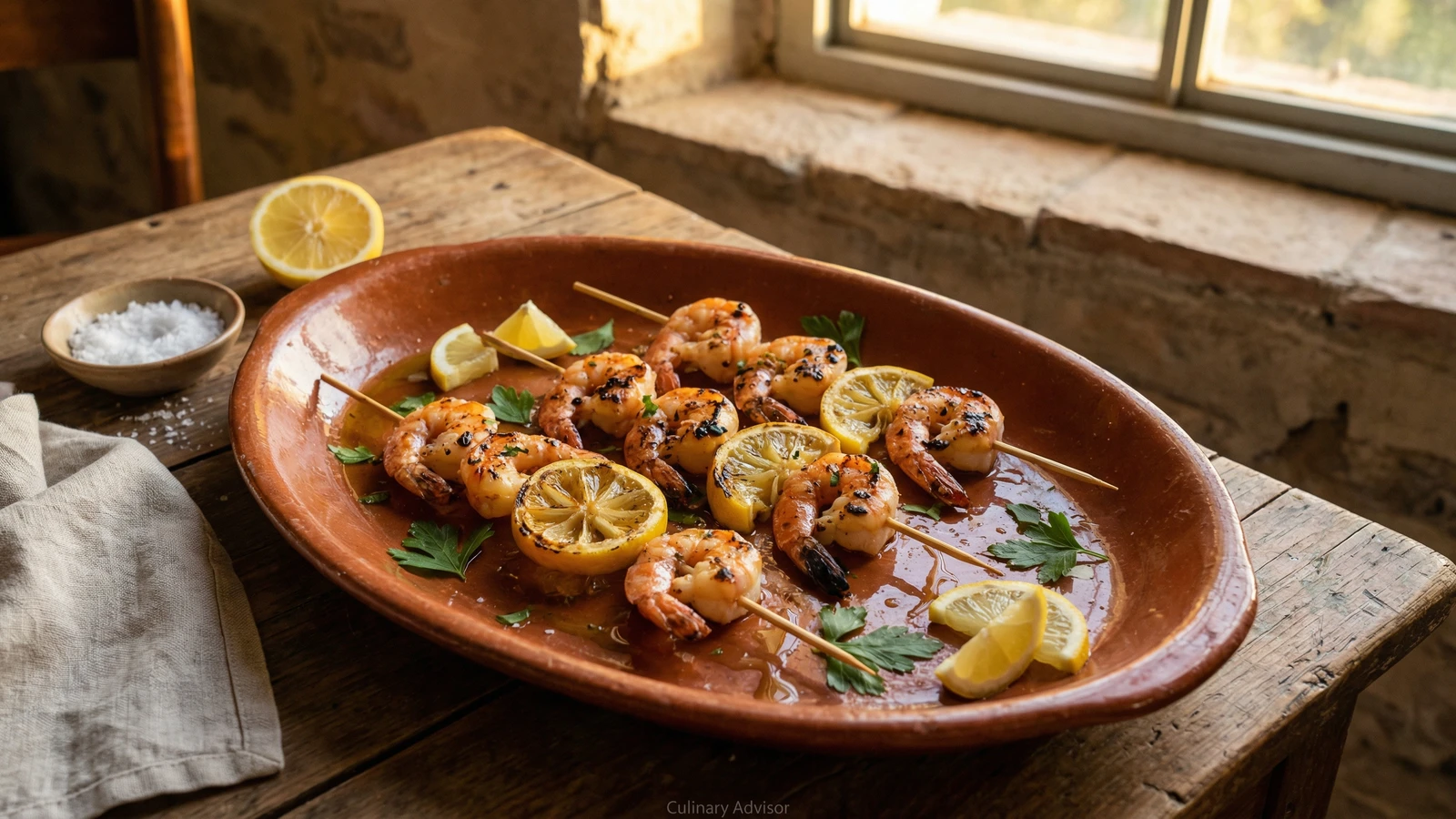
Shrimp and lemon on a skewer, kissed by fire and dressed with olive oil. The fishermen of Sicily have understood for centuries that the sea needs no improvement.
The fishing villages along Sicily's coast produce some of the finest seafood in the Mediterranean, and the cooks there have learned the most important lesson: do not interfere. When your shrimp come from clear waters and your lemons grow on the hillside above the harbor, your job is to step aside and let the ingredients speak.
These spiedini require three things: excellent shrimp, good lemons, and proper heat. The lemon slices are not garnish. They cook alongside the shrimp, their juices mingling with the seafood, their oils releasing into the fire. Each bite should deliver both: the sweet brine of the shrimp, the bright acidity of the lemon.
Americans want to add things. Marinades, spice rubs, compound butters. Sicilians know better. What you keep out is as significant as what you put in. A fisherman's wife on the coast near Trapani would look at you strangely if you suggested her shrimp needed improvement.
Cooking fish and shellfish on skewers over open flames predates recorded Sicilian history, a method inherited from Greek colonizers who founded Syracuse in the 8th century BC. The addition of citrus came later, after Arab traders introduced lemon cultivation to Sicily in the 10th century, transforming the island's cuisine forever.
Quantity
1 1/2 pounds
shell-on with heads removed
Quantity
3 large
Quantity
1/4 cup, plus more for finishing
Quantity
to taste
Quantity
to taste
freshly ground
Quantity
small handful
| Ingredient | Quantity |
|---|---|
| large shrimp (16-20 count)shell-on with heads removed | 1 1/2 pounds |
| lemons | 3 large |
| extra virgin olive oil | 1/4 cup, plus more for finishing |
| flaky sea salt | to taste |
| black pepperfreshly ground | to taste |
| flat-leaf parsley leaves (optional) | small handful |
If your shrimp are not already deveined, use kitchen shears to cut through the shell along the back curve and remove the dark vein. Leave the shells on. The shells protect the meat from drying over high heat and add flavor as they char. Rinse the shrimp briefly and pat completely dry with paper towels. Wet shrimp steam rather than sear.
Cut two of the lemons into rounds about one-quarter inch thick. You need approximately 18 slices, enough to alternate with the shrimp on six skewers. Remove any seeds. Reserve the third lemon for finishing.
Thread the shrimp and lemon slices onto metal or soaked wooden skewers, alternating three shrimp with three lemon slices per skewer. Curve each shrimp so the skewer passes through twice, once near the head and once near the tail. This keeps them flat and ensures even cooking. The lemon slices should sit flush against the shrimp.
Arrange the skewers on a sheet pan. Brush both sides generously with olive oil. Season with flaky sea salt and freshly ground pepper. That is all. No garlic, no herbs yet, nothing more. The shrimp and lemon do the work.
Heat your grill to high or set a grill pan over high heat until nearly smoking. Lay the skewers directly on the grates. Cook without moving for 2 to 3 minutes, until the shells turn pink and develop char marks. Turn once and cook the other side for 2 minutes more. The shrimp are done when they are opaque throughout and the lemon slices have softened and taken on golden brown spots.
Transfer the skewers to a serving platter. Drizzle with fresh olive oil and squeeze the juice of the reserved lemon over all. Scatter parsley leaves if you wish, though it is not essential. Serve immediately while the shrimp are still warm and the lemon juice is sizzling against the hot shells. Your guests should eat these with their hands, pressing the charred lemon against the shrimp as they go.
1 serving (about 75g)
Culinary guides, cultural storytelling, and the editorial depth that makes cooking meaningful.
Discover Culinary ExplorerChef Graziella
Golden fried rice balls from Sicily, where Arab culinary influence meets Italian home cooking. The saffron-perfumed rice conceals a heart of slow-simmered ragù and sweet peas.
Chef Graziella
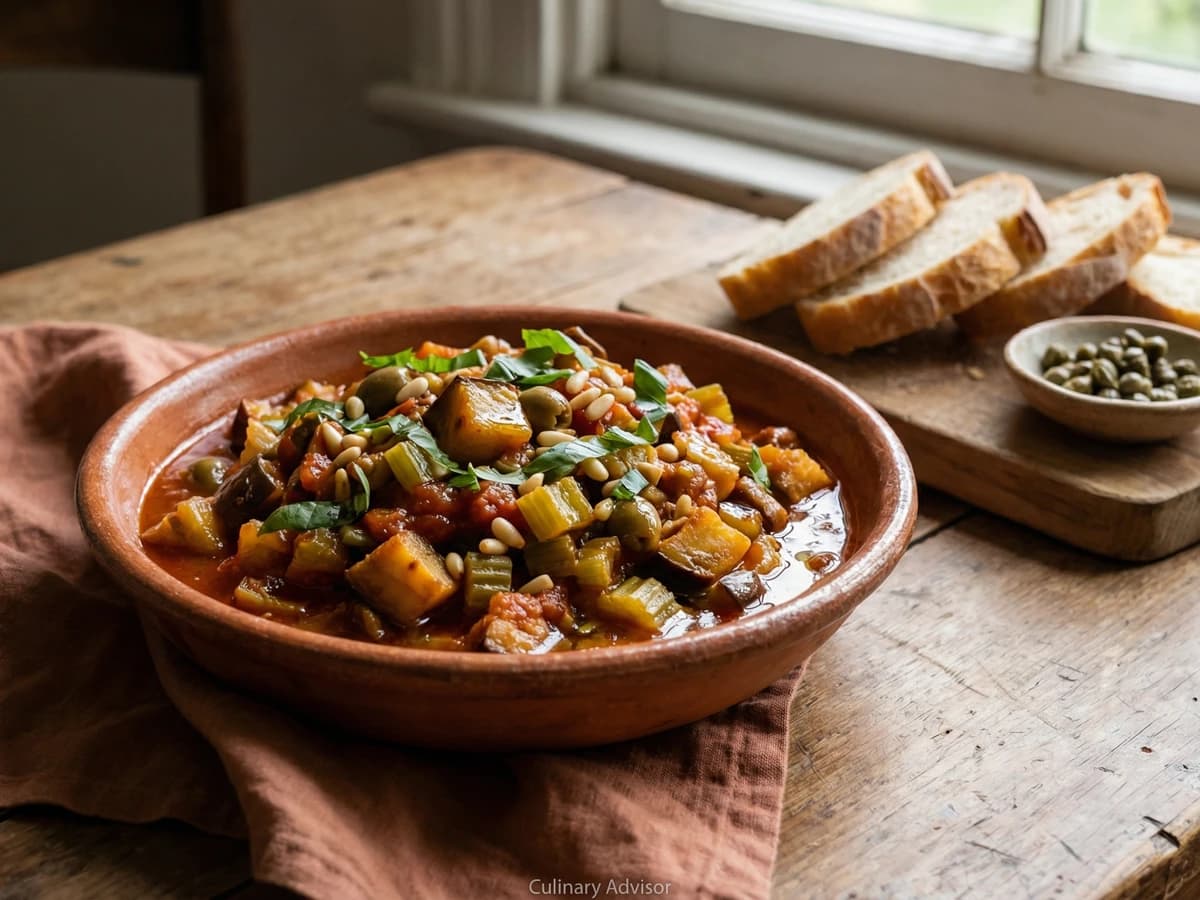
Sicily's celebrated sweet-sour eggplant, where Arab traders left their mark in the capers, vinegar, and sugar that transform humble vegetables into something unforgettable. Better tomorrow than today.

Chef Graziella
Silky grilled eggplant embracing sharp, salty ricotta and fragrant basil. Sicily's gift to the antipasto table, proving that restraint and quality ingredients need nothing more.

Chef Graziella
Eggplant halves from Sicily's Arab-influenced kitchen, stuffed with capers, green olives, pine nuts, and golden raisins, crowned with breadcrumbs and baked until the top shatters under your fork.