
Chef Dean
Chicken Tortilla Soup
A smoky, brick-red broth alive with charred tomatoes and toasted chiles, ladled over shredded chicken and crowned with a mountain of crispy tortilla strips, cool avocado, sharp cheese, and a generous squeeze of lime.
A cooking platform built around craft, culture, and the stories behind what we eat.
Created by
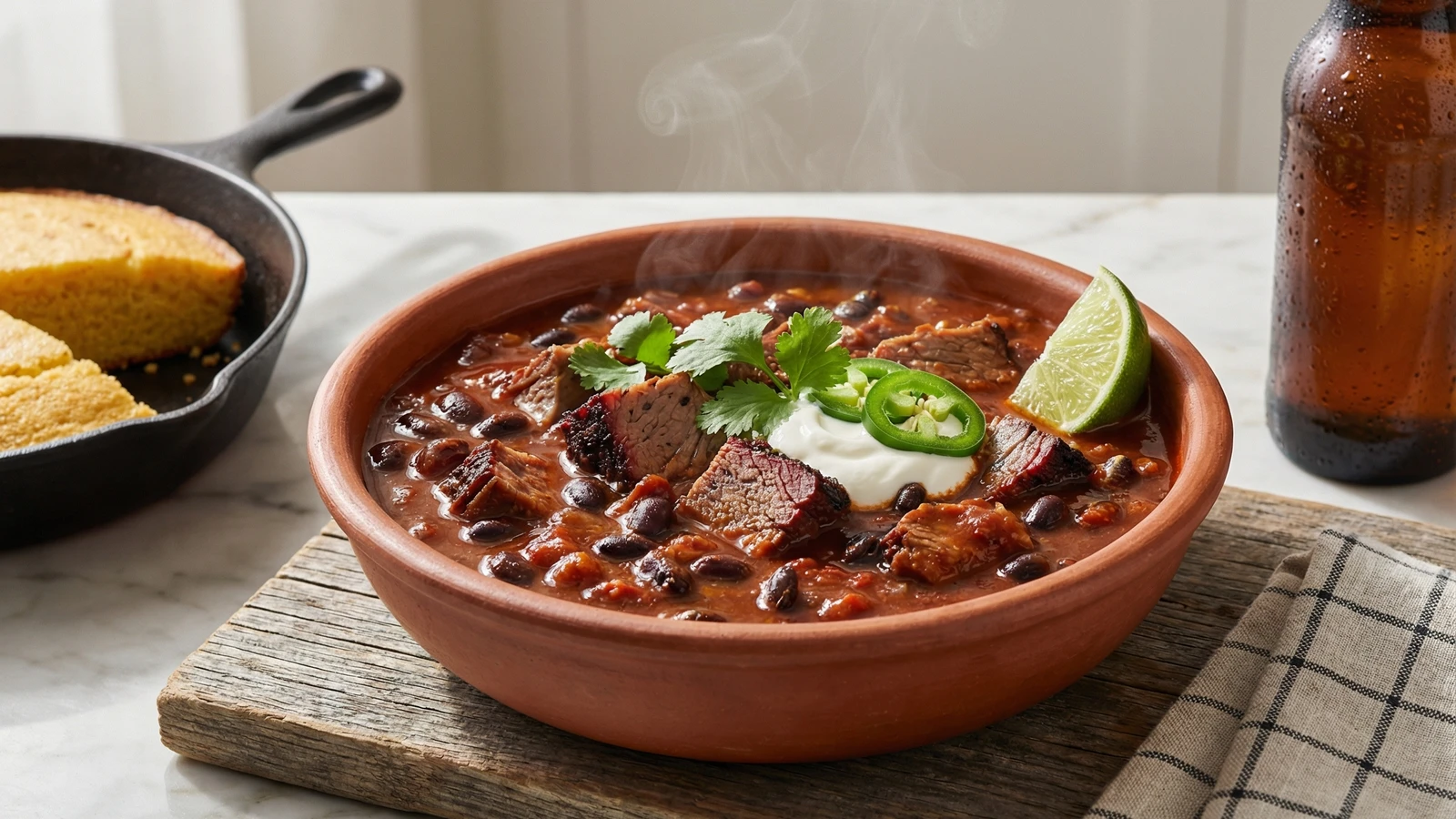
Tender chunks of oak-smoked brisket simmered with velvety black beans, toasted dried chiles, and warm spices in a bowl of pure Texan comfort that rewards patience with every smoky, soul-satisfying spoonful.
Texas chili purists will tell you beans have no business in a proper bowl of red. I respect their position. I also ignore it. This is not competition chili. This is backyard chili, the kind you make when you've got leftover brisket from yesterday's smoke and friends coming over who deserve something substantial.
The marriage of smoked beef and black beans goes back further than most folks realize. Border cooks have been stretching precious meat with beans for generations. The black bean brings an earthy sweetness that anchors all that smoky richness, giving the chili body and depth that kidney beans simply cannot match.
You'll build your flavor in layers here. First the dried chiles, toasted until fragrant and rehydrated into a paste that forms the backbone of your sauce. Then the aromatics, softened slowly in rendered brisket fat. Finally the meat itself, already carrying hours of oak smoke in every fiber, broken into rough chunks that hold their texture through the simmer. This is not a quick weeknight affair. It's a Saturday project, best undertaken with a cold beer in hand and good company nearby.
Quantity
3 pounds
trimmed
Quantity
2 tablespoons
Quantity
1 tablespoon
Quantity
1 pound
soaked overnight
Quantity
4
stemmed and seeded
Quantity
2
stemmed and seeded
Quantity
2 peppers plus 1 tablespoon sauce
Quantity
2 cups
Quantity
2 tablespoons
Quantity
2 large
diced
Quantity
8 cloves
minced
Quantity
2
seeded and minced
Quantity
3 tablespoons
Quantity
1 tablespoon
Quantity
2 teaspoons
Quantity
1 can (28 ounces)
Quantity
4 cups
Quantity
2 tablespoons
Quantity
2 tablespoons
Quantity
to taste
Quantity
for serving
Quantity
for serving
chopped
Quantity
for serving
diced
Quantity
for serving
Quantity
for serving
| Ingredient | Quantity |
|---|---|
| beef brisket flattrimmed | 3 pounds |
| coarse kosher salt | 2 tablespoons |
| coarsely ground black pepper | 1 tablespoon |
| dried black beanssoaked overnight | 1 pound |
| dried ancho chilesstemmed and seeded | 4 |
| dried guajillo chilesstemmed and seeded | 2 |
| chipotle peppers in adobo | 2 peppers plus 1 tablespoon sauce |
| boiling water | 2 cups |
| rendered brisket fat or bacon drippings | 2 tablespoons |
| yellow onionsdiced | 2 large |
| garlicminced | 8 cloves |
| jalapeño peppersseeded and minced | 2 |
| ground cumin | 3 tablespoons |
| dried Mexican oregano | 1 tablespoon |
| smoked paprika | 2 teaspoons |
| fire-roasted crushed tomatoes | 1 can (28 ounces) |
| beef stock | 4 cups |
| brown sugar | 2 tablespoons |
| apple cider vinegar | 2 tablespoons |
| kosher salt | to taste |
| sour cream (optional) | for serving |
| fresh cilantro (optional)chopped | for serving |
| white onion (optional)diced | for serving |
| pickled jalapeños (optional) | for serving |
| lime wedges (optional) | for serving |
The night before cooking, pat the brisket dry with paper towels and season generously on all sides with the salt and pepper. Place uncovered on a rack set over a sheet pan and refrigerate overnight. This dry brine draws moisture to the surface, then reabsorbs it along with the salt, seasoning the meat deeply while creating a tacky pellicle that smoke will cling to.
Set up your smoker for indirect cooking at 250°F. Oak is traditional for Texas brisket, but pecan or hickory work beautifully here. You want thin blue smoke, not billowing white clouds. White smoke tastes acrid. Let the fire settle until the smoke runs clean before adding meat.
Remove brisket from refrigerator and let stand at room temperature for 30 minutes. Place fat-side up in the smoker and cook until the internal temperature reaches 165°F, roughly 3 to 4 hours. The bark should be deeply mahogany, almost black at the edges. You're not taking this to full tenderness; it will finish in the chili. Wrap in butcher paper and rest for 30 minutes, then cut into rough 1-inch cubes. Reserve any accumulated juices.
Heat a dry cast iron skillet over medium heat. Add the ancho and guajillo chiles in a single layer, pressing flat with a spatula. Toast for 30 seconds per side until fragrant and pliable, watching carefully to avoid burning. The kitchen should smell warm and slightly fruity. Transfer to a heat-proof bowl, cover with the boiling water, and let steep for 20 minutes until completely soft.
Transfer the rehydrated chiles to a blender along with half the soaking liquid, the chipotle peppers, and adobo sauce. Blend on high until completely smooth, scraping down the sides as needed. This paste should be thick enough to coat a spoon but pourable. Add more soaking liquid if necessary. Set aside.
In a large Dutch oven or heavy-bottomed pot, heat the rendered brisket fat over medium heat until shimmering. Add the onions and cook, stirring occasionally, until deeply golden and soft, about 12 minutes. Don't rush this. The sweetness developed here forms the foundation of your chili. Add the garlic and jalapeños, cooking until fragrant, about 2 minutes more.
Push the aromatics to the edges of the pot and add the cumin, oregano, and smoked paprika to the center where the heat is highest. Toast the spices for 60 seconds, stirring constantly, until they release their oils and the cumin darkens slightly. You'll know they're ready when the aroma hits you square in the face. Stir everything together.
Pour in the chile paste, scraping every bit from the blender. Stir to coat the aromatics, then add the crushed tomatoes, beef stock, and any reserved brisket juices. Drain the soaked black beans and add them to the pot. The liquid should cover the beans by about an inch. Bring to a simmer, then reduce heat to maintain a gentle bubble.
Cook uncovered, stirring occasionally and scraping the bottom to prevent sticking, until the beans are creamy but still hold their shape, about 1 hour and 15 minutes. The liquid will reduce and thicken. If it gets too thick before the beans are done, add water a half cup at a time.
Fold the cubed smoked brisket gently into the chili. You want to distribute the meat evenly without breaking it apart too much. Continue simmering for 20 minutes to let the flavors marry and the brisket absorb some of that chile-rich liquid. The meat should be fork-tender but still hold its shape.
Stir in the brown sugar and apple cider vinegar. The sugar rounds any bitter edges from the chiles while the vinegar brightens everything, making all those deep flavors pop. Taste carefully and adjust salt as needed. Good chili walks a line between sweet, savory, smoky, and just slightly acidic. Find that balance.
Remove from heat and let the chili rest for 15 minutes. Like all braises, it improves with time. Ladle into deep bowls and let each guest garnish as they please: sour cream, fresh cilantro, diced white onion, pickled jalapeños, and a good squeeze of lime. Serve with warm cornbread or crusty bread to soak up the sauce.
1 serving (about 370g)
Culinary guides, cultural storytelling, and the editorial depth that makes cooking meaningful.
Discover Culinary ExplorerChef Dean
A smoky, brick-red broth alive with charred tomatoes and toasted chiles, ladled over shredded chicken and crowned with a mountain of crispy tortilla strips, cool avocado, sharp cheese, and a generous squeeze of lime.
Chef Dean
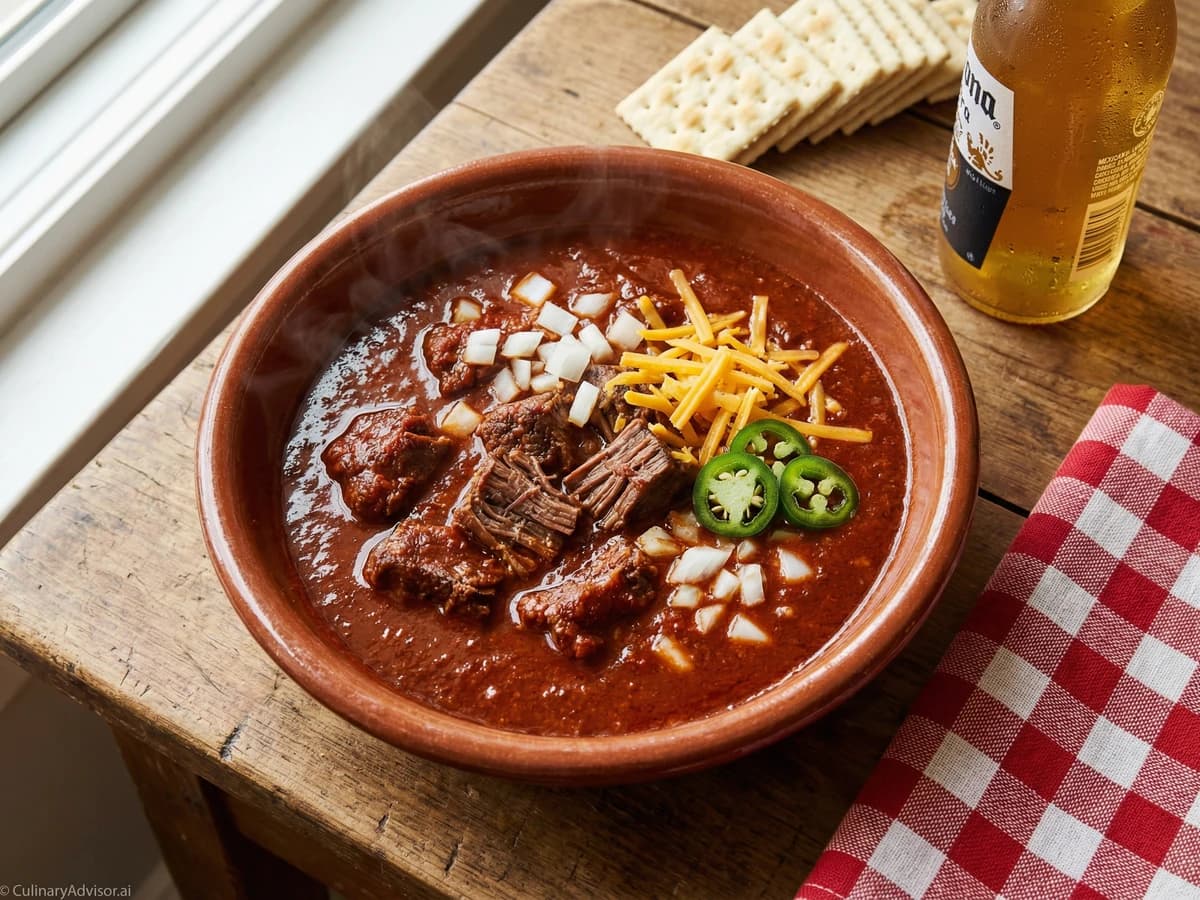
A true bowl of red built from toasted dried chiles and tender chunks of beef braised until they surrender to your fork. No beans. No tomatoes. Just the unapologetic flavors that put Texas chili in a class of its own.
Chef Juliette
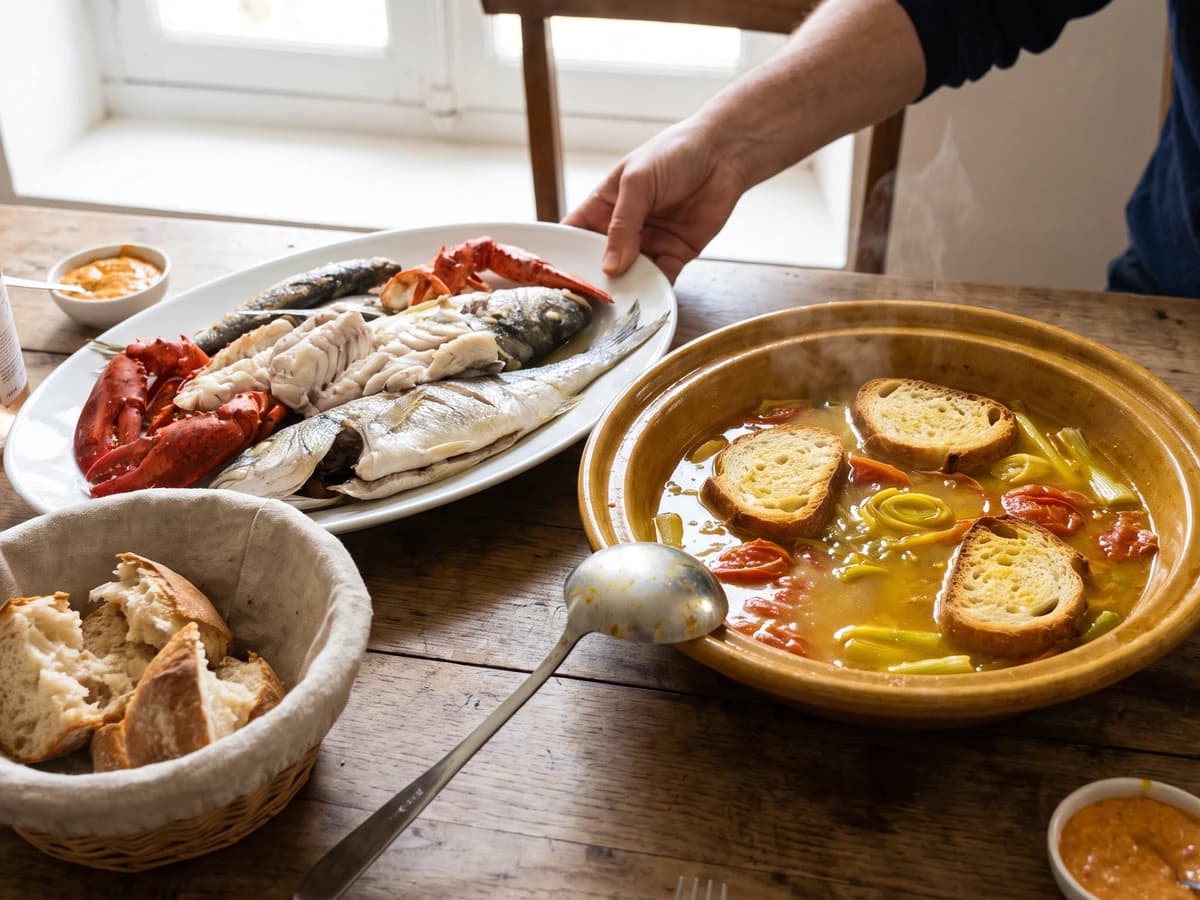
Marseille's great fish stew, saffron-gold and garlic-scented, proves that a hard boil can be the careful choice: it binds olive oil into broth before the whole pot meets bread.
Chef Juliette
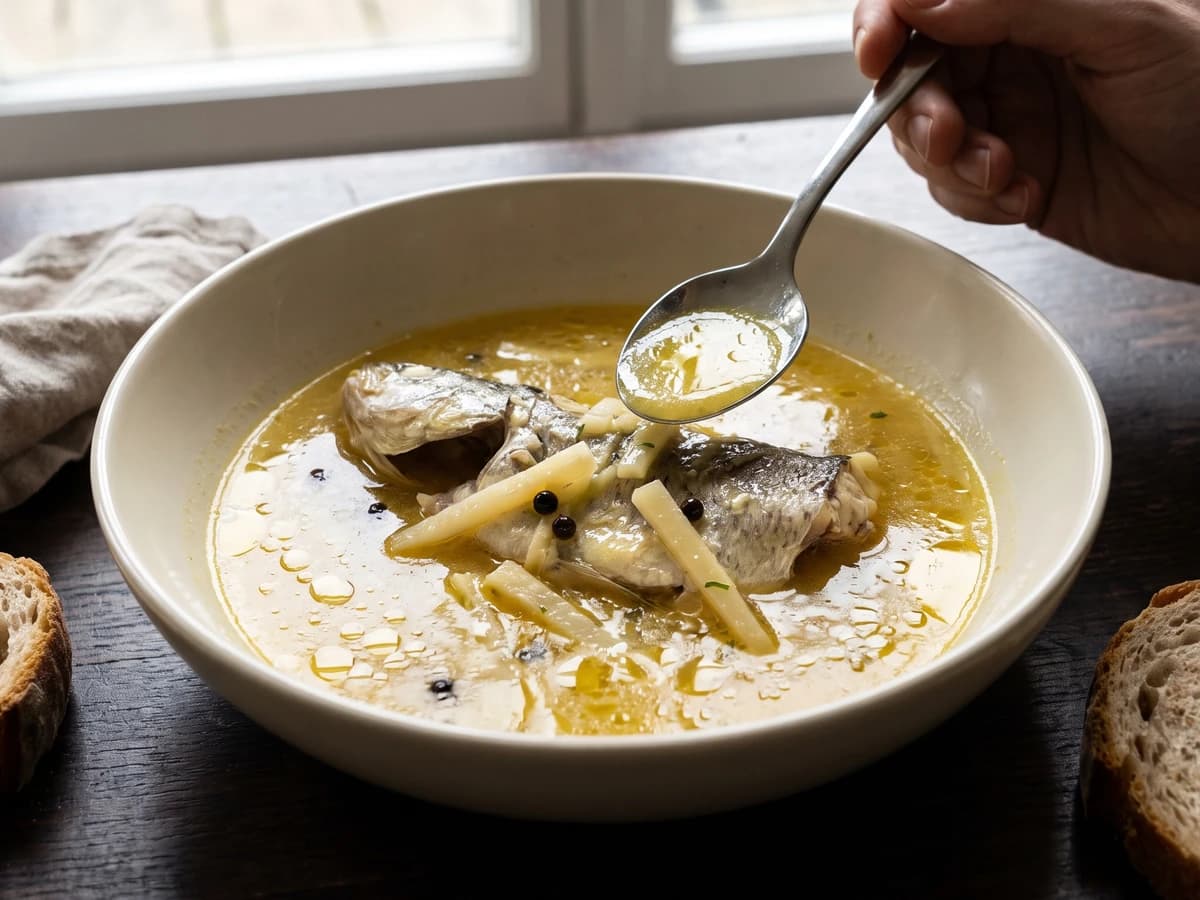
Waterzoi asks fresh, bone-in river fish to thicken its own buttery broth, with parsley root and pepper for company. No flour, no stockpot, just a brisk simmer watched closely.