
Chef Dean
American Goulash
A Midwestern one-pot supper of seasoned ground beef, tender elbow macaroni, and tomatoes simmered into a thick, soul-satisfying stew. This is the dish that fed factory workers and farm families alike.
A cooking platform built around craft, culture, and the stories behind what we eat.
Created by
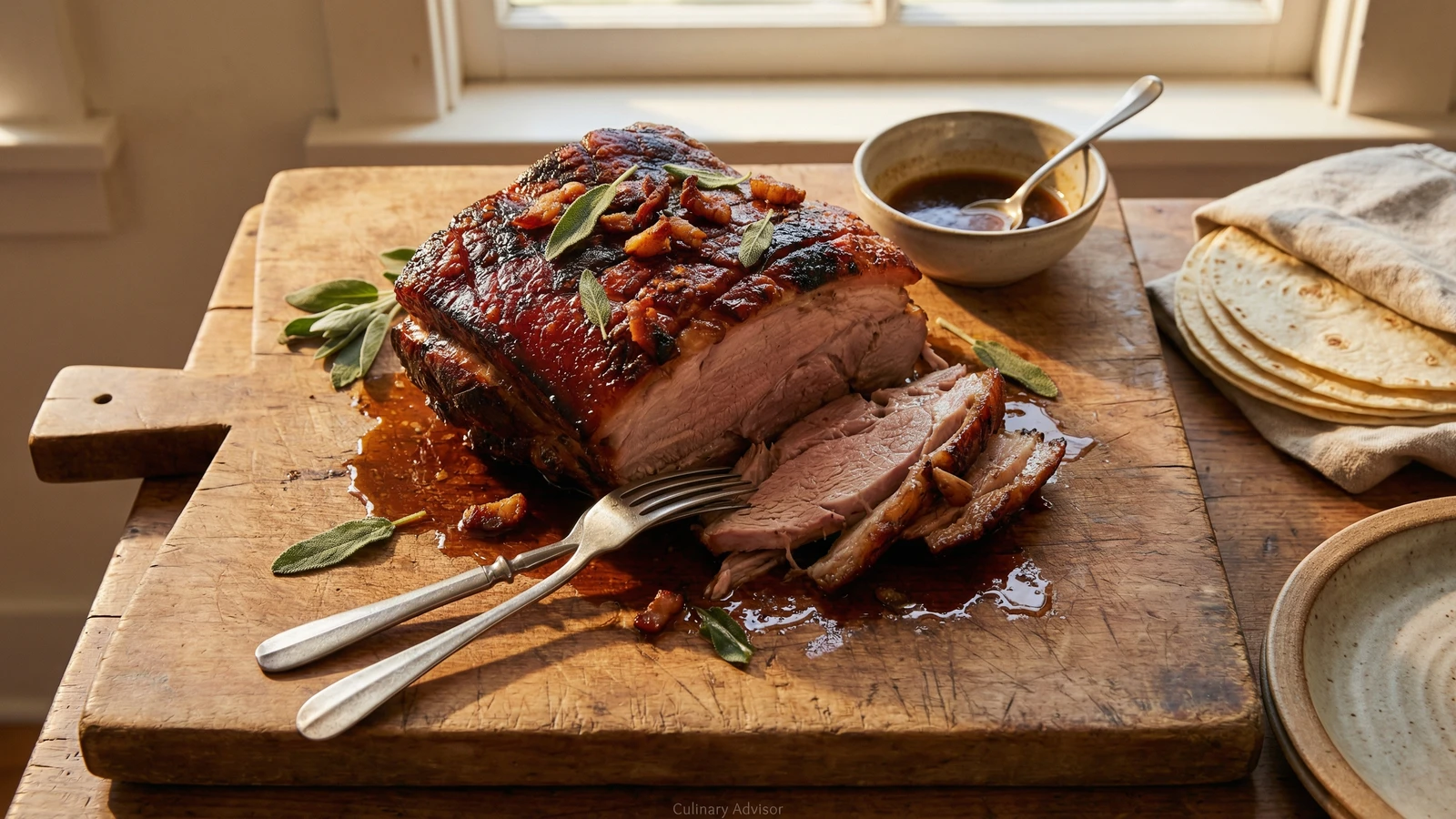
Bone-in pork shoulder rubbed with garlic, fennel, and crushed red pepper, then roasted for hours until the meat surrenders to a fork and the fat renders into pure silk.
Find a pig raised well. This matters more than any technique I can teach you. A shoulder from a pastured hog, one that rooted in dirt and ate what pigs are meant to eat, carries a depth of flavor that no amount of seasoning can replicate in a factory-farmed cut. Ask your butcher where the pig came from. If they cannot tell you, find a different butcher.
The shoulder is the most forgiving and generous cut on the animal. It wants to be cooked low and slow, giving you hours of freedom while the oven does the work. The collagen breaks down into gelatin, the fat bastes the meat from within, and what emerges is tender enough to pull apart with your hands.
This is the dish I make when people are coming and I want to feed them well without standing at the stove. Rub it the night before if you can. Slide it into the oven in the morning. By evening, you have something that feels like a celebration but cost you almost nothing in effort. Your choices shape the food system. Buying a shoulder from a farmer who raises pigs right keeps that farm alive, and the pork tastes better for it.
Quantity
8-10 pounds
preferably from a pastured pig
Quantity
2 tablespoons
Quantity
1 tablespoon
Quantity
2 teaspoons
Quantity
1 head
cloves peeled and roughly chopped
Quantity
3 tablespoons
Quantity
1 tablespoon
Quantity
3 tablespoons
Quantity
1 cup
Quantity
a few sprigs
Quantity
a few sprigs
| Ingredient | Quantity |
|---|---|
| bone-in pork shoulderpreferably from a pastured pig | 8-10 pounds |
| fennel seeds | 2 tablespoons |
| coriander seeds | 1 tablespoon |
| crushed red pepper flakes | 2 teaspoons |
| garliccloves peeled and roughly chopped | 1 head |
| kosher salt | 3 tablespoons |
| freshly cracked black pepper | 1 tablespoon |
| olive oil | 3 tablespoons |
| dry white wine or hard cider | 1 cup |
| fresh rosemary | a few sprigs |
| fresh sage | a few sprigs |
Set a small dry skillet over medium heat. Add the fennel seeds and coriander seeds and toast until fragrant and slightly darker, shaking the pan often, about two minutes. The kitchen will smell like a warm spice market. Transfer to a mortar and pestle or spice grinder and crush to a coarse powder. You want texture here, not dust.
Combine the crushed spices with the chopped garlic, salt, black pepper, red pepper flakes, and olive oil in a small bowl. Mash everything together with a fork until you have a rough paste. It should smell alive, almost aggressive. That intensity will mellow and deepen over hours in the oven.
Pat the pork shoulder dry with paper towels. Using a sharp knife, score the fat cap in a crosshatch pattern about half an inch deep. This lets the seasoning penetrate and allows fat to render more evenly. Rub the spice paste all over the meat, pressing it into the scores and covering every surface. Do not be delicate.
Position a rack in the lower third of your oven and preheat to 300°F. Place the shoulder fat side up in a large roasting pan or Dutch oven. Tuck the rosemary and sage around the meat. Pour the wine into the bottom of the pan. Cover tightly with a lid or two layers of aluminum foil.
Slide the pan into the oven and let time do what time does. Roast for six to seven hours, until the meat is completely tender and pulls apart when you press it with a fork. The internal temperature should read 195 to 205°F in the thickest part. Do not rush this. The magic happens in the final hour when collagen transforms into gelatin.
Remove the lid or foil and increase the oven temperature to 400°F. Roast uncovered for another 30 to 45 minutes until the fat cap turns deep golden brown and crispy in spots. The edges should look almost lacquered, dark and caramelized.
Transfer the shoulder to a cutting board and let it rest for 20 to 30 minutes. The meat will stay hot far longer than you expect. Use this time to taste the pan juices and adjust the seasoning. Strain the liquid if you like, though I prefer it rustic, with all those bits of garlic and herbs.
Pull the meat apart with two forks, or simply set the shoulder on the table and let people serve themselves. Pour some of the pan juices over the meat to keep it glistening. This is not a dish that needs precision. It needs to be eaten with friends, ideally with warm tortillas, sharp pickles, or crusty bread nearby.
1 serving (about 170g)
Culinary guides, cultural storytelling, and the editorial depth that makes cooking meaningful.
Discover Culinary ExplorerChef Dean
A Midwestern one-pot supper of seasoned ground beef, tender elbow macaroni, and tomatoes simmered into a thick, soul-satisfying stew. This is the dish that fed factory workers and farm families alike.

Chef Dean
A golden-crusted casserole of tender elbow macaroni swaddled in velvety cheese sauce, this is the macaroni and cheese that defines American comfort cooking. No boxed shortcuts. No apologies.

Chef Dean
Silky strips of seared beef and earthy mushrooms draped in a tangy sour cream sauce, ladled generously over buttery egg noodles. This is the dish that warmed a thousand American kitchens.

Chef Dean
A magnificent whole-roasted tenderloin crowned with a glossy red wine reduction, the kind of centerpiece that makes guests fall silent when it arrives at the table. This is holiday cooking at its honest best.