Chef Dean
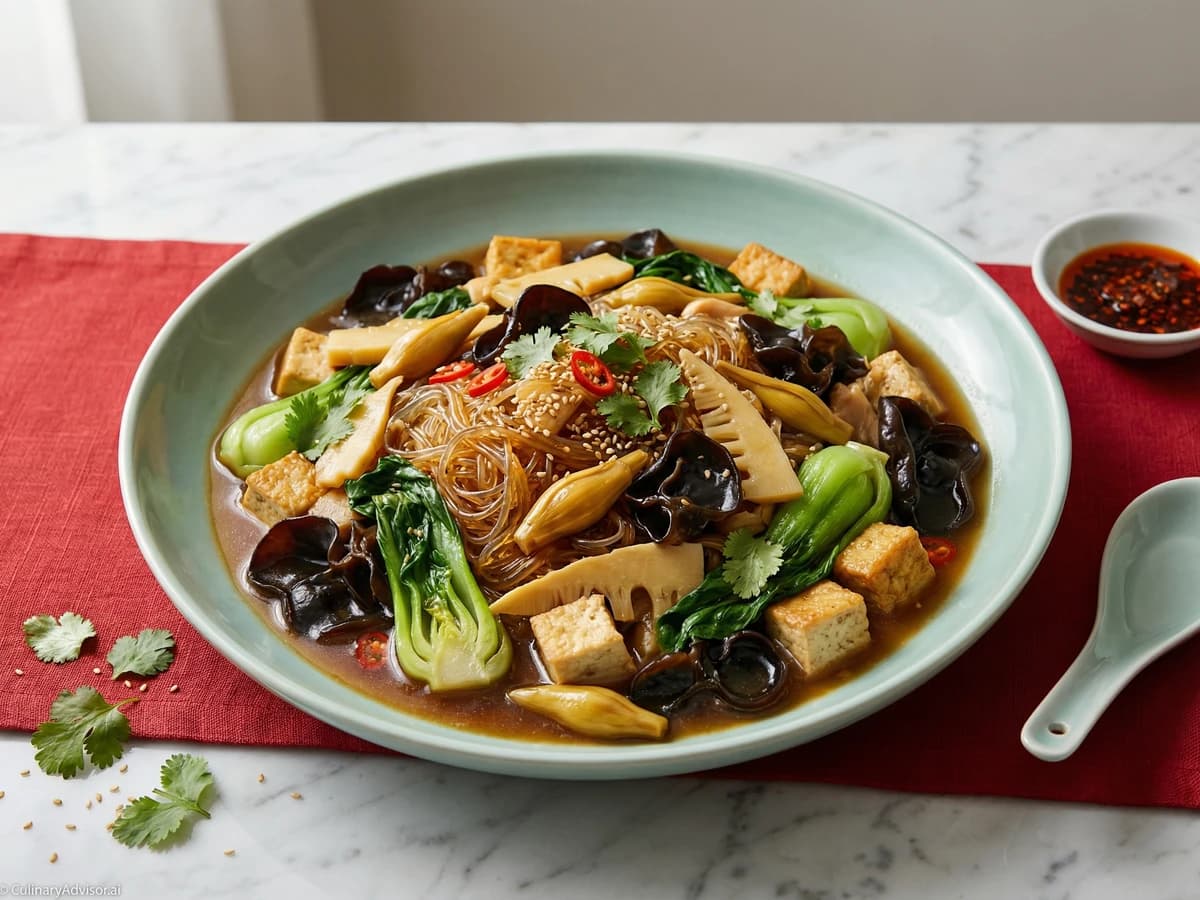
Buddha's Delight (Jai)
A celebration of textures and traditions: silky tofu, tender mushrooms, and crisp vegetables braised in a glossy sauce that honors the Buddhist vegetarian tradition and welcomes prosperity with every bite.
A cooking platform built around craft, culture, and the stories behind what we eat.
Created by
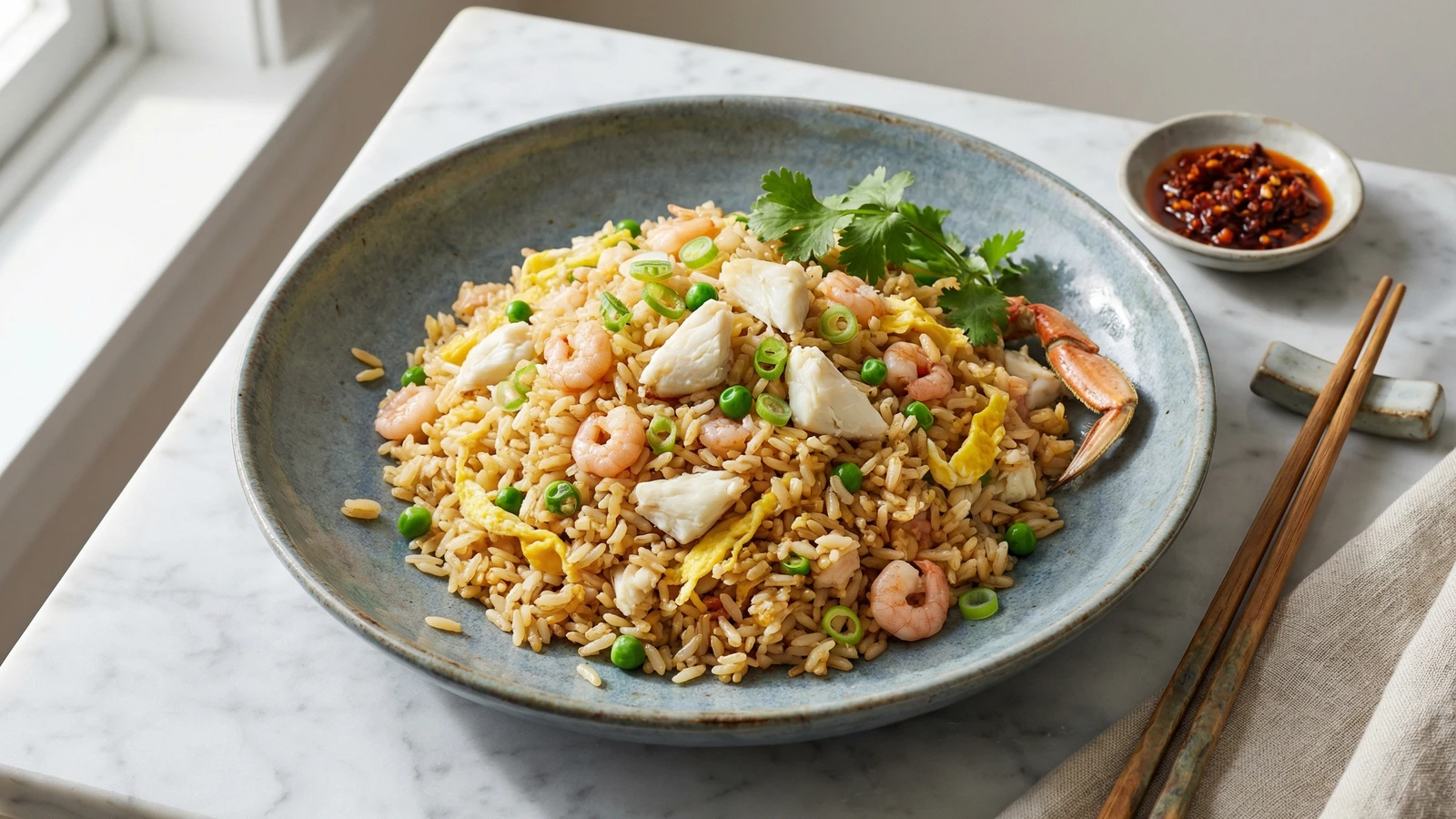
Day-old rice transformed by screaming-hot wok heat, tossed with sweet bay shrimp and Dungeness crab, threaded with golden egg ribbons. This is how you honor the Pacific Northwest's finest shellfish without fuss or pretension.
The Chinese immigrants who built the railroads and worked the salmon canneries of the Pacific Northwest understood something about stretching precious protein. A handful of shrimp, a few ounces of crab, transformed into a meal that feeds a family. This is peasant wisdom applied to some of the finest shellfish in the world.
Dungeness crab season runs from December through summer along these cold waters. The Makah, Quinault, and other coastal tribes harvested these waters for millennia before Europeans arrived. Scandinavian fishermen brought their own preservation techniques. Chinese cooks contributed the wok. What emerged is something uniquely American: honest food from honest people making the most of what the sea provides.
The secret to proper fried rice lies in what happened yesterday. Fresh rice steams and clumps. Day-old rice, dried slightly in the refrigerator, separates into individual grains that fry rather than steam. Every grain should be coated in a thin sheen of fat, kissed by high heat until the edges crisp slightly. This is not a dump-and-stir operation. It requires your full attention for about four minutes.
I learned to make fried rice from a cook in Seattle's International District who moved her wok like she was conducting an orchestra. The tossing wasn't showmanship. It was temperature control, ensuring every grain spent time against the searing metal. You'll develop the same rhythm with practice.
Quantity
4 cups
cold from refrigerator
Quantity
8 ounces
cooked
Quantity
6 ounces
picked over for shells
Quantity
4
beaten
Quantity
4 tablespoons
divided
Quantity
1 tablespoon
Quantity
4
white and green parts separated, thinly sliced
Quantity
3 cloves
minced
Quantity
1 tablespoon
minced
Quantity
3 tablespoons
Quantity
1 tablespoon
Quantity
1/2 teaspoon
Quantity
1 cup
thawed
Quantity
to taste
Quantity
for garnish
| Ingredient | Quantity |
|---|---|
| day-old jasmine ricecold from refrigerator | 4 cups |
| bay shrimpcooked | 8 ounces |
| Dungeness crabmeatpicked over for shells | 6 ounces |
| large eggsbeaten | 4 |
| peanut oildivided | 4 tablespoons |
| toasted sesame oil | 1 tablespoon |
| green onionswhite and green parts separated, thinly sliced | 4 |
| garlicminced | 3 cloves |
| fresh gingerminced | 1 tablespoon |
| soy sauce | 3 tablespoons |
| fish sauce | 1 tablespoon |
| white pepper | 1/2 teaspoon |
| frozen peasthawed | 1 cup |
| kosher salt | to taste |
| fresh cilantro (optional) | for garnish |
Fried rice waits for no one. Once that wok is hot, you need everything within arm's reach. Break up any clumps in your cold rice with your fingers, separating the grains gently. Arrange the beaten eggs, aromatics, shellfish, peas, and sauces in small bowls near the stove. Mix the soy sauce and fish sauce together in one vessel. This preparation takes five minutes and prevents disaster.
Set your wok over the highest heat your stove produces. Let it heat for two full minutes. You're looking for the metal to change color slightly, a faint blue shimmer appearing on the surface. Add two tablespoons of peanut oil and swirl it up the sides. The oil should shimmer instantly and begin to smoke within ten seconds. If it doesn't, your wok isn't hot enough. Wait.
Pour the beaten eggs into the screaming-hot wok. They will puff dramatically and set almost instantly. Let them cook undisturbed for fifteen seconds until the bottom sets golden but the top remains slightly wet. Use your spatula to break the egg into large ribbons and pieces, then immediately transfer to a clean plate. Don't worry about perfection. Rustic pieces are traditional.
Add another tablespoon of peanut oil to the wok. Add the white parts of the green onions, garlic, and ginger. Stir constantly for twenty seconds until fragrant. The smell should hit you immediately: sharp, sweet, slightly pungent. This is the foundation of your dish. If the garlic begins to brown, you've gone too far. The heat is high enough that aromatics can burn in moments.
Add the remaining tablespoon of peanut oil, then immediately add all the cold rice. Press it against the hot surface of the wok, let it sizzle for fifteen seconds, then toss vigorously. Press, sizzle, toss. Repeat this rhythm for two minutes. You're listening for the sound to change from a wet sizzle to a drier, crackling fry. Individual grains should begin to toast slightly, developing tiny crisp edges. The rice should move freely, never clumping.
Pour the soy sauce and fish sauce mixture around the edges of the wok so it sizzles against the hot metal before hitting the rice. This caramelizes the sugars slightly. Add the white pepper and the thawed peas. Toss everything together for thirty seconds until the peas are heated through and every grain of rice glistens with sauce. The color should deepen to a warm golden brown.
Add the bay shrimp and fold them through the rice with two or three tosses. Then add the Dungeness crab, treating it with more care. Crab breaks apart easily, and you want visible chunks throughout the dish. Use your spatula to fold rather than stir, incorporating the crab in four or five gentle motions. Cook just until the shellfish is heated through, about forty-five seconds. Both the shrimp and crab are already cooked. You're only warming them.
Return the egg ribbons to the wok along with the green parts of the scallions. Drizzle the sesame oil around the edges. Toss everything together three or four times to distribute. Taste and adjust with salt if needed. The fish sauce provides significant salinity, so taste before adding more. The finished rice should be fragrant, slightly smoky from the wok, with distinct grains that aren't greasy.
Transfer to a warm serving platter or individual bowls. Scatter fresh cilantro over the top if you like it. Fried rice waits for no one. It's best consumed within five minutes of leaving the wok, while the grains still have their slight crispness and the shellfish remains tender. This is not a dish to keep warm in the oven. Call everyone to the table before you finish cooking.
1 serving (about 375g)
Culinary guides, cultural storytelling, and the editorial depth that makes cooking meaningful.
Discover Culinary ExplorerChef Dean
A celebration of textures and traditions: silky tofu, tender mushrooms, and crisp vegetables braised in a glossy sauce that honors the Buddhist vegetarian tradition and welcomes prosperity with every bite.
Chef Dean
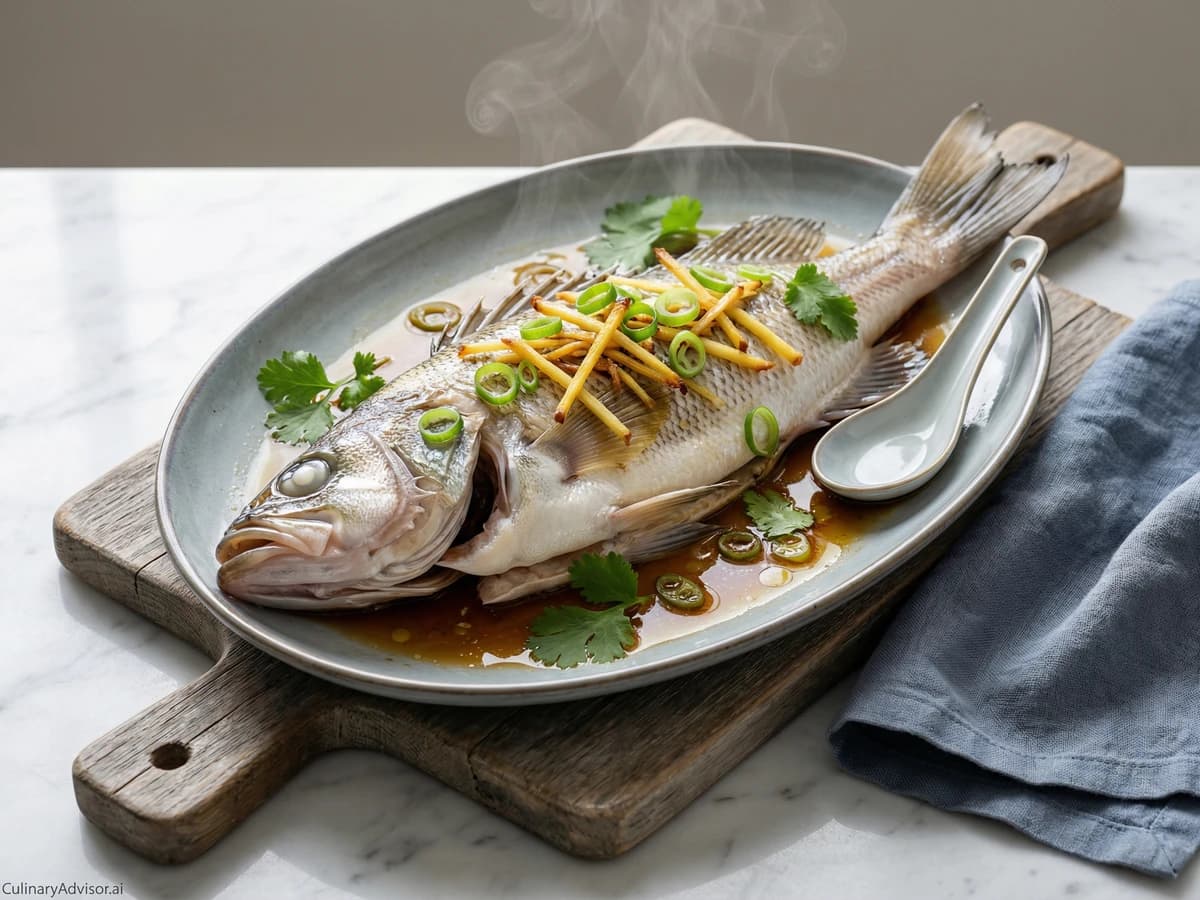
A whole Pacific rockfish steamed to silken perfection, then shocked with smoking-hot oil that sends ginger and scallions into an aromatic frenzy. This is the dish that proves simplicity requires courage.

Chef Dean
Massive, silky pork meatballs nestled in a mane of tender napa cabbage, braised until they yield to a chopstick. This is celebratory cooking that rewards patience and feeds a crowd.

Chef Dean
Silky wheat noodles stretched to extraordinary length, tossed in a savory-sweet sauce with crisp vegetables and tender pork, carrying wishes for long life into the new year.