
Chef Takumi
Abura Soba (油そば, brothless ramen)
Abura soba is ramen without the hiding place of soup: hot noodles, strong shōyu tare, fragrant oil, and the discipline to mix while every strand is still hot.
A cooking platform built around craft, culture, and the stories behind what we eat.
Created by
Tokyo's everyday ramen is not one magic pot. Build a clean chicken-dashi soup, season each bowl with soy tare, and let the noodles carry their spring.
Ramen frightens people because it arrives as one complete bowl, as if one pot somewhere did something heroic. It didn't. The bowl is an assembly: clean chicken stock, clear dashi, soy tare, chicken fat, and noodles cooked at the last moment. Separate the parts and the dish becomes reachable. Honmono, yes. Sorcery, no.
For shōyu ramen, the tare is the decision. The broth should be clear enough to carry it, not loud enough to bury it. We simmer chicken bones gently so the stock stays clean, then fold in dashi made from konbu and katsuobushi. Pull the konbu before the boil, leave the flakes alone, and don't squeeze them. These aren't temple rules for making life difficult. They protect clarity, and clarity is what lets the soy speak.
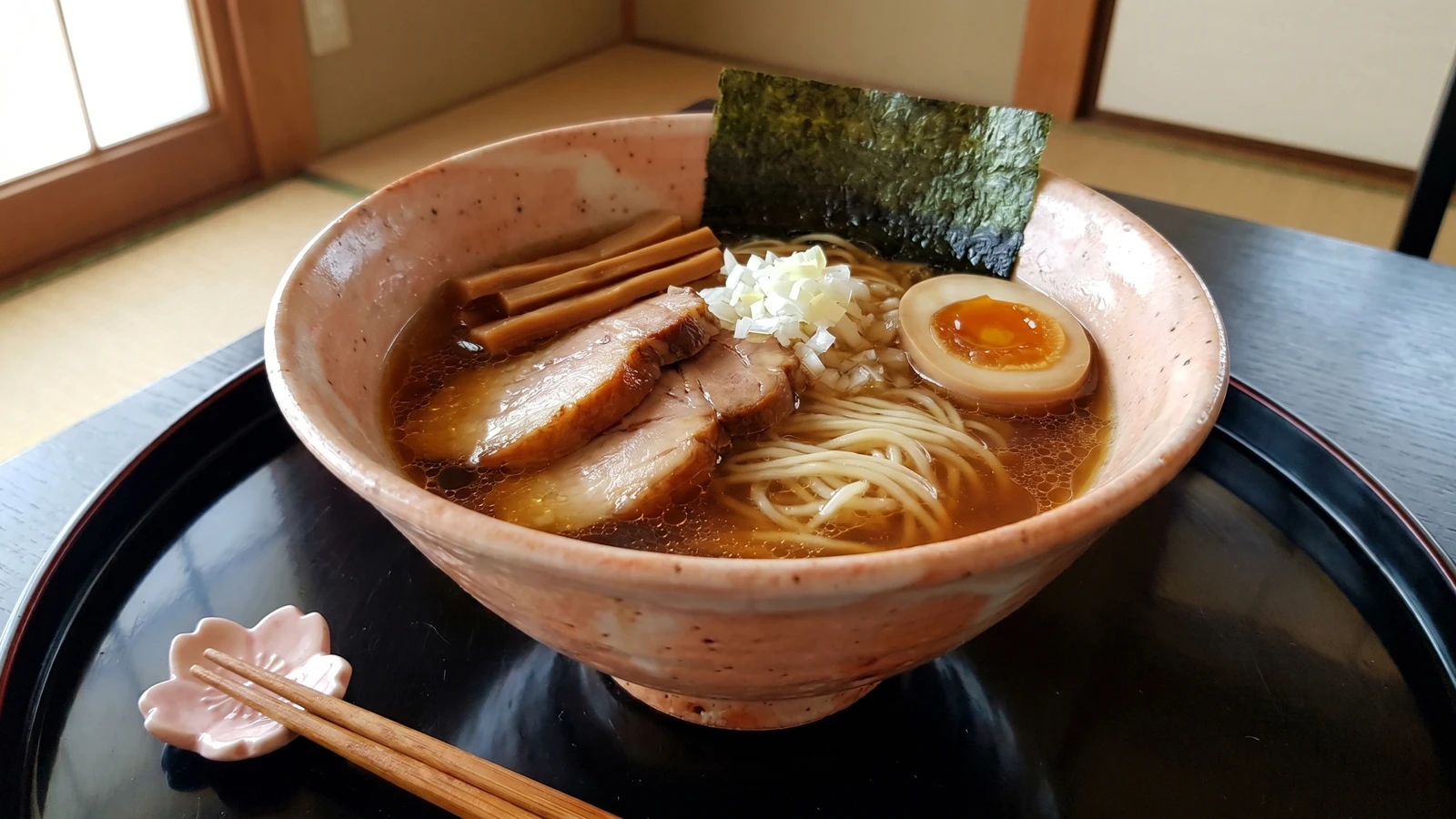
This is Tokyo's everyday bowl, the comfort of wheat noodles and soy-dark broth, eaten quickly because good noodles have no patience for conversation. Make the stock and tare ahead and it becomes a weeknight meal with ceremony only where it helps. The one thing to watch is the seasoning in the bowl: tare first, soup second, noodles last. Once you understand that order, ramen stops looming over you and starts behaving like supper.
Ramen developed from Chinese wheat-noodle shops in Japan in the late nineteenth and early twentieth centuries, when it was often sold as Shina soba or Chūka soba. Tokyo's soy-seasoned style is closely linked to Rairaiken, opened in Asakusa in 1910, which served a clear broth with wheat noodles, chāshū, menma, and negi to a broad city audience. After World War II, wheat flour supplies and street stalls helped ramen spread nationally, but shōyu ramen remained the Tokyo reference bowl.
Quantity
2 lb
preferably with skin and joints
Quantity
8 cups
Quantity
1 long onion or 4 scallions
green parts cut into lengths, white parts thinly sliced
Quantity
3 thin slices
Quantity
2
lightly crushed
Quantity
3 cups
Quantity
1 piece (about 8g)
Quantity
20g
divided
Quantity
3/4 cup
Quantity
1/4 cup
Quantity
1/4 cup
Quantity
1 teaspoon
Quantity
1 teaspoon
Quantity
1 small
Quantity
3 tablespoons
skimmed from the stock or prepared
Quantity
600g
Quantity
8 to 12 thin slices
warmed
Quantity
4
halved
Quantity
1/2 cup
Quantity
4 small sheets
Quantity
to taste
| Ingredient | Quantity |
|---|---|
| chicken backs, necks, or wingspreferably with skin and joints | 2 lb |
| cold water for chicken stock | 8 cups |
| Japanese long onion (negi) or scallionsgreen parts cut into lengths, white parts thinly sliced | 1 long onion or 4 scallions |
| fresh ginger | 3 thin slices |
| garlic cloves (optional)lightly crushed | 2 |
| cold water for dashi | 3 cups |
| konbu (dried kelp) | 1 piece (about 8g) |
| katsuobushi (bonito flakes)divided | 20g |
| koikuchi shōyu (dark Japanese soy sauce) | 3/4 cup |
| sake | 1/4 cup |
| mirin | 1/4 cup |
| sea salt | 1 teaspoon |
| sugar | 1 teaspoon |
| dried shiitake mushroom | 1 small |
| chicken fat (chi-yu)skimmed from the stock or prepared | 3 tablespoons |
| fresh medium-thin ramen noodles | 600g |
| chāshūwarmed | 8 to 12 thin slices |
| ajitsuke tamago or soft-boiled eggs (optional)halved | 4 |
| menma (seasoned bamboo shoots) | 1/2 cup |
| nori | 4 small sheets |
| white pepper (optional) | to taste |
Put the chicken bones in a stockpot and cover them with cold water by an inch. Bring to a boil and cook 3 minutes, until gray foam and clotted blood rise, then drain. Rinse the pot, and rinse the blanched bones under a gentle stream, rubbing away dark bits. This first water is not broth worth saving; it carries the murk that would cloud the clean soup.
Return the bones to the clean pot with 8 cups cold water, the green parts of the negi, ginger, and garlic if using. Bring just to a simmer, skim once, then keep it quiet for 90 minutes. The bubbles should be small and lazy. A hard boil breaks fat and protein into the broth and makes it heavy, when Tokyo shōyu ramen wants a clear stock that can carry the tare.
Strain the stock through a fine-mesh strainer without pressing on the bones or aromatics. Pressing gives you a few more spoonfuls and a duller broth, a poor bargain. You want about 6 cups. If you have less, the dashi can make up the difference.
Wipe the konbu with a damp cloth, but don't wash it. Put it in 3 cups cold water and warm it slowly. Pull the konbu out when the water trembles and small bubbles climb the pot, before it boils. Add 15g of the katsuobushi, take the pot off the heat, and leave it alone for 3 minutes. Strain through a cloth and let it drip on its own. Don't squeeze, because squeezing presses oily, strong flavors into the clear stock.
Put the sake and mirin in a small saucepan and simmer 2 minutes to cook off the raw alcohol. Add the shōyu, salt, sugar, and dried shiitake, then warm only until the edges quiver. Turn off the heat, add the remaining 5g katsuobushi, and steep 10 minutes. Strain without pressing. This is tare, the seasoning sauce, and it is the decision in the bowl: soy aroma, salt, sweetness, and depth held in one small measure.
Combine 6 cups chicken stock with 2 cups dashi and warm it gently. It should taste clean and a little unfinished, because it is not seasoned yet. That is correct. The tare finishes each bowl, so don't salt the whole pot and trap yourself.
Fill four donburi bowls with hot water, then tip the water out just before assembly. Warm the chāshū and menma in a small ladleful of soup, halve the eggs if using, set the nori nearby, and keep the sliced negi dry. Cold bowls and cold toppings steal heat from the noodles, and ramen is a dish with a short temper.
Bring a large pot of unsalted water to a rolling boil. Loosen the noodles with your fingers and cook one or two portions at a time, usually 60 to 90 seconds for fresh noodles. Taste early. They should be springy at the center. Don't cook them in the soup, because their surface starch would cloud the broth and dull the tare. Drain hard with several firm shakes.
Add 2 tablespoons tare and 2 teaspoons chicken fat to each warm bowl. Ladle in about 1 3/4 cups of the hot chicken-dashi soup and stir once. Taste one spoonful. If it tastes flat, add tare by the teaspoon. If it tastes sharp, add more soup. Bowl by bowl is the old ramen shop logic brought home, and it keeps the seasoning honest.
Slide the drained noodles into each bowl, then lift and fold them once with chopsticks so they sit neatly instead of clumping. Lay the chāshū to one side, set one or two egg halves beside it, tuck in the nori, and gather the menma in three or five strips. Finish with sliced negi and a little white pepper if you like. Leave some amber broth showing. Serve at once, because the noodles keep cooking even while everyone admires your restraint.
1 serving (about 900g)
Culinary guides, cultural storytelling, and the editorial depth that makes cooking meaningful.
Discover Culinary ExplorerChef Takumi
Abura soba is ramen without the hiding place of soup: hot noodles, strong shōyu tare, fragrant oil, and the discipline to mix while every strand is still hot.
Chef Takumi
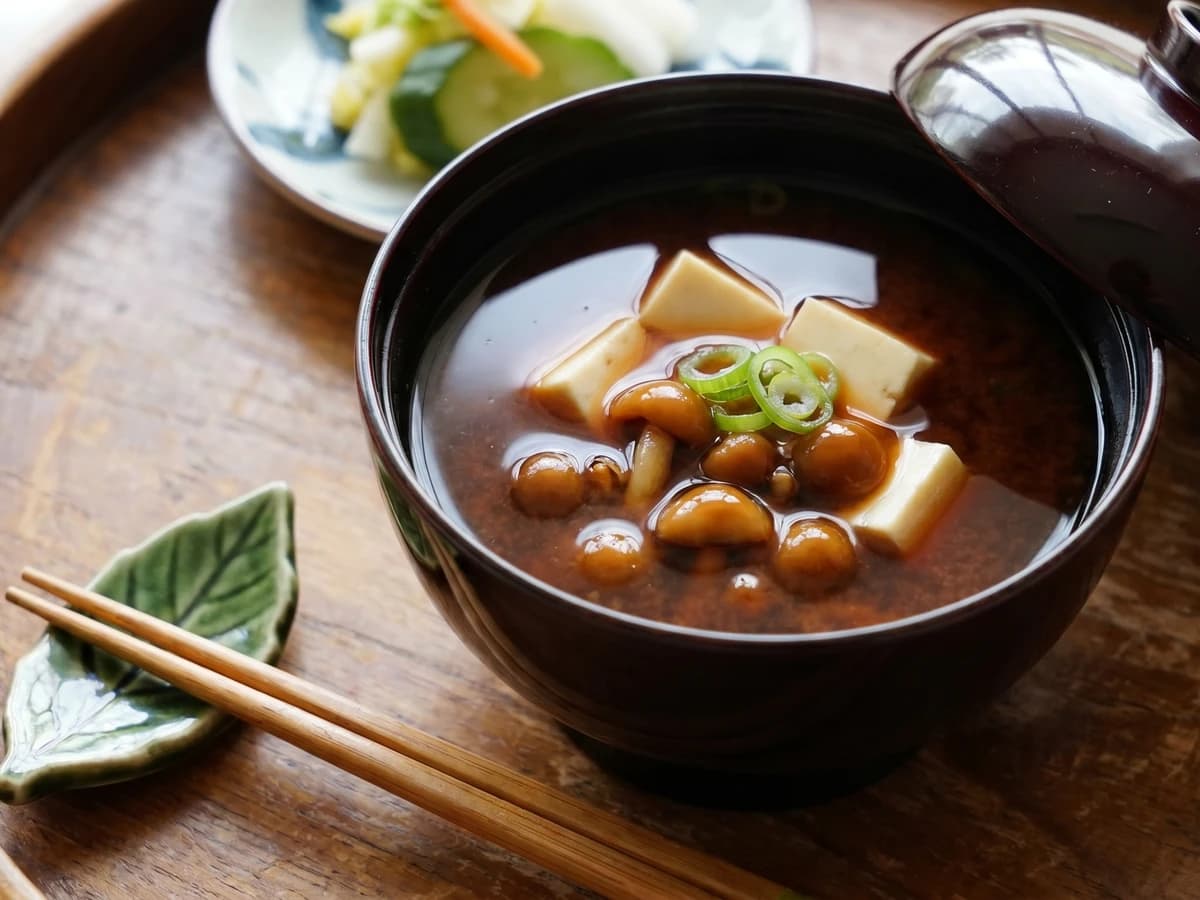
Akadashi asks you to trust the dark miso. Build a clear dashi, loosen the Hatchō mame-miso gently, and the soup turns coffee-dark, savory, and clean.

Chef Takumi
Toast the rice until its skin is firm, then let it meet chicken broth, burdock, maitake, and seri. The pot looks grand, but the work is rice, broth, and patience.
Chef Takumi
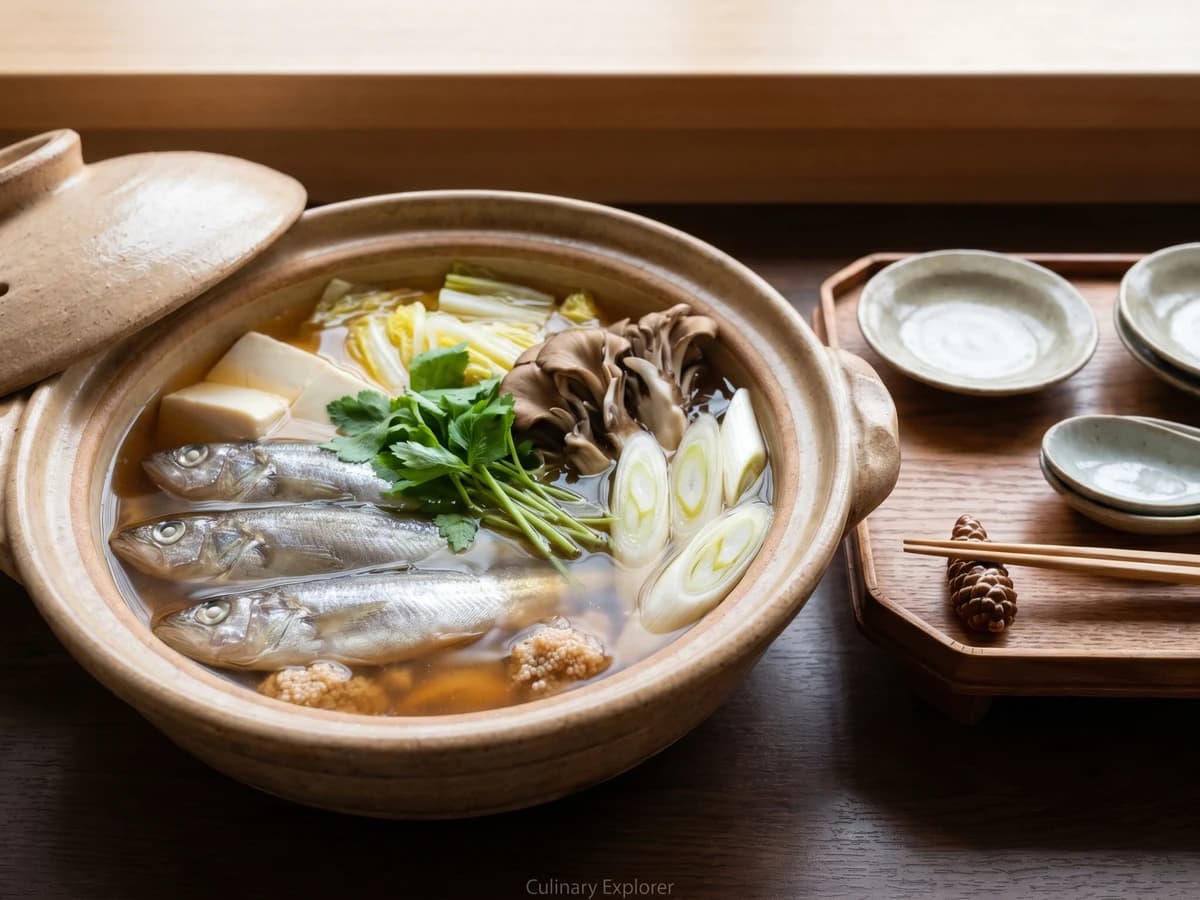
Shottsuru nabe is Akita winter in one pot: clean dashi, hatahata at shun, tofu and napa cabbage carrying a salt-deep broth without anything heavy enough to hide the fish.