Chef Graziella
Arista alla Fiorentina
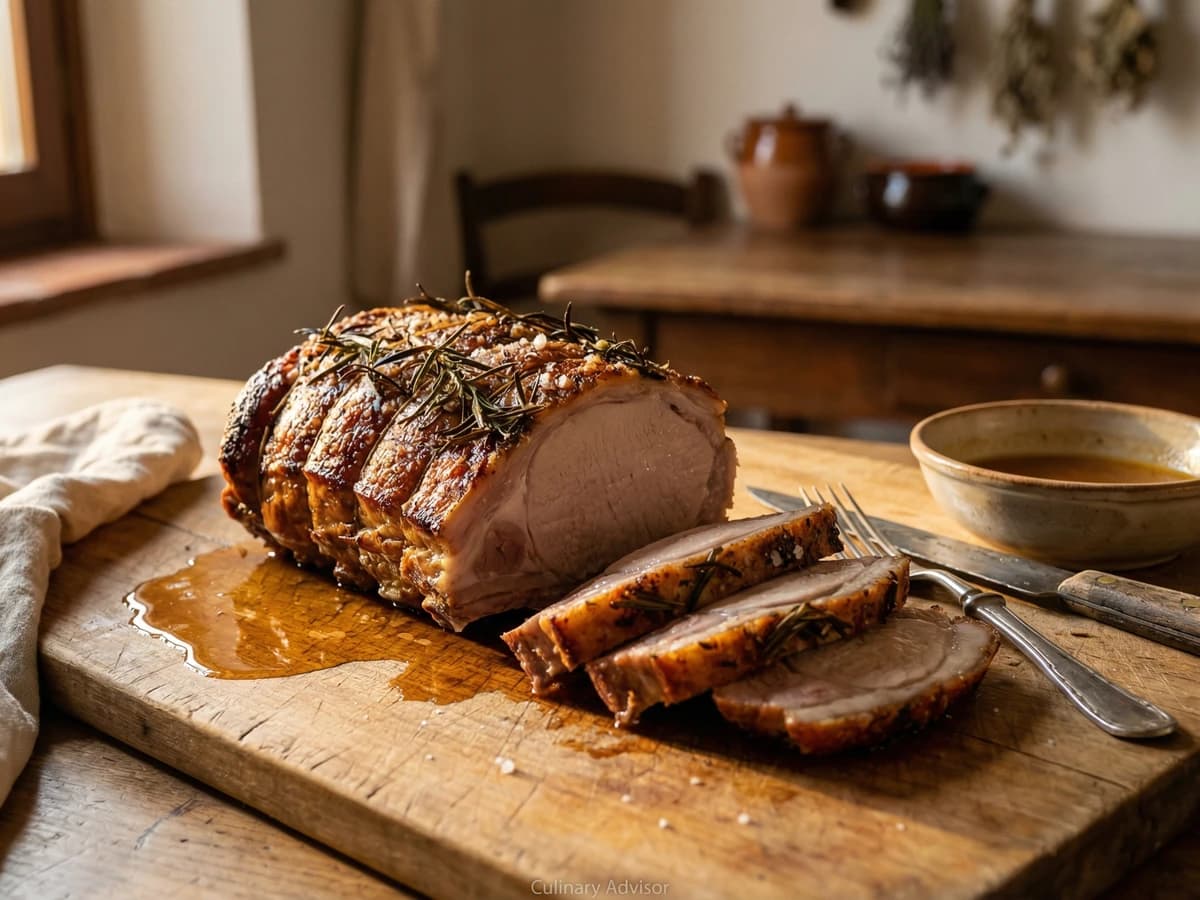
The roast pork of Florence: bone-in loin studded with rosemary and garlic, nothing more. This is the dish that earned its name from a Byzantine bishop who declared it aristos, the best.
A cooking platform built around craft, culture, and the stories behind what we eat.

Created by
The elegant vegetable custard of Northern Italy, turned out from its mold like a gift and blanketed with the silken cheese sauce of the Alps. This is not a soufflé. It does not fall. It waits for you.
Asformato is not a soufflé, and the distinction matters. A soufflé is a performance, demanding that guests rush to the table before it collapses. A sformato is hospitality. It holds its shape. It can wait. It unmolds with the confidence of something that knows what it is.
The word means 'unmolded,' and this tells you everything about the dish's purpose. You build it in a buttered form, bake it in a water bath until set, then turn it out onto a warm plate where it stands, composed and patient, ready to receive its sauce. Northern Italian cooks have done this for generations with vegetables from artichokes to zucchini. Spinach is perhaps the most refined.
The fonduta that blankets this sformato comes from the Valle d'Aosta, where Fontina cheese has been made in Alpine caves for centuries. True Fontina, stamped with the Matterhorn, melts into something extraordinary when coaxed with egg yolks and butter. Together, the verdant custard and the golden sauce create a dish of quiet elegance. Simple does not mean easy. Both components demand attention. The spinach must surrender every drop of water. The fonduta must never boil. Patience rewards you with something no restaurant can replicate.
Sformati appear in Italian cookbooks as early as the Renaissance, though they reached their refined form in the aristocratic kitchens of Piedmont and Tuscany during the 18th century. The pairing with fonduta reflects the culinary exchange between these northern regions, where mountain cheeses and valley vegetables met on the tables of families who understood that restraint, not abundance, defined elegance.
Quantity
2 pounds
stems removed
Quantity
4 tablespoons, plus more for the mold
Quantity
3 tablespoons
Quantity
1 1/2 cups
warmed
Quantity
1/8 teaspoon
freshly grated
Quantity
4
Quantity
3/4 cup
freshly grated
Quantity
to taste
Quantity
to taste
freshly ground
Quantity
1/2 pound
rind removed, cut into small cubes
Quantity
1 cup
Quantity
3
Quantity
2 tablespoons
cold, cut into pieces
| Ingredient | Quantity |
|---|---|
| fresh spinachstems removed | 2 pounds |
| unsalted butter | 4 tablespoons, plus more for the mold |
| all-purpose flour | 3 tablespoons |
| whole milkwarmed | 1 1/2 cups |
| nutmegfreshly grated | 1/8 teaspoon |
| large eggs | 4 |
| Parmigiano-Reggianofreshly grated | 3/4 cup |
| kosher salt | to taste |
| black pepperfreshly ground | to taste |
| Fontina Val d'Aostarind removed, cut into small cubes | 1/2 pound |
| whole milk for fonduta | 1 cup |
| large egg yolks | 3 |
| unsalted butter for fondutacold, cut into pieces | 2 tablespoons |
Bring a large pot of salted water to a boil. Add the spinach and cook until completely wilted, about 2 minutes. Drain immediately and plunge into ice water to stop the cooking and preserve the color. When cool, lift the spinach by handfuls and squeeze with all your strength. Squeeze again. Then squeeze once more. Every drop of water you leave behind will ruin the texture of your sformato. The spinach should compress into a tight, dry ball.
Chop the squeezed spinach finely. In a skillet, melt 1 tablespoon of the butter over medium heat. Add the chopped spinach and cook, stirring, for 3 to 4 minutes. Any remaining moisture will evaporate. The spinach should be dry and separate, not clumped. Season lightly with salt. Set aside to cool.
In a heavy saucepan, melt the remaining 3 tablespoons butter over medium heat. Add the flour and whisk constantly for 2 minutes. The mixture should bubble gently but not brown. Slowly pour in the warm milk, whisking continuously to prevent lumps. Cook, stirring often, until the sauce thickens enough to coat a spoon, about 5 minutes. Remove from heat and stir in the nutmeg. Season with salt and pepper.
Heat the oven to 325 degrees. Generously butter a 6-cup charlotte mold, soufflé dish, or straight-sided baking dish. Butter the bottom, butter the sides, then butter them again. Dust lightly with flour, tapping out the excess. Set a kettle of water to boil for the water bath.
In a large bowl, beat the eggs until blended. Gradually stir in the warm béchamel, whisking constantly so the eggs do not scramble. Add the Parmigiano-Reggiano and stir until incorporated. Fold in the cooled spinach, distributing it evenly throughout. Taste for seasoning. The mixture should be well seasoned; it will seem slightly bland when cold but will be correct when warm.
Pour the mixture into the prepared mold. Set the mold in a larger baking pan and place in the oven. Carefully pour the boiling water into the outer pan until it reaches halfway up the sides of the mold. Bake until the sformato is set around the edges but still slightly wobbly in the very center, 45 to 50 minutes. A knife inserted near the center should come out clean. Remove the mold from the water bath and let rest for 10 minutes.
While the sformato bakes, prepare the fonduta. Place the cubed Fontina in a bowl and cover with the milk. Let it soak at room temperature for at least 30 minutes, or up to 2 hours. The cheese will soften and begin to absorb the milk. This makes it melt smoothly.
Set a heatproof bowl over a pot of barely simmering water. The bowl should not touch the water. Add the Fontina with its soaking milk. Stir constantly with a wooden spoon as the cheese melts, about 5 minutes. When smooth, remove from heat briefly. Whisk the egg yolks in a small bowl, then stir a spoonful of the warm cheese mixture into the yolks to temper them. Add the tempered yolks to the cheese, stirring constantly. Return to the gentle heat and stir until the sauce thickens enough to coat the spoon, 2 to 3 minutes. The fonduta must not boil or the eggs will curdle.
Remove the fonduta from heat. Whisk in the cold butter pieces, one at a time, until each is incorporated. The butter adds gloss and richness. Season with a pinch of salt and white pepper if needed. The sauce should be pourable but not thin. Keep warm over the hot water, off the heat, while you unmold the sformato.
Run a thin knife around the edge of the sformato. Place a warm serving plate over the mold, then invert them together with confidence. Lift away the mold. The sformato should release cleanly, standing tall and pale green. Spoon the warm fonduta over the top, letting it cascade down the sides. Serve immediately, cutting into wedges at the table. The contrast of the verdant custard and the golden sauce is part of the pleasure.
1 serving (about 250g)
Culinary guides, cultural storytelling, and the editorial depth that makes cooking meaningful.
Discover Culinary ExplorerChef Graziella
The roast pork of Florence: bone-in loin studded with rosemary and garlic, nothing more. This is the dish that earned its name from a Byzantine bishop who declared it aristos, the best.

Chef Graziella
The T-bone of Florence, thick as three fingers and charred over blazing coals, rested until the juices settle, finished with nothing but salt and the best olive oil Tuscany can offer.
Chef Graziella
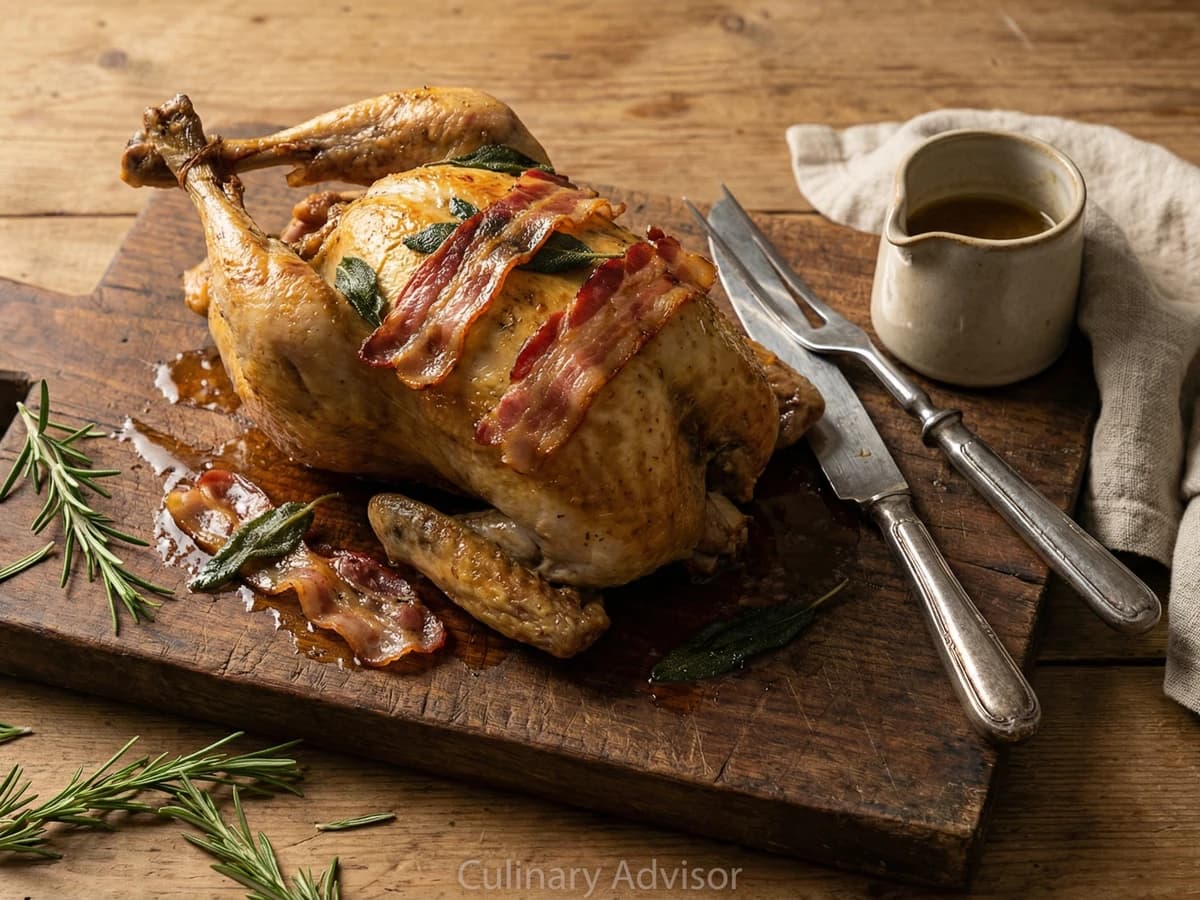
The noble guinea fowl of Tuscan farmhouses, wrapped in pancetta, perfumed with sage, roasted until the skin shatters and the meat stays moist. This is what Italians bring to the table when ordinary poultry will not serve.

Chef Graziella
The ancient grain of the Garfagnana, simmered with whatever the garden offers and finished with the green-gold olive oil that Tuscany produces better than anywhere else. Peasant food that sustained Roman legions and Tuscan farmers alike.