Chef Graziella
Arista alla Fiorentina
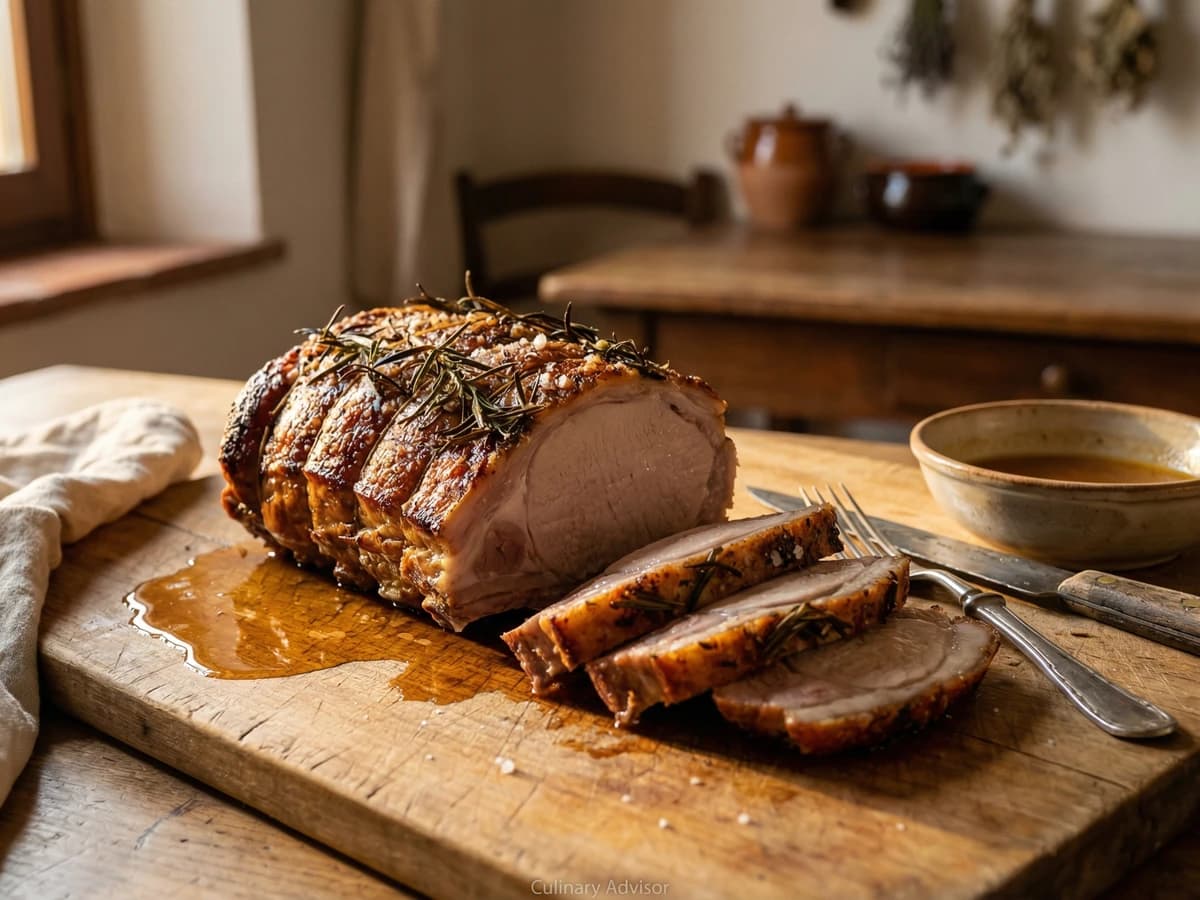
The roast pork of Florence: bone-in loin studded with rosemary and garlic, nothing more. This is the dish that earned its name from a Byzantine bishop who declared it aristos, the best.
A cooking platform built around craft, culture, and the stories behind what we eat.
Created by
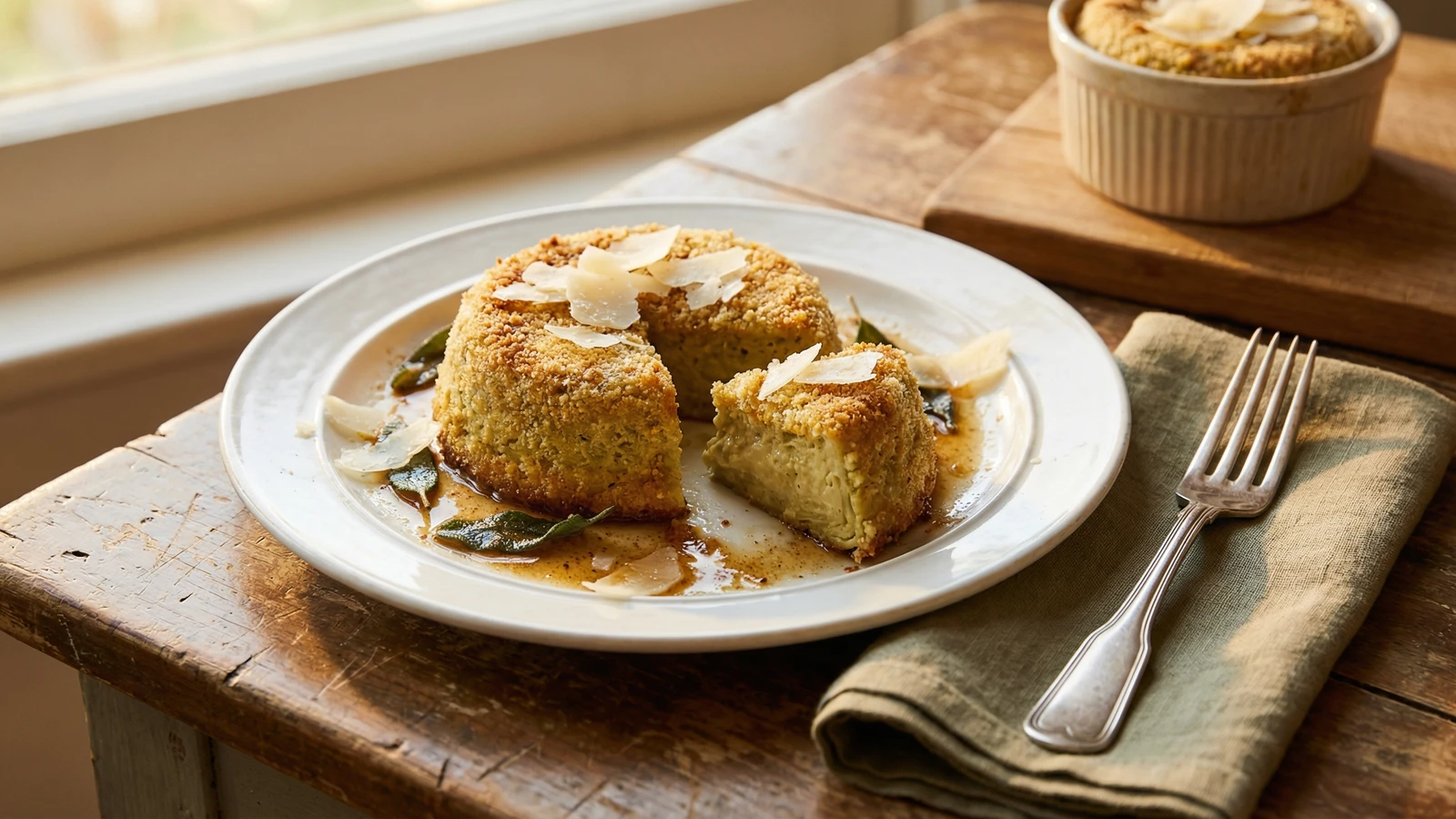
A Tuscan spring tradition: artichoke hearts pureed with besciamella and eggs, baked in ramekins until just set, then unmolded to reveal their golden crust. This is not a soufflé. It does not fall.
Sformato is the most refined expression of Italian vegetable cookery. The name comes from sformare, to unmold, and the unmolding is the whole point. You butter a mold, coat it with breadcrumbs, fill it with a silken vegetable custard, and bake it until just set. Then you turn it out onto a plate and hope.
The sformato does not rise like a soufflé and cannot fall like one either. It holds its shape because the besciamella and eggs create a stable custard. You may serve it an hour after baking and it will still look dignified. This makes it superior for entertaining, when the last thing you need is a dish that demands split-second timing.
Artichokes are the classic filling for spring, when the first tender globes appear in Tuscan markets. The work of cleaning them is tedious. You will discard more than you keep. But the heart of the artichoke, that pale tender center, has a sweetness and depth that rewards every minute of preparation. There is no shortcut. Jarred artichoke hearts packed in brine taste like the jar. Frozen hearts are acceptable if you cannot find fresh, but only acceptable. The real thing is worth the effort.
In Tuscany, sformato appears at Easter dinners and spring celebrations, unmolded onto a platter and surrounded by guests who understand that such dishes represent the patience and skill of the cook. Simple does not mean easy. It means every element must be correct.
Sformato emerged from the aristocratic kitchens of Renaissance Italy, where cooks competed to create refined dishes that showcased technique and seasonal ingredients. The word first appears in cookbooks from the 1500s, though the method of baking vegetable custards in molds is certainly older. Tuscany and Piedmont both claim the tradition, and both are probably right.
Quantity
6 large (about 3 pounds)
Quantity
1
halved
Quantity
4 tablespoons
Quantity
1 small
minced fine
Quantity
1/2 cup
Quantity
to taste
Quantity
to taste
freshly ground
Quantity
3 tablespoons
Quantity
3 tablespoons
Quantity
1 1/2 cups
warmed
Quantity
1/8 teaspoon
freshly grated
Quantity
4
Quantity
1 cup
freshly grated
Quantity
for molds
| Ingredient | Quantity |
|---|---|
| globe artichokes | 6 large (about 3 pounds) |
| lemonhalved | 1 |
| unsalted butter for artichokes | 4 tablespoons |
| shallotminced fine | 1 small |
| dry white wine | 1/2 cup |
| kosher salt | to taste |
| white pepperfreshly ground | to taste |
| unsalted butter for besciamella | 3 tablespoons |
| all-purpose flour | 3 tablespoons |
| whole milkwarmed | 1 1/2 cups |
| nutmegfreshly grated | 1/8 teaspoon |
| large eggs | 4 |
| Parmigiano-Reggianofreshly grated | 1 cup |
| fine dry breadcrumbs | for molds |
Fill a large bowl with cold water and squeeze in the juice of one lemon half. Drop in the squeezed lemon. This prevents your artichokes from turning black the moment you expose their flesh to air. Have this ready before you touch a single artichoke.
Working with one artichoke at a time, snap off the tough outer leaves until you reach the pale yellow-green inner leaves. Cut off the top third of the artichoke, where the leaves are still tough. Trim the stem to one inch and peel away its fibrous outer layer. Cut the artichoke in half lengthwise. Using a small spoon, scrape out the fuzzy choke and any purple-tipped inner leaves. Rub all cut surfaces with the remaining lemon half and drop immediately into the acidulated water. Repeat with remaining artichokes.
Drain the artichoke hearts and slice them thin. In a large skillet, melt the 4 tablespoons butter over medium heat. Add the shallot and cook until soft, about 2 minutes. Add the sliced artichokes and toss to coat with butter. Season with salt and white pepper. Add the wine and let it bubble until nearly evaporated. Reduce heat to low, cover, and cook until the artichokes are completely tender and can be mashed with a fork, 20 to 25 minutes. Check occasionally and add a splash of water if the pan becomes dry.
Transfer the cooked artichokes to a food processor. Pulse until you have a smooth puree. Scrape down the sides. The texture should be fine and uniform, with no fibrous pieces remaining. Set aside to cool slightly.
In a medium saucepan, melt the 3 tablespoons butter over medium heat. Add the flour all at once and whisk constantly for 2 minutes. The mixture should bubble gently but not brown. Slowly pour in the warm milk, whisking continuously to prevent lumps. Cook, stirring constantly, until the sauce thickens enough to coat the back of a spoon, about 5 minutes. Remove from heat and stir in the nutmeg. Season with salt and white pepper.
In a large bowl, combine the artichoke puree and the besciamella. Stir until completely uniform. Let cool to lukewarm. Beat the eggs lightly in a small bowl, then stir them into the artichoke mixture. Fold in the Parmigiano-Reggiano. Taste and adjust seasoning. The mixture should be well seasoned; flavors mute slightly when baked.
Heat the oven to 350°F. Generously butter six 6-ounce ramekins. Add a spoonful of breadcrumbs to each and rotate to coat the bottom and sides completely. Tap out excess crumbs. The coating must be even; bare spots cause sticking. Place a folded kitchen towel in a roasting pan large enough to hold all ramekins.
Divide the artichoke mixture evenly among the prepared ramekins, filling them to within half an inch of the rim. Tap each gently on the counter to settle the mixture and release air bubbles. Set the ramekins on the towel in the roasting pan. Transfer to the oven and carefully pour hot water into the pan until it reaches halfway up the sides of the ramekins. Bake until the sformati are set and golden on top, and a thin knife inserted in the center comes out clean, 35 to 40 minutes.
Remove the ramekins from the water bath and let them rest for 10 minutes. Do not skip this step. Run a thin knife around the edge of each sformato. Place a serving plate over the ramekin, invert boldly, and lift away the mold. The sformato should release cleanly, its golden breadcrumb crust now facing up. Serve warm.
1 serving (about 190g)
Culinary guides, cultural storytelling, and the editorial depth that makes cooking meaningful.
Discover Culinary ExplorerChef Graziella
The roast pork of Florence: bone-in loin studded with rosemary and garlic, nothing more. This is the dish that earned its name from a Byzantine bishop who declared it aristos, the best.

Chef Graziella
The T-bone of Florence, thick as three fingers and charred over blazing coals, rested until the juices settle, finished with nothing but salt and the best olive oil Tuscany can offer.
Chef Graziella
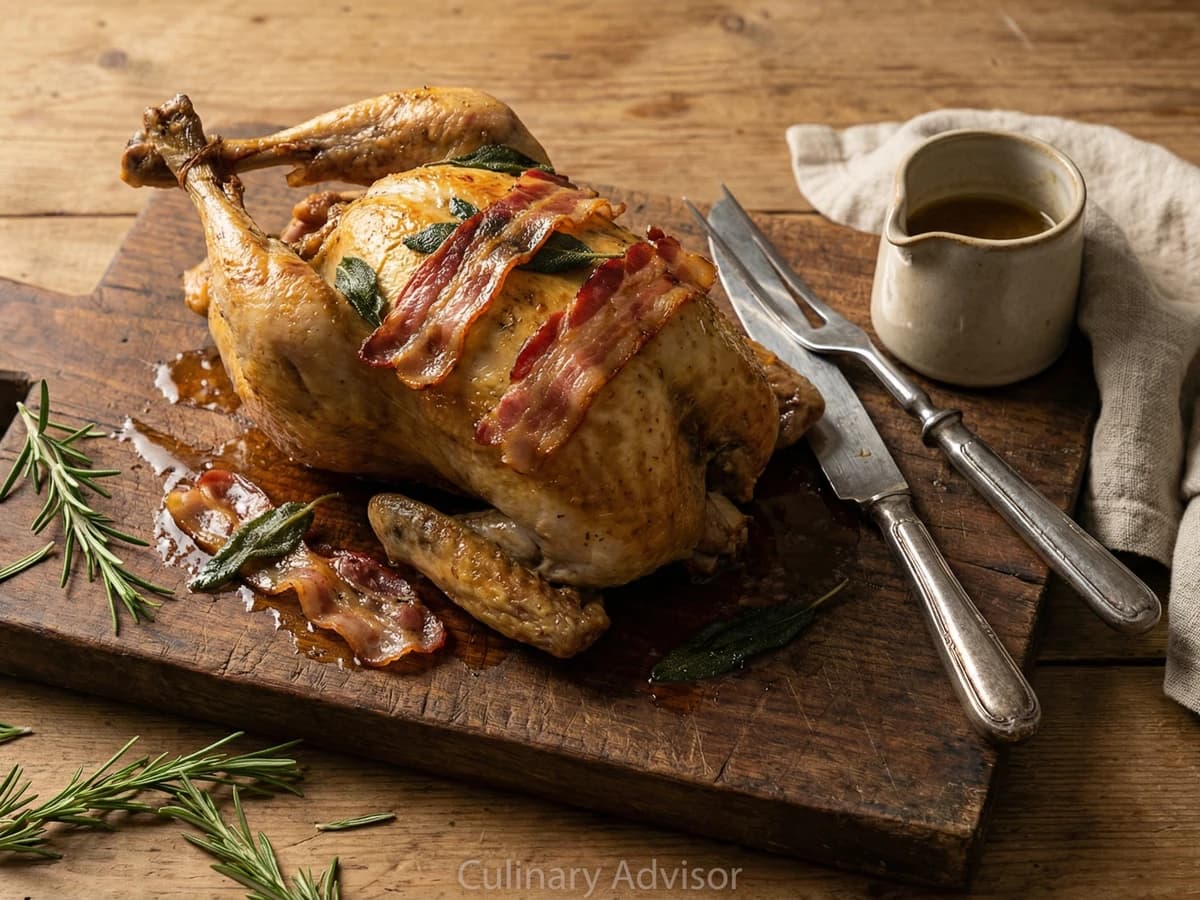
The noble guinea fowl of Tuscan farmhouses, wrapped in pancetta, perfumed with sage, roasted until the skin shatters and the meat stays moist. This is what Italians bring to the table when ordinary poultry will not serve.

Chef Graziella
The ancient grain of the Garfagnana, simmered with whatever the garden offers and finished with the green-gold olive oil that Tuscany produces better than anywhere else. Peasant food that sustained Roman legions and Tuscan farmers alike.