
Chef Graziella
Crespelle ai Funghi Trifolati
Delicate Italian crepes wrapped around mushrooms sautéed in the trifolati manner, where olive oil, a breath of garlic, and fresh parsley create something far greater than the sum of their parts.
A cooking platform built around craft, culture, and the stories behind what we eat.

Created by
A golden, shattering pastry from the Alpine north, where two ingredients between layers of butter-rich dough prove that restraint creates elegance. This is what Sunday morning should taste like.
In the Valle d'Aosta, where Italy meets France and Switzerland, breakfast is not the hurried affair Americans know. There is coffee, strong and dark. There is bread, perhaps some fruit. And on special mornings, there is something like this: puff pastry, prosciutto cotto, and Fontina from the local cows that graze in Alpine meadows.
I must tell you about the Fontina. Real Fontina Val d'Aosta has a controlled designation. It comes only from that one valley, from cows that eat grass in summer and hay in winter. The cheese melts into pools of ivory richness, slightly nutty, never stringy. Swedish or Danish imitations will not do. If you cannot find true Fontina, use Gruyère, which at least has dignity.
The prosciutto here is cotto, not crudo. Cooked ham, sliced thin. The raw cured ham would fight with the delicate cheese. Cotto surrenders, becoming silky as it warms. This is the difference between ingredients that cooperate and ingredients that compete.
Two fillings. Puff pastry. That is all. What you keep out is as significant as what you put in.
Fontina has been made in the Valle d'Aosta since at least the 13th century, when Alpine herdsmen discovered that milk from cows grazing on summer wildflowers produced cheese of remarkable character. The pairing with prosciutto cotto in pastry reflects the French influence on this border region, where butter-based pâte feuilletée became as native as polenta.
Quantity
1 pound
thawed if frozen
Quantity
6 ounces
sliced thin
Quantity
4 ounces
sliced thin
Quantity
1
Quantity
1 tablespoon
Quantity
to taste
freshly ground
| Ingredient | Quantity |
|---|---|
| all-butter puff pastrythawed if frozen | 1 pound |
| Fontina Val d'Aostasliced thin | 6 ounces |
| prosciutto cottosliced thin | 4 ounces |
| large egg | 1 |
| whole milk | 1 tablespoon |
| black pepperfreshly ground | to taste |
Remove the puff pastry from the refrigerator and let it soften just enough to unfold without cracking, about 10 minutes. Work quickly once it becomes pliable. Warm pastry does not puff. On a lightly floured surface, roll the pastry into a rectangle approximately 12 by 16 inches. The thickness should be about one-eighth inch, no more.
Arrange the Fontina slices over the bottom two-thirds of the pastry rectangle, leaving a one-inch border on all sides. Layer the prosciutto cotto evenly over the cheese. Grind black pepper generously over the ham. No salt. The cheese and ham provide enough.
Fold the empty top third of the pastry down over the middle third. Then fold the bottom third up, as you would fold a letter. Press the edges firmly to seal. You now have three layers of pastry with filling between them. Transfer to a parchment-lined baking sheet and refrigerate for 20 minutes.
Heat the oven to 400 degrees Fahrenheit. Beat the egg with the milk until smooth. Brush the top and sides of the pastry with this wash. Use a light hand. Pools of egg wash will cook into leathery patches.
Bake in the center of the oven until the pastry is deeply golden brown and puffed dramatically, 30 to 35 minutes. The color should be the shade of dark honey. Pale pastry is raw pastry. The internal temperature should register at least 190 degrees if you care to check, though your eyes will tell you when it is done.
Remove from the oven and let rest on the baking sheet for at least 10 minutes. The cheese will have melted into the layers and needs time to set slightly. Cut into rectangles or squares with a sharp serrated knife. Serve warm, when the pastry still shatters and the Fontina still pulls.
1 serving (about 95g)
Culinary guides, cultural storytelling, and the editorial depth that makes cooking meaningful.
Discover Culinary ExplorerChef Graziella
Delicate Italian crepes wrapped around mushrooms sautéed in the trifolati manner, where olive oil, a breath of garlic, and fresh parsley create something far greater than the sum of their parts.

Chef Graziella
Thin Italian crepes wrapped around fresh ricotta brightened with garden herbs. A dish that proves breakfast can be civilized, that morning can begin with restraint and grace rather than excess.
Chef Graziella
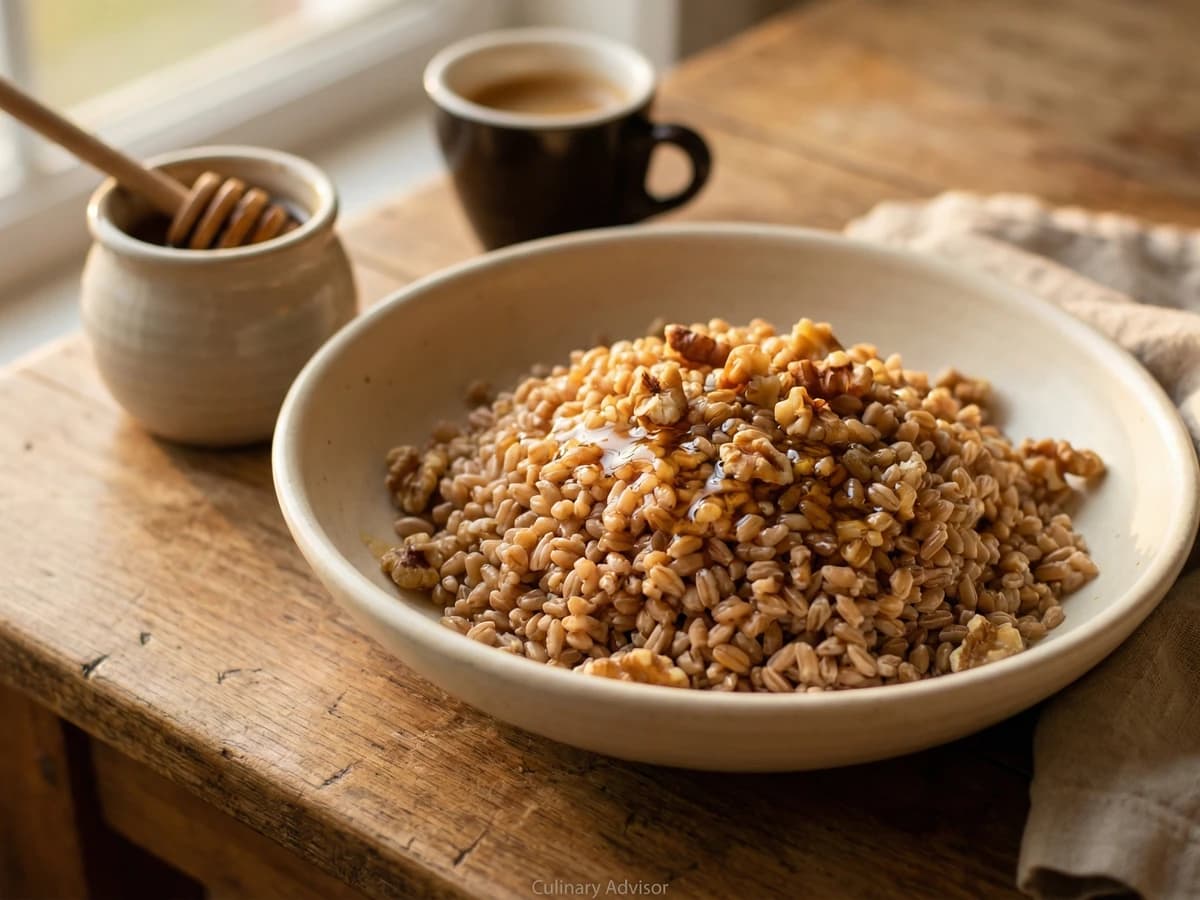
The grain that built Rome, simmered until tender with a pleasant resistance, finished with nothing but good honey and walnuts you have toasted yourself. Three ingredients. No pretense.
Chef Graziella
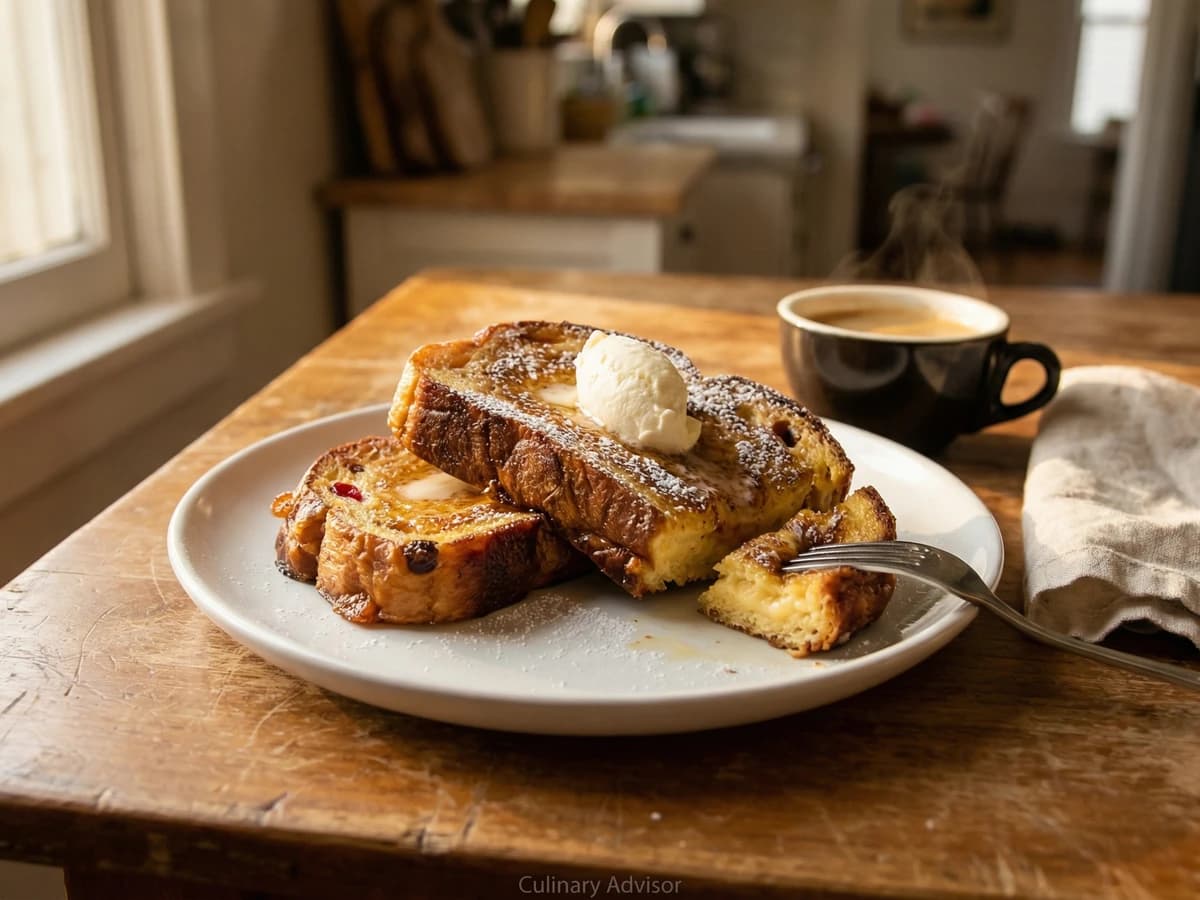
Day-old panettone reborn in a simple egg custard, griddled in butter until the edges turn golden and the candied citrus begins to caramelize. This is what Milanese grandmothers do with Christmas leftovers.