
Chef Graziella
Crespelle ai Funghi Trifolati
Delicate Italian crepes wrapped around mushrooms sautéed in the trifolati manner, where olive oil, a breath of garlic, and fresh parsley create something far greater than the sum of their parts.
A cooking platform built around craft, culture, and the stories behind what we eat.

Created by
Grilled Italian sausage with charred casing and juicy interior, requiring nothing but quality pork and the patience to cook it slowly enough that the fat renders before the skin burns.
This is not a recipe. It is an instruction in restraint.
Americans want to complicate sausage. They split it open, smother it in peppers and onions, drown it in marinara. They miss the point entirely. A good Italian sausage needs nothing but heat applied correctly. The casing should crackle when you bite through it. The fat should have rendered into the meat, basting it from within. The exterior should show the marks of the grill without the char of impatience.
The sausage itself must be worth eating. This means pork with proper fat content, seasoned simply with salt, black pepper, and perhaps fennel seed or a whisper of peperoncino. If your sausage contains fillers, extenders, or ingredients you cannot pronounce, no amount of technique will save it. Find a butcher who makes sausage the way Italian grandmothers expected it to be made, or learn to make it yourself.
What you keep out matters. No sauce. No condiments. Perhaps a piece of good bread to catch the juices. That is all.
Italian sausage-making traditions stretch back to Roman times, when preservation of pork through salting and casing became essential for feeding families through winter. Each region developed its own style: the mild, coiled luganega of Lombardy, the fennel-scented links of Tuscany, the spicy salsiccia piccante of Calabria. What unites them is the understanding that the sausage must stand alone.
Quantity
1 1/2 pounds (about 6 links)
Quantity
for brushing
Quantity
for serving
| Ingredient | Quantity |
|---|---|
| Italian pork sausage links | 1 1/2 pounds (about 6 links) |
| extra virgin olive oil | for brushing |
| crusty Italian bread (optional) | for serving |
Remove the sausages from refrigeration 30 minutes before cooking. Cold sausage placed on a hot grill will cook unevenly: the outside chars while the center remains raw. Room temperature meat cooks more gently and evenly. This is not optional.
Heat your grill to medium. Not high. This is where most people fail. High heat chars the casing before the fat inside has time to render. You want steady, moderate heat that will cook the sausage through in 15 to 20 minutes. If using a grill pan indoors, preheat it over medium heat for five minutes.
Brush the sausages lightly with olive oil. This prevents sticking and helps the casing crisp evenly. Place the sausages on the grill, leaving space between each one. Do not crowd them. Crowding creates steam instead of char.
Cook the sausages for 15 to 20 minutes total, turning them every four to five minutes to brown evenly on all sides. Resist the urge to poke or pierce them. Every hole you make lets precious fat escape. The casing exists to contain the juices. Respect it.
The sausages are done when the casing is deeply browned with grill marks, the links feel firm when pressed, and the internal temperature reaches 160°F. Cut into one if you must, but a properly cooked sausage announces itself through appearance and touch. The casing should be taut and glossy with rendered fat.
Transfer the sausages to a cutting board and let them rest for two minutes. This allows the juices to redistribute. Slice on the bias if you wish, or serve whole. The only accompaniment needed is good bread to soak up the juices. Serve immediately.
1 serving (about 135g)
Culinary guides, cultural storytelling, and the editorial depth that makes cooking meaningful.
Discover Culinary ExplorerChef Graziella
Delicate Italian crepes wrapped around mushrooms sautéed in the trifolati manner, where olive oil, a breath of garlic, and fresh parsley create something far greater than the sum of their parts.

Chef Graziella
Thin Italian crepes wrapped around fresh ricotta brightened with garden herbs. A dish that proves breakfast can be civilized, that morning can begin with restraint and grace rather than excess.
Chef Graziella
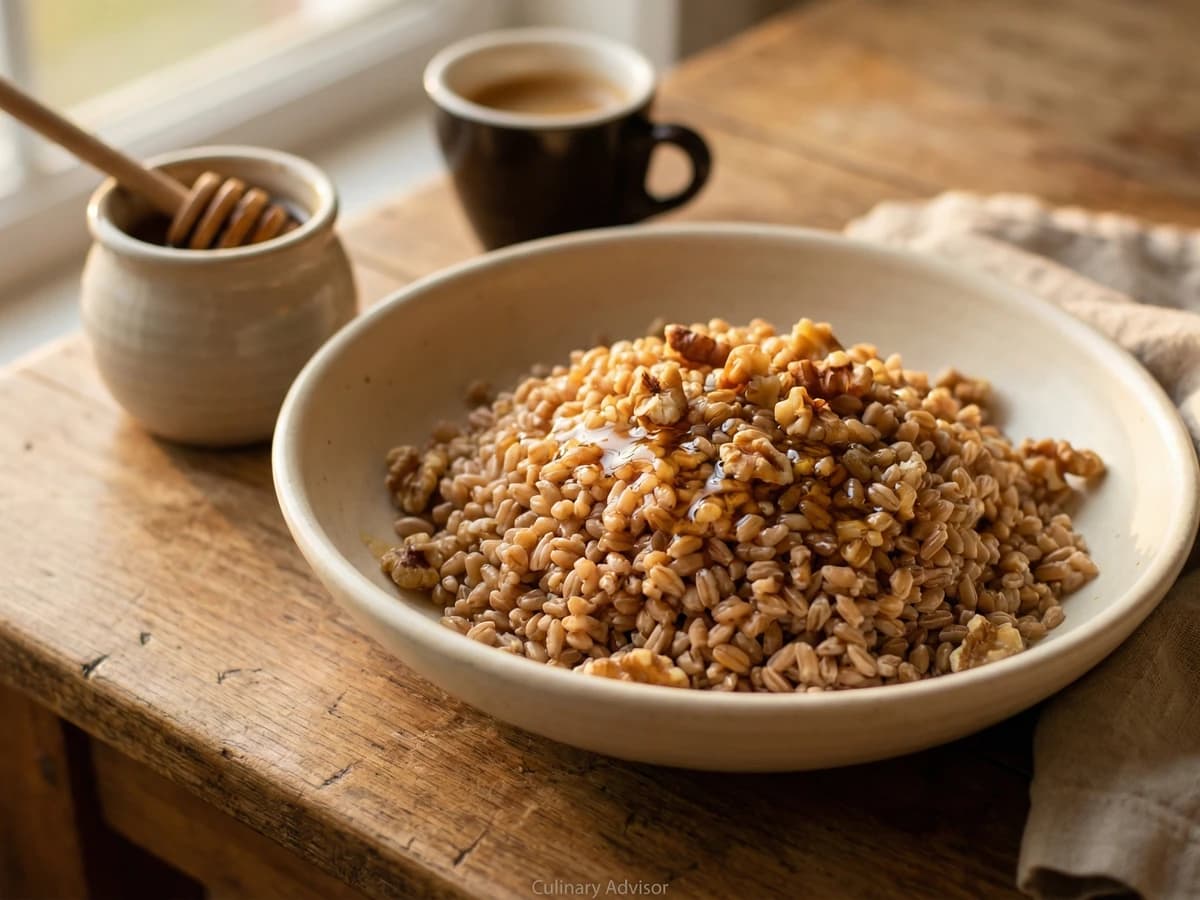
The grain that built Rome, simmered until tender with a pleasant resistance, finished with nothing but good honey and walnuts you have toasted yourself. Three ingredients. No pretense.
Chef Graziella
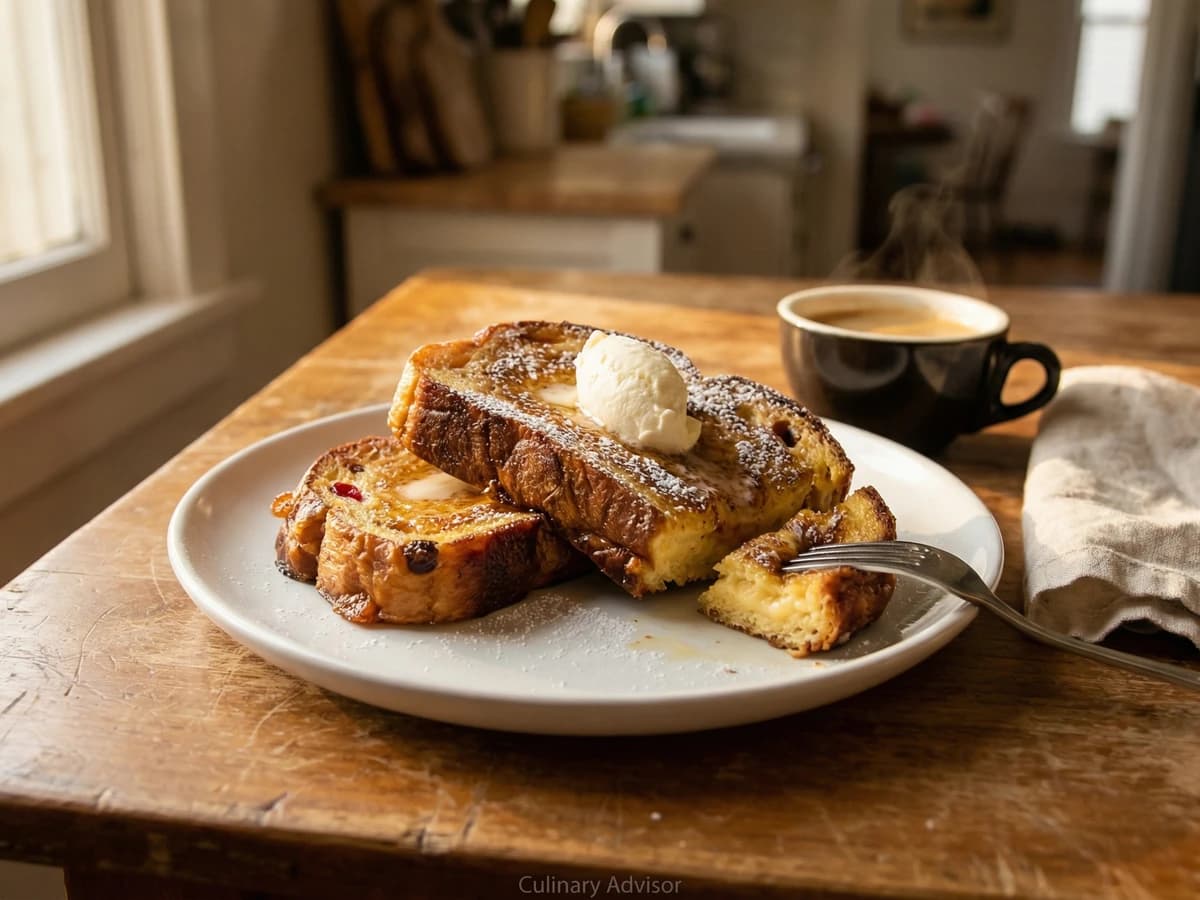
Day-old panettone reborn in a simple egg custard, griddled in butter until the edges turn golden and the candied citrus begins to caramelize. This is what Milanese grandmothers do with Christmas leftovers.