
Chef Lupita
Aceite de Chiltepin Bajacaliforniano
Baja California's wild chiltepin steeped in olive oil with garlic, orejon, and lime peel, until the oil turns ruby-amber and carries the slow, sneaky burn of the desert coast.
A cooking platform built around craft, culture, and the stories behind what we eat.

Created by
Michoacán's Meseta P'urhépecha salsa, built from blistered chile perón, orange, lime, garlic, and sal de grano, ground rough in a molcajete until the skins stay visible.
This comes from Michoacán, from the Meseta P'urhépecha and the market road between Uruapan, Pátzcuaro, and the small towns where chile perón grows beside avocado orchards. It is not a jalapeño salsa with citrus. No. The chile perón is floral, yellow-orange, thick-fleshed, with black seeds and a perfume that belongs to that cool highland soil.
I learned versions of this salsa from women selling corundas near Pátzcuaro and from a vendor in Uruapan who blistered the chiles on a blackened comal before dawn. She ground them with ajo and sal de grano, then squeezed in naranja and limón until the salsa woke up. The molcajete leaves the flesh rough, martajada, with bits of skin and seed still showing. That texture matters.
Use it with carnitas, kurucha, charales, uchepos, corundas, or a tortilla hot from the comal. If you cannot find chile perón, I will tell you the compromise, but don't pretend serrano gives you the same salsa. It does not. Cada estado, su propia cocina.
Chile perón, also called chile manzano in parts of central Mexico, belongs to Capsicum pubescens, a highland chile species recognized by its thick walls and black seeds. In Michoacán, it is tied especially to the Meseta P'urhépecha and the Uruapan-Pátzcuaro corridor, where cooler altitude lets the chile develop its floral citrus character. The wood-fired comal and molcajete technique continues the domestic cooking pattern cited in Mexico's 2010 UNESCO recognition of Traditional Mexican Cuisine, especially the Michoacán paradigm.
Quantity
6
yellow or orange, stems removed
Quantity
2
unpeeled
Quantity
1 teaspoon, plus more to taste
Quantity
1/3 cup
preferably from sweet-tart Mexican naranja
Quantity
2 tablespoons
Quantity
1 tablespoon
finely chopped
| Ingredient | Quantity |
|---|---|
| fresh chile perónyellow or orange, stems removed | 6 |
| garlic clovesunpeeled | 2 |
| sal de grano | 1 teaspoon, plus more to taste |
| fresh orange juicepreferably from sweet-tart Mexican naranja | 1/3 cup |
| fresh limón juice | 2 tablespoons |
| white onion (optional)finely chopped | 1 tablespoon |
Heat a dry comal over medium-high heat. Put the chile perón on the comal and turn them with tongs until the skins blister in black patches and the flesh softens, 6 to 8 minutes. They should smell floral and sharp, not burned. If you have a comal over leña, use it. That smoke belongs to the Meseta.
Set the unpeeled garlic cloves on the same comal and toast until the skins are spotted and the cloves soften, about 5 minutes. Peel them while warm. Garlic cooked this way turns sweet and round. Raw garlic would bully the chile.
Put the toasted garlic and sal de grano in a molcajete. Grind to a paste. Add the blistered chile perón one at a time and crush them against the stone until the salsa is rough and juicy, with visible skins and seeds. Do not make it smooth. Martajada is the point.
Stir in the orange juice and limón juice a little at a time, tasting as you go. The salsa should be bright, floral, salty, and sharp enough to cut through carnitas or fried fish. Add the chopped white onion if you want the market-stall version with a little bite.
Let the salsa sit for 10 minutes before serving so the salt pulls juice from the chile and the citrus settles into the grind. Serve in the molcajete or a small Capula clay bowl. Recetas probadas y garantizadas.
1 serving (about 30g)
Culinary guides, cultural storytelling, and the editorial depth that makes cooking meaningful.
Discover Culinary ExplorerChef Lupita
Baja California's wild chiltepin steeped in olive oil with garlic, orejon, and lime peel, until the oil turns ruby-amber and carries the slow, sneaky burn of the desert coast.

Chef Lupita
Puebla's Lenten convent adobo, a brick-red vinegar chile paste of ancho, guajillo, garlic, oregano, and comino made to dress fish for the meatless calendar.
Chef Lupita
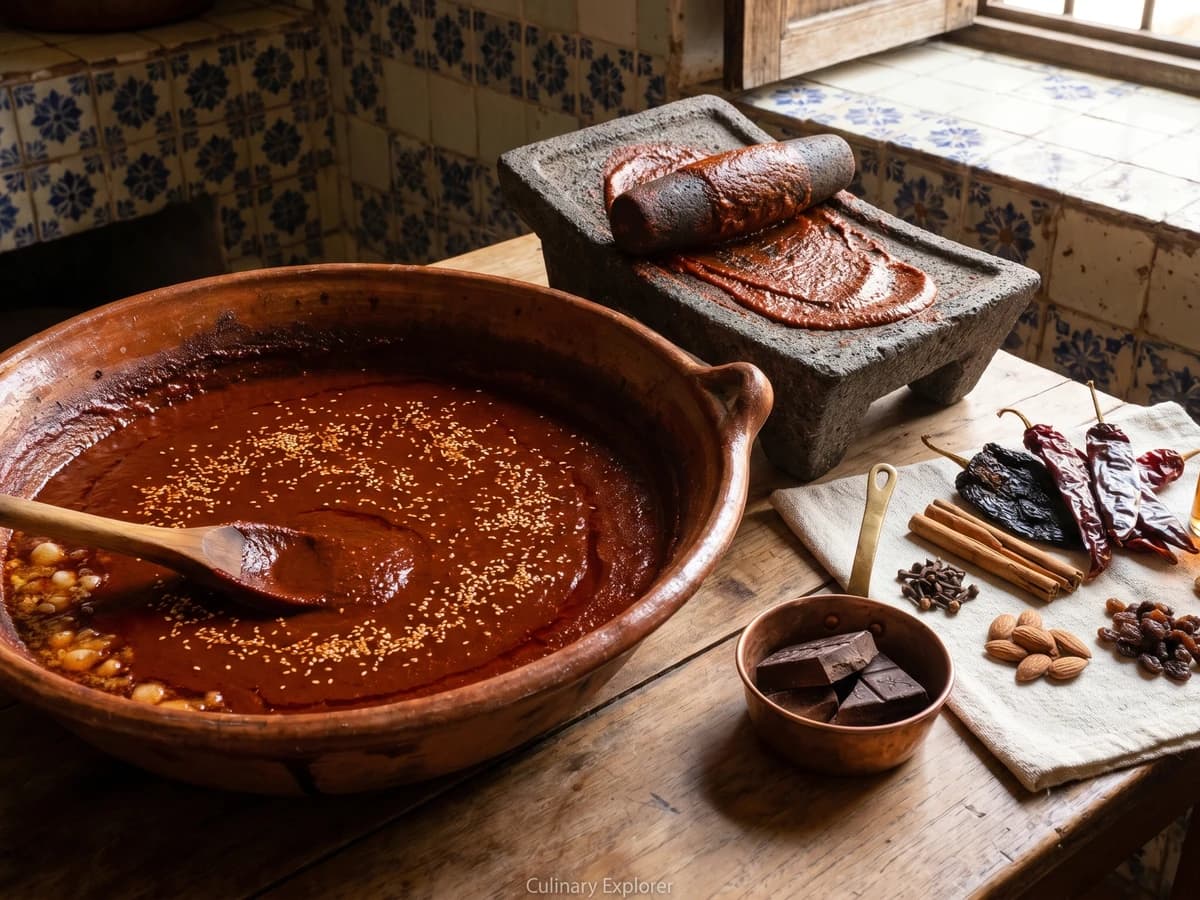
Zacatecas' wedding-table adobo, built from toasted guajillo and ancho, piloncillo, sour orange, chocolate, canela, clavo, almonds, sesame, and lard.

Chef Lupita
Puebla's convent kitchens built this adobo with ancho, guajillo, jerez, almonds, raisins, clove, and lard, a baroque marinade that stains pork loin and finishes as the sauce.