Culinary Explorer

A cooking platform built around craft, culture, and the stories behind what we eat.
Discover Culinary Explorer
Sakura Ebi Gohan (桜えびご飯, spring shrimp rice)

Sakura Ebi Gohan (桜えびご飯, spring shrimp rice)

Created by

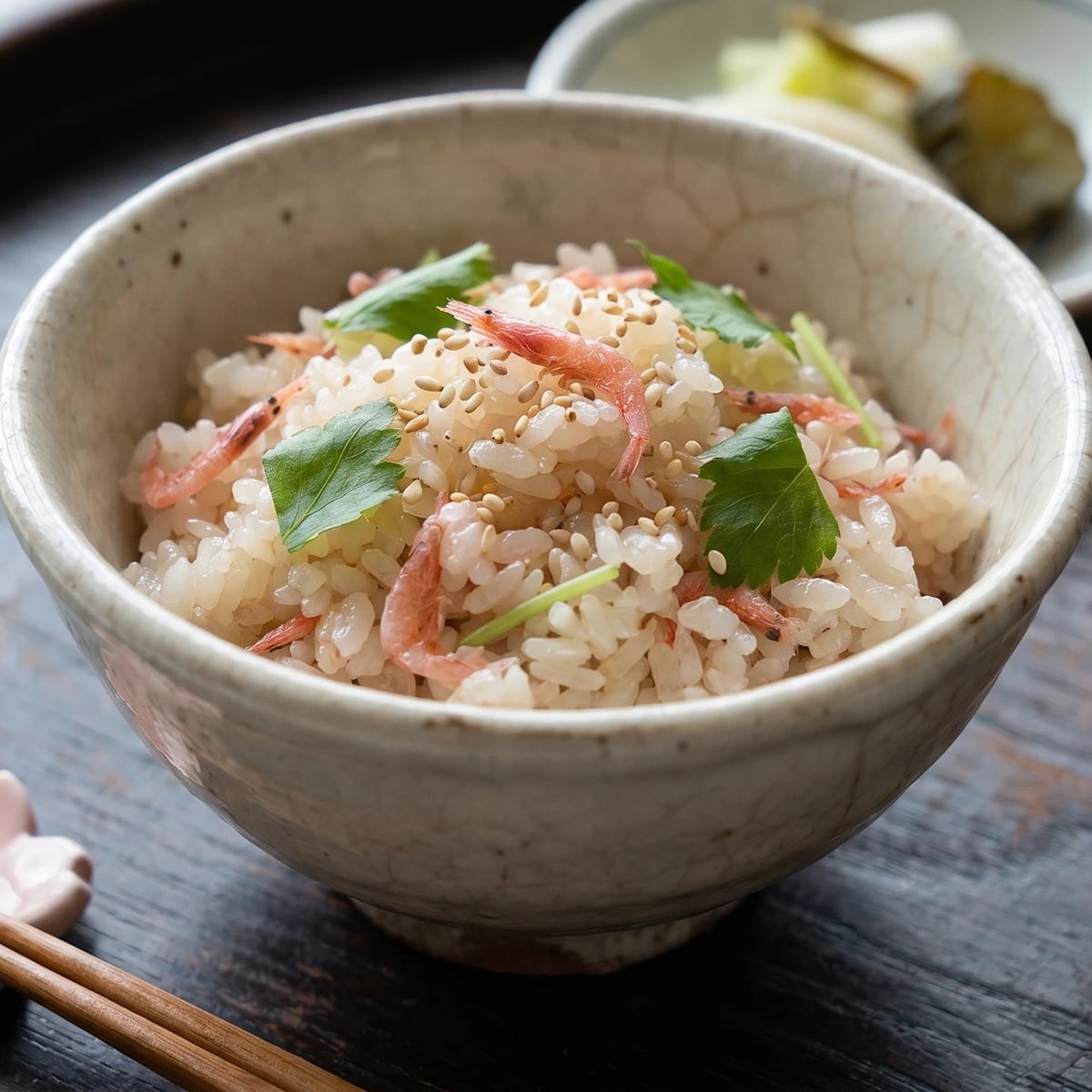
Tiny dried sakura ebi do nearly all the work here, staining the rice pale pink and giving it a sweet sea fragrance with only sake, shoyu, and patience.

Side Dishes
Japanese
Weeknight
Special Occasion
40 min
Active Time
25 min cook1 hr 5 min total
Yield4 servings

Sakura ebi are small enough to look decorative, which is how people misunderstand them. They are not decoration. These tiny pink shrimp from Suruga Bay carry a clear sweetness and a sea scent so fine that a heavy hand would be the rude guest at the table.

This rice is spring food, though dried sakura ebi let us make it beyond the fishing season without pretending it is the same as fresh. The real point is restraint. Toast the shrimp just until their aroma wakes, then cook the rice with dashi, sake, and a little shoyu. Too much seasoning makes the rice taste brown and busy. We want it pale, fragrant, and honest.

The detail that decides it is the water level. Rinse the rice well, soak it, then count the dashi and seasonings together as the cooking liquid. Rice doesn't forgive a careless extra splash. Once it cooks, let it rest before you lift the lid, because those ten quiet minutes finish the grain more gently than more heat ever will.

Serve sakura ebi gohan beside grilled fish, a clear soup, and a small vinegared dish, or let it be the gentle color on a weeknight table. Leave it room in the bowl. Spring has never needed much shouting.

Sakura ebi are closely tied to Suruga Bay in Shizuoka Prefecture, one of the few places in Japan where they are landed in quantity. Commercial fishing for them began in the late nineteenth century, and the shrimp are still famously dried on the banks near the Fuji River, where their pink color spreads across the ground in spring and autumn. The name means cherry-blossom shrimp, a reference to both their color and their spring-season association.

The technique, the tradition, and the story behind every dish.

Discover Culinary Explorer

Ingredients

Japanese short-grain rice

Quantity

2 rice cooker cups (about 300g)

dashi

Quantity

2 cups, cooled

plus more or water as needed

dried sakura ebi

Quantity

25g

sake

Quantity

1 tablespoon

usukuchi shoyu (light soy sauce)

Quantity

1 tablespoon

or 2 teaspoons regular shoyu

sea salt

Quantity

1/2 teaspoon

toasted white sesame seeds (optional)

Quantity

1 teaspoon

mitsuba leaves (optional)

Quantity

2 tablespoons

roughly chopped

Equipment Needed

  • Rice cooker, or a heavy pot with a tight lid
  • Fine-mesh sieve
  • Rice paddle (shamoji), or a broad wooden spoon
  • Dry skillet

Instructions

  1. 1

    Wash the rice

    Put the rice in a bowl and cover it with cool water. Swirl with your hand, pour off the cloudy water, and repeat until the water runs almost clear. This washes away loose starch so the finished grains cook cleanly and separate, instead of turning heavy and sticky.

  2. 2

    Soak the rice

    Drain the washed rice in a sieve for 10 minutes, then put it in the rice cooker bowl or a heavy pot. Add the cooled dashi and let the rice soak for 20 minutes. Soaking gives the center of each grain time to drink before heat reaches it, which is why the rice cooks evenly all the way through.

    Use cooled dashi. Warm liquid starts softening the outside of the grain before the center has caught up.
  3. 3

    Toast the shrimp

    While the rice soaks, put the dried sakura ebi in a dry skillet over low heat and stir for 1 to 2 minutes, just until they smell sweet and nutty. Don't brown them hard. The point is to wake their fragrance, not turn their delicate sea sweetness bitter.

  4. 4

    Season the liquid

    Add the sake, usukuchi shoyu, and salt to the rice and dashi. If using a rice cooker, add a little more dashi or water only until the liquid reaches the 2-cup line. If using a pot, use about 2 cups total liquid including the sake and shoyu. Count the seasonings as liquid, because rice counts everything.

  5. 5

    Cook the rice

    Scatter most of the toasted sakura ebi over the rice, saving a small handful for the finish. Do not stir them through yet, or the seasoning settles unevenly and the rice can cook patchy. Cook on the normal white-rice setting, or bring a covered pot to a boil, reduce to very low, cook 13 minutes, then turn off the heat.

  6. 6

    Rest and fold

    Leave the rice covered for 10 minutes after cooking. This rest finishes the grain and lets the surface moisture settle back in. Open the lid, scatter over the reserved sakura ebi, then fold from the bottom with a rice paddle, cutting and lifting rather than mashing. The rice should be glossy, separate, and faintly pink.

  7. 7

    Finish lightly

    Spoon the rice into small bowls with a little height and finish with sesame seeds and mitsuba if using. Keep the garnish modest. The shrimp are the voice of the dish, and there should be nothing hidden.

Chef Tips

  • Buy sakura ebi that are whole, dry, and bright pink, with a clean sea smell. If they smell stale, oily, or dusty, choose another dish. Sourcing first, always.
  • Fresh sakura ebi are a spring pleasure in Shizuoka, but dried sakura ebi are not a poor substitute here. Drying concentrates their fragrance and makes this rice practical for the home kitchen.
  • Use usukuchi shoyu if you have it. It seasons without darkening the rice too much. Regular shoyu works, but use a little less so the dish stays light in color and taste.
  • For a meatless table, cook the rice with konbu and dried shiitake dashi and omit the sakura ebi. That becomes a different mushroom rice, honmono in its own temple-kitchen way, not sakura ebi gohan.

Advance Preparation

  • The dashi can be made up to two days ahead and kept refrigerated. Cool it before using it for the rice.
  • The rice can be washed and drained 30 minutes ahead. Do not leave washed rice sitting dry for hours, or the grains can crack.
  • Leftover sakura ebi gohan keeps one day refrigerated. Rewarm gently with a sprinkle of water, covered, so the rice softens without drying out.

Frequently Asked Questions

Nutrition Information

1 serving (about 195g)

Calories
300 calories
Total Fat
1 g
Saturated Fat
0 g
Trans Fat
0 g
Unsaturated Fat
1 g
Cholesterol
40 mg
Sodium
680 mg
Total Carbohydrates
60 g
Dietary Fiber
1 g
Sugars
0 g
Protein
10 g

Note: Chef personas and recipes are created with AI assistance. Cook with care: follow safe food-handling practices, check doneness with a thermometer when needed, and adapt for allergies and your kitchen.

Where cooking meets culture.

Culinary guides, cultural storytelling, and the editorial depth that makes cooking meaningful.

Discover Culinary Explorer

More from Rice Sides: Takikomi Gohan & Sekihan

Browse the full collection