Chef Isabel
Abanico Ibérico a la Plancha
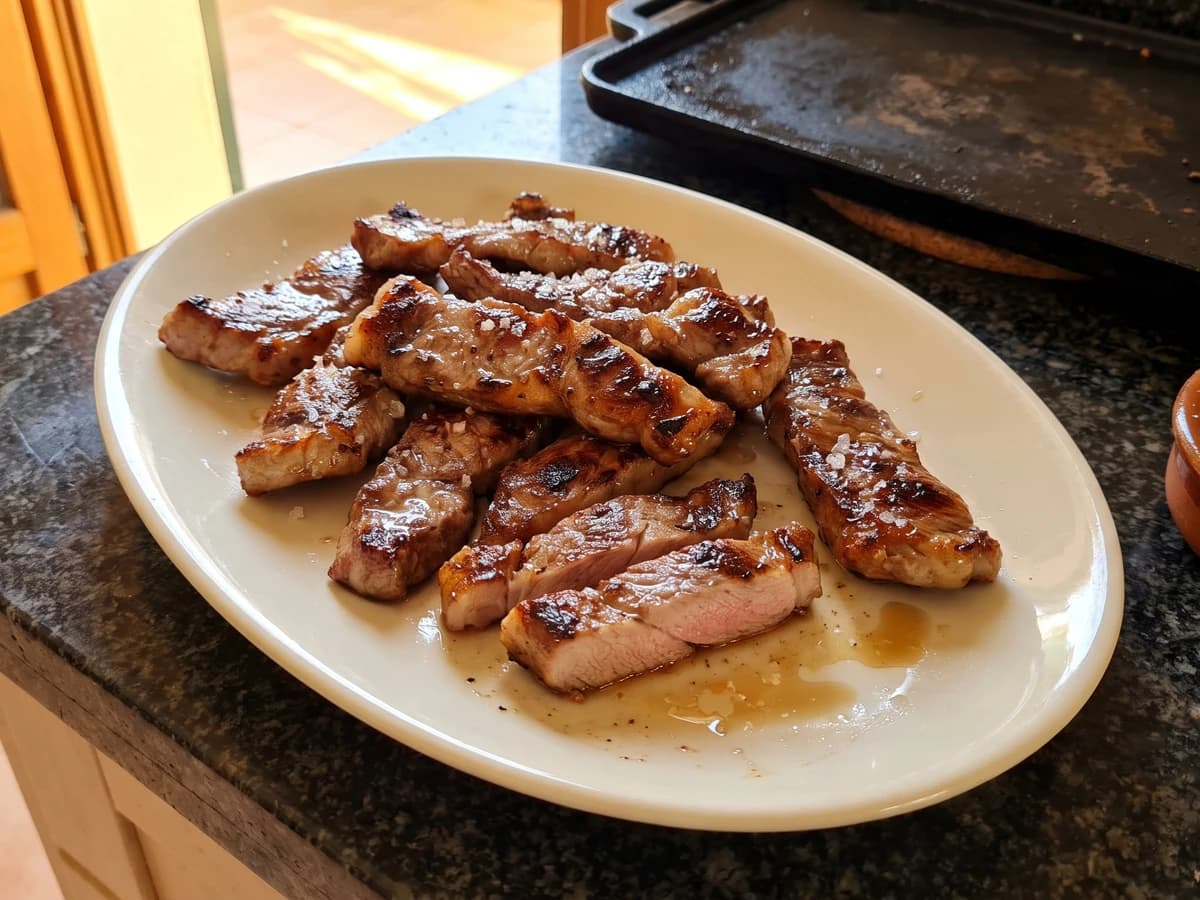
Extremadura's dehesa gives us this fan-shaped, marbled rib cut: salt it at the last moment, lay it on a fierce plancha, and count in seconds so the centre stays juicy.
A cooking platform built around craft, culture, and the stories behind what we eat.

Created by
Rossejat de fideus is Tarragona's coastal noodle dish: thin fideos toasted until nut-brown, then cooked dry in fish fumet and served with allioli.
Rossejat de fideus is Catalan, from the Tarragona coast, and the verb tells you the dish: rossejar, to brown. These are not noodles boiled and dressed afterward. They are toasted first in olive oil until they turn deep gold and smell nutty, then cooked in fish fumet until dry, with allioli at the table. That toasting is what makes it rossejat and not a neighbour's fideuà.
The method that decides it is patience at the pan. Stir the fideos constantly while they colour, because pale noodles give you a flat dish and burnt ones taste bitter all the way through. Once the fumet goes in, spread them evenly and let them drink. No fuss. They should finish dry, glossy, and separate, with a little catch on the bottom if your pan is kind.
If you are far from Tarragona, no hace falta haber pisado España. Use thin Spanish fideos if you can find them; broken angel hair pasta works at a pinch, but it browns faster and needs watching like a child near a market stall. For the fumet, make a quick stock from fish bones and prawn shells, or use a good unsalted seafood stock and sharpen it with a little extra garlic and tomato. Serve the allioli beside it, not as decoration. Siempre sale, si lo sigues.
Rossejat belongs to the fishing towns of the Catalan coast, especially around Tarragona and the nearby ports where fishermen made full use of small rock fish that were better for broth than for selling whole. The same idea appears with rice as arrossejat, but the noodle version keeps its identity through the toasted fideos and the dry finish. Allioli belongs beside it because the garlic and oil cut through the sweet, marine broth and turn a plain boat dish into a full meal.
Quantity
320g
Quantity
900ml
kept hot
Quantity
4 tablespoons
Quantity
120g
finely grated
Quantity
250g
grated
Quantity
3 cloves
finely chopped
Quantity
1 teaspoon
Quantity
1 pinch
Quantity
1
Quantity
to taste
Quantity
to taste
Quantity
1
cut into wedges
Quantity
to serve
| Ingredient | Quantity |
|---|---|
| thin fideos no. 2, or broken angel hair pasta | 320g |
| fish fumet or good unsalted seafood stockkept hot | 900ml |
| extra virgin olive oil | 4 tablespoons |
| small onionfinely grated | 120g |
| ripe tomatoesgrated | 250g |
| garlicfinely chopped | 3 cloves |
| sweet pimentón | 1 teaspoon |
| saffron threads | 1 pinch |
| bay leaf | 1 |
| salt | to taste |
| freshly ground black pepper | to taste |
| lemon (optional)cut into wedges | 1 |
| allioli | to serve |
Set the fumet in a small saucepan with the bay leaf and bring it to a gentle simmer. Taste it before it goes near the noodles. If it is already salty, hold back on salt later; the fideos will drink the broth and concentrate everything.
Warm 3 tablespoons of the olive oil in a 30cm wide pan over medium heat. Add the fideos and stir constantly for 5 to 7 minutes, until most are deep golden and a few are chestnut brown. This is the dish. Keep them moving so they brown evenly and do not scorch.
Tip the toasted fideos onto a plate. Add the remaining tablespoon of oil to the pan, then the grated onion and a pinch of salt. Cook over medium-low heat for 8 minutes until soft and dark gold. Add the garlic for 30 seconds, then the grated tomato, and cook 6 to 8 minutes more until the sofrito, the slow onion and tomato base, is thick and almost jammy.
Stir in the pimentón and saffron for a few seconds only, off the fierce heat, until they smell warm. Do not let the pimentón burn or it turns bitter. Return the toasted fideos to the pan and fold them through the sofrito so every strand is stained with the oil.
Pour in the hot fumet, spread the fideos into an even layer, and bring the pan to a steady bubble. Cook uncovered for 8 to 10 minutes, moving the pan now and then so the heat lands evenly, but do not stir as if boiling pasta. The noodles should absorb the fumet and finish dry, glossy, and separate.
When the liquid has disappeared and the bottom gives a faint crackle, take the pan off the heat. Cover with a clean towel and rest 5 minutes so the fideos settle. Serve straight from the pan with allioli on the side and lemon if you like it. The allioli is not a flourish; it is part of the table.
1 serving (about 350g)
Culinary guides, cultural storytelling, and the editorial depth that makes cooking meaningful.
Discover Culinary ExplorerChef Isabel
Extremadura's dehesa gives us this fan-shaped, marbled rib cut: salt it at the last moment, lay it on a fierce plancha, and count in seconds so the centre stays juicy.
Chef Isabel
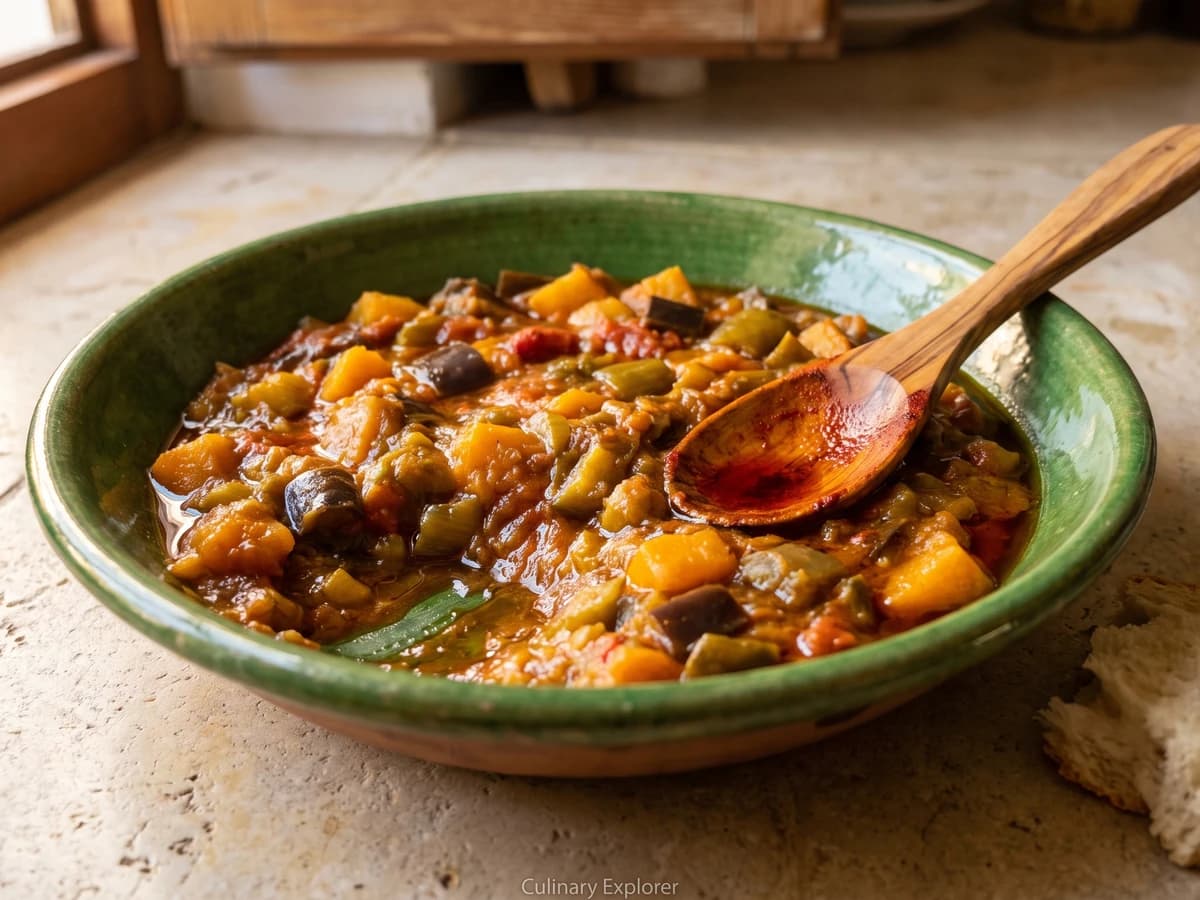
Alboronía is Andalucía's old pumpkin and aubergine stew, deepened with tomato, pimentón, and cumin, then cooked without hurry until the vegetables settle into a glossy, sweet, spoon-soft whole.

Chef Isabel
Aletría Murciana is Murcia's humble noodle guiso: fine fideos, pork ribs, potato, saffron, and a dark sweet sofrito. Get that base right and the pot knows where it's going.
Chef Isabel
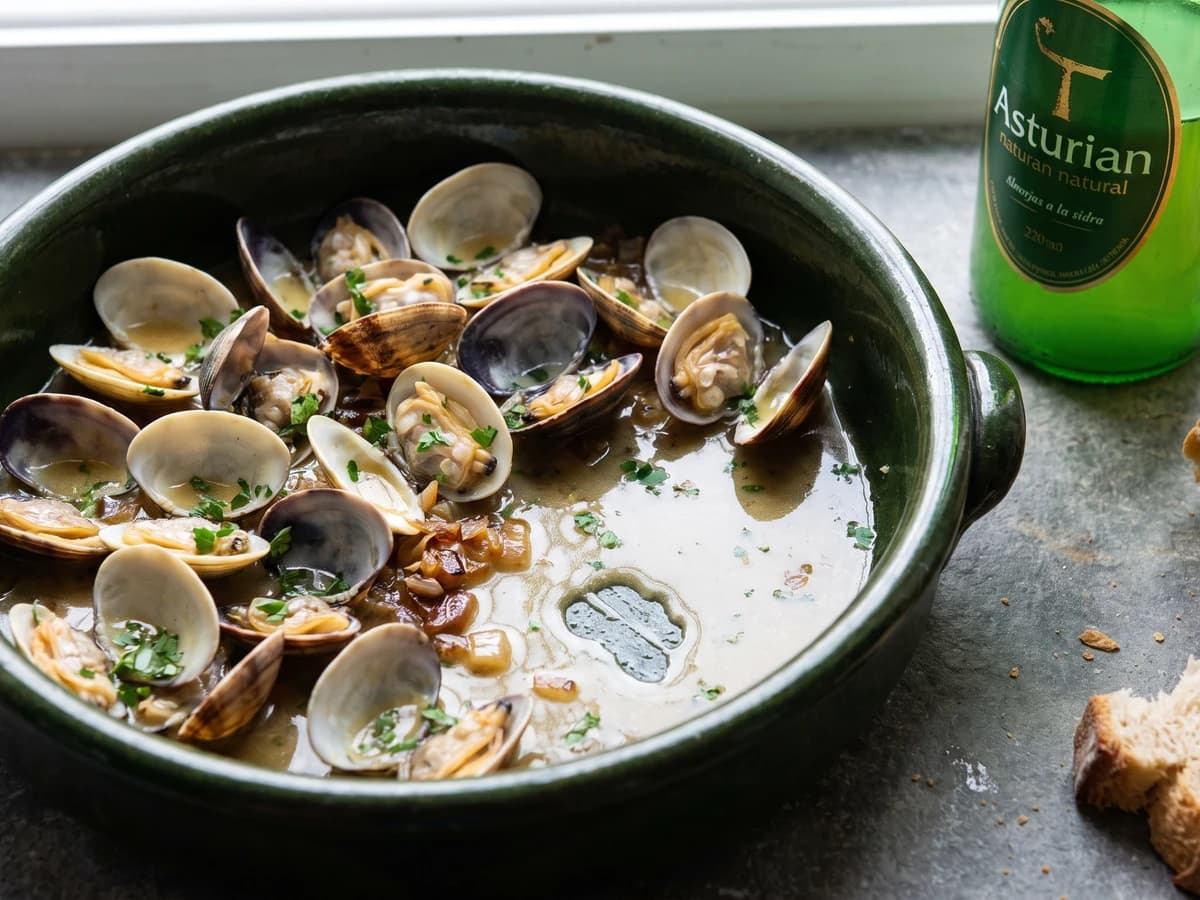
Asturias opens clams in tart natural cider over a slow onion and garlic sofrito, making a bright, briny sauce that asks for bread and rewards one rule: lift each clam as it opens.