Chef Graziella
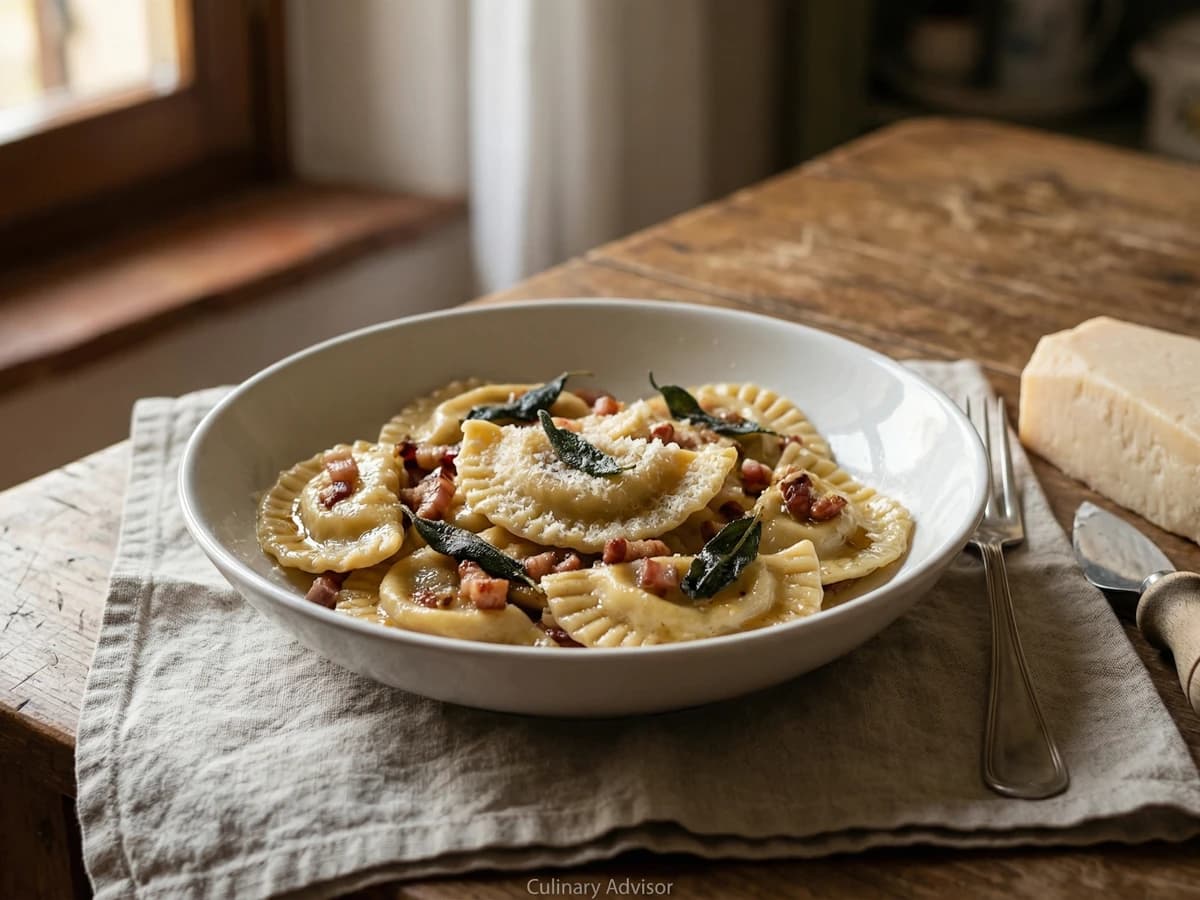
Casoncelli alla Bergamasca
The stuffed pasta of Bergamo's valleys, where crushed amaretti in the meat filling creates a sweet-savory balance that exists nowhere else in Italy. Dressed simply in browned butter and sage.
A cooking platform built around craft, culture, and the stories behind what we eat.
Created by
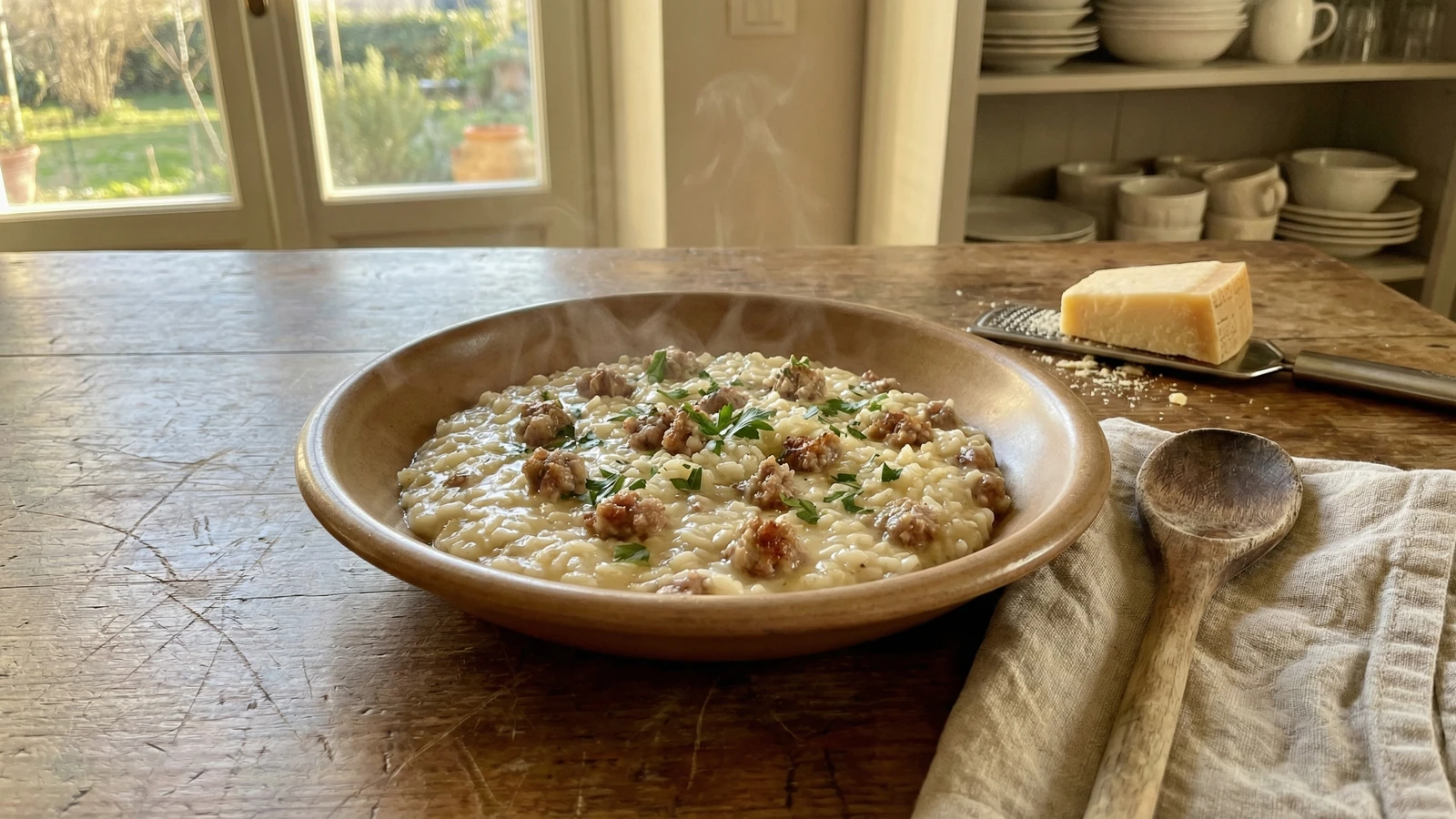
Crumbled pork sausage stirred into waves of creamy Lombard rice, finished with butter and Parmigiano-Reggiano until it flows like silk. This is what Northern Italians eat when they want comfort.
The creaminess of risotto does not come from cream. If someone has told you otherwise, they have misled you. The creaminess comes from technique: the patient addition of warm broth, the constant gentle stirring that coaxes starch from the rice, and the final mantecatura with cold butter and cheese. Americans add cream because they have not learned this. You will learn it today.
Risotto con salsiccia is working-class food from Lombardy, the kind of dish a butcher's wife would make because she had access to fresh sausage and the knowledge to transform simple ingredients into something that warms you from the inside. The sausage must be good. Not the hard, dried links you find in supermarkets, but fresh Italian sausage with a high fat content and simple seasonings. The pork fat renders into the rice, enriching every grain.
This is not difficult cooking, but it demands your attention. You cannot walk away. You cannot answer the phone. For twenty minutes, you stand at the stove and stir. If this seems like too much to ask, make something else.
Rice cultivation in the Po Valley dates to the late 15th century, when irrigation canals transformed Lombardy into Europe's great rice-growing region. Risotto emerged as the natural expression of this abundance, and local cooks combined it with whatever they had: saffron in Milan, sausage in the countryside, seasonal vegetables everywhere. Risotto con salsiccia remains a fixture of Lombard home cooking, rarely seen in restaurants but present on family tables throughout the region.
Quantity
1 1/2 cups
Quantity
12 ounces
casings removed
Quantity
1 medium
diced fine
Quantity
4 tablespoons
divided
Quantity
1/2 cup
Quantity
6 cups
kept at a simmer
Quantity
3/4 cup, plus more for serving
freshly grated
Quantity
to taste
Quantity
to taste
freshly ground
Quantity
2 tablespoons
chopped fine
| Ingredient | Quantity |
|---|---|
| Carnaroli or Arborio rice | 1 1/2 cups |
| mild Italian sausagecasings removed | 12 ounces |
| yellow oniondiced fine | 1 medium |
| unsalted butterdivided | 4 tablespoons |
| dry white wine | 1/2 cup |
| chicken or meat brothkept at a simmer | 6 cups |
| Parmigiano-Reggianofreshly grated | 3/4 cup, plus more for serving |
| kosher salt | to taste |
| black pepperfreshly ground | to taste |
| fresh Italian parsleychopped fine | 2 tablespoons |
Pour the broth into a saucepan and bring it to a gentle simmer over low heat. Keep it warm throughout the cooking process. Cold broth added to hot rice shocks the grains and interrupts the release of starch. This is how risotto fails before it begins.
In a heavy-bottomed pot or deep skillet, melt 2 tablespoons of butter over medium heat. Add the crumbled sausage meat and cook, breaking it into small pieces with a wooden spoon, until browned and cooked through, about 8 minutes. The sausage should develop some color, some fond on the bottom of the pan. Remove the sausage to a plate and set aside.
In the same pot, add the diced onion. There should be enough fat rendered from the sausage; if not, add another tablespoon of butter. Cook the onion over medium-low heat, stirring occasionally, until it becomes completely soft and translucent, about 10 minutes. The onion should not take on color. Patience here determines everything that follows.
Add the rice to the pot all at once. Stir constantly for 2 minutes, coating every grain with the fat. The rice should become translucent at the edges while remaining opaque at the center. You will hear a faint clicking sound as the grains move against each other. This toasts the exterior starch and prepares the rice to absorb liquid properly.
Pour in the white wine. It will sizzle and steam. Stir continuously until the wine is completely absorbed and you can no longer smell raw alcohol. The pan should be nearly dry before you proceed. This takes 1 to 2 minutes.
Begin adding the warm broth one ladleful at a time, stirring frequently. Wait until each addition is nearly absorbed before adding the next. The rice should always be moist but never swimming. Adjust the heat to maintain a gentle simmer, not a vigorous boil. This process takes approximately 18 minutes. There are no shortcuts.
When the rice is nearly done, about 2 minutes before you expect to finish, stir in the reserved sausage. Let it warm through and release its flavor into the rice. Taste and adjust the seasoning with salt and pepper. The sausage is already seasoned, so add salt carefully.
Remove the pot from the heat. Add the remaining 2 tablespoons of cold butter, cut into pieces, and the grated Parmigiano-Reggiano. Stir vigorously for 30 seconds to one minute, until the butter and cheese melt into the rice, creating that characteristic creamy, flowing consistency. The risotto should spread slowly when spooned onto a plate, not sit in a mound like cement.
Let the risotto rest for one minute off heat. Spoon it onto warm plates, allowing it to spread naturally. Scatter the parsley over the top and serve immediately with additional Parmigiano-Reggiano at the table. Risotto waits for no one. Once it is plated, your guests must begin eating.
1 serving (about 360g)
Culinary guides, cultural storytelling, and the editorial depth that makes cooking meaningful.
Discover Culinary ExplorerChef Graziella
The stuffed pasta of Bergamo's valleys, where crushed amaretti in the meat filling creates a sweet-savory balance that exists nowhere else in Italy. Dressed simply in browned butter and sage.

Chef Graziella
The Milanese cutlet made with pork instead of veal: bone-in, pounded thin, breaded simply, fried in clarified butter until the crust shatters at the touch of a fork. This is not schnitzel. This is older.
Chef Graziella
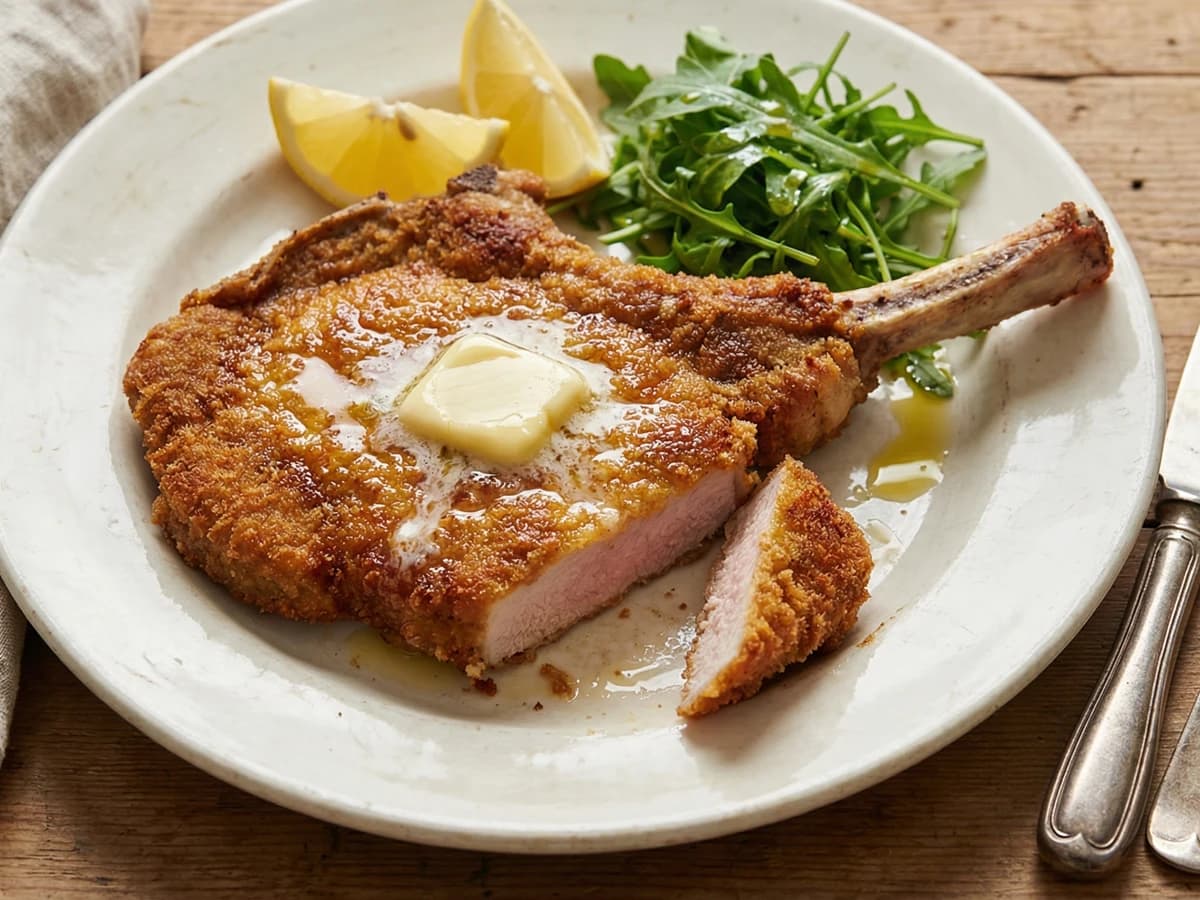
The original bone-in veal cutlet of Milan, pounded thin and fried in clarified butter until the crust shatters and the meat stays juicy. The Viennese borrowed this dish. The Milanese perfected it.
Chef Graziella
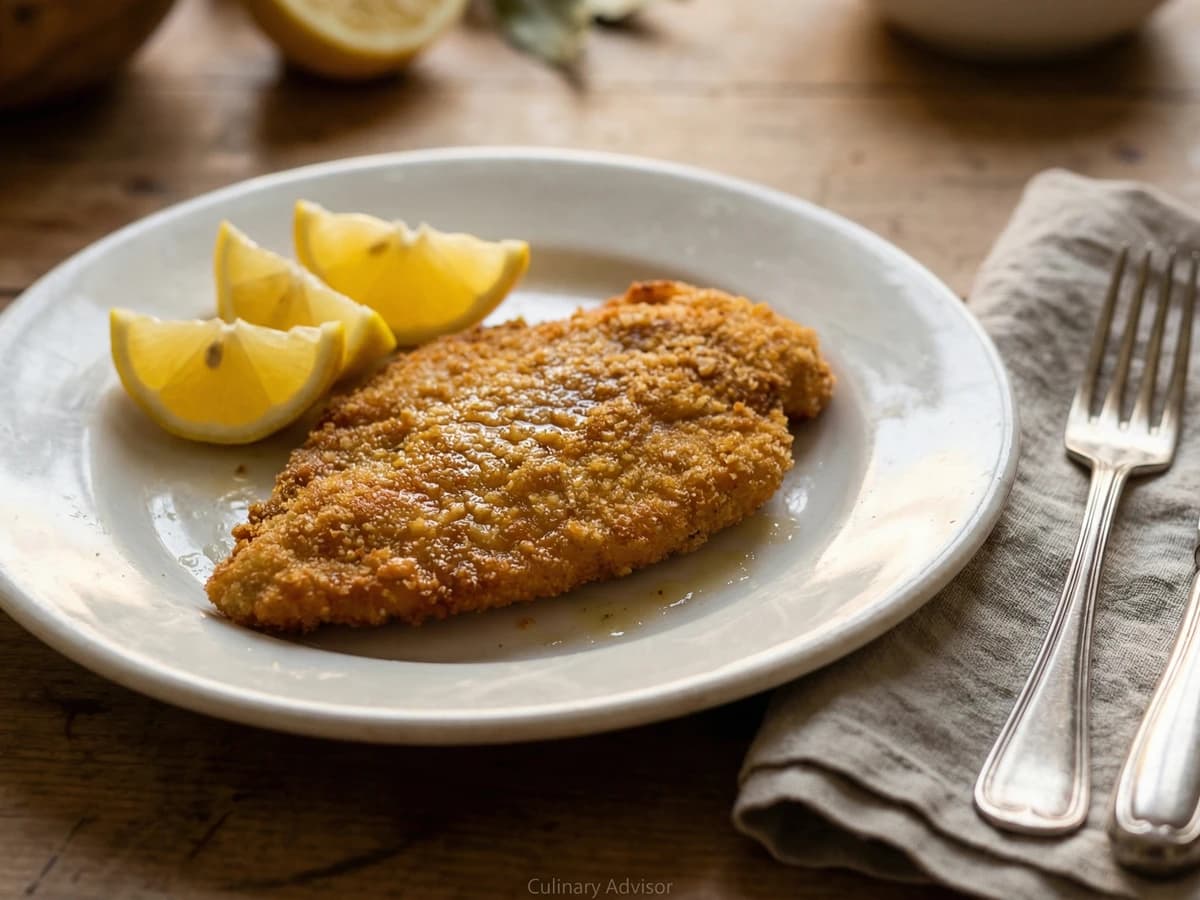
The golden cutlet of Lombardy, where chicken is pounded thin, coated in the finest crumbs, and fried in butter until it shatters at the touch of a fork. Lemon is the only adornment it needs.