Chef Graziella
Arrosto di Maiale alle Erbe Aromatiche
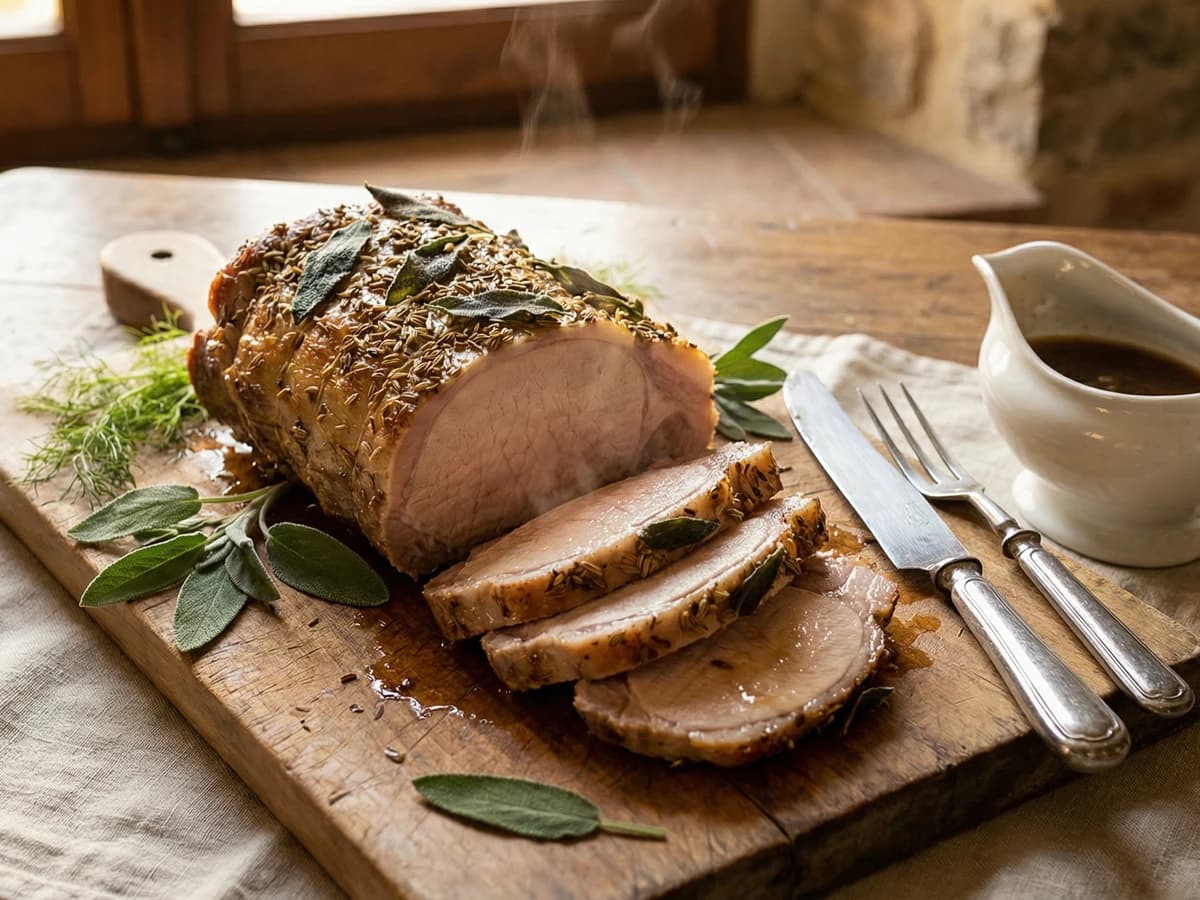
Bone-in pork loin rubbed with fennel, rosemary, and sage, roasted until the herbs form a crackling crust and the meat stays pink and succulent. This is the roast that brings Sunday to life.
A cooking platform built around craft, culture, and the stories behind what we eat.
Created by
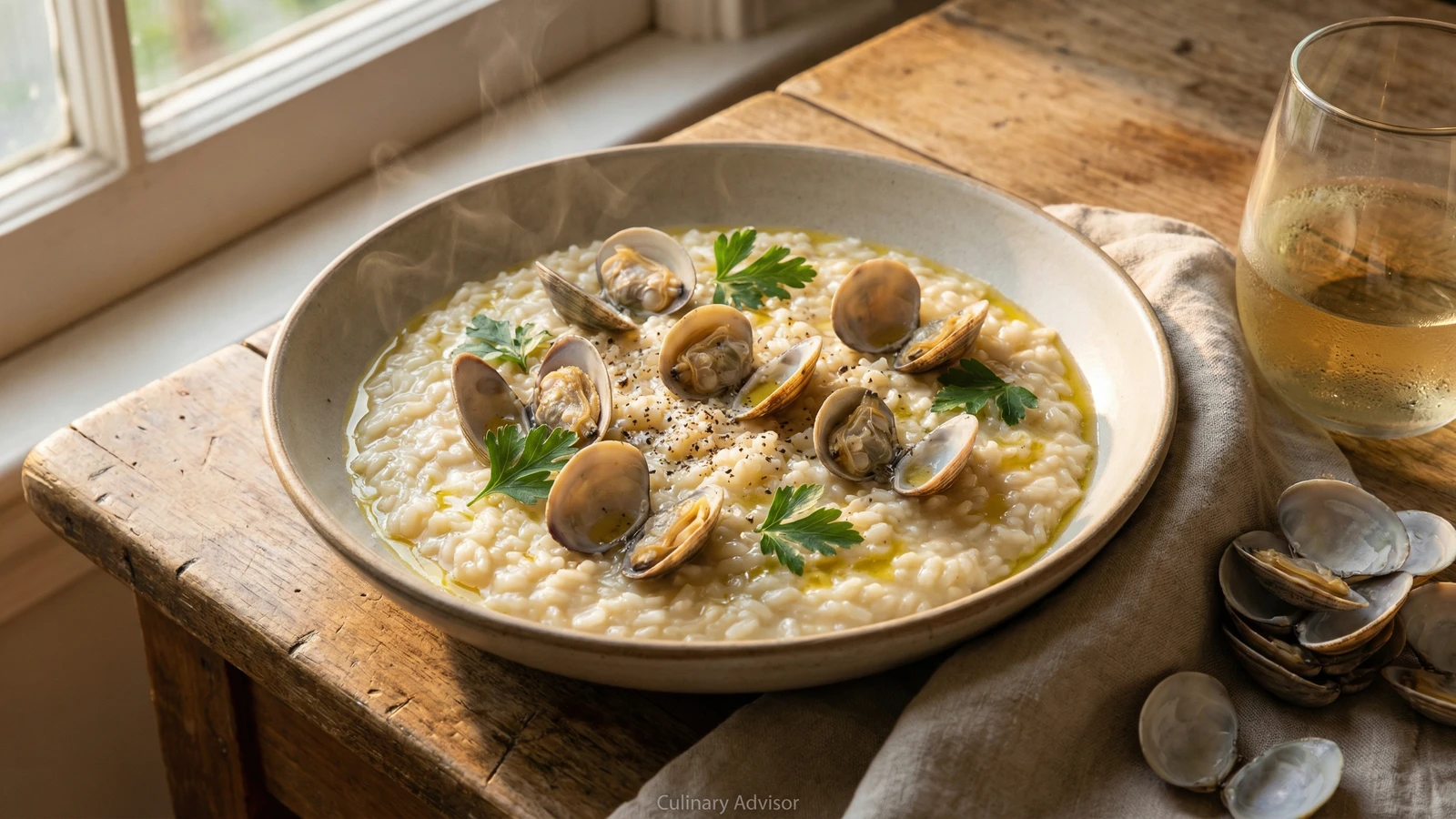
The marriage of Venetian rice and Adriatic clams, where the sea provides both ingredient and seasoning. No cheese, no cream, nothing to obscure the pure brininess of perfectly cooked shellfish.
There is a rule in Italian cooking that Americans consistently violate: cheese does not belong with seafood. I have watched otherwise intelligent people grate Parmigiano over linguine alle vongole, and I have said nothing because sometimes silence is the only response to certain crimes. But here, in this risotto, let me be explicit. No cheese. Not a flake, not a dusting, not even the rind in the broth. The clams provide all the salinity and depth this dish requires.
Risotto alle vongole comes from the Adriatic coast, where fishermen have combined the rice of the Po Valley with the clams of their waters for generations. The technique is pure Venetian: the rice toasted in fat, the wine absorbed completely, the warm broth added one ladleful at a time. But the broth here is not made from meat or vegetables. It is the liquor released by the clams themselves, extended with fish stock or the water in which they steamed open.
What you keep out matters. No soffritto of carrots and celery, which would muddy the clean sea flavor. No tomato, which belongs to a different tradition entirely. Only shallot, cooked until soft, and garlic used with the restraint that separates Italian cooking from American imitation. The garlic is a whisper, removed before it can dominate. The parsley is stirred in at the end, its brightness cutting through the richness of the finished rice.
Rice cultivation spread through the Veneto and Po Valley in the 15th century, brought by Arab traders and finding ideal conditions in the marshy lowlands. Venetian cooks, surrounded by lagoons teeming with clams, naturally married their new grain with their oldest ingredient. Risotto alle vongole appears in regional cookbooks by the 18th century, though the fishermen's wives who perfected it never wrote anything down.
Quantity
3 pounds
scrubbed clean (Manila or littleneck)
Quantity
1 cup, divided
Quantity
5 cups
warmed
Quantity
4 tablespoons, divided
Quantity
3
lightly crushed
Quantity
1 large
minced fine
Quantity
1 1/2 cups
Quantity
3 tablespoons
cold, cut into pieces
Quantity
1/4 cup
chopped fine
Quantity
to taste
freshly ground
Quantity
if needed
| Ingredient | Quantity |
|---|---|
| small clamsscrubbed clean (Manila or littleneck) | 3 pounds |
| dry white wine | 1 cup, divided |
| fish stock or light chicken brothwarmed | 5 cups |
| extra virgin olive oil | 4 tablespoons, divided |
| garlic cloveslightly crushed | 3 |
| shallotminced fine | 1 large |
| Carnaroli or Vialone Nano rice | 1 1/2 cups |
| unsalted buttercold, cut into pieces | 3 tablespoons |
| flat-leaf parsleychopped fine | 1/4 cup |
| black pepperfreshly ground | to taste |
| kosher salt | if needed |
Place the scrubbed clams in a large bowl of cold salted water for 30 minutes. They will expel any sand trapped in their shells. Discard any clams that remain open when tapped or have cracked shells. Drain and rinse under cold water.
In a wide pot with a lid, heat 2 tablespoons of the olive oil over medium-high heat. Add the crushed garlic cloves and cook until fragrant, about 30 seconds. Add the clams and 1/2 cup of the wine. Cover immediately and steam until the clams open, 4 to 6 minutes. Shake the pot once or twice to redistribute. Remove clams as they open. Discard any that refuse to open after 8 minutes.
Strain the clam cooking liquid through a fine-mesh sieve lined with cheesecloth into a measuring cup. You should have about 1 cup. Add this to your warm fish stock. Remove the garlic cloves and discard. Shell two-thirds of the clams, reserving the rest in their shells for presentation. Keep all clams covered with a damp towel.
In a heavy, wide saucepan or deep skillet, heat the remaining 2 tablespoons olive oil over medium heat. Add the minced shallot and cook, stirring, until soft and translucent but not colored, about 3 minutes. The shallot should melt into the fat. It should not brown.
Add the rice all at once and stir thoroughly for 2 minutes. You must coat every grain with the fat. This toasts the exterior starch and creates the foundation for proper risotto texture. The grains should become translucent at the edges, opaque at the center. You will hear a faint crackling sound. This is correct.
Pour in the remaining 1/2 cup wine and stir constantly until it evaporates completely. You should hear it sizzle against the hot pan. When you can no longer smell alcohol and the pan is nearly dry, you may proceed.
Begin adding the warm clam broth one ladleful at a time, stirring frequently. Wait until each addition is nearly absorbed before adding the next. The rice should always be moist but never swimming. This takes approximately 18 minutes. Taste the rice after 15 minutes and continue until it is tender with pleasant resistance at the center. The risotto should flow like a wave when you shake the pan. Italians call this all'onda.
Remove the pan from heat. Add the cold butter pieces and stir vigorously until emulsified and the risotto becomes creamy and glossy. Fold in the shelled clams and most of the parsley. Taste. The clam liquor provides salt. Add more only if truly needed. Grind black pepper generously over the top.
Divide the risotto among warmed shallow bowls. Arrange the reserved clams in shells on top. Scatter the remaining parsley over each portion. Risotto waits for no one. Once it is plated, serve immediately and invite your guests to put off talking and start eating.
1 serving (about 350g)
Culinary guides, cultural storytelling, and the editorial depth that makes cooking meaningful.
Discover Culinary ExplorerChef Graziella
Bone-in pork loin rubbed with fennel, rosemary, and sage, roasted until the herbs form a crackling crust and the meat stays pink and succulent. This is the roast that brings Sunday to life.

Chef Graziella
The ancient technique of salt-baking creates a sealed chamber where the fish steams in its own moisture. What emerges is flesh of remarkable purity, seasoned perfectly, ready for nothing but your best olive oil.

Chef Graziella
The ugly fish that cooks like veal, braised in tomatoes until the firm white flesh absorbs the briny sweetness of olives and capers. Fishermen's wives along the Adriatic knew its worth before restaurants discovered it.

Chef Graziella
A fifteen-minute lesson in restraint: pork chops, butter, sage, and the understanding that what you leave out matters as much as what you put in.