Chef Graziella
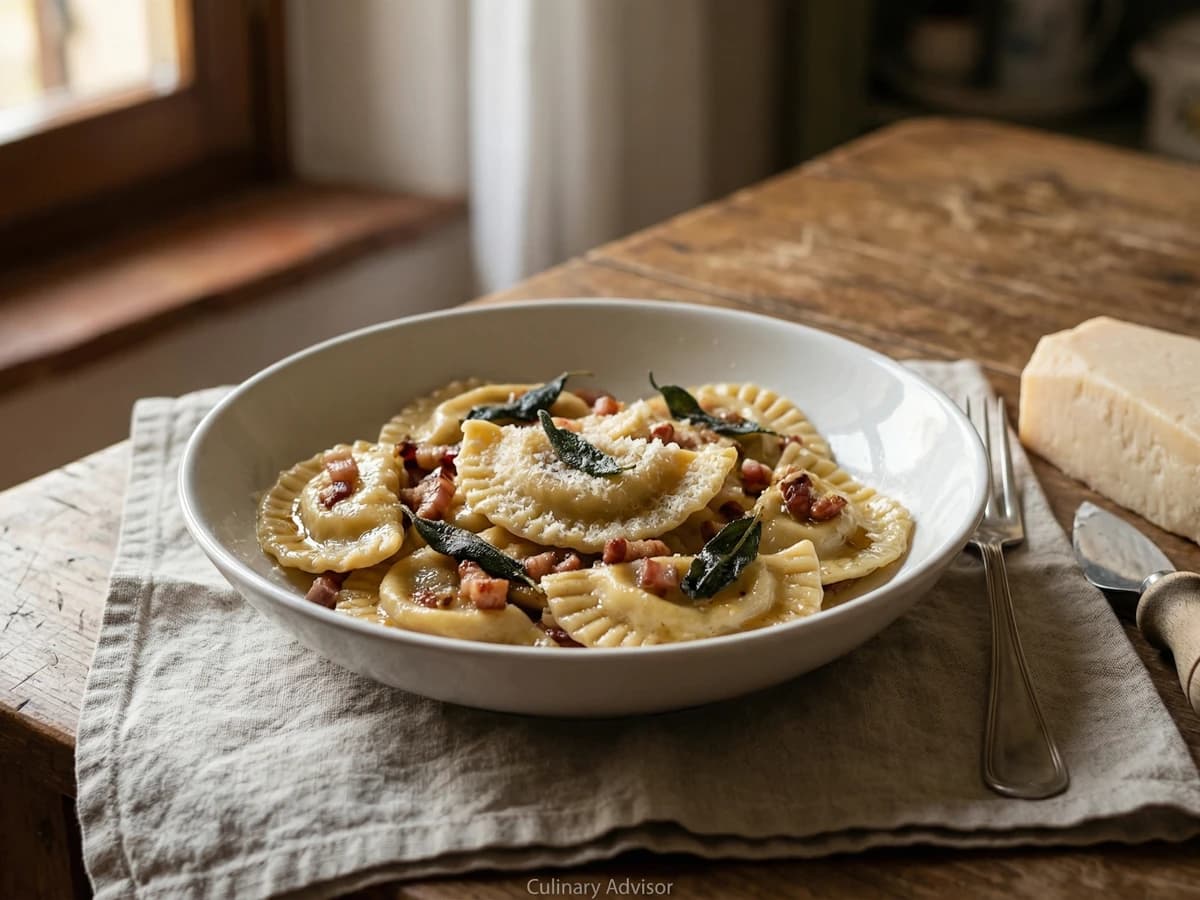
Casoncelli alla Bergamasca
The stuffed pasta of Bergamo's valleys, where crushed amaretti in the meat filling creates a sweet-savory balance that exists nowhere else in Italy. Dressed simply in browned butter and sage.
A cooking platform built around craft, culture, and the stories behind what we eat.

Created by
The blue-veined cheese of Lombardy stirred into rice that has been coaxed to creaminess through patience and proper technique. Bold flavor achieved through restraint, not excess.
This is not a dish for those who fear strong cheese. Gorgonzola has character. It announces itself. But in risotto, something remarkable happens: the rice tempers the cheese's sharpness while the cheese transforms the rice into something almost sinfully rich.
You will notice there is no cream in this recipe. Americans add cream to risotto because they do not understand where the creaminess should come from. It comes from the starch. It comes from the butter stirred in at the end. It comes from the cheese itself as it melts into the hot rice. Cream is a crutch for those who have not mastered technique.
Use Gorgonzola dolce, the younger, sweeter version. Gorgonzola piccante, which is aged and sharp, will overpower the rice. You want the cheese to be a partner, not a bully. And the rice must be Carnaroli if you can find it. Arborio will do, but Carnaroli holds its shape better through the long stirring.
Gorgonzola takes its name from the Lombard town where it was first made, possibly as early as the 9th century. Legend holds that a young cheesemaker, distracted by a love affair, left his curd overnight and discovered the next morning that blue-green veins had begun to form. Whether or not the story is true, the cheese became one of Italy's great contributions to the world's table, and its marriage with risotto is a natural one in the rice-growing plains of the Po Valley.
Quantity
6 cups
Quantity
4 tablespoons
divided
Quantity
1 medium
minced fine
Quantity
1 1/2 cups
Quantity
3/4 cup
Quantity
6 ounces
rind removed, cut into small pieces
Quantity
1/2 cup
freshly grated
Quantity
to taste
Quantity
to taste
freshly ground
| Ingredient | Quantity |
|---|---|
| chicken or vegetable broth | 6 cups |
| unsalted butterdivided | 4 tablespoons |
| shallotminced fine | 1 medium |
| Carnaroli or Arborio rice | 1 1/2 cups |
| dry white wine | 3/4 cup |
| Gorgonzola dolcerind removed, cut into small pieces | 6 ounces |
| Parmigiano-Reggianofreshly grated | 1/2 cup |
| kosher salt | to taste |
| white pepperfreshly ground | to taste |
Pour the broth into a saucepan and bring it to a gentle simmer over medium heat. Reduce the heat to low and keep the broth warm throughout cooking. Cold broth added to hot rice shocks the grains and interrupts the release of starch. This is the foundation of failure.
In a heavy-bottomed pan or braiser, melt 2 tablespoons of the butter over medium heat. When the foam subsides, add the minced shallot. Cook gently, stirring occasionally, until the shallot is soft and translucent but has taken no color, about 3 minutes. Patience here. Browned shallot will compete with the gorgonzola.
Add the rice to the pan all at once. Stir constantly for 2 minutes, coating every grain with the butter. You must toast the exterior starch. The grains should become translucent at the edges while remaining opaque at the center. They should feel hot to the touch if you were foolish enough to touch them. Listen: the rice will make a slight clicking sound against the pan.
Pour in the wine. It will sizzle and steam. Stir constantly until the wine has been completely absorbed and you can no longer smell raw alcohol. The pan should be nearly dry before you proceed. This takes 2 to 3 minutes.
Add one ladleful of warm broth to the rice. Stir steadily but not frantically. When the broth is nearly absorbed and you can draw a clear path across the bottom of the pan with your spoon, add another ladleful. Continue this way, one ladleful at a time, stirring between additions. The rice tells you when it needs more liquid. Listen to it.
After about 16 minutes, begin tasting the rice. It should be tender but with a slight resistance at the center, what Italians call al'onda: it should flow in waves when you shake the pan, neither stiff nor soupy. You may not use all the broth, or you may need a splash more. The rice, not the recipe, decides.
Remove the pan from the heat. Add the remaining 2 tablespoons of butter, the Gorgonzola pieces, and the Parmigiano-Reggiano. Stir vigorously until the cheeses melt completely and the risotto becomes glossy and flowing. This final stirring, the mantecatura, creates the characteristic creaminess. Season with salt sparingly, as the cheeses contribute salt. Add white pepper to taste.
Risotto waits for no one. Spoon it onto warm plates immediately. It should spread slightly, not hold a stiff mound. Once the risotto is plated, invite your guests to put off talking and start eating. In 5 minutes, the texture will have changed. In 10, you will have made rice pudding.
1 serving (about 290g)
Culinary guides, cultural storytelling, and the editorial depth that makes cooking meaningful.
Discover Culinary ExplorerChef Graziella
The stuffed pasta of Bergamo's valleys, where crushed amaretti in the meat filling creates a sweet-savory balance that exists nowhere else in Italy. Dressed simply in browned butter and sage.

Chef Graziella
The Milanese cutlet made with pork instead of veal: bone-in, pounded thin, breaded simply, fried in clarified butter until the crust shatters at the touch of a fork. This is not schnitzel. This is older.
Chef Graziella
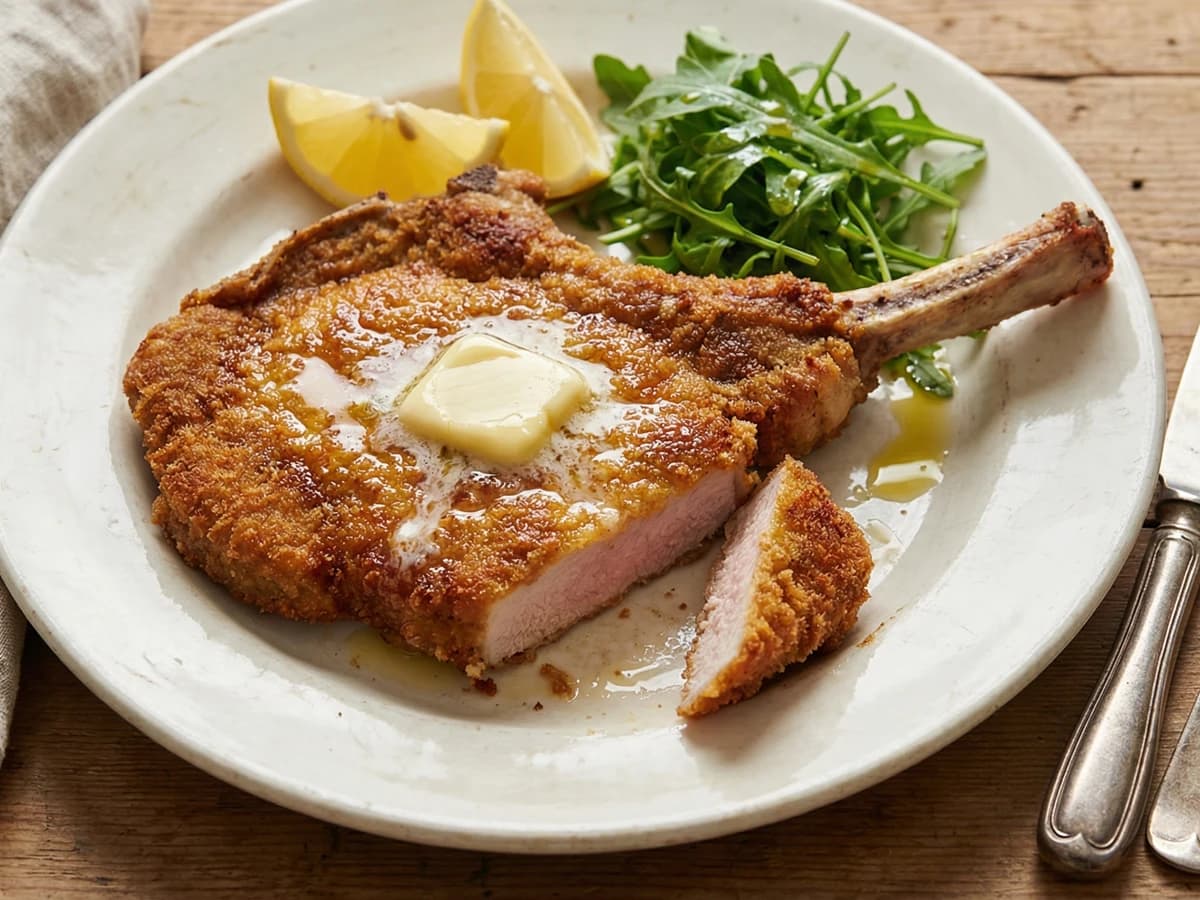
The original bone-in veal cutlet of Milan, pounded thin and fried in clarified butter until the crust shatters and the meat stays juicy. The Viennese borrowed this dish. The Milanese perfected it.
Chef Graziella
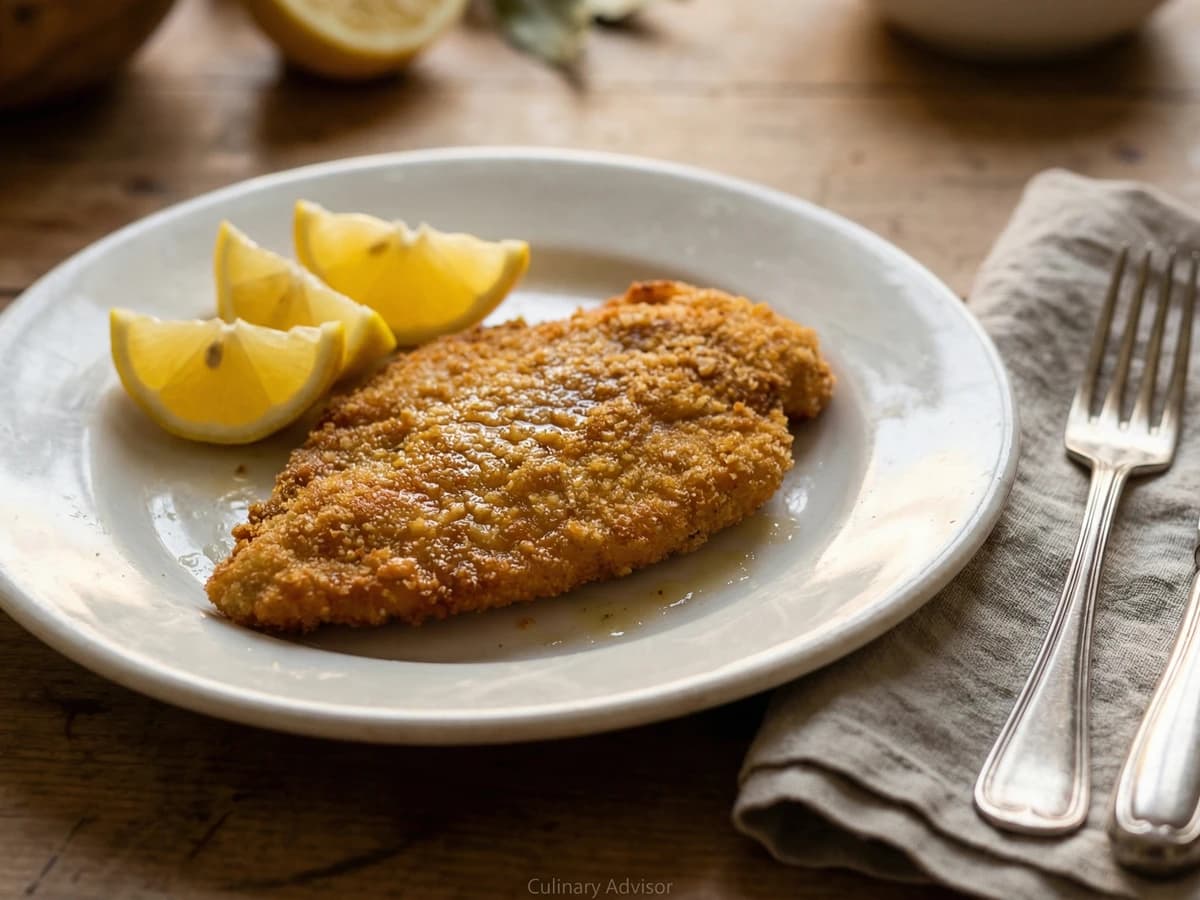
The golden cutlet of Lombardy, where chicken is pounded thin, coated in the finest crumbs, and fried in butter until it shatters at the touch of a fork. Lemon is the only adornment it needs.