Chef Graziella
Arrosto di Maiale alle Erbe Aromatiche
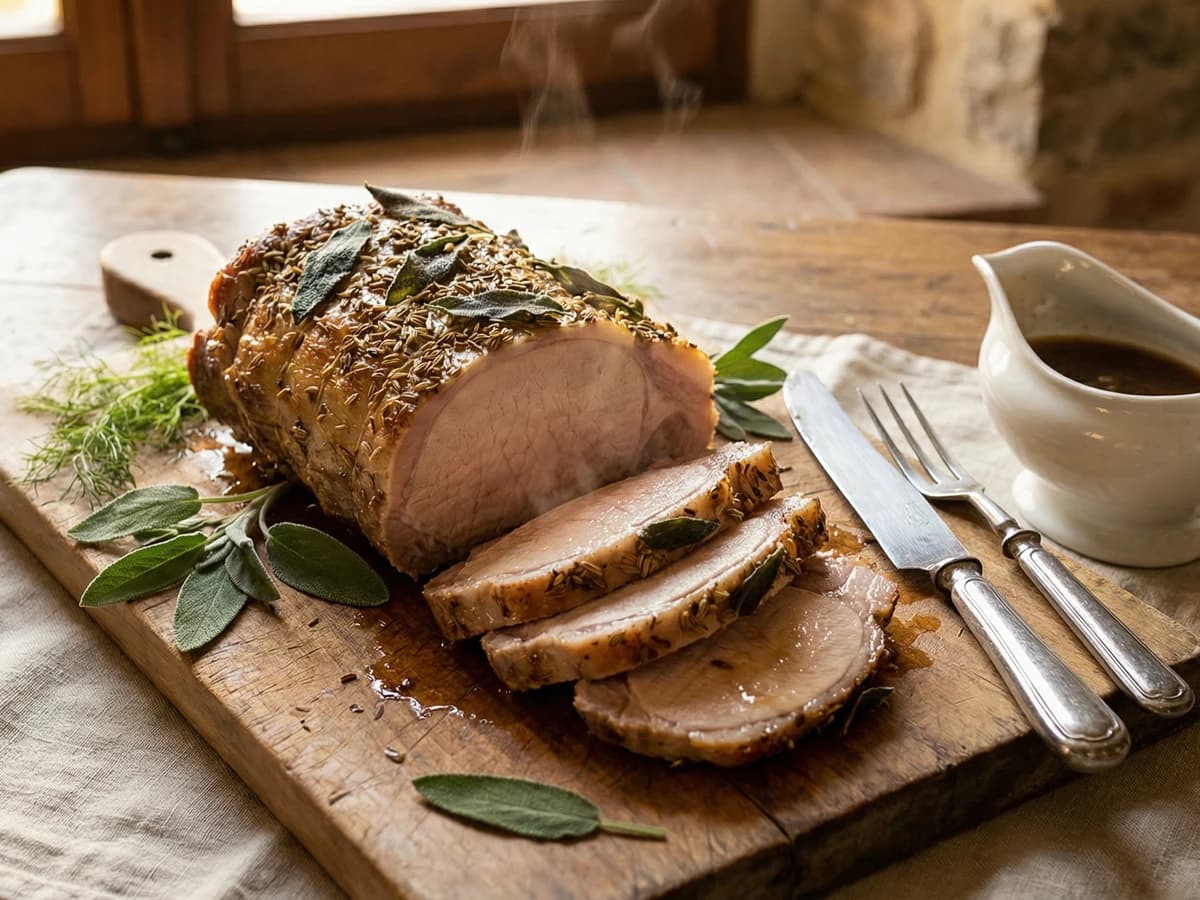
Bone-in pork loin rubbed with fennel, rosemary, and sage, roasted until the herbs form a crackling crust and the meat stays pink and succulent. This is the roast that brings Sunday to life.
A cooking platform built around craft, culture, and the stories behind what we eat.

Created by
The seafood risotto of the Adriatic coast, where mussels, clams, shrimp, and squid meet properly made rice in a dish that tastes of the sea itself. No cheese. This is not negotiable.
The cooking of Venice is so distant from that of Naples, although they are both Italian cities specializing in seafood, that not a single authentic dish from one is to be found on the other's table. This risotto belongs to the Veneto, to the Adriatic coast, where the lagoon provides shellfish and the Po Valley provides rice. It is a marriage of land and sea that defines this region.
Americans ruin seafood risotto in predictable ways. They add cream. They add cheese. They drown it in garlic. They overcook the shellfish until it resembles pencil erasers. Then they wonder why their risotto tastes nothing like what they ate in Venice.
The secret is restraint and timing. Each type of seafood enters the pot at precisely the right moment. The squid goes in early because it needs time to become tender. The shrimp go in late because they cook in minutes. The mussels and clams are already cooked; they need only warming. Get this wrong and you have expensive mush.
Proper risotto technique is non-negotiable. Hot broth, added gradually, stirred frequently but not constantly. The rice releases its starch slowly, creating creaminess without cream. The final addition of butter, the mantecatura, brings everything together into something silken and flowing. This is what risotto should be.
Risotto ai frutti di mare developed along the Adriatic coast in the 19th century, where Venetian rice cultivation met the abundant seafood of the lagoon. The Veneto's Vialone Nano rice, shorter and rounder than Carnaroli, became the traditional choice because it absorbs flavor while maintaining structure. Fishermen's wives created the dish from whatever the boats brought in that morning.
Quantity
1 pound
scrubbed and debearded
Quantity
1 pound
scrubbed
Quantity
1 cup, divided
Quantity
8 ounces
peeled and deveined, shells reserved
Quantity
8 ounces
cleaned, bodies cut into 1/2-inch rings, tentacles halved
Quantity
6 cups
Quantity
1/4 cup
Quantity
1 small
diced fine
Quantity
2
minced
Quantity
2 cups
Quantity
1/2 cup
Quantity
pinch
Quantity
2 tablespoons
Quantity
3 tablespoons
chopped fine
Quantity
1
zested
Quantity
to taste
Quantity
to taste
freshly ground
Quantity
pinch
| Ingredient | Quantity |
|---|---|
| musselsscrubbed and debearded | 1 pound |
| littleneck clamsscrubbed | 1 pound |
| dry white wine | 1 cup, divided |
| medium shrimppeeled and deveined, shells reserved | 8 ounces |
| squidcleaned, bodies cut into 1/2-inch rings, tentacles halved | 8 ounces |
| fish stock | 6 cups |
| extra virgin olive oil | 1/4 cup |
| yellow oniondiced fine | 1 small |
| garlic clovesminced | 2 |
| Carnaroli or Vialone Nano rice | 2 cups |
| dry white wine | 1/2 cup |
| saffron threads (optional) | pinch |
| unsalted butter | 2 tablespoons |
| flat-leaf parsleychopped fine | 3 tablespoons |
| lemonzested | 1 |
| kosher salt | to taste |
| black pepperfreshly ground | to taste |
| peperoncino | pinch |
Place the mussels and clams in a large pot with half the wine and a cup of water. Cover and cook over high heat, shaking the pot occasionally, until the shells open. This takes 4 to 6 minutes. Remove them as they open. Discard any that refuse. Strain the cooking liquid through a fine-mesh sieve lined with cheesecloth. Reserve this precious liquor. Remove most shellfish from their shells, leaving a few in shell for presentation.
Combine the fish stock, reserved shellfish liquid, and shrimp shells in a saucepan. Bring to a simmer and cook for 15 minutes. Strain and discard the shells. Keep the enriched broth at a bare simmer. If using saffron, add it to the warm broth now. The broth must stay hot throughout the cooking. Cold broth added to risotto stops the cooking and results in chalky rice.
In a heavy, wide pan or braiser, warm the olive oil over medium heat. Add the onion and cook until completely soft and translucent, about 8 minutes. Add the garlic and peperoncino. Cook for one minute only. The garlic must not brown. If it does, start over.
Add the rice to the soffritto all at once and stir thoroughly for 2 minutes. Every grain must be coated with the hot fat. The rice will become translucent at the edges while remaining opaque at the center. You should hear a gentle sizzling. This toasting creates the foundation for proper texture.
Pour in the remaining wine. It will hiss and steam dramatically. Stir constantly until the wine has evaporated completely. You should no longer smell raw alcohol, only the fragrance of the wine mingled with the rice. The pan should be nearly dry before you proceed.
Begin adding the hot broth one ladleful at a time, stirring frequently. Wait until each addition is nearly absorbed before adding the next. The rice should always be moist but never swimming. Maintain a gentle simmer. This takes approximately 16 to 18 minutes. There are no shortcuts. You cannot walk away.
When the rice is about 5 minutes from being done, add the squid rings and tentacles to the risotto. Stir them in and continue cooking with the rice. Squid needs only brief cooking. Two minutes too long and it becomes rubber. Two minutes too short and it is chewy. Pay attention.
When the rice is tender but retains a slight firmness at the center (taste it, that is the only way to know), add the shrimp. Cook for 2 minutes, stirring, until they turn pink and curl. Add the reserved mussels and clams to warm through, about 1 minute more.
Remove the pan from heat. Add the butter, half the parsley, and the lemon zest. Stir vigorously until the butter is absorbed and the risotto becomes creamy and flowing. This is the mantecatura, the final enrichment that defines proper risotto. Season with salt and pepper. The consistency should be loose enough to spread slightly on the plate. Italians call this all'onda, like a wave.
Spoon the risotto onto warm plates, arranging the shellfish in shells on top if you saved them. Scatter the remaining parsley over all. Serve at once. Once the risotto is plated, invite your guests and family to put off talking and start eating. Risotto waits for no one.
1 serving (about 350g)
Culinary guides, cultural storytelling, and the editorial depth that makes cooking meaningful.
Discover Culinary ExplorerChef Graziella
Bone-in pork loin rubbed with fennel, rosemary, and sage, roasted until the herbs form a crackling crust and the meat stays pink and succulent. This is the roast that brings Sunday to life.

Chef Graziella
The ancient technique of salt-baking creates a sealed chamber where the fish steams in its own moisture. What emerges is flesh of remarkable purity, seasoned perfectly, ready for nothing but your best olive oil.

Chef Graziella
The ugly fish that cooks like veal, braised in tomatoes until the firm white flesh absorbs the briny sweetness of olives and capers. Fishermen's wives along the Adriatic knew its worth before restaurants discovered it.

Chef Graziella
A fifteen-minute lesson in restraint: pork chops, butter, sage, and the understanding that what you leave out matters as much as what you put in.