
Chef Graziella
Abbacchio a Scottadito
Roman lamb chops grilled over scorching heat, seasoned with nothing but salt, rosemary, and fire. You eat them with your hands, straight from the grill, burning your fingers because you cannot wait.
A cooking platform built around craft, culture, and the stories behind what we eat.
Created by
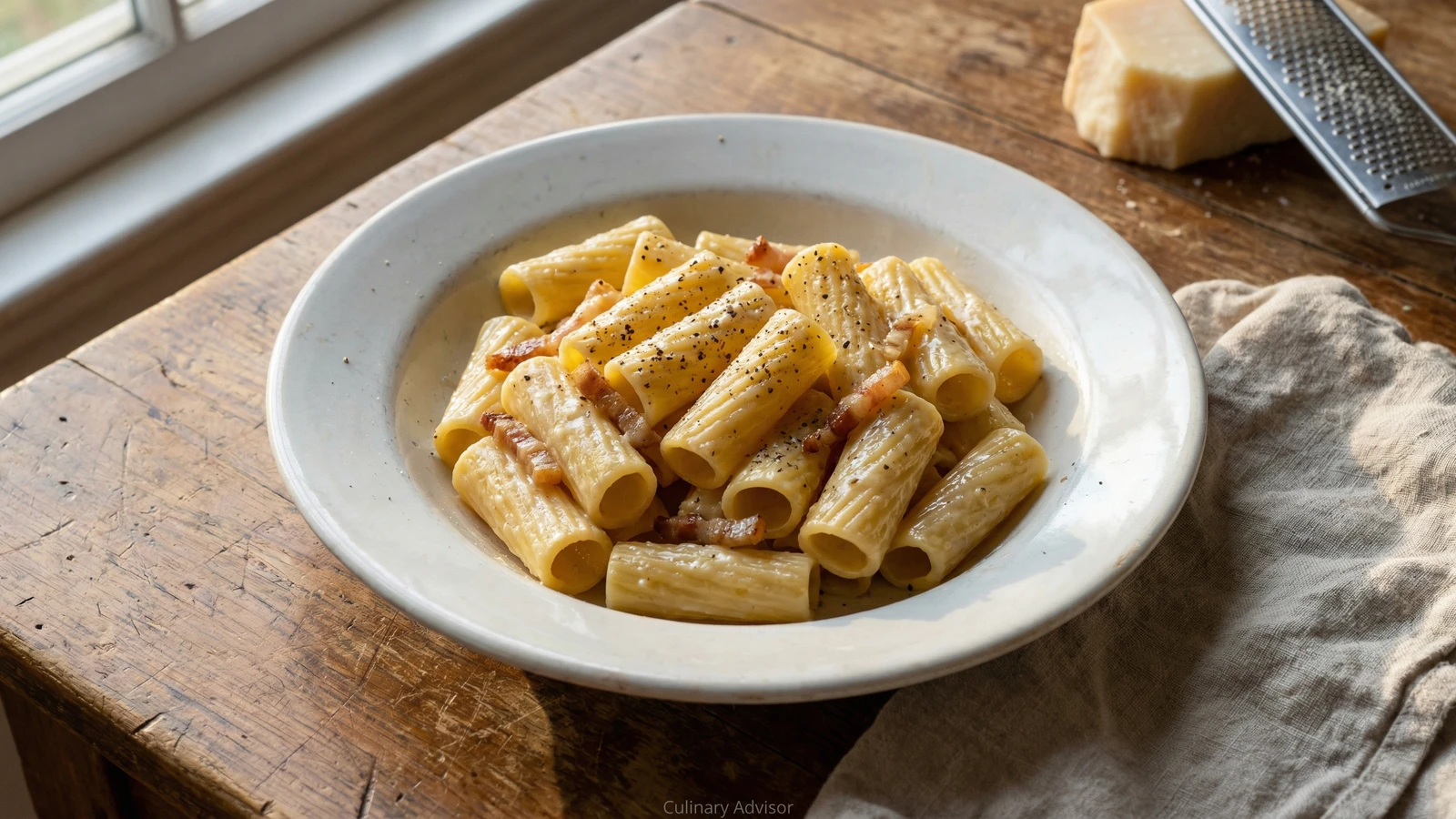
The oldest of Rome's pasta quartet, requiring nothing but guanciale, pecorino, black pepper, and the starchy water that binds them into a glossy, clinging sauce.
Before there was Carbonara, before there was Amatriciana, there was Gricia. This is the mother pasta, the one that existed when shepherds in the hills of Lazio had only cured pork, hard cheese, and pepper to season their evening meal. No eggs. No tomatoes. Nothing but what could survive weeks in a saddlebag.
Americans want to add things. They see four ingredients and assume something is missing. Garlic, perhaps. Onion. Cream. I tell you now: add nothing. What you keep out is as significant as what you put in. The genius of Gricia is that it needs nothing else. The rendered fat from the guanciale, emulsified with starchy pasta water and sharp pecorino, creates a sauce more luxurious than any cream could provide.
The technique is everything. You must render the guanciale slowly, coaxing out its fat without crisping it into bacon. You must work quickly when combining pasta and cheese, using the heat of the pan and the starch of the water to create an emulsion that clings rather than clumps. Simple does not mean easy. This dish will teach you that.
Gricia traces to the shepherds of Amatrice and Grisciano in the mountains of Lazio, who carried guanciale and pecorino on their transhumance routes centuries before tomatoes arrived from the New World. Some historians connect the name to the grici, Alpine bread merchants who settled in Rome's Trastevere. Either way, this is the ancestor from which Amatriciana and Carbonara descended.
Quantity
400 grams
Quantity
200 grams
cut into strips about 1/4 inch thick
Quantity
120 grams
finely grated
Quantity
generous amount
freshly ground
Quantity
for pasta water
| Ingredient | Quantity |
|---|---|
| rigatoni | 400 grams |
| guancialecut into strips about 1/4 inch thick | 200 grams |
| Pecorino Romanofinely grated | 120 grams |
| black pepperfreshly ground | generous amount |
| kosher salt | for pasta water |
Place the guanciale strips in a large cold skillet. Set over medium-low heat. Cook slowly, stirring occasionally, allowing the fat to render gradually. This takes 10 to 12 minutes. The guanciale should become translucent and slightly golden at the edges, but not crispy. You want chewy, not crunchy. If the pan gets too hot, the fat will not render properly and the meat will seize. Patience.
While the guanciale renders, bring a large pot of water to a vigorous boil. Salt it well, though less aggressively than usual because pecorino is salty. Add the rigatoni and cook until two minutes shy of the package time. The pasta will finish cooking in the sauce. Reserve at least two cups of pasta water before draining. This starchy water is your fourth ingredient.
When the guanciale has rendered and taken on pale golden color, remove the skillet from heat briefly. Add a generous amount of freshly ground black pepper directly to the fat. The residual heat will bloom the pepper's aromatics. Stir to combine. The pepper should be visible and abundant. Romans do not fear black pepper.
Return the skillet to medium heat. Using tongs or a spider, transfer the underdrained rigatoni directly from the pot to the skillet. Do not shake off the water. That clinging moisture helps. Toss the pasta with the guanciale and rendered fat, adding splashes of pasta water as needed. Cook for one to two minutes, allowing the pasta to finish cooking and absorb the fat.
Remove the skillet from heat entirely. This is critical. Add about half a cup of pasta water and immediately begin adding the grated pecorino in handfuls, tossing vigorously between each addition. The cheese must melt into the hot pasta water to form a creamy emulsion. If the pan is too hot, the cheese will clump into stringy lumps. If too cool, it will not melt at all. Work quickly and confidently.
Once the pasta is sauced, serve it promptly, inviting your guests and family to put off talking and start eating. Gricia waits for no one. The emulsion will break as it cools. Divide among warm bowls, ensuring each portion gets its share of guanciale. Finish with another grinding of black pepper. No additional cheese at the table. The ratio is already correct.
1 serving (about 280g)
Culinary guides, cultural storytelling, and the editorial depth that makes cooking meaningful.
Discover Culinary ExplorerChef Graziella
Roman lamb chops grilled over scorching heat, seasoned with nothing but salt, rosemary, and fire. You eat them with your hands, straight from the grill, burning your fingers because you cannot wait.

Chef Graziella
Roman milk-fed lamb cut like a chicken, braised with wine, rosemary, and anchovy until the meat surrenders to the fork. The anchovy disappears. The flavor does not.

Chef Graziella
The true sauce of Amatrice: guanciale rendered to gold, tomatoes barely simmered, pecorino melted into silk. Three ingredients that tolerate no substitution and no addition.

Chef Graziella
Three ingredients expose every flaw and reward every success. The silky emulsion of pecorino and pasta water, studded with cracked black pepper, is Rome's gift to cooks who understand that simple does not mean easy.