Chef Dimitra
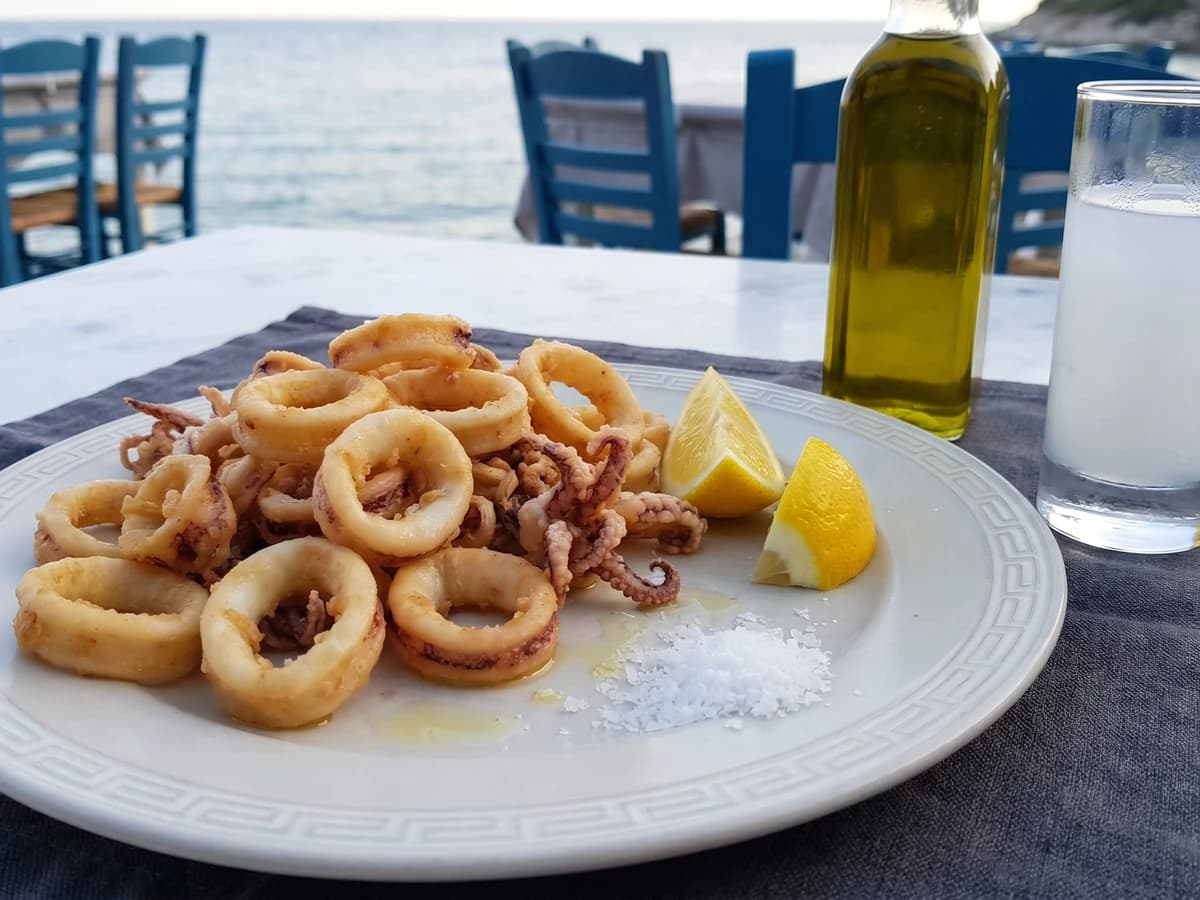
Aegean Island Kalamarakia Tiganita (Καλαμαράκια Τηγανητά)
Aegean island fried squid is flour, hot oil, lemon, and nerve. Fry it for a minute or two, no longer, and it stays tender under its crisp coat.
A cooking platform built around craft, culture, and the stories behind what we eat.
Created by
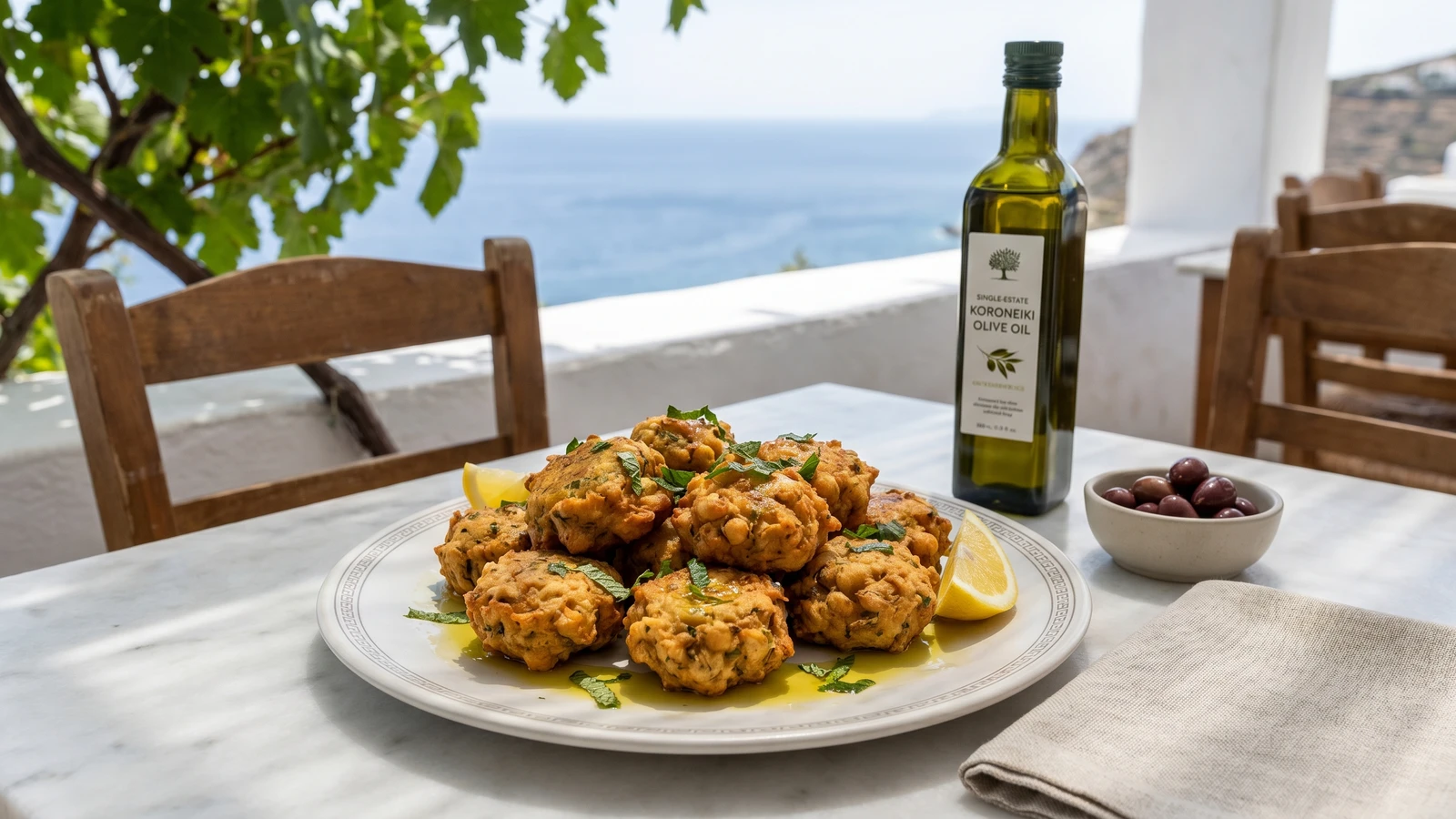
Sifnos makes its chickpea fritters from soaked raw chickpeas, onion, herbs, and cumin, fried in olive oil until the edges turn rough, golden, and crisp.
Revithokeftedes Sifnou are the chickpea fritters of Sifnos, and the island tells you their name before you taste them. The region is the dish's surname. These are not smooth bean patties, and they are not made from boiled chickpeas. They are rough, fragrant little fritters, green with herbs, warm with cumin, and crisp where the broken chickpea catches in the oil.
The whole dish rests on one decision: soak the chickpeas, then grind them raw. That gives you little grains that fry into a tender center with a crisp, craggy shell. Boil them first and you lose the dish. You get paste, heavy and dull, and no amount of parsley will rescue it.
On Sifnos, chickpeas are not a side note. They are Sunday revithada baked slowly in a clay pot, they are Lenten food, they are meze with a glass in the late afternoon. This version belongs beautifully to the fasting table, nistisimo without apology, because Greek Lent never treated vegetables and pulses as second best.
I keep the seasoning plain: onion, mint, parsley, cumin, oregano, good olive oil, and patience. Λίγα και καλά, a few things, and good ones. Shape them small, fry them without crowding, and eat them while the edges still talk under your teeth.
Sifnos is one of the Cycladic islands most closely identified with chickpeas, especially the Sunday revithada traditionally baked overnight in a clay skepastaria. Revithokeftedes developed from the same island pantry and fit the Orthodox fasting calendar, when pulses, herbs, and olive oil carried the table. The Sifnian version is marked by soaked raw chickpeas ground with onion and herbs, a texture that separates it from softer fritters made elsewhere from cooked legumes.
Quantity
300g
soaked overnight in plenty of cold water
Quantity
1 small, about 120g
roughly chopped
Quantity
2
roughly chopped
Quantity
2
chopped
Quantity
25g
leaves and tender stems, chopped
Quantity
12g
chopped
Quantity
1 teaspoon
Quantity
1/2 teaspoon
Quantity
1 teaspoon
Quantity
1/2 teaspoon
Quantity
40g
plus 1-2 tablespoons more only if needed
Quantity
1 tablespoon
Quantity
300ml
for frying
Quantity
as needed
for serving
| Ingredient | Quantity |
|---|---|
| dried chickpeas (revithia)soaked overnight in plenty of cold water | 300g |
| yellow onionroughly chopped | 1 small, about 120g |
| spring onionsroughly chopped | 2 |
| garlic cloveschopped | 2 |
| flat-leaf parsleyleaves and tender stems, chopped | 25g |
| fresh mint leaveschopped | 12g |
| ground cumin | 1 teaspoon |
| dried oregano | 1/2 teaspoon |
| fine sea salt | 1 teaspoon |
| freshly ground black pepper | 1/2 teaspoon |
| plain flourplus 1-2 tablespoons more only if needed | 40g |
| lemon juice | 1 tablespoon |
| extra virgin olive oil or olive oilfor frying | 300ml |
| lemon wedges (optional)for serving | as needed |
Put the dried chickpeas in a large bowl and cover them with at least three times their volume of cold water. Leave them 12 to 18 hours, until swollen and no longer hard at the center. Drain them very well. Do not boil them. This is the method that decides revithokeftedes Sifnou: raw soaked chickpeas grind into small, rough pieces that fry crisp outside and tender inside. Cooked chickpeas turn the mixture into paste.
Put the drained chickpeas, yellow onion, spring onions, garlic, parsley, mint, cumin, oregano, salt, pepper, and lemon juice into a food processor. Pulse, stopping to scrape the bowl, until the mixture looks like coarse wet sand with a few chickpea crumbs still visible. Don't make it smooth. The little uneven pieces are what give the fritters their craggy edges.
Scrape the mixture into a bowl and stir in 40g flour. Press a spoonful in your palm. It should hold together without feeling doughy. If it falls apart, add 1 tablespoon more flour, wait a minute, and test again. Let the mixture rest for 15 minutes so the flour can take up the onion juices.
With wet hands, shape the mixture into small flattened patties, about 35g each and no thicker than 1.5cm. Keep them a little rough. Neat, smooth balls are not the point here. Sifnos wants edges that catch in the oil.
Heat the oil in a wide heavy pan over medium-high heat until a crumb of mixture sizzles at once. Fry the fritters in batches, 3 to 4 minutes per side, until deep golden brown and firm enough to lift cleanly. Don't crowd the pan, or the oil cools and the fritters drink it.
Lift the revithokeftedes onto a rack or paper towel and salt them lightly while hot. Serve warm or at room temperature with lemon wedges. They should be crisp at the ridges, soft but not pasty inside, with cumin and mint coming through before the chickpea sweetness.
1 serving (about 140g)
Culinary guides, cultural storytelling, and the editorial depth that makes cooking meaningful.
Discover Culinary ExplorerChef Dimitra
Aegean island fried squid is flour, hot oil, lemon, and nerve. Fry it for a minute or two, no longer, and it stays tender under its crisp coat.

Chef Dimitra
Pale Aegean taramosalata is cured roe, soaked bread, lemon, and olive oil worked slowly until it turns thick and clean, made for lagana on Clean Monday.

Chef Dimitra
Athenian March 25 salt cod, crisp in a puffed beer batter and served with garlic skordalia, the Lenten fish dish Greece keeps for Annunciation day.

Chef Dimitra
Crete names this dish by the pan motion: snails set mouth-down in salted flour, fried in good olive oil, then hit with rosemary and vinegar.