Chef Juliana
Abobrinha Refogada
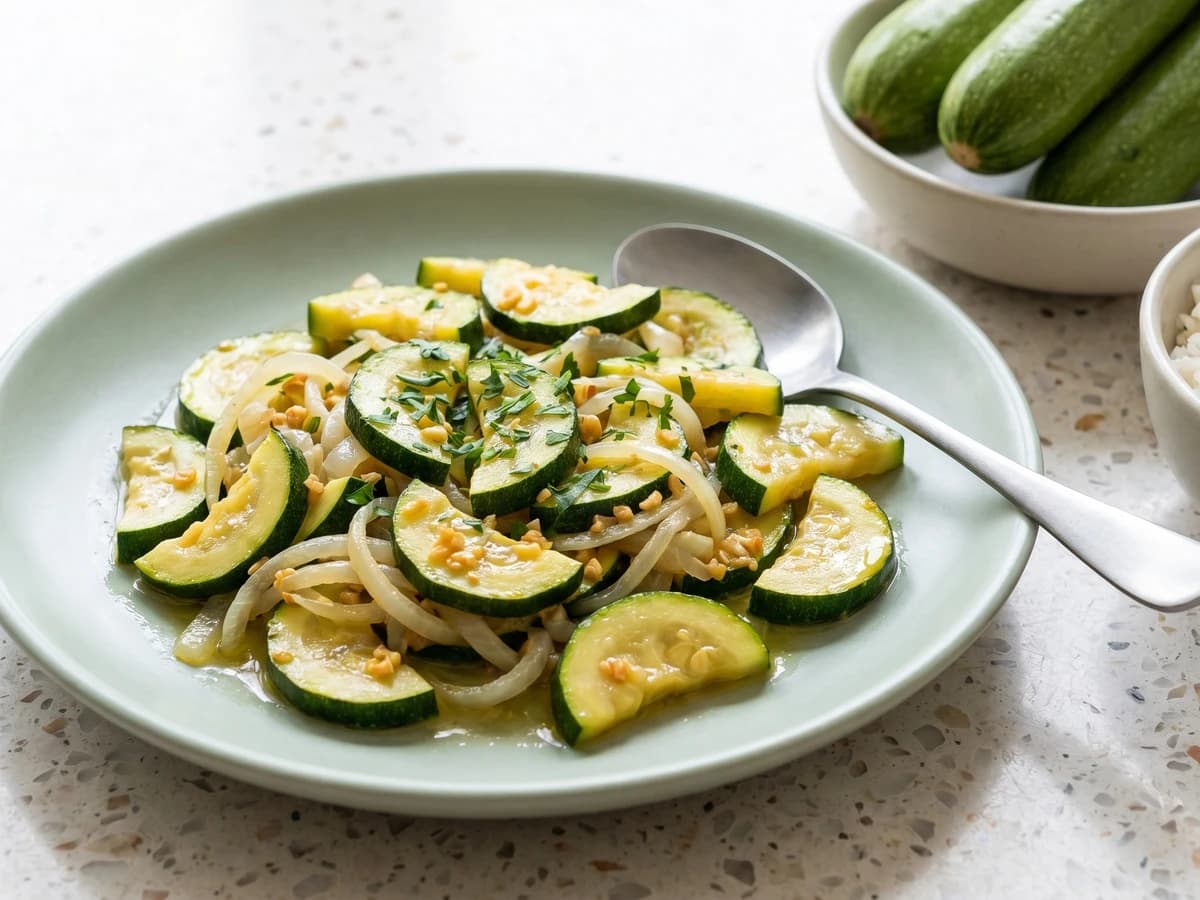
You think you'll turn zucchini into mush. Fine. Anota aí: high heat, wide pan, salt at the end, and suddenly this little green side starts solving dinner.
A cooking platform built around craft, culture, and the stories behind what we eat.
Created by
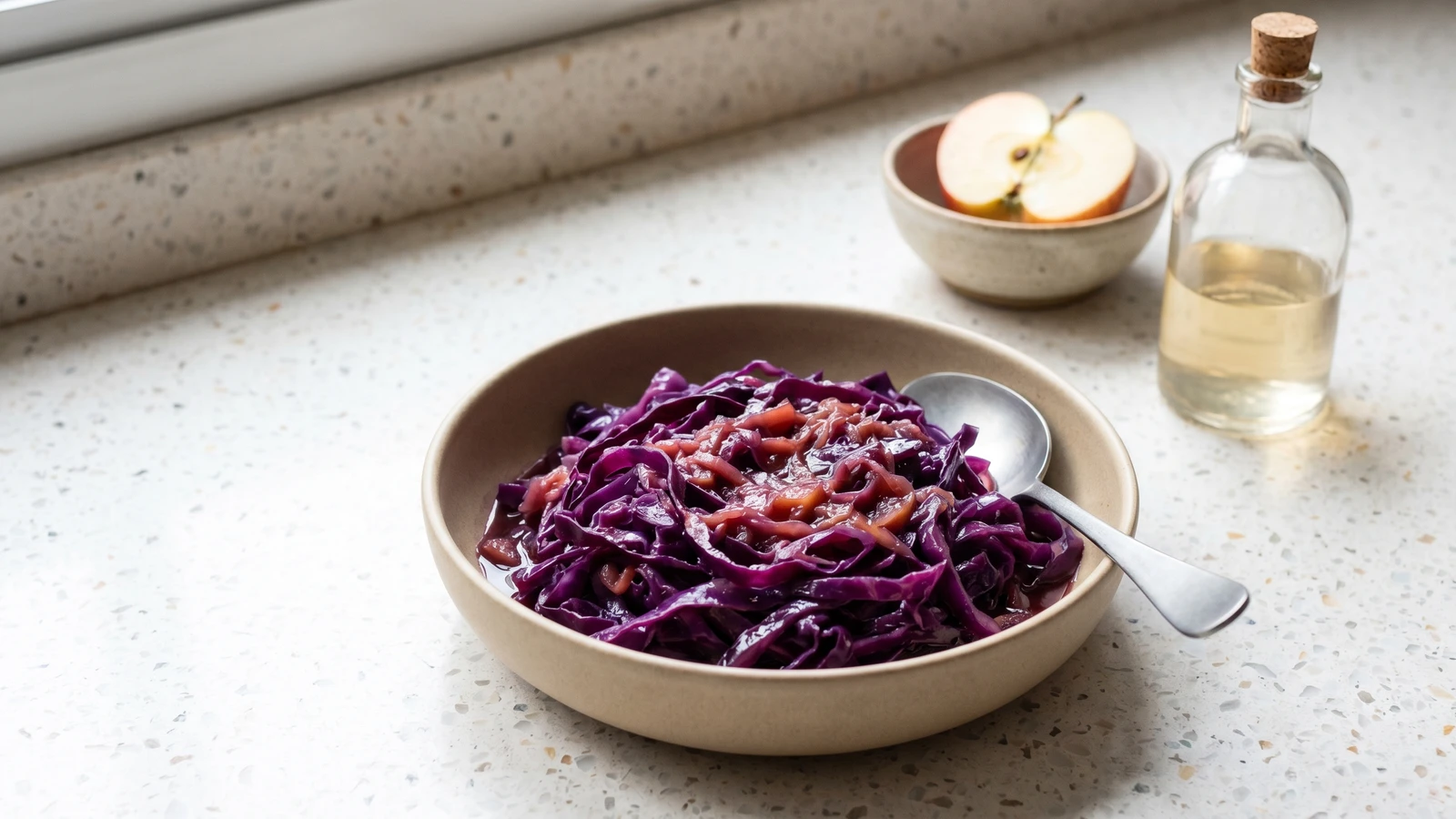
You think the bright side on the Christmas table belongs to people who know what they're doing. It doesn't. It's cabbage, apple, vinegar, sugar, and patience cooked until glossy.
You see a purple cabbage and hear the little voice: 'isso não é pra mim.' Too pretty, too festive, too much like something someone else knows how to make. Good. Now a gente can take that excuse apart, because this is cabbage, not a diploma. Cozinhar não é dom, é um aprendizado.
I learned to cook as a grown woman with a cheap caderno open on the counter, writing down every small thing nobody had bothered to explain. This is one of those receitas que funcionam because the method is honest: salt the cabbage so it starts to relax, build a real refogado, add apple and vinegar for the agridoce, then let time do the quiet work. No packet, no powder, no fake shortcut pretending to be flavor. Comida de verdade is cheaper than the imitation, and less bossy.
Not every Brazilian table grew up eating this on a Tuesday, and I won't pretend the whole country did. But plenty of holiday tables, especially from the South into São Paulo homes, know this sweet-sour cabbage beside duck, pork, turkey, or tender. It became Brazilian the ordinary way: cooked at home, reheated, argued over, spooned next to rice and beans, farofa, salad, and whatever meat or egg is resolving dinner.
On the pê-efe, the everyday plate, it brings the bright thing. Rice and beans give the base, something green gives freshness, and this cabbage wakes up the whole plate with vinegar, apple, and gloss. By tomorrow it tastes even better, which is how a side dish earns its place in a real kitchen.
German-speaking immigration to southern Brazil began in 1824 with the colony of São Leopoldo in Rio Grande do Sul, and those communities helped make sweet-sour cabbage familiar beside roast pork, duck, and holiday plates in the South. The dish's close European cousins are Rotkohl and Blaukraut, cabbage cooked with apple, vinegar, and sugar, but Brazilian tables folded it into Christmas and Sunday roasts instead of keeping it separate from rice, beans, farofa, and salads. The color is kitchen chemistry, not drama: vinegar keeps the cabbage red-purple, while alkaline ingredients can push the same cabbage toward blue.
Quantity
1 medium head (about 900 g / 2 lb, 10 cups sliced)
cored and thinly sliced
Quantity
1 1/2 teaspoons
divided
Quantity
2 tablespoons
Quantity
1 tablespoon
for finishing
Quantity
1 large
thinly sliced
Quantity
2 cloves
minced
Quantity
1
peeled if waxed and coarsely grated
Quantity
1/3 cup
Quantity
2 tablespoons
white or demerara
Quantity
1/2 cup
Quantity
1
Quantity
2
Quantity
1/4 teaspoon
Quantity
1/4 cup
| Ingredient | Quantity |
|---|---|
| red cabbagecored and thinly sliced | 1 medium head (about 900 g / 2 lb, 10 cups sliced) |
| fine saltdivided | 1 1/2 teaspoons |
| neutral oil or olive oil | 2 tablespoons |
| unsalted butter (optional)for finishing | 1 tablespoon |
| yellow onionthinly sliced | 1 large |
| garlicminced | 2 cloves |
| firm applepeeled if waxed and coarsely grated | 1 |
| apple cider vinegar or white wine vinegar | 1/3 cup |
| sugarwhite or demerara | 2 tablespoons |
| water | 1/2 cup |
| bay leaf | 1 |
| whole cloves (optional) | 2 |
| freshly ground black pepper | 1/4 teaspoon |
| raisins (optional) | 1/4 cup |
Put the sliced cabbage in a large bowl and toss it with 1 teaspoon of the salt. Let it sit while you slice the onion and grate the apple, about 10 minutes. The cabbage will look damp and a little relaxed. That's the salt pulling out a little water, which helps it murchar in the pan instead of catching on the bottom before it softens.
Warm the oil in a wide heavy pan or Dutch oven over medium heat. Add the onion, bay leaf, and 1/4 teaspoon of the salt, then cook, stirring now and then, until the onion goes soft and golden at the edges, 6 to 8 minutes. Add the garlic and cook for 30 seconds, just until you can smell it. The onion needs time before the vinegar comes in because acid slows softening, and burnt garlic is bitter enough to announce itself from the next room.
Add the cabbage, including any purple liquid left in the bowl, and toss it through the refogado. Cook uncovered for 6 to 8 minutes, turning it with tongs, until the pile drops by about half and the leaves look shiny and bend without snapping. This first heat drives off the raw cabbage smell. If you drown it too early, you get boiled cabbage sulking in a pan, and nobody invited that to Christmas.
Stir in the grated apple, vinegar, sugar, water, black pepper, whole cloves if using, raisins if your house allows them, and the last 1/4 teaspoon salt. Scrape the bottom of the pan and bring the liquid to a lively bubble. The vinegar keeps the color red-purple and cuts the sweetness, the apple melts into body, and the sugar balances the acid. This is agridoce, sweet-sour, not candy.
Cover the pan, lower the heat, and cook for 25 to 35 minutes, stirring every 10 minutes. The cabbage should turn deep purple, silky, and tender, with a small bite left in the thicker pieces. If the pan looks dry before the cabbage is tender, add 2 tablespoons water. Covered heat turns tough ribbons into a proper side dish without burning the sugar on the bottom.
Uncover the pan and cook over medium heat for 5 to 8 minutes, until the liquid turns glossy and syrupy enough that a spoon leaves a brief path across the bottom. Taste it. Add a teaspoon of vinegar if it tastes dull, a pinch of sugar if it's too sharp, or a pinch of salt if everything tastes quiet. Stir in the butter if using, then fish out the bay leaf and cloves. Let it rest 10 minutes before serving, because the sweet and sour settle down and behave better after a little patience.
1 serving (about 210g)
Culinary guides, cultural storytelling, and the editorial depth that makes cooking meaningful.
Discover Culinary ExplorerChef Juliana
You think you'll turn zucchini into mush. Fine. Anota aí: high heat, wide pan, salt at the end, and suddenly this little green side starts solving dinner.

Chef Juliana
You think this is sacred enough to be impossible. It isn't. Acaçá is patience, stirring, and ponto, taught plainly, with respect for the terreiros that carry it.
Chef Juliana
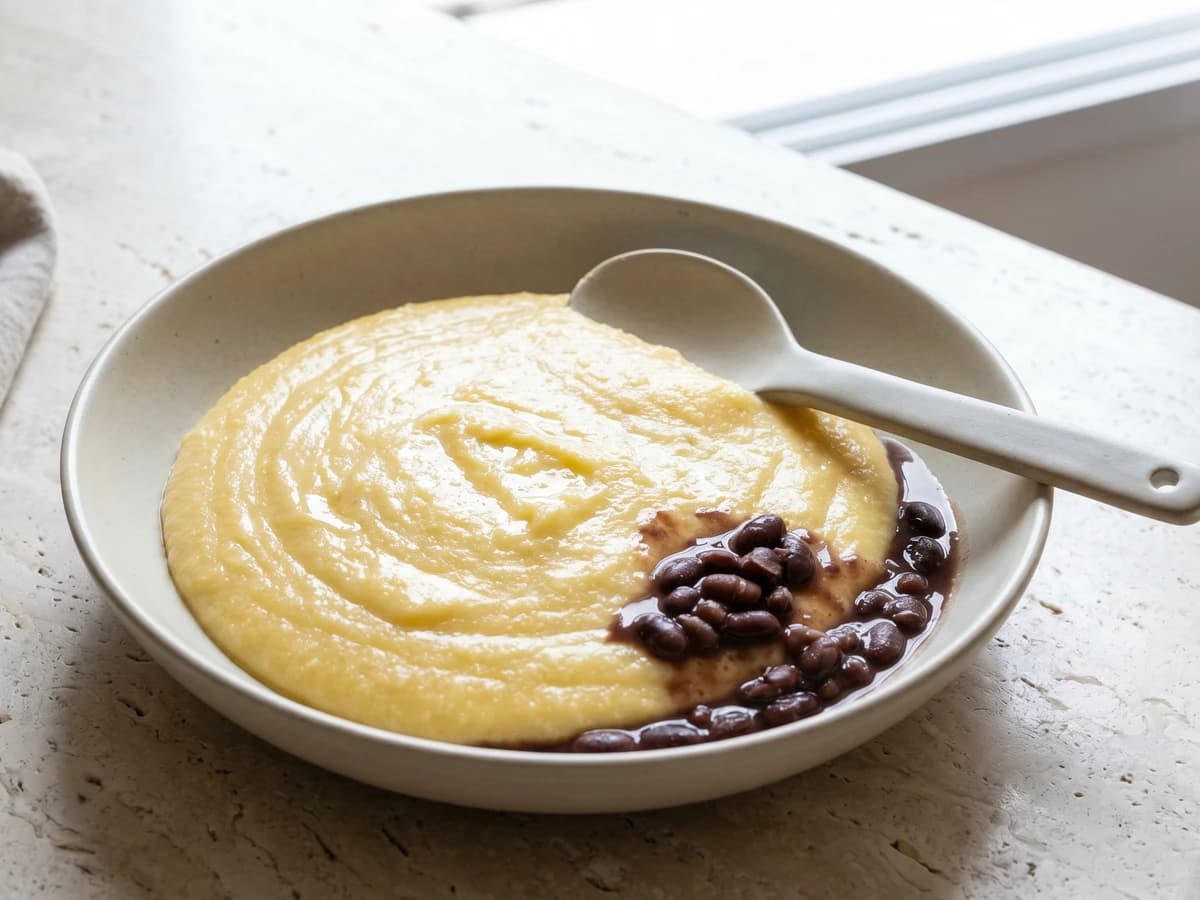
You think cornmeal will turn into lumps and shame. It won't. Cold water first, patient stirring, and a real garlic base give you angu that solves dinner.
Chef Juliana
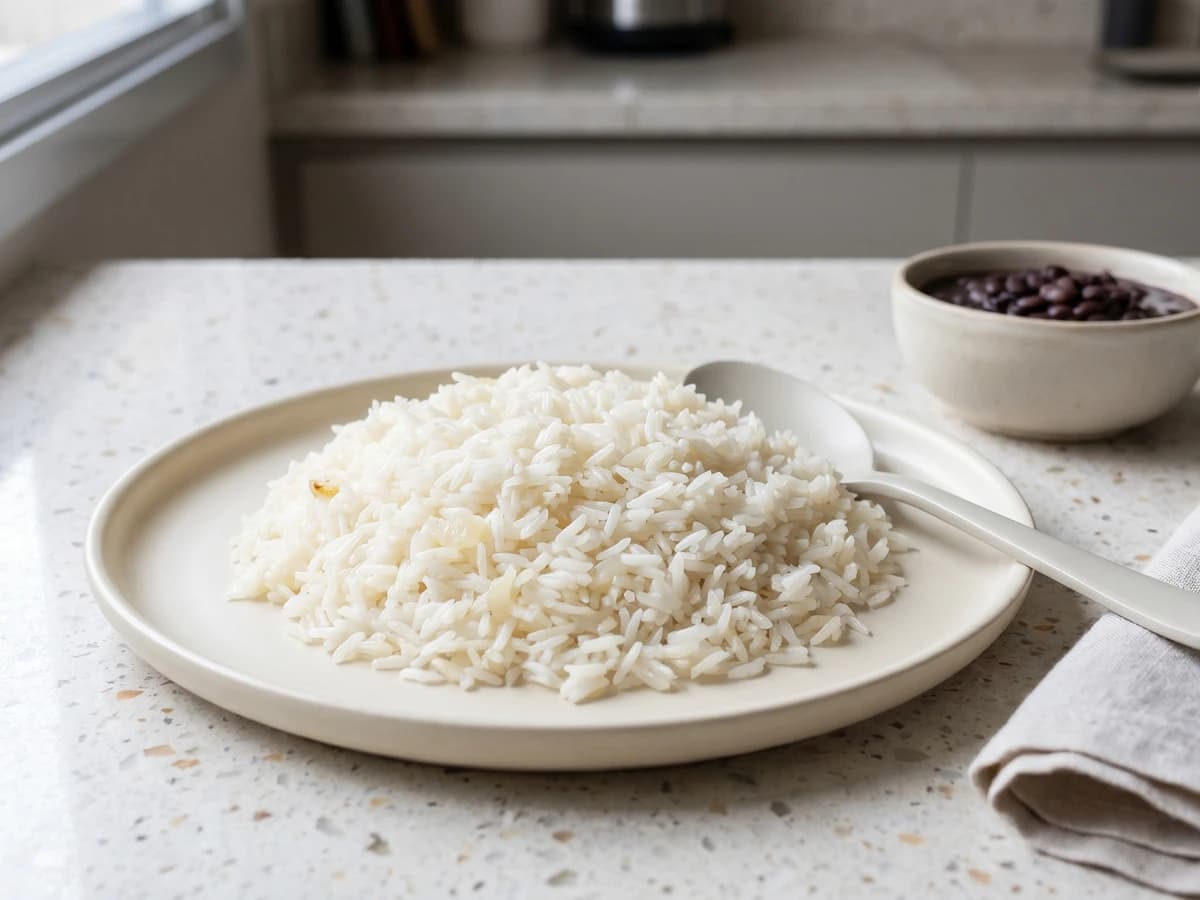
Everyone swears they can't make good rice. They're wrong. Refogue onion and garlic, use two parts water to one rice, then close the lid and leave the poor thing alone.