
Chef Graziella
Conserva di Pomodoro
The summer ritual of southern Italian home cooks, transforming ten pounds of ripe tomatoes into concentrated essence that will carry the taste of August through the winter months.
A cooking platform built around craft, culture, and the stories behind what we eat.
Created by
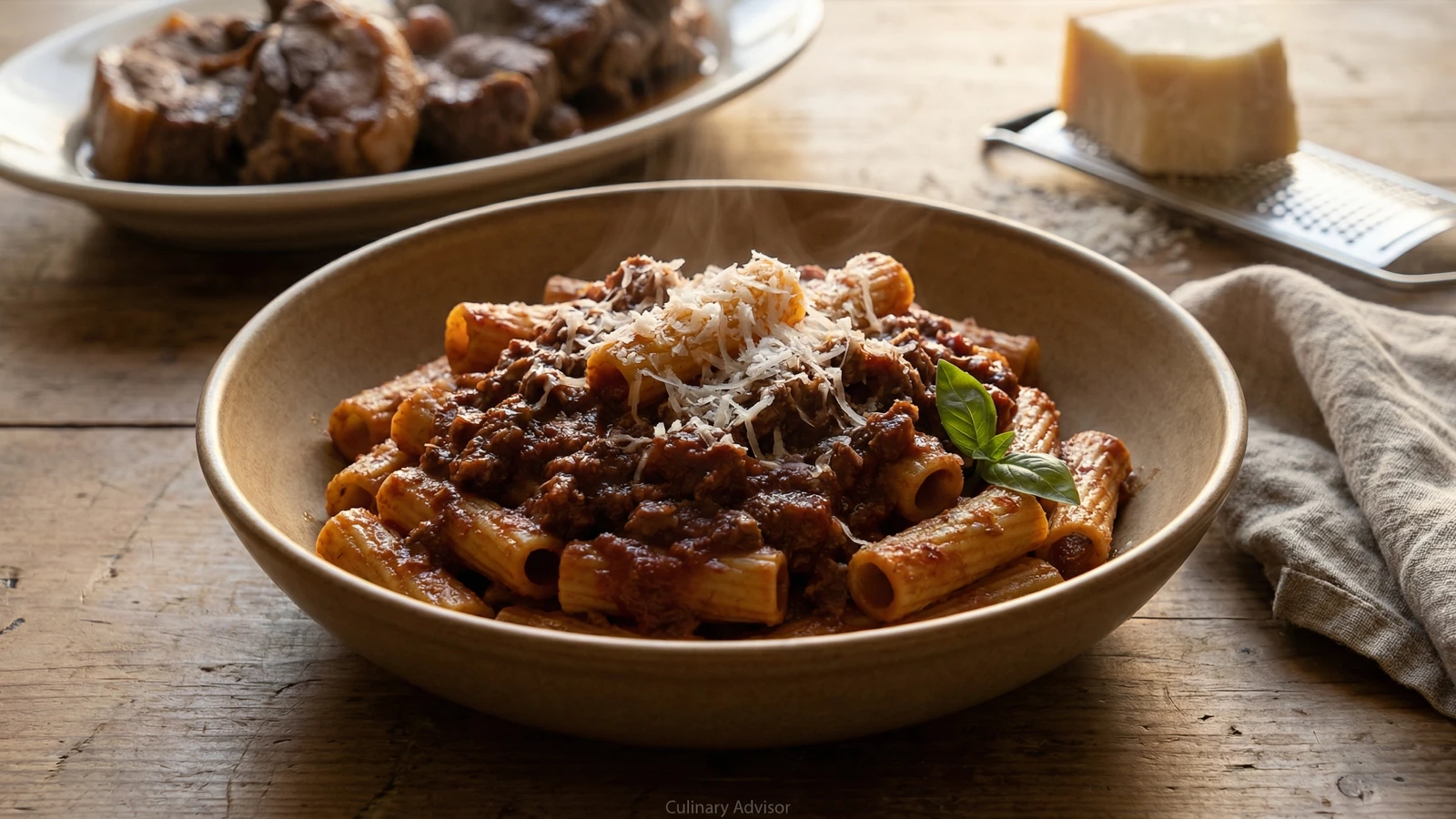
The Sunday sauce of Naples, where whole cuts of beef and pork surrender to tomato over five patient hours. The pasta comes first, dressed in concentrated sauce. The meat follows as its own course.
This is not Bolognese. Do not confuse them. Ragù alla Napoletana is tomato-forward, cooked until the sauce turns from bright red to the deep burgundy of old wine. The meat goes in whole and comes out so tender it falls apart when you look at it sternly.
In Naples, this sauce cooks on Sunday mornings while families attend Mass. The grandmother stays home to mind the pot, adjusting the flame, listening for the slow bubbling the Neapolitans call 'pippiare.' That sound tells you the sauce is cooking correctly: a lazy, intermittent blup-blup, never a vigorous boil.
The genius of this dish is that it gives you two courses from one pot. The pasta, usually ziti or rigatoni, comes first, dressed with the concentrated sauce and showered with Pecorino Romano. Then the meat arrives, arranged on a platter, the reward for your patience. This is how Sundays were meant to unfold.
Ragù alla Napoletana descended from the Spanish occupation of Naples in the 16th century, when the ruling class brought their tradition of slow-cooked meat stews. Neapolitan cooks transformed it by adding the tomatoes that arrived from the New World, creating a sauce that would define Sunday cooking throughout Campania for four centuries.
Quantity
2 pounds
in one piece
Quantity
1 pound
separated into individual ribs
Quantity
1 pound
Quantity
1/3 cup
Quantity
1 large
diced fine
Quantity
4
peeled and lightly crushed
Quantity
1 cup
Quantity
3 cans (28 ounces each)
passed through food mill
Quantity
2 tablespoons
Quantity
1 teaspoon, plus more to taste
Quantity
1/2 teaspoon
freshly ground
Quantity
1 small bunch
Quantity
1 1/2 pounds
Quantity
for serving
freshly grated
| Ingredient | Quantity |
|---|---|
| beef chuck roastin one piece | 2 pounds |
| pork spare ribsseparated into individual ribs | 1 pound |
| Italian pork sausages | 1 pound |
| extra virgin olive oil | 1/3 cup |
| yellow oniondiced fine | 1 large |
| garlic clovespeeled and lightly crushed | 4 |
| dry red wine | 1 cup |
| San Marzano tomatoespassed through food mill | 3 cans (28 ounces each) |
| tomato paste | 2 tablespoons |
| kosher salt | 1 teaspoon, plus more to taste |
| black pepperfreshly ground | 1/2 teaspoon |
| fresh basil | 1 small bunch |
| dried ziti or rigatoni | 1 1/2 pounds |
| Pecorino Romanofreshly grated | for serving |
Pat the beef chuck completely dry with paper towels. Season generously with salt and pepper on all sides. In a heavy pot or Dutch oven, heat the olive oil over medium-high heat until it shimmers but does not smoke. Add the beef and brown it deeply on all sides, turning every 3 to 4 minutes. This takes at least 12 minutes total. The crust should be dark mahogany, not pale tan. Remove to a plate.
Add the spare ribs to the pot in a single layer. Brown well on all sides, about 8 minutes total. Remove to the plate with the beef. Add the sausages and brown on all sides, about 5 minutes. The sausages will finish cooking in the sauce, so you are only developing color and flavor here. Remove to the plate.
Pour off all but 3 tablespoons of fat from the pot. Reduce heat to medium. Add the onion and cook, stirring occasionally, until soft and golden, about 10 minutes. Add the crushed garlic and cook 2 minutes more. The garlic should become fragrant and barely begin to color. Add the tomato paste and stir it into the onion for 1 minute.
Pour in the red wine and scrape up all the browned bits from the bottom of the pot. These are concentrated flavor. Let the wine simmer until it reduces by half, about 4 minutes. You should no longer smell sharp alcohol.
Add the passed tomatoes, salt, and pepper. Stir well. Return the beef, ribs, and sausages to the pot, nestling them into the sauce. The meat should be mostly submerged. Tuck the basil bunch into the sauce. Bring to a simmer.
Reduce heat to the lowest possible setting. The sauce should barely simmer, with lazy bubbles breaking the surface every few seconds. This is the pippiare. Partially cover the pot, leaving a gap for steam to escape. Cook for 5 hours, stirring gently every 30 to 45 minutes and turning the meat occasionally. If the sauce reduces too much, add a splash of water.
After 5 hours, the beef should be completely tender, yielding easily to a fork. The ribs should pull cleanly from the bone. The sauce should coat a spoon thickly. Remove the basil bunch, which has given everything it has. Taste the sauce and adjust salt. Remove all the meat to a warm platter and cover loosely with foil.
Bring abundant salted water to a vigorous boil. The water should taste like the sea. Cook the ziti until al dente, with pleasant resistance at the center when bitten. This takes 1 to 2 minutes less than the package suggests. Reserve one cup of pasta water before draining.
Return the drained pasta to its pot. Add enough ragù to coat generously, about 2 cups. Toss over low heat for one minute, adding splashes of pasta water if needed to help the sauce cling. The pasta should be dressed, not swimming.
Transfer the dressed pasta to a warm serving bowl. Pass Pecorino Romano at the table. This is the first course. When the pasta is finished, bring the platter of meat to the table. Slice the beef into thick pieces. Arrange the ribs and sausages alongside. Spoon a little additional sauce over the meat. This is the second course. This is Sunday dinner.
1 serving (about 620g)
Culinary guides, cultural storytelling, and the editorial depth that makes cooking meaningful.
Discover Culinary ExplorerChef Graziella
The summer ritual of southern Italian home cooks, transforming ten pounds of ripe tomatoes into concentrated essence that will carry the taste of August through the winter months.

Chef Graziella
Five ingredients. Forty-five minutes. A tomato sauce so pure it proves that restraint is not a limitation but a liberation. What you keep out is as significant as what you put in.
Chef Juliette
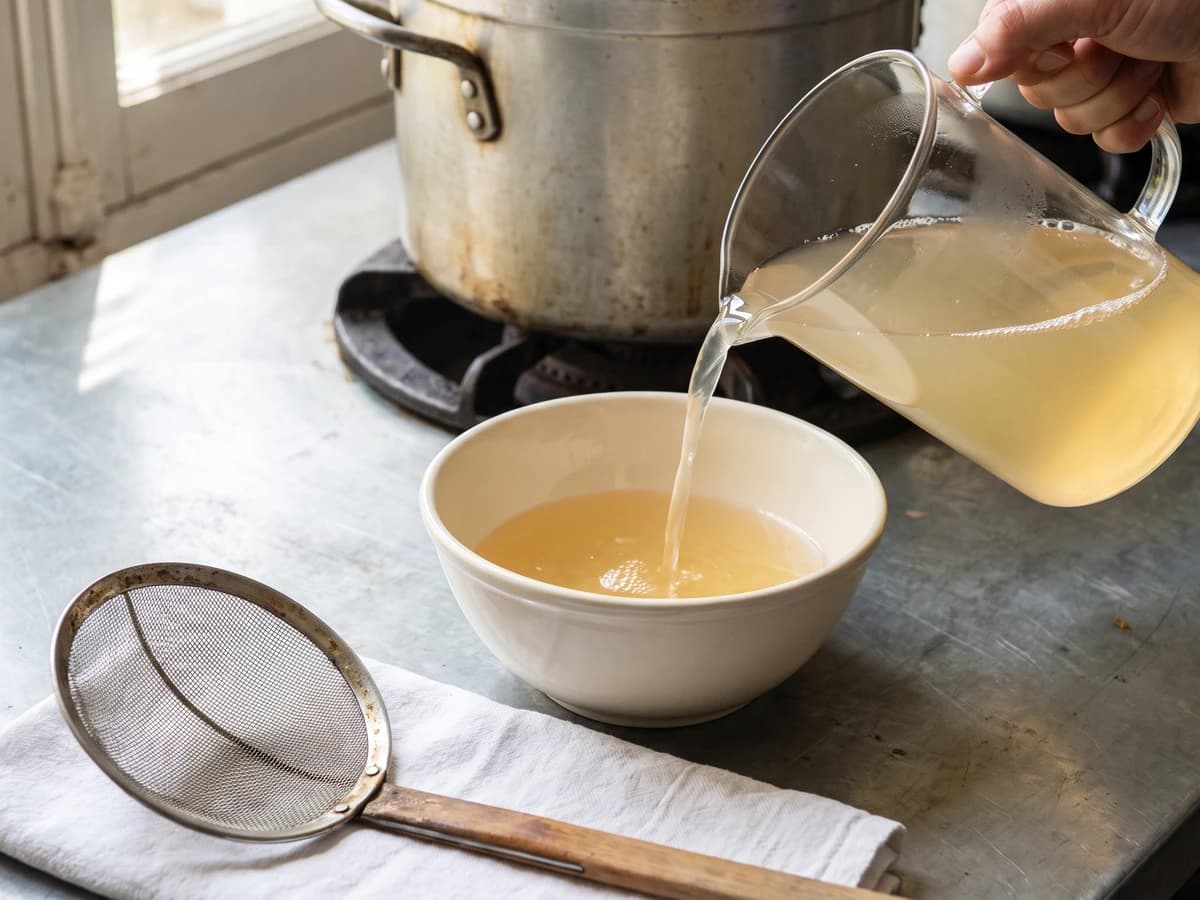
Beef shin, lean beef, and fowl begin in cold water and rise slowly toward a tremble. Skim before the boil, and you learn the quiet discipline that gives every clear French broth its backbone.
Chef Juliette
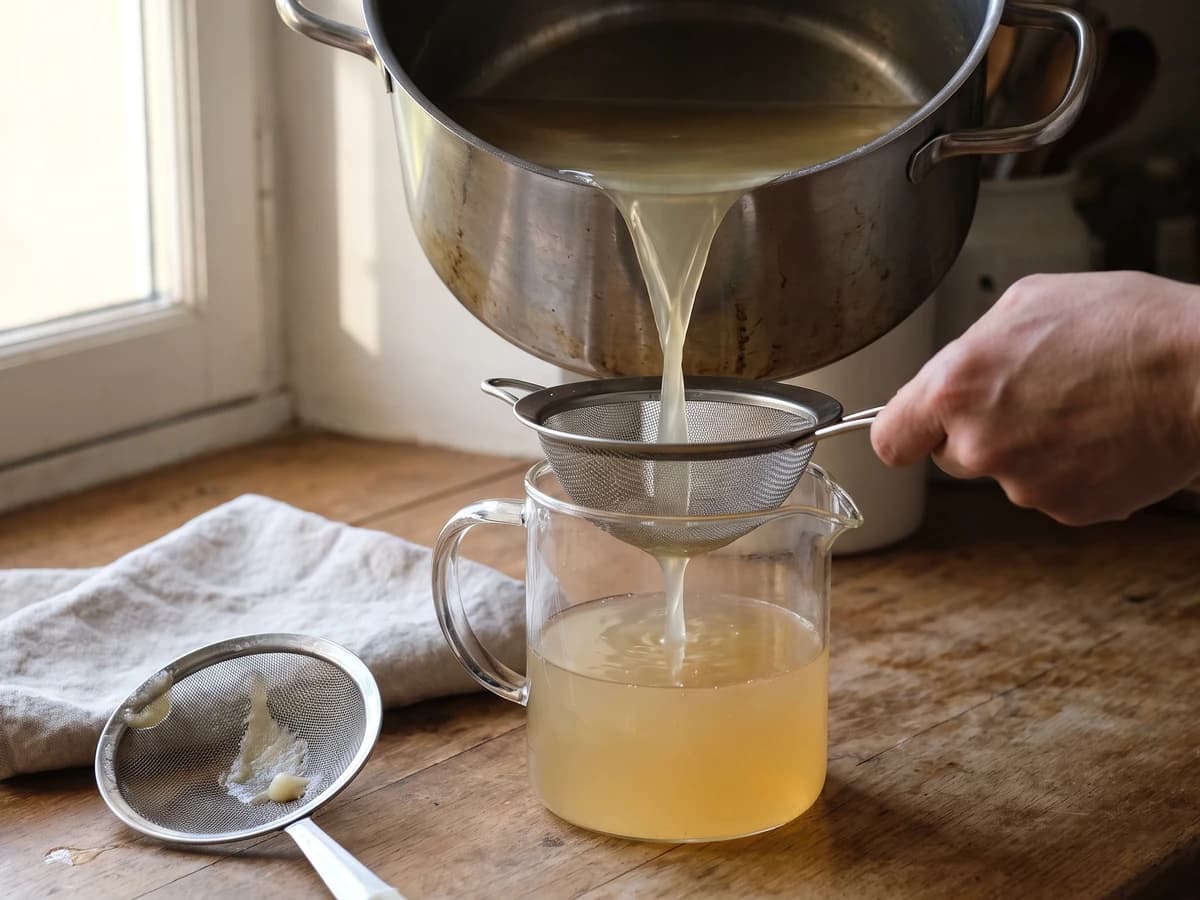
Break the veal bones small, then give them eight hours at a bare tremble. This pale, gelatinous fond becomes the quiet foundation beneath velouté, blanquette, and every sauce that must stay light.