Chef Isabel
Acedías Fritas de Cádiz
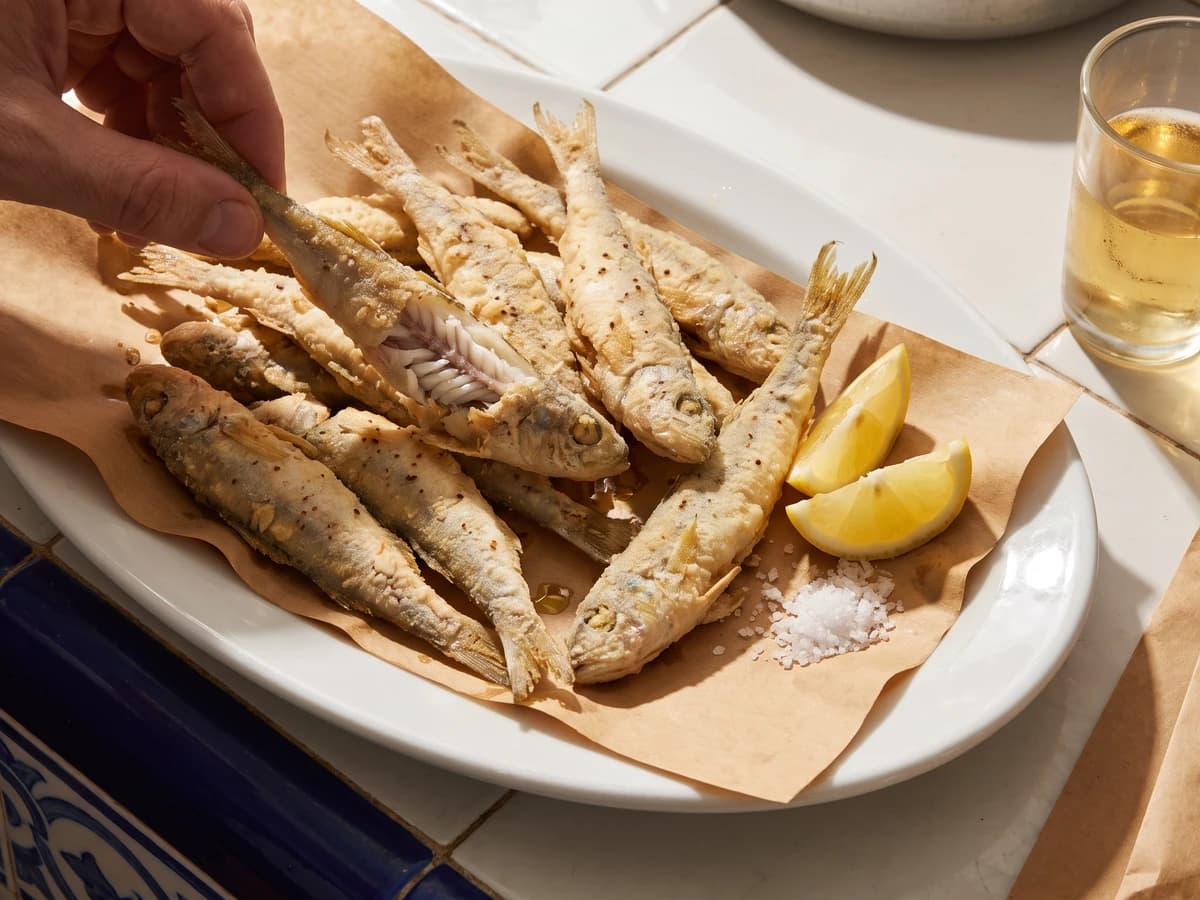
Acedías fritas belong to Cádiz: tiny wedge sole, salted, dusted in frying flour, and dropped into very hot olive oil so the rims crisp while the fish stays tender.
A cooking platform built around craft, culture, and the stories behind what we eat.
Created by
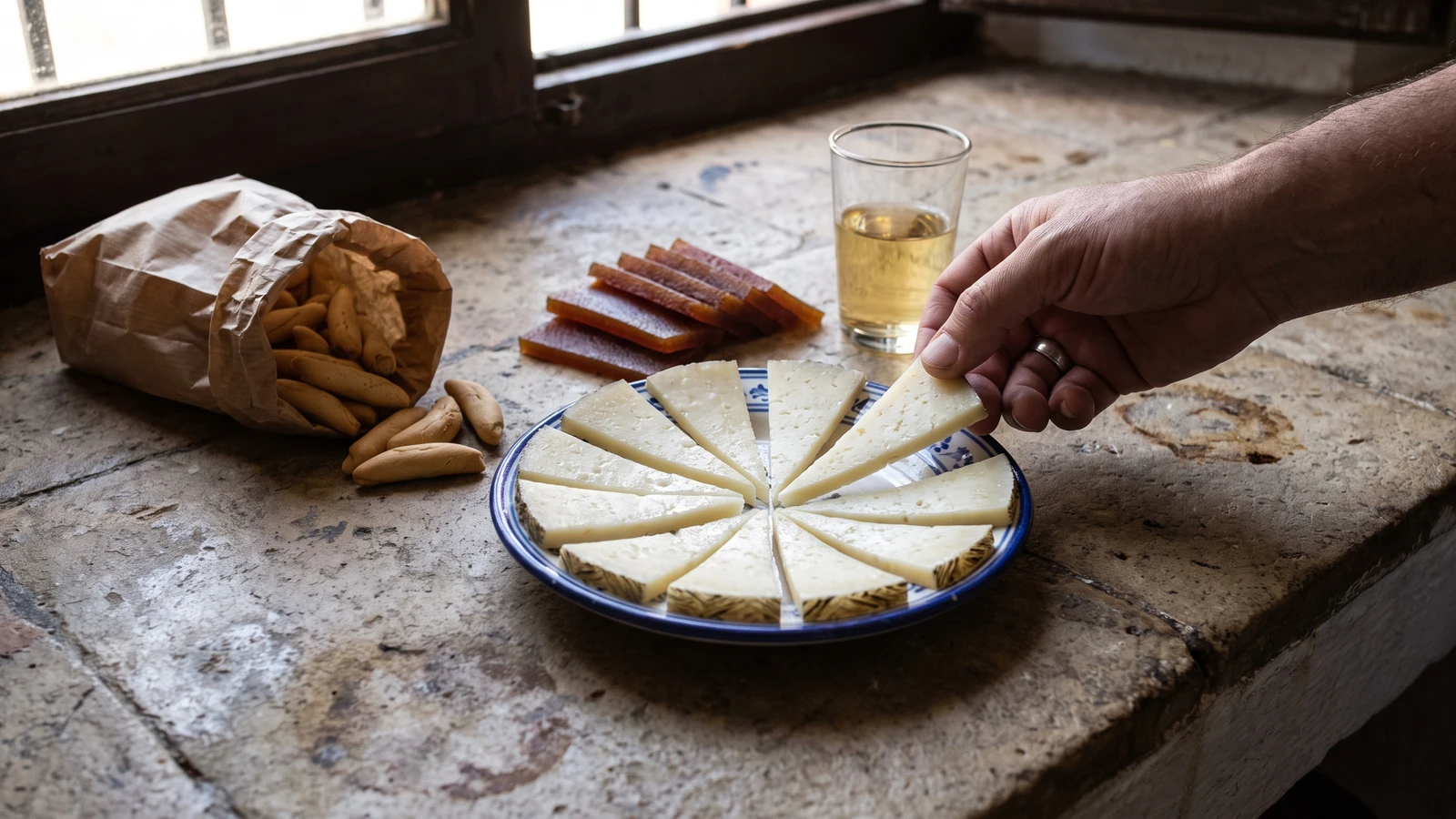
Queso Payoyo belongs to the Sierra de Cádiz in Andalucía: a rich mixed-milk mountain cheese, nutty, tangy, sometimes rubbed with rosemary, and best served simply in slim wedges.
Queso Payoyo is Andaluz, from the Sierra de Cádiz, and it tastes of that mountain pasture: Payoya goat milk for brightness, sheep milk for fat and roundness, and a firm paste that cuts cleanly when you treat it properly. This is not a cheese that needs fuss. It needs the right temperature and a sharp knife.
The method that decides it is tempering. Take the cheese out of the refrigerator at least one hour before serving, longer if the wedge is large, so the fat softens and the smell opens. Cold Payoyo tastes tight and muted. At room temperature it turns nutty, grassy, a little sharp at the edge, with the sheep milk carrying the finish.
Cut it into slim wedges, not thick blocks. You want rind, paste, and heart in each piece, so every bite shows the whole cheese. If you find a rosemary-rubbed Payoyo, serve it as it is; don't bury it under honey and decoration. If you can't find Payoyo where you are, look for a cured Spanish mixed goat-and-sheep cheese, or a good cured goat cheese at a pinch. What changes is the mountain tang, but the table still works. Siempre sale, si lo sigues.
Queso Payoyo comes from the Sierra de Cádiz, especially around Villaluenga del Rosario and Grazalema, where Payoya goats graze rough mountain pasture and their milk is often blended with sheep milk for a richer curado. The cheese belongs to the living pastoral tradition of the Andalusian sierras, where preserving milk as firm wheels made sense in villages shaped by goats, sheep, stone, and season. Rosemary-rubbed wheels are one recognized style, not a garnish added at the table but part of the cheese's own curing.
Quantity
300g
semi-cured or cured, brought to room temperature
Quantity
120g
Quantity
60g
sliced thinly
Quantity
40g
| Ingredient | Quantity |
|---|---|
| Queso Payoyosemi-cured or cured, brought to room temperature | 300g |
| rustic bread or picos camperos | 120g |
| membrillo (optional)sliced thinly | 60g |
| Marcona almonds (optional) | 40g |
Take the Queso Payoyo out of the refrigerator 1 hour before serving, or 90 minutes if the wedge is thick. Leave it covered loosely, not wrapped tight in plastic. The cheese should lose its chill but not sweat.
Use a sharp knife and cut the cheese into slim wedges, about 6mm thick at the wide end. Each piece should carry a little rind and a little centre. Pésalo, no lo adivines, 300g is enough for six people before dinner.
Lay the wedges slightly overlapping on a plain plate or board. Put the bread or picos alongside, with membrillo and almonds if using. Keep the cheese itself clean and visible; Payoyo has already done the work.
Serve when the cheese smells nutty and faintly grassy, and the cut face has softened from matte to creamy. If it is rosemary-rubbed, let that rind speak. Don't scrape it off, and don't cover it with sweet things.
1 serving (about 87g)
Culinary guides, cultural storytelling, and the editorial depth that makes cooking meaningful.
Discover Culinary ExplorerChef Isabel
Acedías fritas belong to Cádiz: tiny wedge sole, salted, dusted in frying flour, and dropped into very hot olive oil so the rims crisp while the fish stays tender.
Chef Isabel
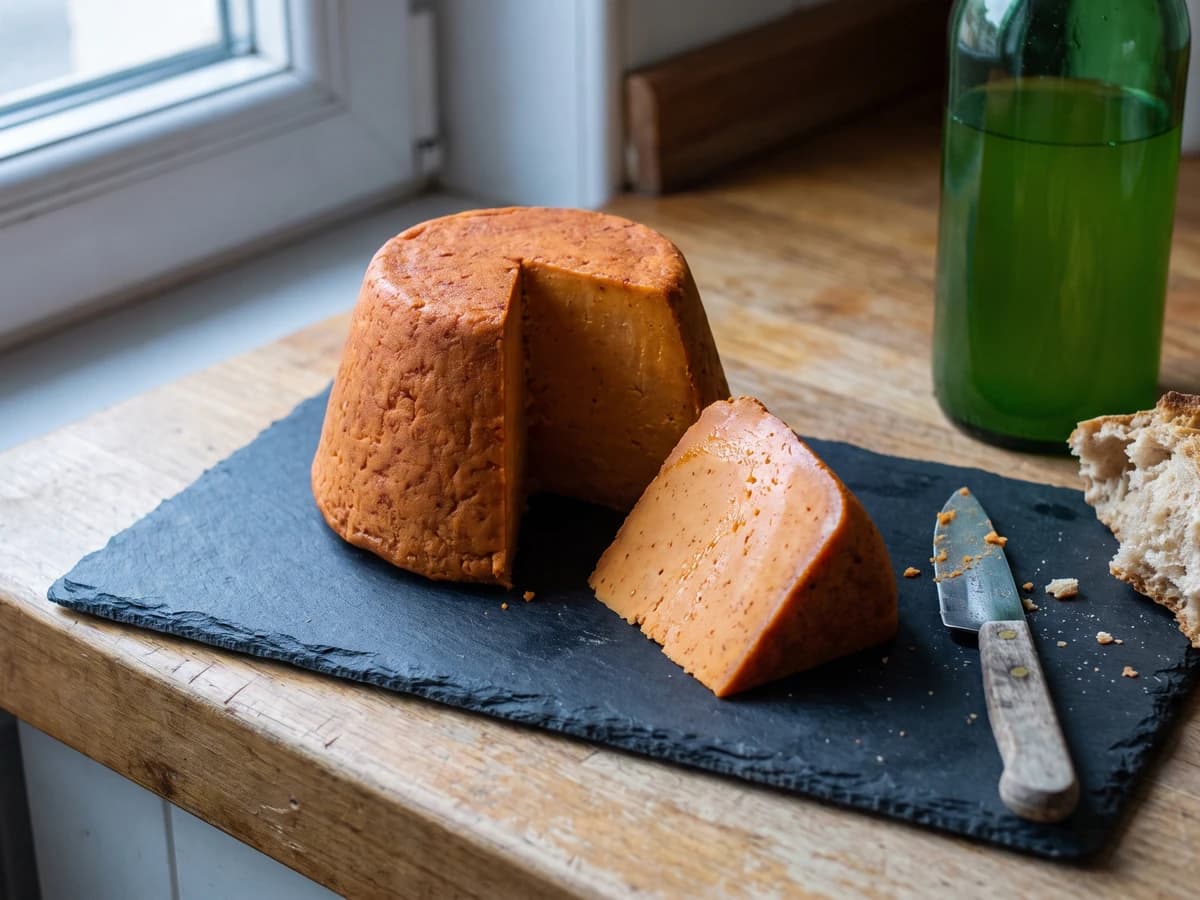
Afuega'l Pitu Roxu is Asturias in a small cheese: cow's milk set slowly to a dense curd, drained without squeezing, then kneaded with pimentón until it turns orange and grips the throat.
Chef Isabel
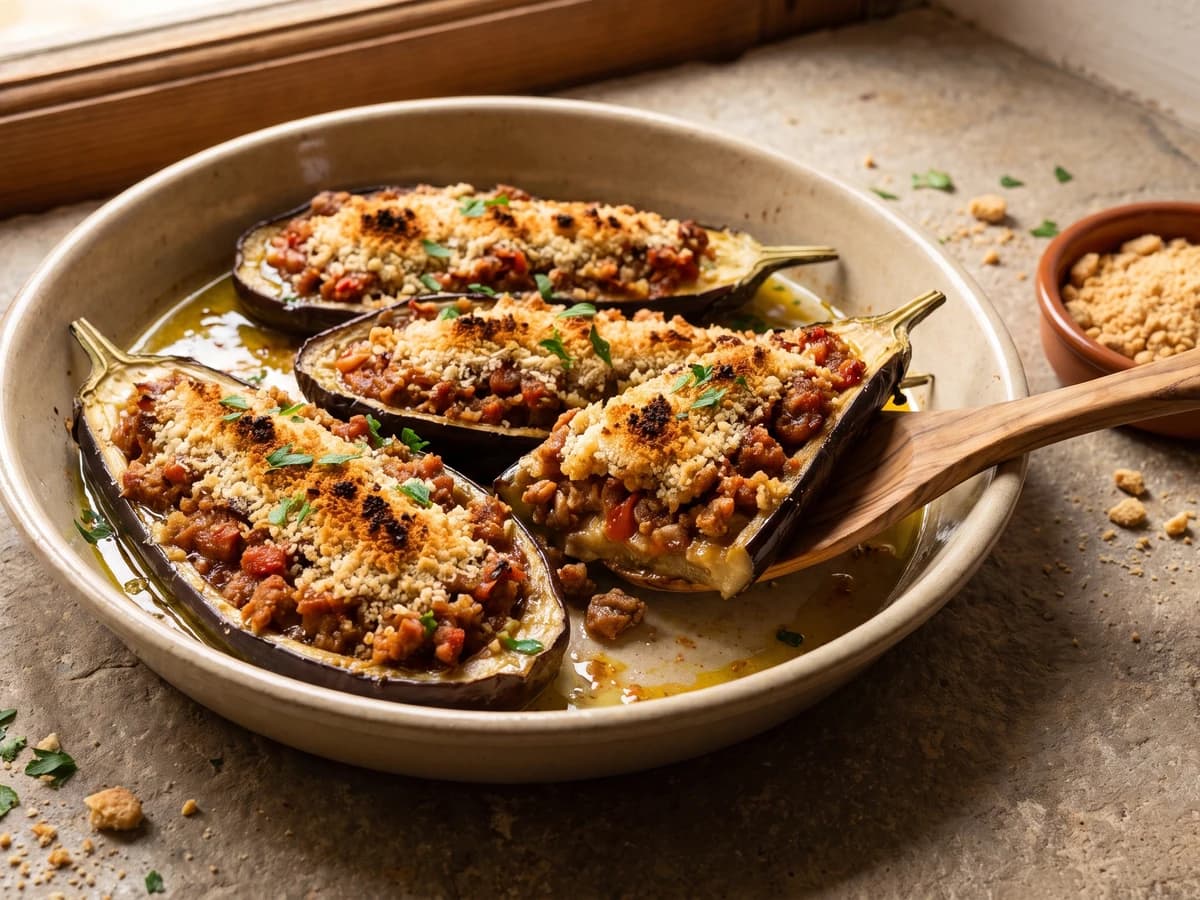
Albergínies farcides are Mallorca's summer stuffed aubergines: tender boiled shells, a slow pork sofrito with moraduix, and a plain breadcrumb cap baked until the top turns crisp and golden.

Chef Isabel
Carxofes farcides are Catalan stuffed artichokes: tender hearts filled with jamón, slow sweet onion, and breadcrumbs, then baked in a light creamy sauce until the tops turn golden.