Chef Isabel
Acedías Fritas de Cádiz
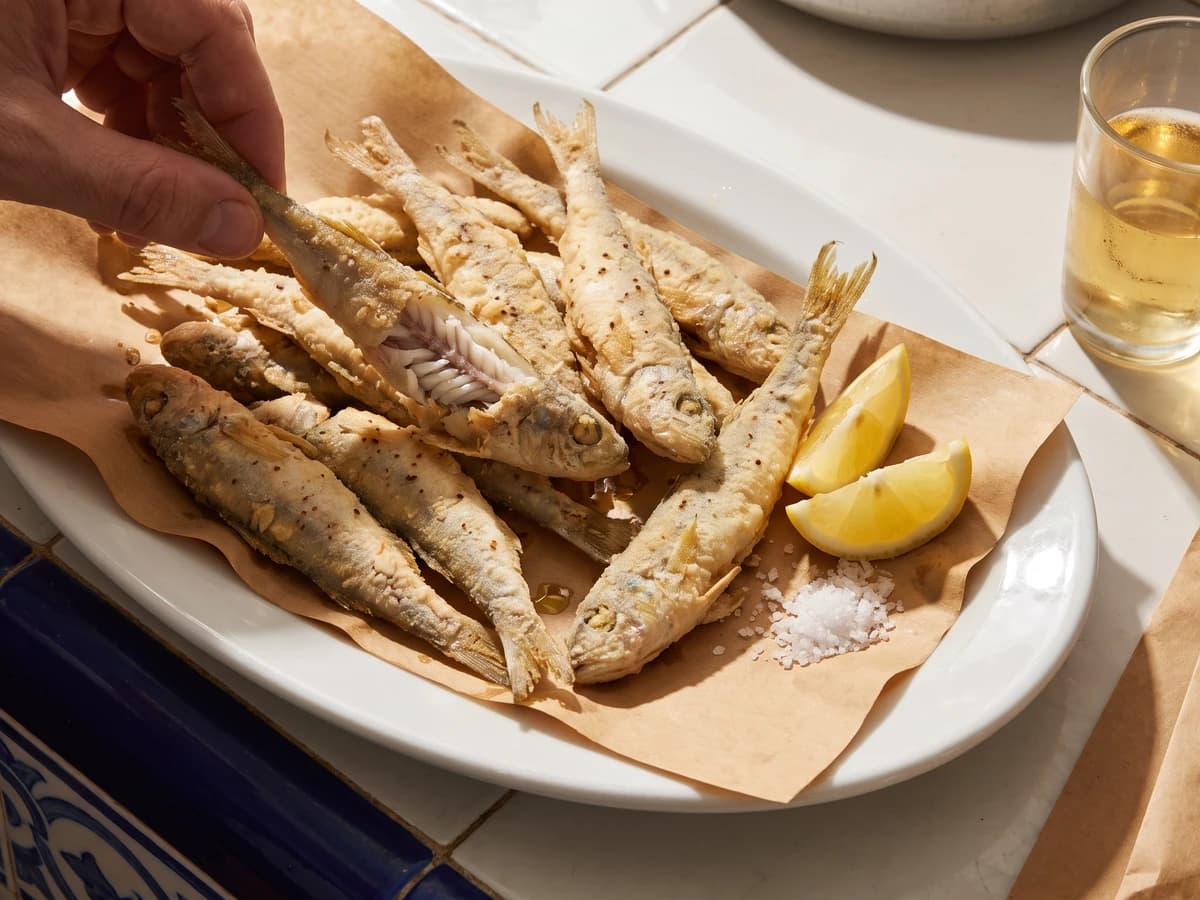
Acedías fritas belong to Cádiz: tiny wedge sole, salted, dusted in frying flour, and dropped into very hot olive oil so the rims crisp while the fish stays tender.
A cooking platform built around craft, culture, and the stories behind what we eat.
Created by
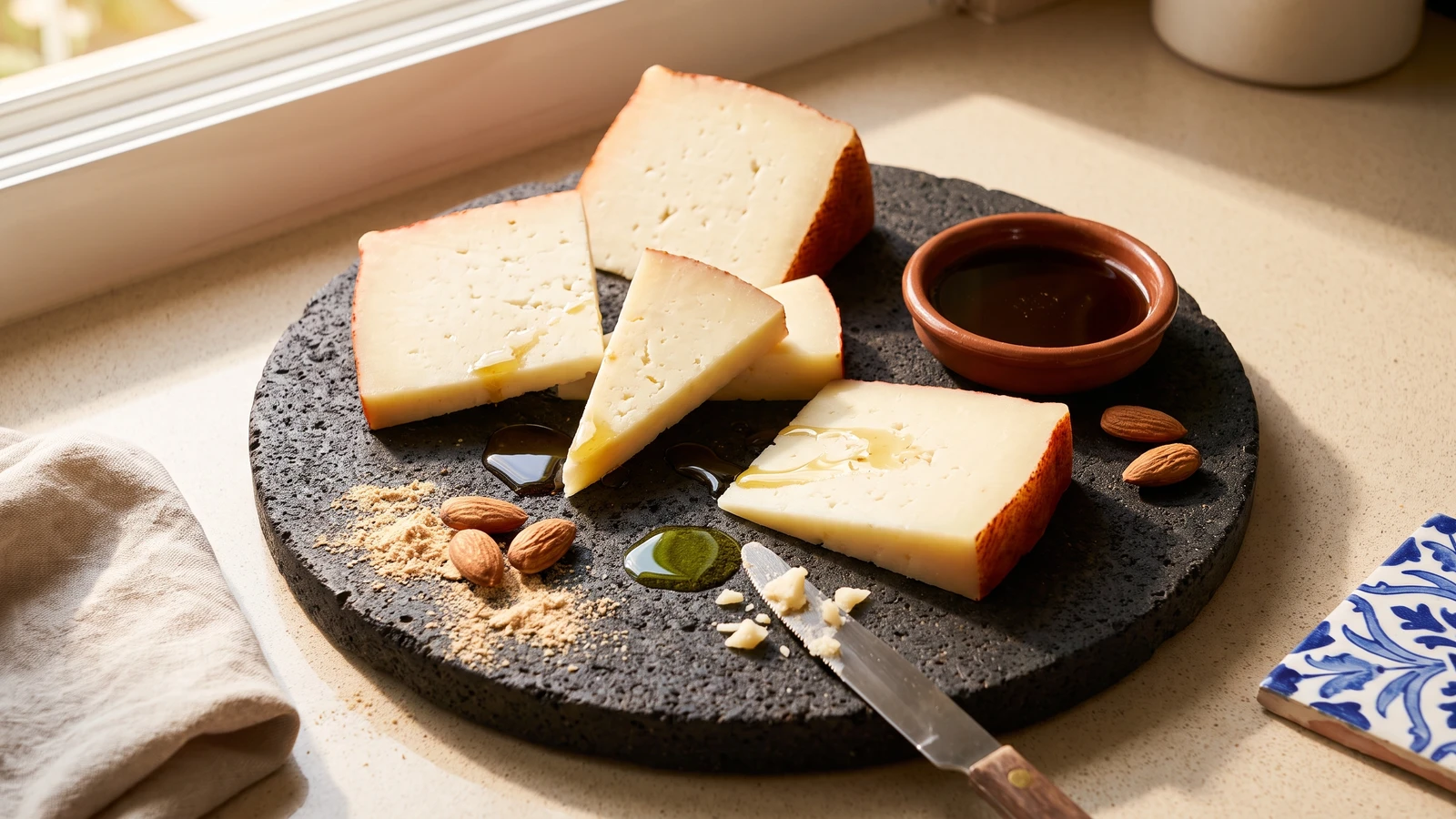
Queso Majorero is Fuerteventura's great goat cheese: firm, buttery, often rubbed with pimentón or gofio, and best served simply with miel de palma.
Queso Majorero is Fuerteventura's, not a vague island cheese with a pretty name. It comes from Majorera goats, raised in that dry, windy land, and the cheese is firm, buttery, a little sharp with age, sometimes with a rind rubbed in pimentón or gofio, the toasted grain flour of the Canary Islands.
There is almost no cooking here, so the method that decides it is temperature. Serve it too cold and you taste salt and hardness. Let it sit until the chill leaves it, and the fat softens, the goat milk comes forward, and the rind tells you whether it was rubbed with smoky pimentón or quiet, nutty gofio. That is the dish. Don't fuss with it.
If you can't find true Queso Majorero where you are, use a firm Spanish goat cheese with some age, preferably Canarian if your shop carries it. A young fresh goat cheese is not the same; it will be softer, tangier, and less buttery. Palm honey, miel de palma from La Gomera, is the right sweetness beside it. If you must substitute, use a dark, not-too-floral honey and know it loses that Canary Island bitterness at the edge.
Cut the cheese in wedges, not thin little restaurant slivers. Give each piece a small gloss of olive oil and a spoon of miel de palma beside it, not poured over everything like syrup on a cake. Siempre sale, si lo sigues.
Queso Majorero belongs to Fuerteventura, where the Majorera goat is fitted to a dry island of little pasture and strong wind. The cheese has long been made from goat's milk and protected by its island identity, with rinds traditionally rubbed in pimentón, oil, or gofio to help mark and preserve the wheel. Miel de palma comes especially from La Gomera, where palm sap is reduced into a dark syrup, and it is one of the Canarian table's natural partners for firm goat cheese.
Quantity
300g
cut into wedges, preferably with pimentón or gofio rind
Quantity
45g
plus more to taste
Quantity
15ml
Quantity
20g
for serving
Quantity
30g
Quantity
a pinch
| Ingredient | Quantity |
|---|---|
| Queso Majorero, semi-cured or curedcut into wedges, preferably with pimentón or gofio rind | 300g |
| miel de palma (Canarian palm honey)plus more to taste | 45g |
| extra virgin olive oil | 15ml |
| gofiofor serving | 20g |
| toasted almonds (optional) | 30g |
| flaky sea salt (optional) | a pinch |
Take the Queso Majorero out of the refrigerator 30 minutes before serving. Leave it covered loosely, not wrapped tight. This is the step that matters: cold cheese tastes blunt, but at room temperature the butteriness opens and the goat milk has room to speak.
Cut the cheese into 12 thick wedges, keeping a little rind on each piece if the rind is clean and meant to be eaten. Pésalo, no lo adivines: about 50g per person is enough for an appetizer, more if this is the center of the table.
Arrange the wedges on a small plate or board with space between them. Spoon the miel de palma into a little dish beside the cheese, then drizzle the cheese with the olive oil. Dust the side of the plate with gofio so each person can touch a piece to it if they like.
Scatter toasted almonds around the cheese if you're using them. Taste one corner before adding salt; a cured Majorero usually has all the salt it needs. Serve with the palm honey beside it, so the first bite is cheese and the second is cheese with that dark Canarian sweetness.
1 serving (about 68g)
Culinary guides, cultural storytelling, and the editorial depth that makes cooking meaningful.
Discover Culinary ExplorerChef Isabel
Acedías fritas belong to Cádiz: tiny wedge sole, salted, dusted in frying flour, and dropped into very hot olive oil so the rims crisp while the fish stays tender.
Chef Isabel
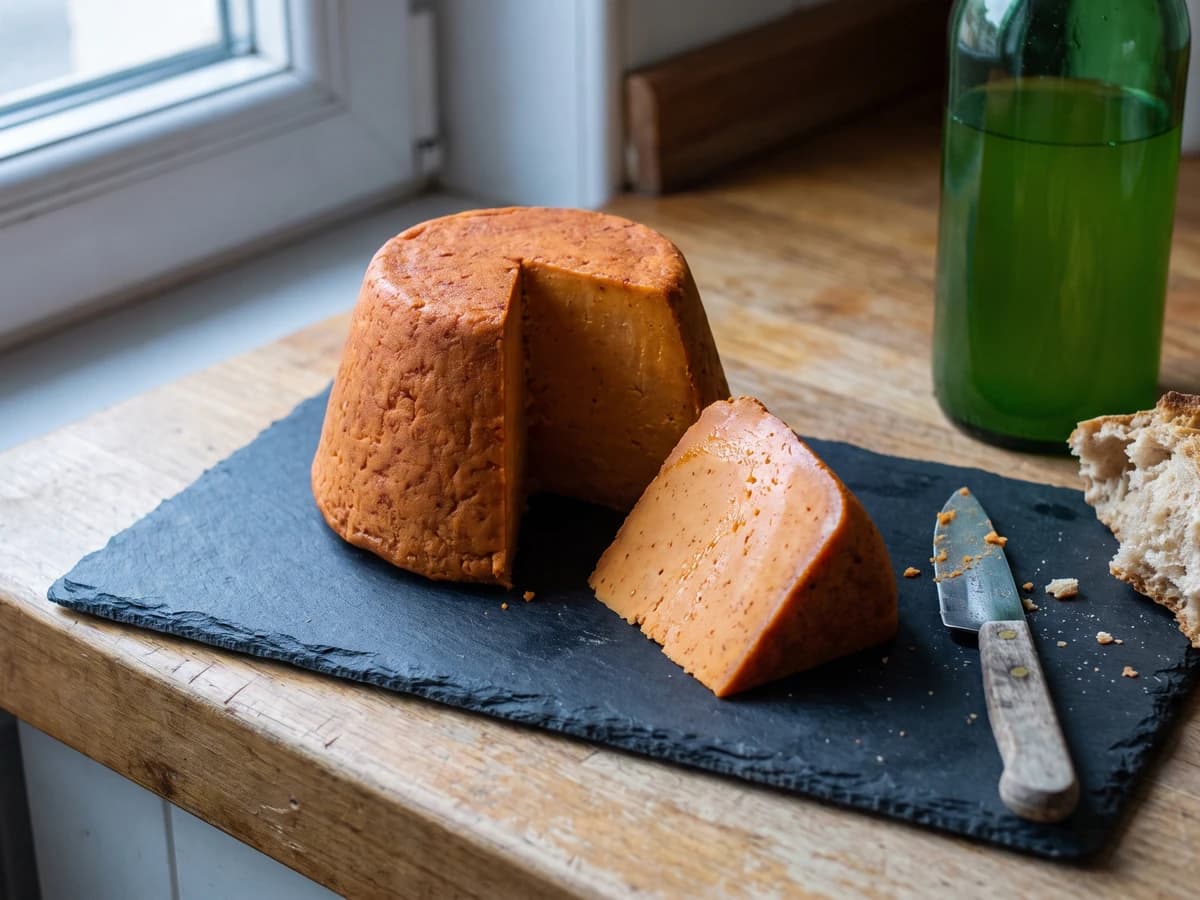
Afuega'l Pitu Roxu is Asturias in a small cheese: cow's milk set slowly to a dense curd, drained without squeezing, then kneaded with pimentón until it turns orange and grips the throat.
Chef Isabel
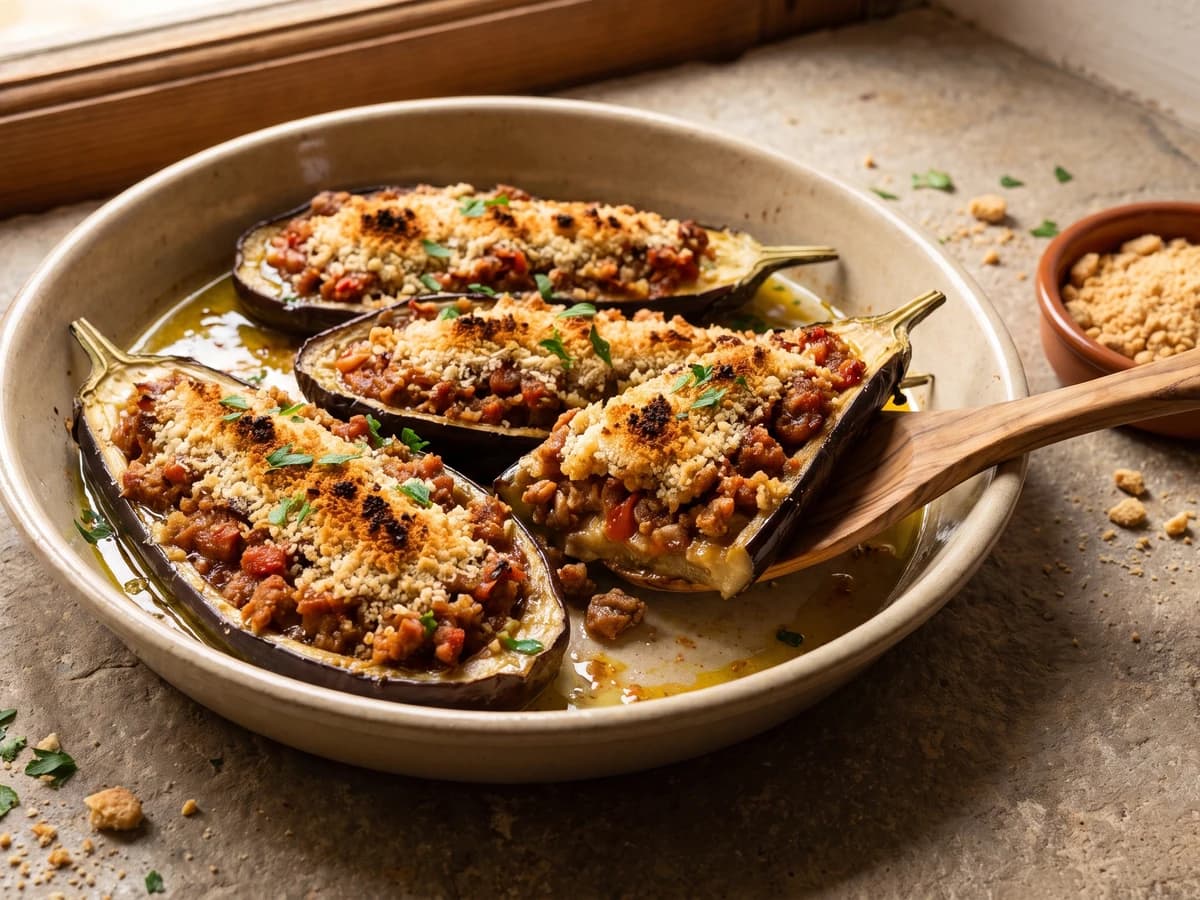
Albergínies farcides are Mallorca's summer stuffed aubergines: tender boiled shells, a slow pork sofrito with moraduix, and a plain breadcrumb cap baked until the top turns crisp and golden.

Chef Isabel
Carxofes farcides are Catalan stuffed artichokes: tender hearts filled with jamón, slow sweet onion, and breadcrumbs, then baked in a light creamy sauce until the tops turn golden.