Chef Isabel
Acedías Fritas de Cádiz
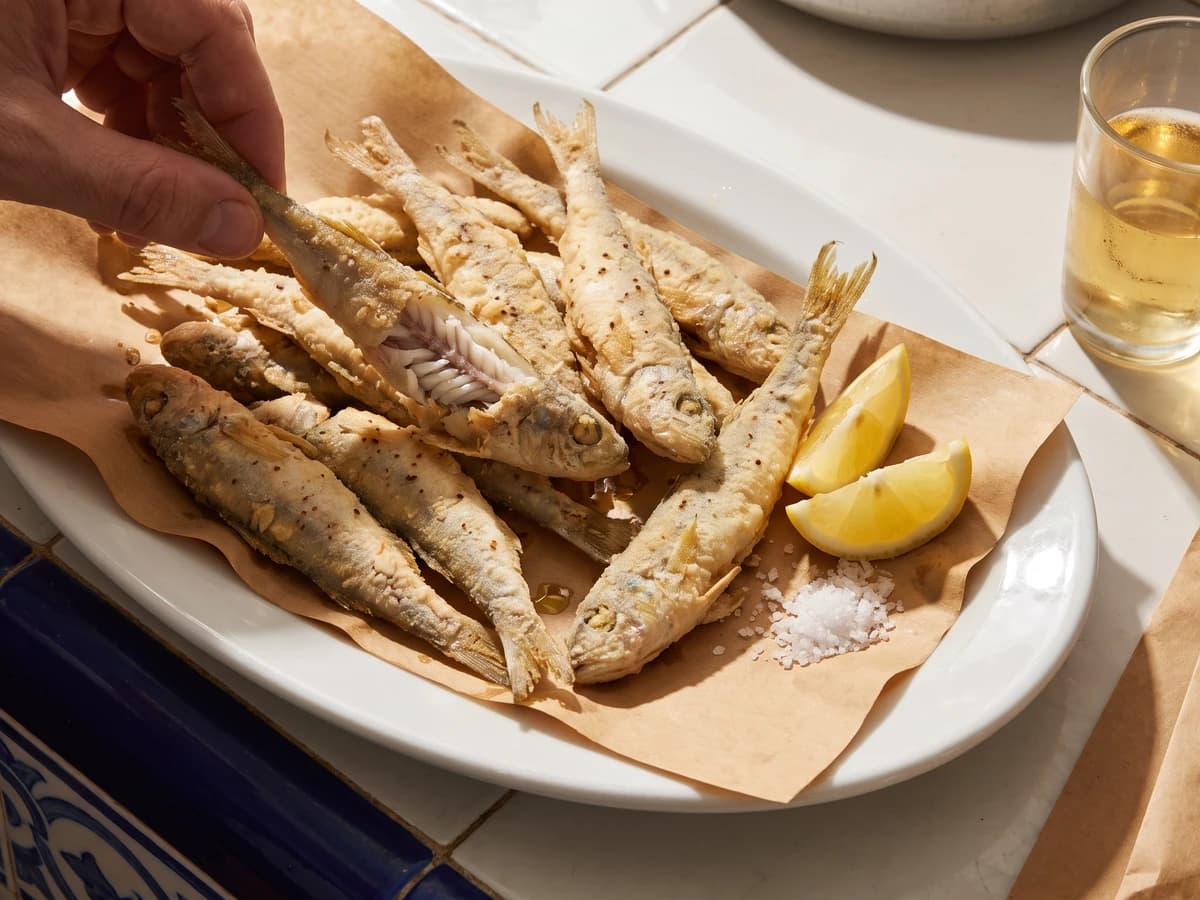
Acedías fritas belong to Cádiz: tiny wedge sole, salted, dusted in frying flour, and dropped into very hot olive oil so the rims crisp while the fish stays tender.
A cooking platform built around craft, culture, and the stories behind what we eat.
Created by
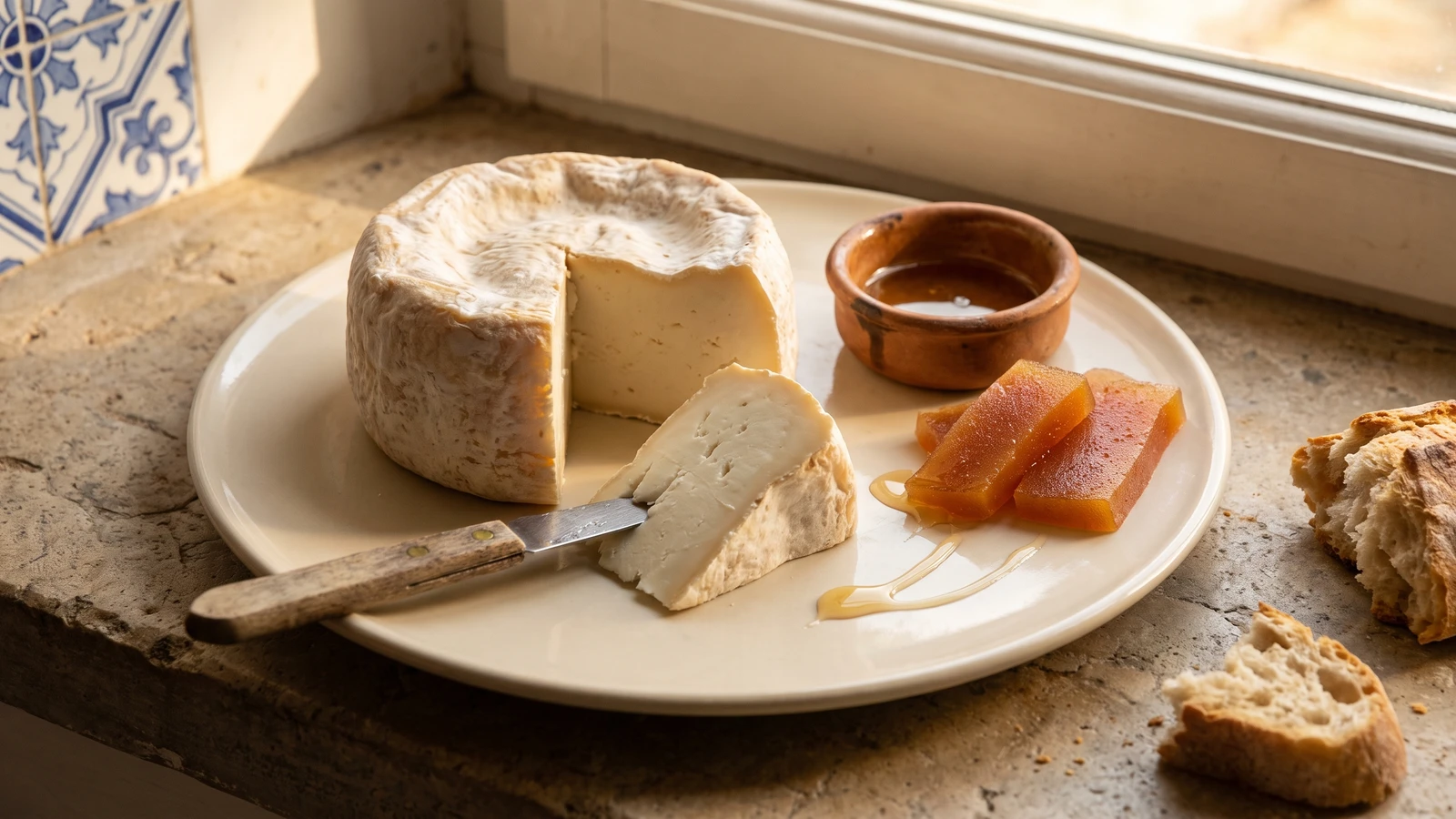
Queso de Tronchón is Aragón's old sheep-and-goat cheese from the Maestrazgo: mild, mellow, and pressed with its little sunken crown, best served young with quince, honey, and plain bread.
Queso de Tronchón is Aragonese, from the Maestrazgo, and it is not just any sheep-and-goat cheese set on a board. It is small, round, mellow when young, and marked by that hollowed crown in the top, the shape that tells you what it is before the knife does.
For the home cook, the work is mostly choosing and serving it properly. Buy a young Tronchón if you can, made with sheep's and goat's milk, then let it sit out until the chill leaves it. Cold cheese tastes like very little. At room temperature the paste softens, the milk comes forward, and the rind smells clean and pastoral instead of shut down from the fridge.
If you can't find Tronchón where you are, choose a young Spanish sheep-goat cheese from Aragón, Castilla-La Mancha, or Valencia rather than an aged Manchego. It won't have the same dimpled crown, and it may be firmer, but the mild, lactic balance is closer. Serve it with membrillo, quince paste, or a little rosemary honey. No hace falta haber pisado España. You need good cheese, enough time out of the cold, and a knife that does not crush it.
In the Margin beside this one I have only written: do less. Don't bury it under nuts, jams, and clever things. A young cheese like this is modest, and modest food complains when you dress it like a parade.
Queso de Tronchón belongs to the Maestrazgo, the high, rugged border country of Aragón and the Valencian interior, where sheep and goats gave milk suited to small household cheeses. Its name is tied to the village of Tronchón, and Cervantes placed the cheese in Don Quixote, which is why many readers meet it on the page before they meet it at the table. The traditional shape, with a sunken center on each face, comes from the mould used to press it and remains its clearest mark.
Quantity
400g
brought to room temperature
Quantity
120g
sliced
Quantity
30g
for drizzling
Quantity
180g
sliced
Quantity
60g
| Ingredient | Quantity |
|---|---|
| young Queso de Tronchónbrought to room temperature | 400g |
| membrillo (quince paste)sliced | 120g |
| rosemary honeyfor drizzling | 30g |
| rustic breadsliced | 180g |
| Marcona almonds (optional) | 60g |
Take the Queso de Tronchón out of the refrigerator 45 minutes before serving. Keep it covered loosely so it does not dry at the edges. This is the step that decides the plate: cold cheese tastes closed and blunt, while room-temperature cheese gives you the mild sheep-and-goat milk sweetness you came for.
Use a thin sharp knife and cut the cheese into wedges about 1cm thick, keeping a little rind on each piece if the rind is clean and natural. Do not shave it paper-thin. Tronchón is gentle, and it needs enough thickness for the paste to feel creamy under the teeth.
Lay the wedges on a simple plate or board with the dimpled crown visible if you have a whole small cheese. Place the membrillo beside it in neat slices, not on top, so each person can take the balance they like. Put the bread close enough for eating, not as decoration.
Drizzle the honey in a small dish or just over one edge of the cheese, no more than 30g for the whole plate. Add Marcona almonds if you want crunch, but keep them plain and unsalted if possible. Serve at once, while the cheese is no longer cold but still fresh and clean. Siempre sale, si lo sigues.
1 serving (about 130g)
Culinary guides, cultural storytelling, and the editorial depth that makes cooking meaningful.
Discover Culinary ExplorerChef Isabel
Acedías fritas belong to Cádiz: tiny wedge sole, salted, dusted in frying flour, and dropped into very hot olive oil so the rims crisp while the fish stays tender.
Chef Isabel
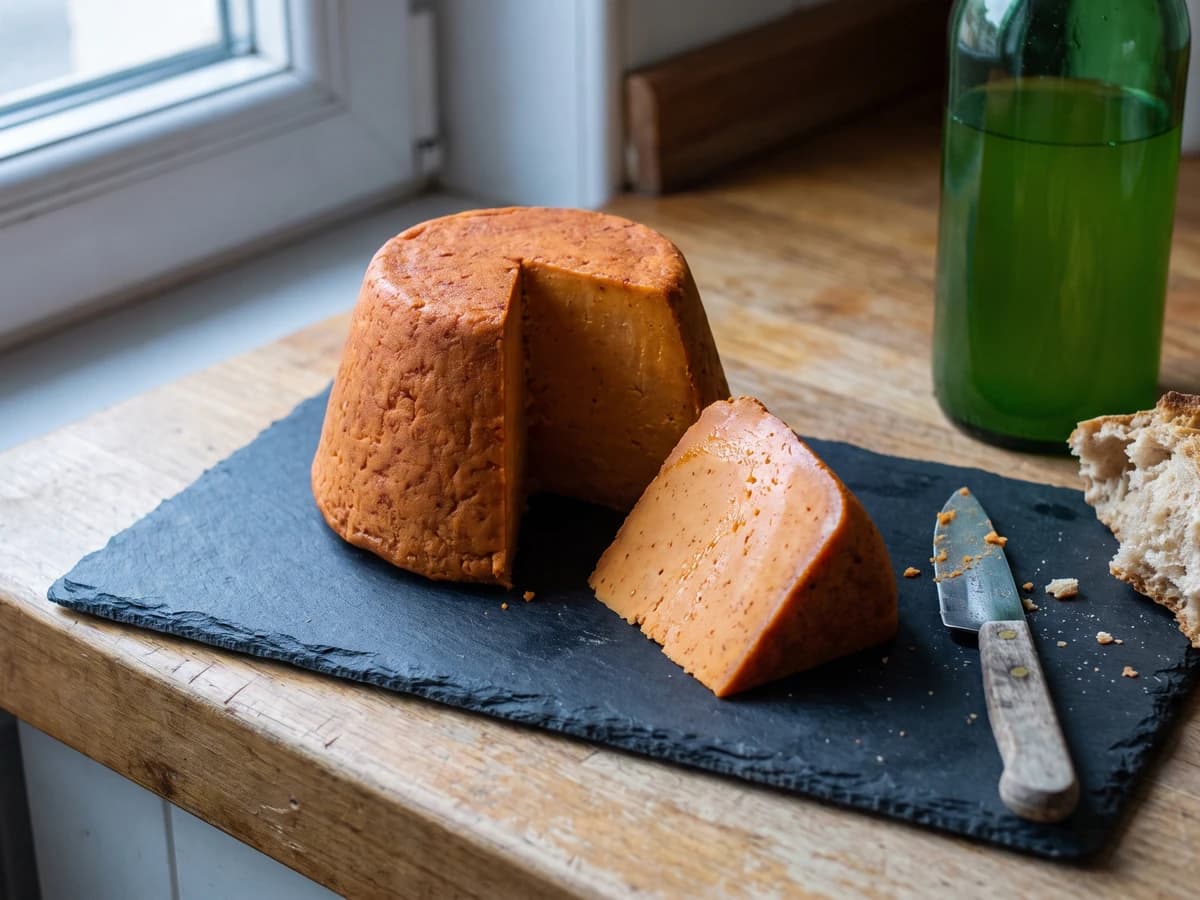
Afuega'l Pitu Roxu is Asturias in a small cheese: cow's milk set slowly to a dense curd, drained without squeezing, then kneaded with pimentón until it turns orange and grips the throat.
Chef Isabel
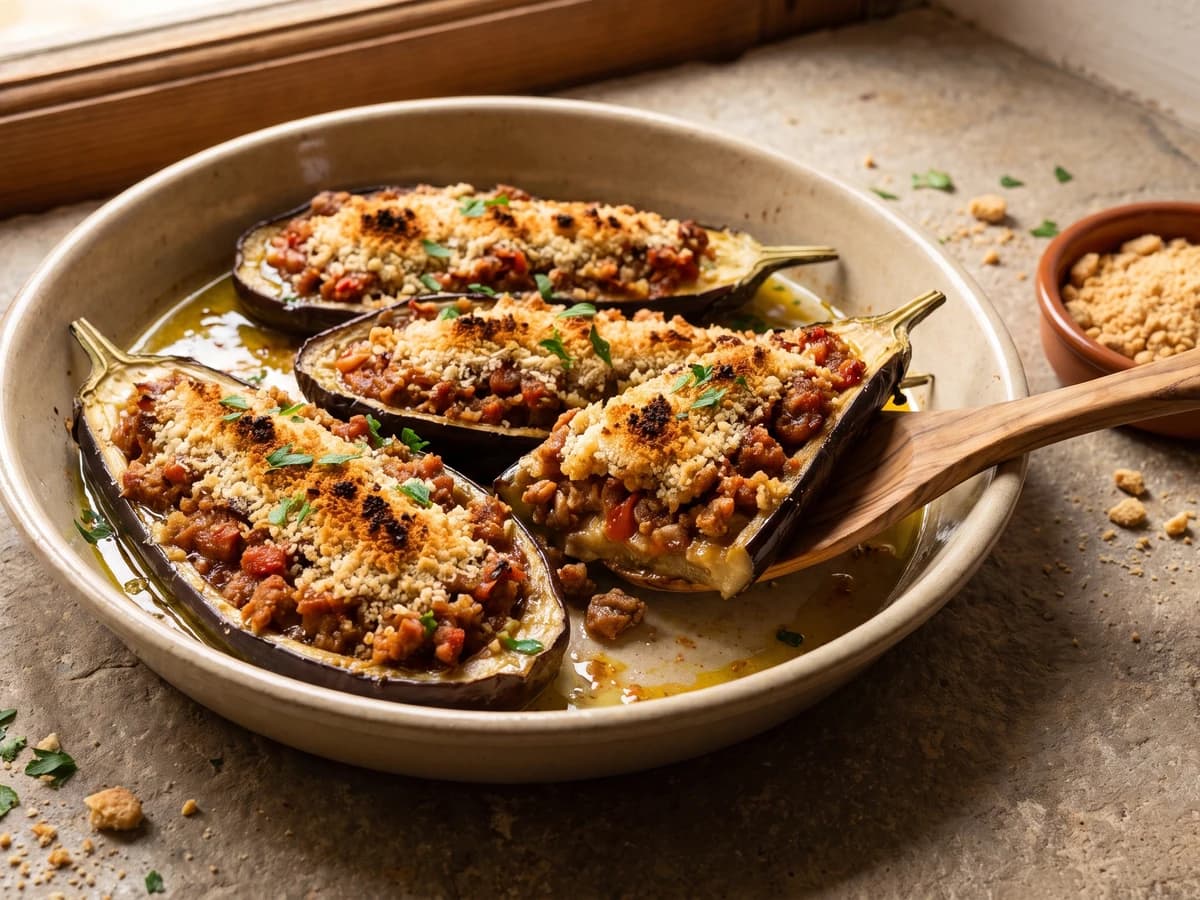
Albergínies farcides are Mallorca's summer stuffed aubergines: tender boiled shells, a slow pork sofrito with moraduix, and a plain breadcrumb cap baked until the top turns crisp and golden.

Chef Isabel
Carxofes farcides are Catalan stuffed artichokes: tender hearts filled with jamón, slow sweet onion, and breadcrumbs, then baked in a light creamy sauce until the tops turn golden.