Culinary Explorer

A cooking platform built around craft, culture, and the stories behind what we eat.
Discover Culinary Explorer
Potaje de Berzas con Fariñona

Potaje de Berzas con Fariñona

Created by

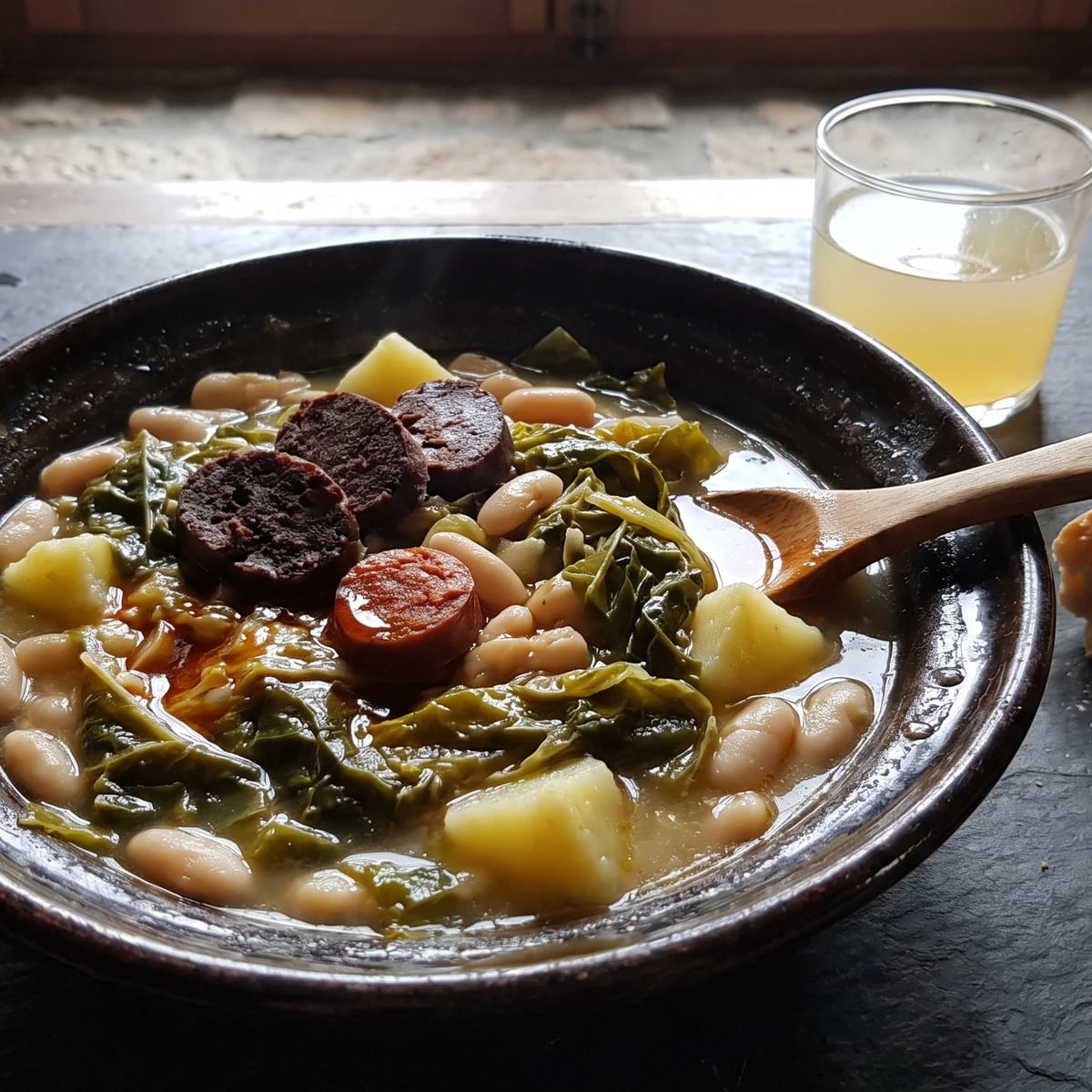
Potaje de berzas is Asturian cocina de cuchara: berza, white beans, potatoes, and cured pork in one slow pot, with fariñona added late so it gives flavor and stays whole.

Soups & Stews
Spanish
Comfort Food
One Pot
Batch Cooking
30 min
Active Time
2 hr 45 min cook3 hr 15 min total
Yield6 servings

Potaje de berzas con fariñona is Asturian, from the green north where cabbage stands in the garden through cold rain and a pot has to feed people properly. Esto es de Asturias, no de "España" a secas. It is not fabada with greens, and it is not Galician caldo. The berza, the potatoes, the white beans, the cured pork, and that farinaceous blood sausage make it its own spoon dish.

Potaje de berzas belongs to the Asturian cocina de cuchara, the spoon food of inland and mountain kitchens where berzas grew through the wet cold and the matanza filled the winter larder. Fariñona, also called fariñón in parts of Asturias, takes its name from fariña, flour; it is a blood sausage thickened with flour or cornmeal, pork fat, onion, and pimentón, which is why it is tender and fragile in the pot. The stew sits beside pote asturiano rather than fabada: beans are present, but the greens and potatoes make it everyday spoon food instead of a bean dish alone.

The technique, the tradition, and the story behind every dish.

Discover Culinary Explorer

Ingredients

dried fabes asturianas or large dried white beans

Quantity

400g

soaked overnight

lacón or cured pork shoulder

Quantity

300g

soaked 2 hours if very salty

panceta curada or tocino

Quantity

150g

in one piece

chorizos asturianos

Quantity

2, about 200g total

left whole

fariñona asturiana

Quantity

1, about 250g

left whole

onion

Quantity

1 medium

peeled and left whole

garlic

Quantity

4 cloves

2 left whole and 2 thinly sliced

bay leaf

Quantity

1

berza cabbage or collard greens

Quantity

600g

tough stems removed and leaves chopped

waxy potatoes

Quantity

600g

peeled and snapped into 4cm chunks

olive oil

Quantity

3 tablespoons

sweet pimentón

Quantity

1 teaspoon

fine sea salt

Quantity

to taste

cold water

Quantity

about 2.5L plus more as needed

Equipment Needed

  • Large heavy olla or Dutch oven, 6 to 7 litres
  • Skimming spoon
  • Small frying pan for the refrito
  • Slotted spoon

Instructions

  1. 1

    Soak and start

    Drain the soaked beans and put them in a heavy 6 to 7 litre pot with the lacón, panceta or tocino, chorizos, whole onion, 2 whole garlic cloves, and bay leaf. Cover with cold water by 5cm, about 2.5 litres. Bring it up slowly over medium heat, skimming the grey foam as it rises. Start cold and be patient; beans that meet hard heat too quickly split before they soften.

    If your lacón is very salty, soak it overnight in cold water and change the water once. Salt is easier to add at the end than to take back.
  2. 2

    Keep a low tremble

    Lower the heat and hold the pot at a bare tremble for about 1 hour 15 minutes, until the beans are half tender but not creamy yet. Do not stir with a spoon. Shake the pot by the handles if anything threatens to catch. If the liquid drops below the beans, add a small splash of cold water, asustar las fabes, to steady the simmer.

  3. 3

    Blanch the berza

    While the beans cook, bring a separate pot of salted water to a boil. Add the chopped berza or collard greens and boil 5 minutes, then drain well. This takes off the raw edge and compacts the greens, so they join the stew instead of floating around it. Add the drained greens to the beans and cook 30 minutes more.

  4. 4

    Add the potatoes

    Add the snapped potato chunks to the pot. Chascar the potatoes, cut partway and break them the rest of the way, so the rough edges give a little starch to the broth. Cook gently for 25 to 30 minutes, until the potatoes are tender and the beans are creamy all the way through.

  5. 5

    Make the refrito

    Warm the olive oil in a small pan and cook the sliced garlic just until pale gold. Take the pan off the heat and stir in the sweet pimentón for a few seconds, only until it smells round and smoky. Do not let it scorch, or it turns bitter. Stir this refrito, the garlic and pimentón oil, into the pot with a gentle shake.

  6. 6

    Add fariñona late

    Lay the whole fariñona on top of the stew, keep the heat low, and cook 20 to 25 minutes more at the softest tremble. This is the step that decides the dish. Fariñona is thickened with flour, so it seasons the broth beautifully, but if you boil it hard or cook it too long it breaks apart and clouds the pot. Late and gentle. Siempre sale, si lo sigues.

    Leave the casing intact. If it looks very tight, make one tiny pinprick, no more.
  7. 7

    Rest and serve

    Turn off the heat and rest the pot 15 minutes. Lift out the lacón, panceta, chorizos, and fariñona, then slice them thickly. Remove the onion, whole garlic, and bay leaf. Taste the broth and salt only now, after the cured meats have given what they have. Serve deep bowls with berza, beans, potatoes, and a piece of each meat. Pésalo, no lo adivines, and then let the pot do its work.

Chef Tips

  • Fariñona is the special piece. If you cannot find it, use morcilla asturiana, or morcilla de cebolla at a pinch, and add it at the same late point. The broth will be a little less softly thick from the flour, but it will still belong near the dish.
  • Berza is not tender green cabbage. Collard greens are the closest substitute for a cook far from Asturias; lacinato kale works if you must, but it cooks faster and tastes less cabbage-sweet.
  • Use fabes if you can, judión or good cannellini if you cannot. Old beans stay chalky no matter how politely you ask, so buy from a shop with turnover and soak them fully.
  • Salt late. Between lacón, panceta, chorizo, and fariñona, the pot may already have enough. Taste after the rest, not before.
  • This potaje is better the next day, but the fariñona slices best when handled gently. Reheat the stew low and slow, with a splash of water if it has thickened.
  • Drink Asturian sidra natural with it if you can find it. A dry cider suits the pork and greens better than a heavy red.

Advance Preparation

  • Soak the beans 12 hours in plenty of cold water. If the kitchen is warm, keep the bowl in the refrigerator.
  • Soak very salty lacón 2 hours, or overnight for a hard-cured piece, changing the water once.
  • Wash, stem, chop, and blanch the berza up to 1 day ahead; chill it covered after draining well.
  • For the cleanest make-ahead version, cook the pot through the potatoes 1 day ahead without the fariñona. Reheat gently the next day, add the fariñona for the final 20 to 25 minutes, then rest and serve.

Frequently Asked Questions

Nutrition Information

1 serving (about 720g)

Calories
960 calories
Total Fat
53 g
Saturated Fat
17 g
Trans Fat
0 g
Unsaturated Fat
36 g
Cholesterol
115 mg
Sodium
2100 mg
Total Carbohydrates
74 g
Dietary Fiber
18 g
Sugars
5 g
Protein
49 g

Note: Chef personas and recipes are created with AI assistance. Cook with care: follow safe food-handling practices, check doneness with a thermometer when needed, and adapt for allergies and your kitchen.

Where cooking meets culture.

Culinary guides, cultural storytelling, and the editorial depth that makes cooking meaningful.

Discover Culinary Explorer

More from Lentejas, Garbanzos & Potajes

Browse the full collection