Chef Dimitra
Aegean Island Kalamarakia Tiganita (Καλαμαράκια Τηγανητά)
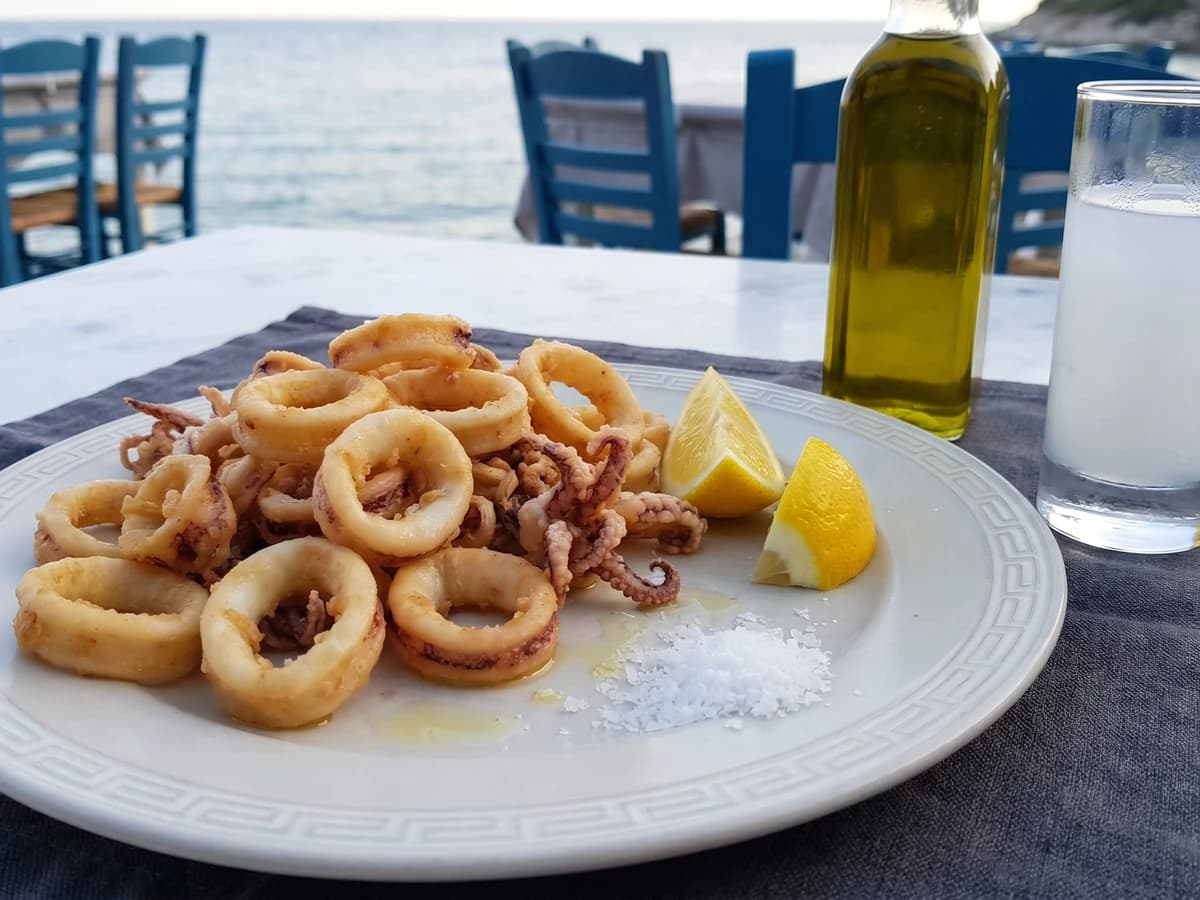
Aegean island fried squid is flour, hot oil, lemon, and nerve. Fry it for a minute or two, no longer, and it stays tender under its crisp coat.
A cooking platform built around craft, culture, and the stories behind what we eat.
Created by
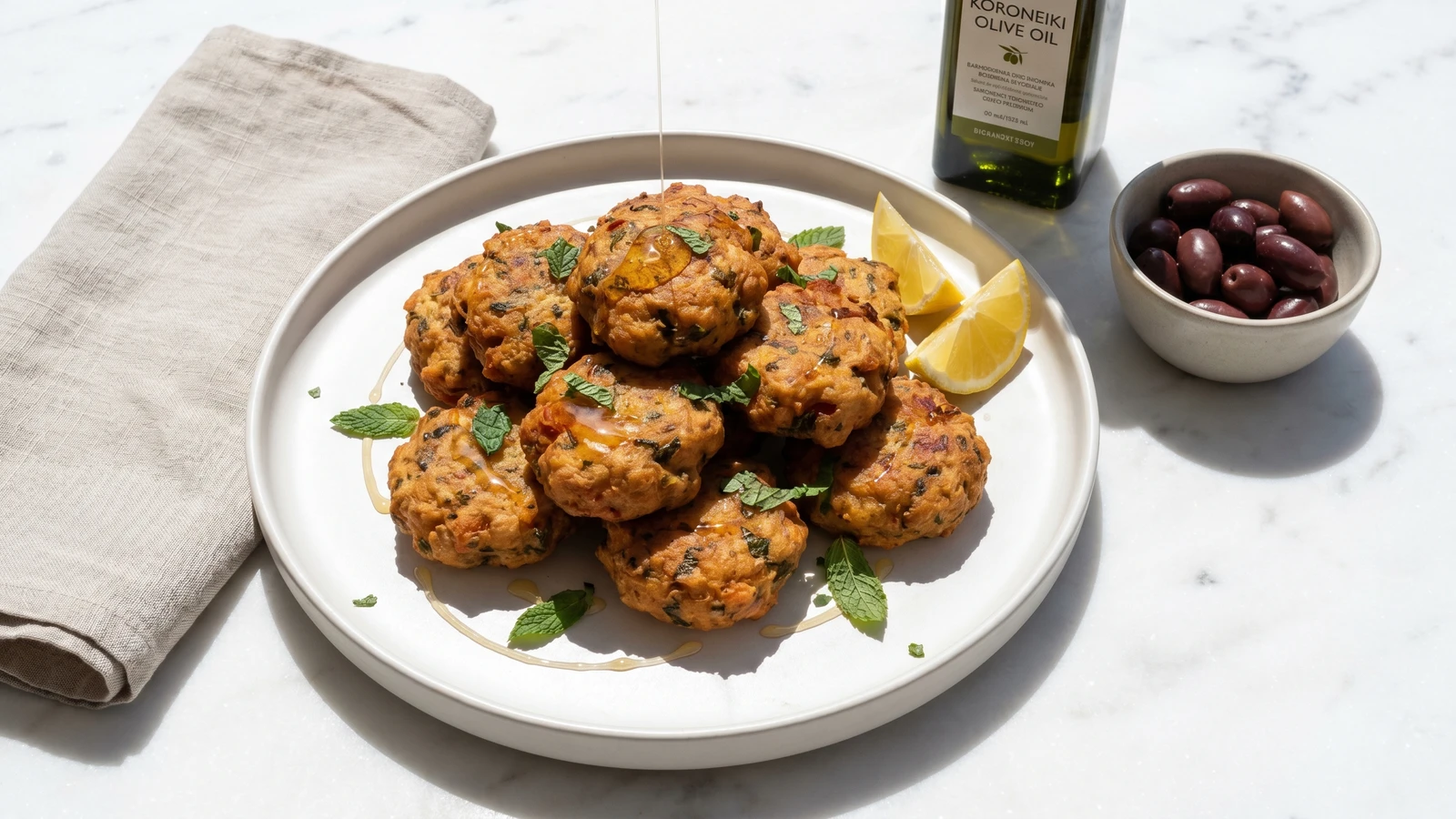
Rhodes' chickpea fritters are spooned, not shaped: a loose batter of chickpeas, tomato, onion and mint, fried until the edges crisp and the middle stays soft.
Pitaroudia Rodou are Rhodes' chickpea fritters, the Dodecanese pseftokeftedes, false meatballs made for lean days and poor cupboards that still knew how to feed people well. They aren't neat balls. They are loose spoonfuls of chickpea, grated tomato, onion and mint, dropped into hot oil and fried until the edges go crisp and lacy.
The whole dish depends on the batter. Mash the chickpeas roughly, then let the tomato, onion and flour rest together before frying. That short rest lets the flour drink the juices, so the fritter holds in the oil without becoming heavy. Make the mixture stiff enough to roll and you've lost Rhodes. It should fall from the spoon reluctantly, like a thick village batter.
I like them warm, with lemon, olives, and sometimes the Rhodian thread of honey over the top, very thin, not enough to make them sweet. The island knows what it's doing. Chickpea, mint, tomato, oil, patience. Λίγα και καλά.
Pitaroudia belong to Rhodes and the Dodecanese table, where chickpeas, onions, herbs and oil carried families through Orthodox fasting days without meat, eggs or dairy. Their name comes from pita, but in practice they are closer to pseftokeftedes, the "false meatballs" made across Greece from vegetables or pulses when meat was absent. Rhodes' version is marked by grated tomato and fresh mint, and some island cooks finish the hot fritters with a fine thread of honey, a local sweet-savoury habit also seen in other Dodecanese cooking.
Quantity
250g
soaked overnight
Quantity
1
Quantity
1 medium, about 160g pulp
grated
Quantity
1 medium, about 120g
grated
Quantity
2
finely sliced
Quantity
20g
finely chopped
Quantity
10g
finely chopped
Quantity
1 teaspoon
Quantity
1/2 teaspoon
Quantity
1 teaspoon
plus more for finishing
Quantity
1/2 teaspoon
Quantity
90g
plus 1 to 2 tablespoons more if needed
Quantity
1/2 teaspoon
Quantity
as needed
for shallow-frying
Quantity
to serve
Quantity
1 tablespoon
for a thin finishing thread
| Ingredient | Quantity |
|---|---|
| dried chickpeassoaked overnight | 250g |
| bay leaf | 1 |
| ripe tomatograted | 1 medium, about 160g pulp |
| yellow oniongrated | 1 medium, about 120g |
| spring onionsfinely sliced | 2 |
| fresh mint leavesfinely chopped | 20g |
| flat-leaf parsleyfinely chopped | 10g |
| dried oregano | 1 teaspoon |
| ground cumin | 1/2 teaspoon |
| fine sea saltplus more for finishing | 1 teaspoon |
| freshly ground black pepper | 1/2 teaspoon |
| plain flourplus 1 to 2 tablespoons more if needed | 90g |
| baking powder | 1/2 teaspoon |
| olive oilfor shallow-frying | as needed |
| lemon wedges | to serve |
| thyme honey (optional)for a thin finishing thread | 1 tablespoon |
Drain the soaked chickpeas and put them in a pot with fresh water to cover by 5cm and the bay leaf. Simmer gently until tender but not collapsing, 50 to 70 minutes depending on their age. Salt only near the end. Drain well, discard the bay leaf, and let the chickpeas cool until they stop giving off surface moisture.
Put the chickpeas in a wide bowl and crush them with a potato masher or pulse them briefly in a food processor. You want a rough mash with some small pieces left, not a smooth purée. Those little pieces give the pitaroudia their bite.
Add the grated tomato, grated onion, spring onions, mint, parsley, oregano, cumin, salt and pepper. Stir in the flour and baking powder. The mixture should be thick and spoonable, loose enough to drop from a spoon but not runny. Rest it for 20 minutes, then judge it again. If it spreads like soup, add 1 to 2 tablespoons flour. If it can be rolled like a meatball, it is too stiff for Rhodes.
Pour 1cm olive oil into a wide heavy frying pan and heat it over medium-high heat. Test with a small bit of batter: it should sizzle at once and rise with tiny bubbles around the edge. Too cool and the fritters drink oil. Too hot and the tomato sugars darken before the middle cooks.
Drop heaped tablespoons of batter into the oil, leaving space between them. Flatten each one lightly with the back of the spoon. Fry for 2 to 3 minutes per side, until deep golden, crisp at the edges, and set through the middle. Work in batches and keep the oil lively, not furious.
Lift the pitaroudia onto a rack or paper towel and salt them while they are hot. Serve warm with lemon wedges. If you want the Rhodian honey finish, warm the honey just until loose and trail a very thin thread over the fritters at the table.
1 serving (about 165g)
Culinary guides, cultural storytelling, and the editorial depth that makes cooking meaningful.
Discover Culinary ExplorerChef Dimitra
Aegean island fried squid is flour, hot oil, lemon, and nerve. Fry it for a minute or two, no longer, and it stays tender under its crisp coat.

Chef Dimitra
Pale Aegean taramosalata is cured roe, soaked bread, lemon, and olive oil worked slowly until it turns thick and clean, made for lagana on Clean Monday.

Chef Dimitra
Athenian March 25 salt cod, crisp in a puffed beer batter and served with garlic skordalia, the Lenten fish dish Greece keeps for Annunciation day.

Chef Dimitra
Crete names this dish by the pan motion: snails set mouth-down in salted flour, fried in good olive oil, then hit with rosemary and vinegar.