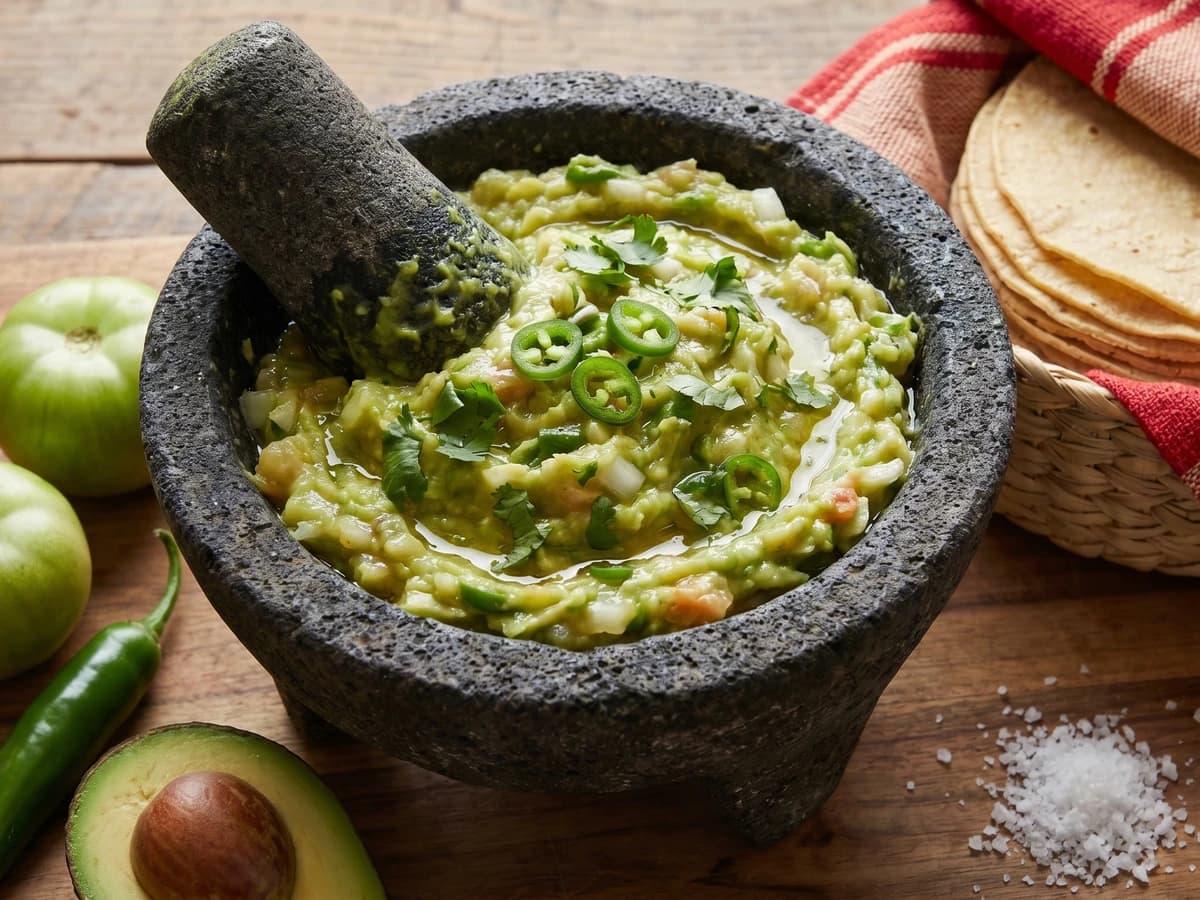
Veracruz's masa antojito, thick from the comal, pinched by hand while hot, brushed with manteca, and finished with salsa, queso fresco, and chopped white onion.
Appetizers & Snacks
Mexican
Comfort Food
Weeknight
Quick Meal
30 min
Active Time
35 min cook•1 hr 5 min total
Yield12 picadas, 4 servings
Veracruz owns these picadas, especially the central Gulf towns around Xalapa, Coatepec, Naolinco, and the port where breakfast can mean a stack of hot masa with salsa running into the pinched rim. This is food from the comal, not the fryer basket. The tortilla is thicker than a taco tortilla, thinner than a gordita, and the edge is pinched while the masa is still hot enough to argue with your fingers.
The defining thing is the masa and the fat. Fresh nixtamal masa if you can get it. Maseca if that is what your market gives you today, but hydrate it properly and let it rest. The picada gets a light coat of manteca de cerdo, not a bath of oil. La manteca es el sabor. It carries the salsa into the corn instead of leaving it sitting on top like decoration.
In Veracruz, you see them with salsa roja made from jitomate and chile jalapeno, or salsa verde made from tomatillo and chile serrano. Some houses make both because nobody at the table agrees, and that is fine. What is not fine is cheddar, sour cream, lettuce, or flour tortillas. Flour tortillas belong to the north. This is Gulf corn country. Cada estado, su propia cocina.
I learned this version from a senora near Mercado Jauregui in Xalapa who pinched the edges faster than I could write. She told me the trick was not strength, it was timing. Too cold and the masa cracks. Too hot and you burn yourself. Right in the middle, the picada listens.
Picadas belong to the broad family of Mexican antojitos built from nixtamalized corn masa, a tradition that predates the Spanish conquest by centuries. In Veracruz, the form became tied to breakfast markets and fondas, where cooks could press masa, cook it quickly on the comal, pinch the rim, and finish it with the salsas already made for the day. The Veracruz version is sometimes confused with central Mexican sopes, but picadas are usually smaller, lighter, and more focused on salsa, queso fresco, and onion than on heavy meat toppings.
The technique, the tradition, and the story behind every dish.
Mix the masa harina and fine sea salt in a bowl. Add the warm water and knead with your hand for 2 minutes, until the masa feels soft and holds together without cracking. Cover with a damp towel and rest 15 minutes. Resting matters. The corn absorbs the water and the picadas cook tender instead of dry.
2
Roast salsa roja
Heat a dry comal over medium. Roast the jitomates, jalapenos, garlic, and onion, turning as needed, until the tomato skins blister, the chiles darken in spots, and the garlic softens. Peel the garlic. Blend everything with the salt until slightly coarse. This salsa should taste like roasted tomato and green chile, not like ketchup with heat.
If the tomatoes are pale and hard, do not force this salsa. Use good canned whole tomatoes and roast the jalapenos, garlic, and onion on the comal. The market decides. Preguntale a las senoras del mercado.
3
Cook salsa verde
Put the tomatillos and serranos in a small saucepan and cover with water. Simmer 8 to 10 minutes, until the tomatillos turn olive green and soften but do not collapse. Drain. Blend with the peeled roasted garlic, onion, cilantro, and salt until smooth enough to spoon but not watery. Taste it. Tomatillo needs salt or it tastes nervous.
4
Shape the rounds
Divide the rested masa into 12 balls, each about the size of a golf ball. Press each one between plastic in a tortilla press to about 4 inches wide and 1/4 inch thick. They should be thicker than tortillas for tacos. That thickness is what lets the edge hold the salsa.
5
Cook on comal
Heat the comal over medium-high. Cook the masa rounds in batches, about 1 minute on the first side, 1 minute on the second, then flip once more for 30 seconds. They should show toasted freckles and feel set but still flexible. Do not overcook them now. They return to the comal with manteca.
6
Pinch the edges
Move one hot round to a clean towel. Using your fingertips, pinch around the edge to make a small raised rim, then pinch the center in a few spots so the salsa has places to settle. Work while the masa is hot. Too cold and it cracks. This is the hand skill of the dish, the part no machine does better.
Keep a small bowl of water nearby and touch it only if your fingers need help. Do not wet the picada until it turns gummy. A little water helps your hands, not the masa.
7
Fry with manteca
Brush the comal or a wide skillet with melted manteca de cerdo. Set the pinched picadas on it and brush a little more manteca across the tops. Cook 1 to 2 minutes per side, until the edges turn lightly crisp and the surface glistens. They are not deep-fried. They are kissed by fat. La manteca es el sabor.
8
Top and serve
Spoon salsa roja or salsa verde into the center of each hot picada. Scatter queso fresco and chopped white onion over the top. Add a thin thread of Mexican crema only if that is how your house serves them. Eat immediately, while the bottom is still crisp and the salsa has started to sink into the corn. Asi se hace y punto.
Chef Tips
•Fresh masa from a tortilleria is best. Ask for masa para tortillas, not masa preparada for tamales. If you use masa harina, hydrate it until it feels like soft clay, not cookie dough.
•Veracruz picadas are not nachos and they are not tostadas. The masa stays thick and tender inside with a small crisp edge. If you fry them hard, you made something else.
•Use queso fresco that crumbles cleanly and tastes milky. Cotija is too salty for this job. Oaxaca cheese melts, and melting is not the point here.
•Salsa roja with chile jalapeno is common in Veracruz. Salsa verde with tomatillo and serrano is just as normal. Make both when you can. The table will decide.
•Mexican crema is optional. Sour cream is not the same thing. If you cannot find crema, skip it before you put a cold heavy substitute on a hot picada.
Advance Preparation
•Both salsas can be made one day ahead and refrigerated. Warm them gently before topping the picadas so they do not cool the masa.
•The masa can be mixed 2 hours ahead and kept covered with a damp towel. Knead in a teaspoon or two of water if it feels dry before pressing.
•Picadas are best cooked and eaten immediately. You can shape and comal-cook them 1 hour ahead, then pinch, brush with manteca, and finish them just before serving.
Frequently Asked Questions
Nutrition Information
1 serving (about 330g)
Calories
535 calories
Total Fat
29 g
Saturated Fat
12 g
Trans Fat
0 g
Unsaturated Fat
14 g
Cholesterol
45 mg
Sodium
820 mg
Total Carbohydrates
60 g
Dietary Fiber
8 g
Sugars
10 g
Protein
14 g
Where cooking meets culture.
Culinary guides, cultural storytelling, and the editorial depth that makes cooking meaningful.