Chef Joost
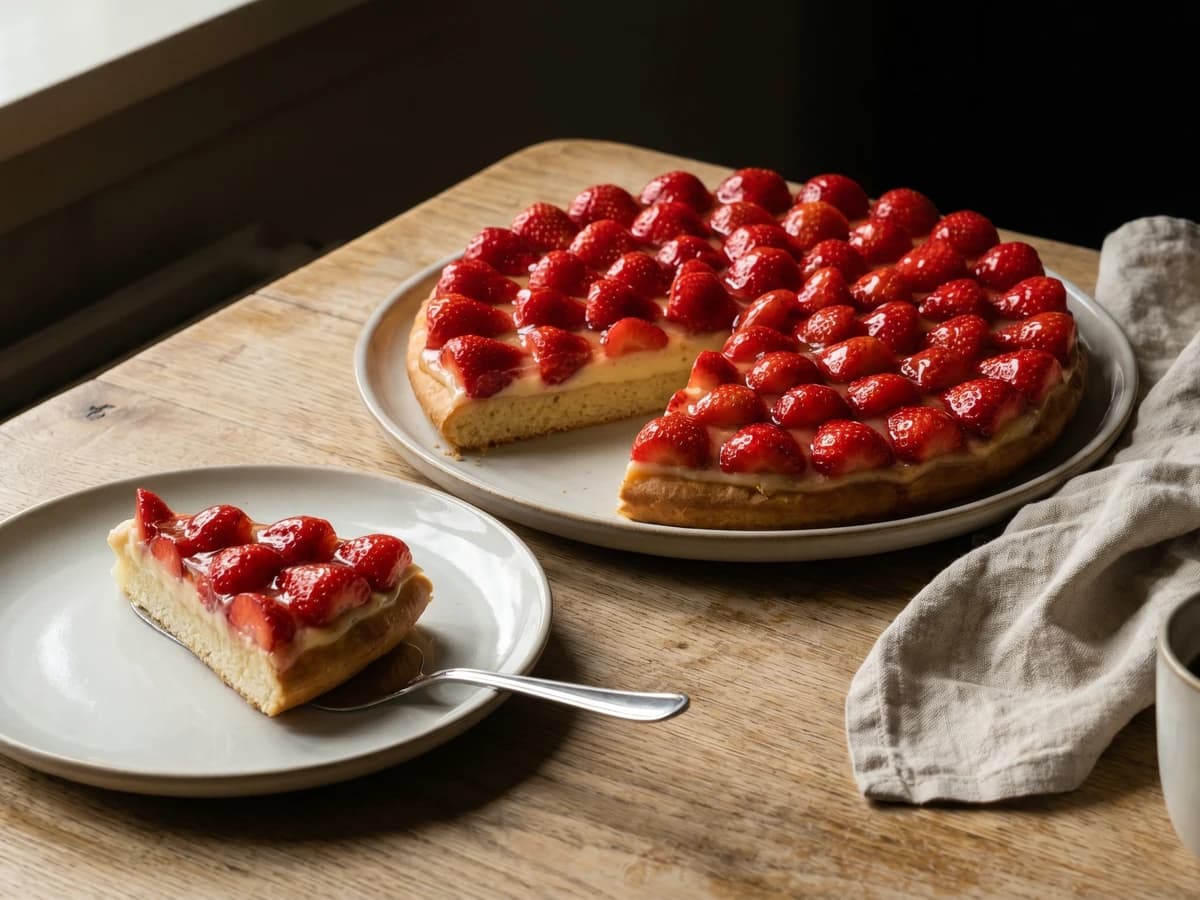
Aardbeienvlaai (Limburg Strawberry Vlaai)
The summer vlaai that politely breaks Limburg's baked-fruit rule: soft gistdeeg, cool pastry cream, and strawberries left fresh because June knows better than the oven.
A cooking platform built around craft, culture, and the stories behind what we eat.

Created by
The old Sinterklaas sweet is not the crisp little kruidnoot at all, but a chewy rye-and-anise morsel, dark with syrup and old winter spice.
Smell pepernoten baking and you're smelling December before the tree has earned the room. Not Christmas first, no. Sinterklaas first: paper shoes by the stove, mandarins in a bowl, children listening for hooves on impossible roofs. In my grandmother's second notebook, the word pepernoten sits beside a dark little dough of rye, syrup, honey, and anise. No neat domes. No chocolate coat. Just small, irregular pieces that chew back a little, as old sweets often do.
But let me tell you a secret. Most Dutch people now call kruidnoten by the wrong name. Kruidnoten are the crisp round ones, made with speculaas spice and shaped like tiny half-buttons. Pepernoten are older, softer, darker, closer to taaitaai, that chewy honey cake whose name means tough-tough, for obvious reasons. The name already tells you the trail: peper, pepper, once stood for the costly heat of the spice cupboard more broadly than our modern pepper mill allows, and noot, nut, points to the little pieces tossed and shared.
So we keep the method honest. Rye for depth, honey and koekstroop, Dutch baking syrup, for chew, anise because Sinterklaas without anise is a bishop without a mitre, and enough spice to remind you that Dutch thrift once kept company with very expensive cargo. Hou het altijd simpel. Mix, rest, cut, bake briefly. The dough tells them apart.
Pepernoten belong to the Dutch Sinterklaas season and are part of strooigoed, the small sweets scattered for children around 5 December. Older pepernoten are related to taaitaai and peperkoek traditions: rye flour, honey or syrup, anise, and winter spices made into chewy irregular morsels rather than crisp round biscuits. Modern Dutch shops often label kruidnoten as pepernoten, but historically the two are distinct, with kruidnoten closer to small speculaas cookies and pepernoten closer to spiced honey cake.
Quantity
200g
Quantity
100g
Quantity
100g
Quantity
100g
Quantity
75g
Quantity
40g
Quantity
2 teaspoons
Quantity
2 teaspoons
Quantity
1/2 teaspoon
Quantity
1/2 teaspoon
Quantity
1/2 teaspoon
Quantity
2 tablespoons, plus more if needed
| Ingredient | Quantity |
|---|---|
| rye flour | 200g |
| plain flour | 100g |
| dark brown basterdsuiker or dark brown sugar | 100g |
| koekstroop or dark baking syrup | 100g |
| honey | 75g |
| unsalted butter | 40g |
| ground aniseed | 2 teaspoons |
| speculaaskruiden | 2 teaspoons |
| ground white pepper | 1/2 teaspoon |
| baking powder | 1/2 teaspoon |
| fine salt | 1/2 teaspoon |
| milk | 2 tablespoons, plus more if needed |
Put the koekstroop, honey, butter, and brown sugar in a small pan over low heat. Warm just until the butter melts and the sugar loosens into a dark glossy syrup. Don't boil it; boiled honey turns bossy and the dough becomes harder than a December doorstep.
Stir the rye flour, plain flour, aniseed, speculaaskruiden, white pepper, baking powder, and salt in a large bowl. Pour in the warm syrup mixture and add the milk. Mix until you have a firm, sticky dough that holds together when pressed. If dry flour remains at the bottom, add milk one teaspoon at a time.
Wrap the dough and let it rest for at least 1 hour at room temperature. Rye needs this pause. The syrup sinks into the flour, the anise stops shouting, and the dough becomes something you can cut instead of something you must wrestle.
Heat the oven to 170C and line a baking tray with parchment. Pat the dough into a slab about 1.5cm thick, then cut it into small rough cubes or nuggets, each about the size of a hazelnut in its shell. Pepernoten should look scattered, not manufactured.
Bake for 12 to 14 minutes, until the edges look set and the tops have dulled from sticky to matte. They will still feel soft when pressed. Good. Pull them before they harden, because pepernoten should chew, while kruidnoten should snap.
Let the pepernoten cool completely on the tray, then store them in a tin. They are better the next day, when the syrup has settled and the chew has become gentle rather than stubborn.
1 serving (about 10g)
Culinary guides, cultural storytelling, and the editorial depth that makes cooking meaningful.
Discover Culinary ExplorerChef Joost
The summer vlaai that politely breaks Limburg's baked-fruit rule: soft gistdeeg, cool pastry cream, and strawberries left fresh because June knows better than the oven.

Chef Joost
A Limburg vlaai is not a pie trying to be grand. It is a thin yeast-dough round, fruit-bright and generous, made for birthdays, coffee, and second slices.

Chef Joost
The December bakery counter made small: cold leafed pastry wrapped around lemon-scented amandelspijs, brushed gold, and scattered with almonds so one person gets the whole holiday in both hands.
Chef Joost
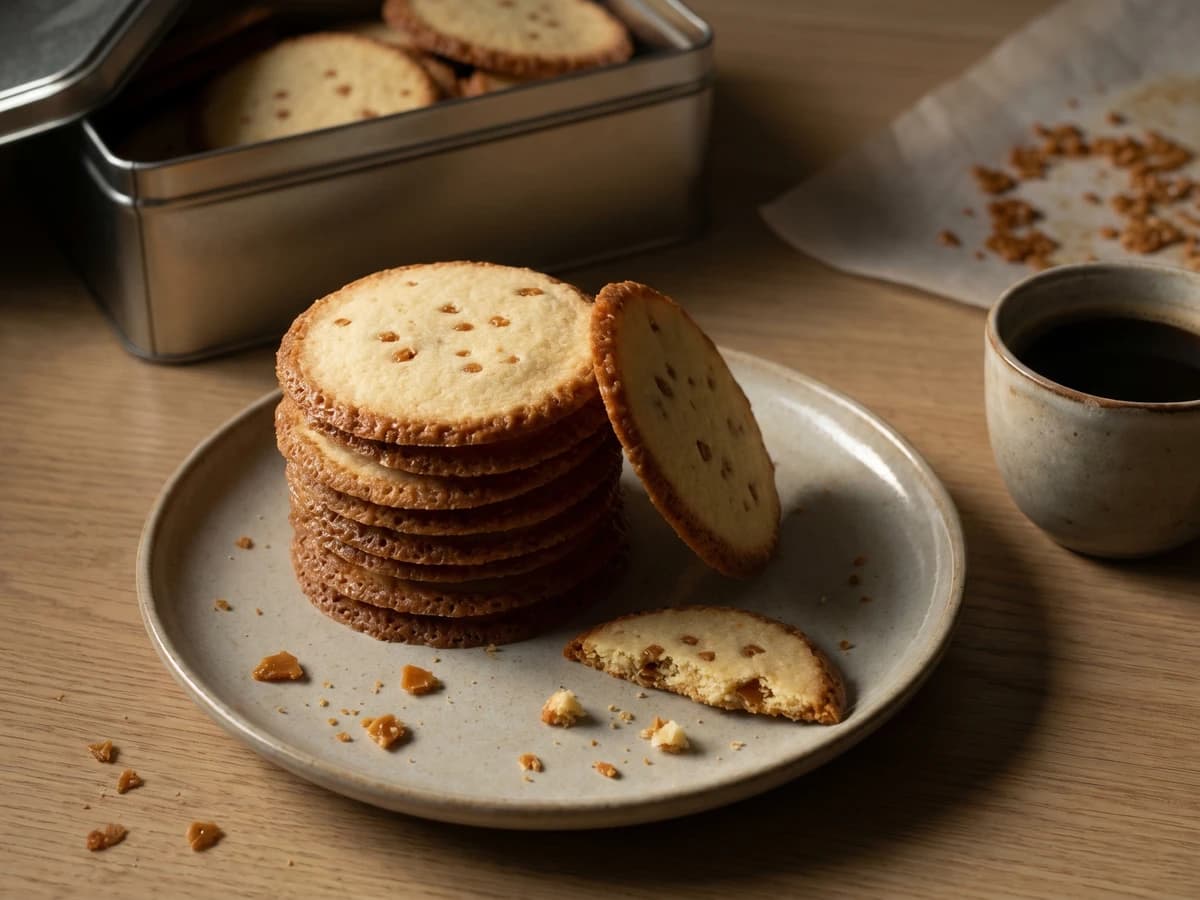
A thin Amsterdam cookie carrying a cog ship in its name: caramelized butter dough, almond nougatine, and a 1934 contest that turned municipal pride into something for coffee.