Chef Graziella
Braciole alla Napoletana
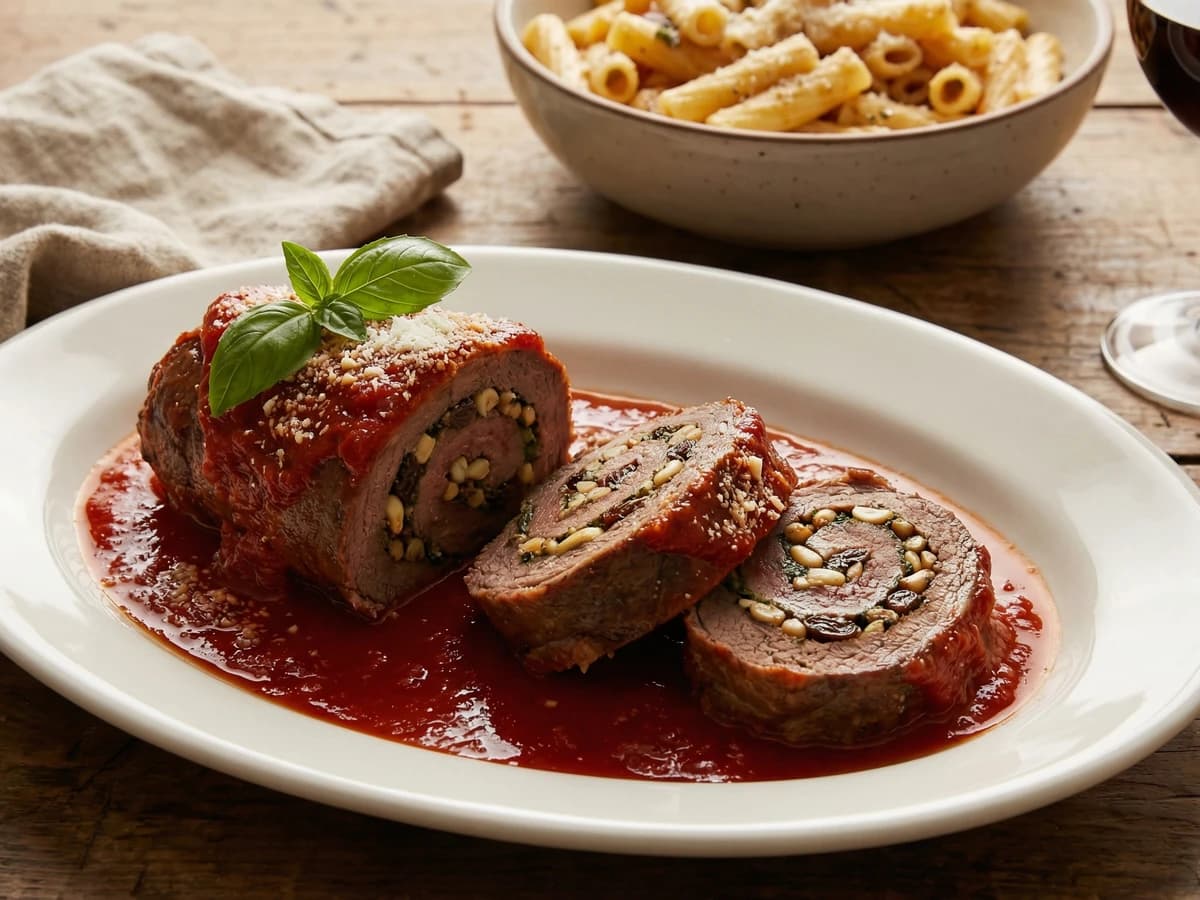
The Sunday ritual of Naples: beef rolls stuffed with pine nuts, raisins, and garlic, braised in tomato sauce until surrendering to tenderness. The sauce goes to the pasta. The meat comes second.
A cooking platform built around craft, culture, and the stories behind what we eat.

Created by
Naples claims many parmigiane, but this one celebrates the artichoke at its spring peak. Fried hearts layered with eggs, ham, and mozzarella, then baked until the kitchen fills with the promise of Easter.
Eggplant parmigiana receives all the attention, but in Naples, the artichoke version holds equal standing. Perhaps more. It appears on Easter tables when artichokes are at their peak, when the tight globes from the Campania countryside are tender enough to slice thin and fry until golden.
This is a layered dish in the true Neapolitan style. Fried vegetables, simple tomato sauce, fresh mozzarella, Parmigiano-Reggiano, and the additions that make it festive: thin slices of cooked ham and rounds of hard-boiled egg tucked between the layers. The eggs are not negotiable. They mark this as a celebration dish, something for Sunday or a saint's day or the arrival of family from far away.
Cleaning artichokes is labor. I will not pretend otherwise. You will stand at the sink removing tough outer leaves, trimming stems, scooping out fuzzy chokes, dropping each cleaned heart into lemon water before it can darken. This takes time. It takes patience. What you get in return is a parmigiana that tastes of something beyond eggplant, something distinctly spring, distinctly Neapolitan, distinctly worth the effort.
Parmigiana di carciofi belongs to the family of Neapolitan layered vegetable dishes that date to at least the 18th century, when tomatoes finally gained acceptance in southern Italian cooking. The addition of hard-boiled eggs marks it as a festive preparation, traditionally served at Easter when artichokes flood the markets of Campania and eggs carry symbolic meaning for the season of renewal.
Quantity
12 medium
Quantity
2
halved
Quantity
1 cup
for frying
Quantity
1 can (28 ounces)
whole peeled
Quantity
3 tablespoons
for sauce
Quantity
2
lightly crushed
Quantity
to taste
Quantity
8
Quantity
1 pound
sliced thin
Quantity
6 ounces
sliced thin
Quantity
1 cup
freshly grated
Quantity
1/2 cup
Quantity
to taste
freshly ground
| Ingredient | Quantity |
|---|---|
| globe artichokes | 12 medium |
| lemonshalved | 2 |
| extra virgin olive oilfor frying | 1 cup |
| San Marzano tomatoeswhole peeled | 1 can (28 ounces) |
| extra virgin olive oilfor sauce | 3 tablespoons |
| garlic cloveslightly crushed | 2 |
| kosher salt | to taste |
| large eggs | 8 |
| fresh mozzarella (fior di latte)sliced thin | 1 pound |
| prosciutto cottosliced thin | 6 ounces |
| Parmigiano-Reggianofreshly grated | 1 cup |
| fresh basil leaves | 1/2 cup |
| black pepperfreshly ground | to taste |
Fill a large bowl with cold water and squeeze in the juice of both lemons. Drop in the spent lemon halves. This acidulated water prevents the artichokes from turning black as you work. You will be grateful for it.
This is the labor. There is no avoiding it. Working with one artichoke at a time, snap off the tough outer leaves until you reach the pale, tender inner leaves. Cut off the top third of the artichoke, where the leaves are still tough and pointed. Trim the stem, leaving about two inches, and peel away its fibrous outer layer. Cut the artichoke in half lengthwise. Using a small spoon, scrape out the fuzzy choke from the center. Drop each cleaned artichoke immediately into the acidulated water.
Drain the artichoke halves and pat them completely dry with clean kitchen towels. Slice each half lengthwise into pieces about one-quarter inch thick. They must be dry or they will splatter dangerously in the hot oil.
In a large skillet, heat the cup of olive oil over medium-high heat until shimmering. Working in batches, fry the artichoke slices until golden and tender when pierced with a knife, about 4 minutes per batch. Transfer to a plate lined with paper towels. Season with salt while hot. Do not crowd the pan. Crowded artichokes steam rather than fry.
In a separate saucepan, heat the 3 tablespoons olive oil over medium heat. Add the crushed garlic cloves and cook until fragrant and barely golden, about 2 minutes. Crush the tomatoes by hand directly into the pan. Add half a teaspoon of salt. Simmer uncovered for 20 minutes, stirring occasionally, until the sauce thickens and loses its raw tomato taste. Remove and discard the garlic. The sauce should be simple: nothing more than tomatoes, oil, garlic, and salt.
While the sauce simmers, place the eggs in a single layer in a saucepan and cover with cold water by one inch. Bring to a boil over high heat. The moment the water reaches a full boil, cover the pan, remove it from the heat, and let it stand for 12 minutes. Transfer the eggs to ice water. When cool, peel and slice into rounds about one-quarter inch thick.
Heat the oven to 375 degrees Fahrenheit. Spread a thin layer of tomato sauce on the bottom of a 9-by-13-inch baking dish. Arrange half the fried artichokes in a single layer. Top with half the sliced eggs, half the prosciutto cotto torn into pieces, half the mozzarella slices, a third of the Parmigiano-Reggiano, and a scattering of basil leaves. Spoon half the remaining sauce over all. Repeat with another layer of artichokes, eggs, ham, mozzarella, another third of the Parmigiano, and more basil. Finish with the remaining sauce and the final third of Parmigiano-Reggiano.
Bake uncovered until the top is golden brown and the sauce is bubbling visibly around the edges, 35 to 40 minutes. The cheese should form patches of golden crust. If the top browns before the center is heated through, cover loosely with foil.
Remove from the oven and let the parmigiana rest for at least 15 minutes before cutting. This is essential. A rest allows the layers to set so slices hold together. Cut too soon and you will have a delicious mess rather than a composed dish. It will still taste wonderful, but presentation matters at Easter.
1 serving (about 350g)
Culinary guides, cultural storytelling, and the editorial depth that makes cooking meaningful.
Discover Culinary ExplorerChef Graziella
The Sunday ritual of Naples: beef rolls stuffed with pine nuts, raisins, and garlic, braised in tomato sauce until surrendering to tenderness. The sauce goes to the pasta. The meat comes second.

Chef Graziella
Pork rolls stuffed with pine nuts, raisins, and prosciutto, then braised slowly in tomato sauce until fork-tender. In Naples, the sauce dresses pasta for the first course, and the meat follows as the second.
Chef Graziella
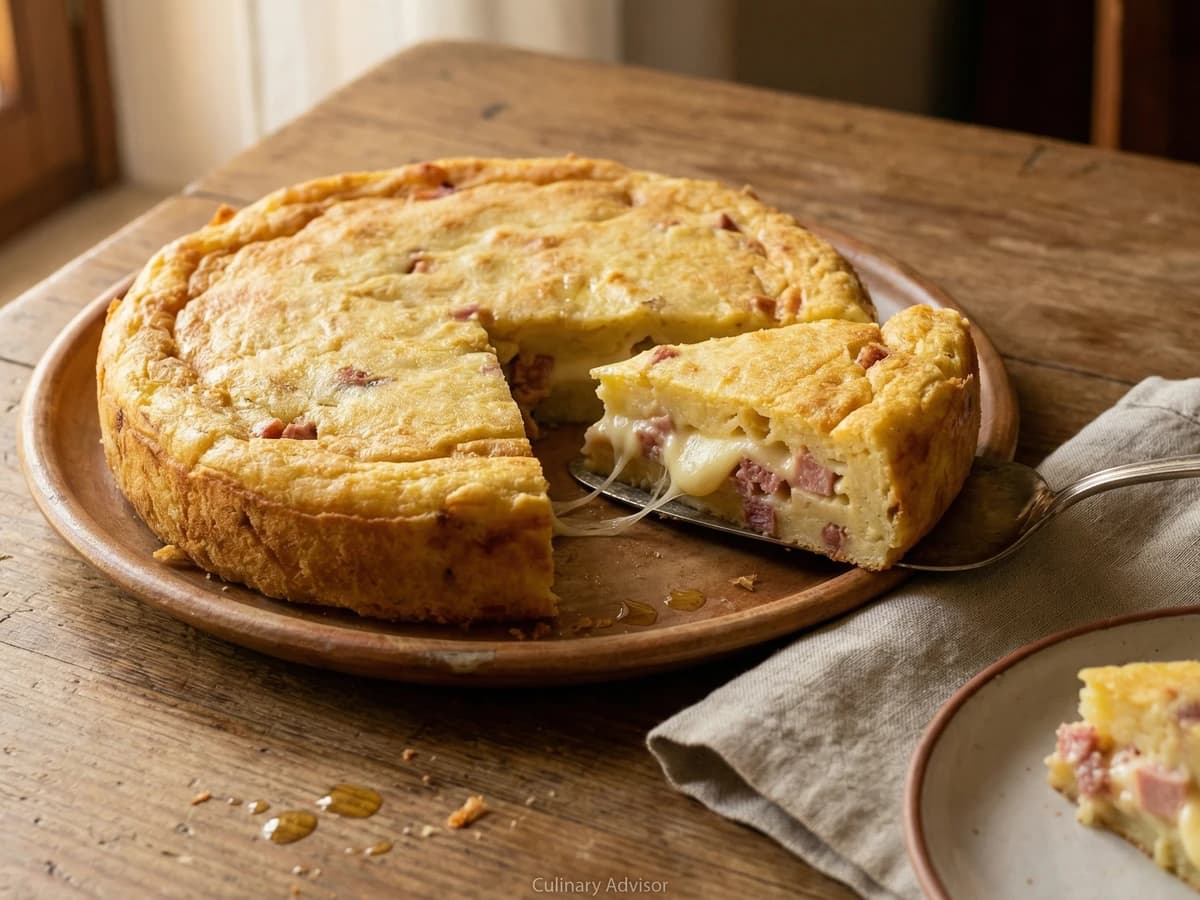
The baroque potato cake of Naples, where silky mashed potatoes enfold a hidden treasure of cheeses and cured meats, then bake until a golden crust gives way to molten richness within.
Chef Graziella
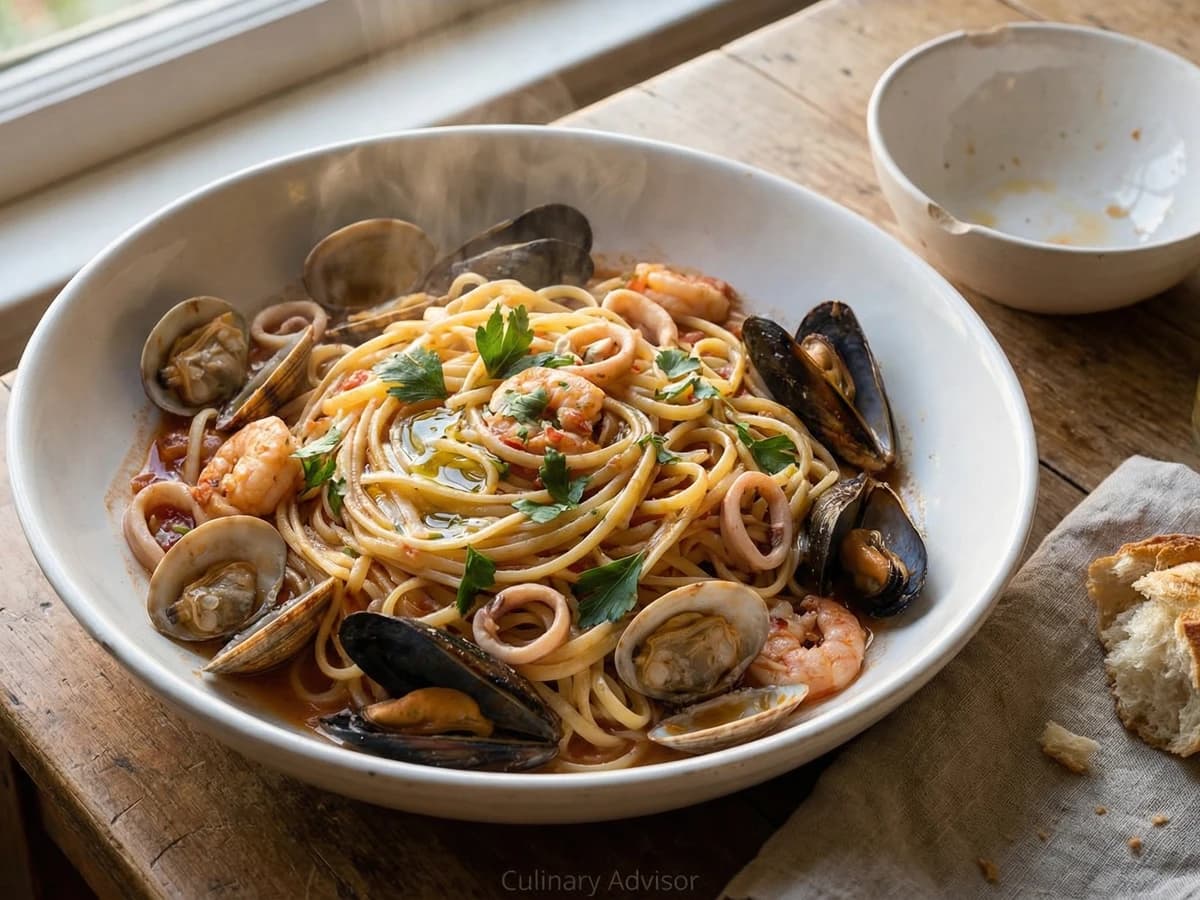
A tumble of clams, mussels, shrimp, and squid over linguine, bright with tomato and white wine. The fishermen's pasta of the Amalfi coast, where the rocks meet the sea.