Chef Makoa
Alaisa Faʻapopo (Sāmoan Coconut Rice)
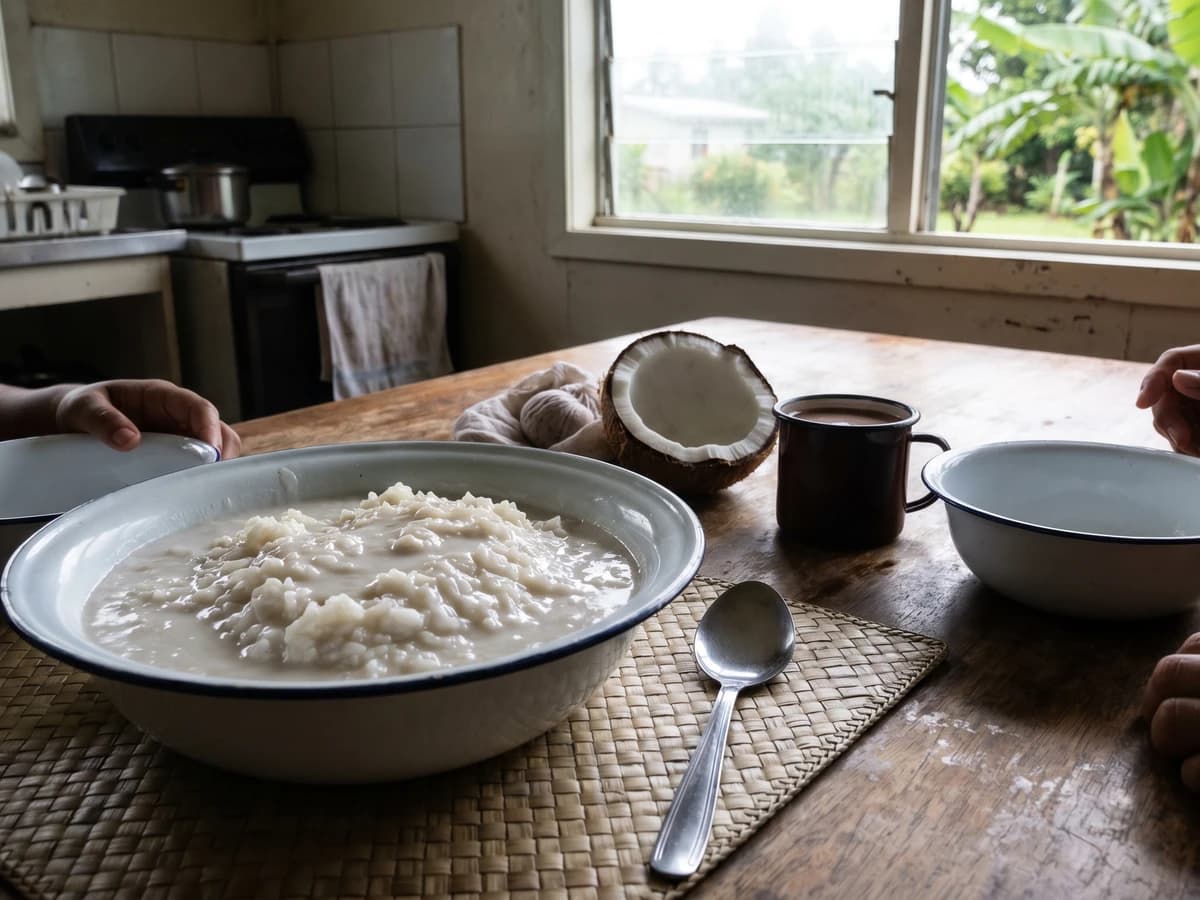
Sāmoa's morning coconut rice, salted and soft, with fresh peʻepeʻe folded through until every grain shines, served beside Koko Sāmoa for children, elders, new mothers, and anyone needing building up.
A cooking platform built around craft, culture, and the stories behind what we eat.
Created by
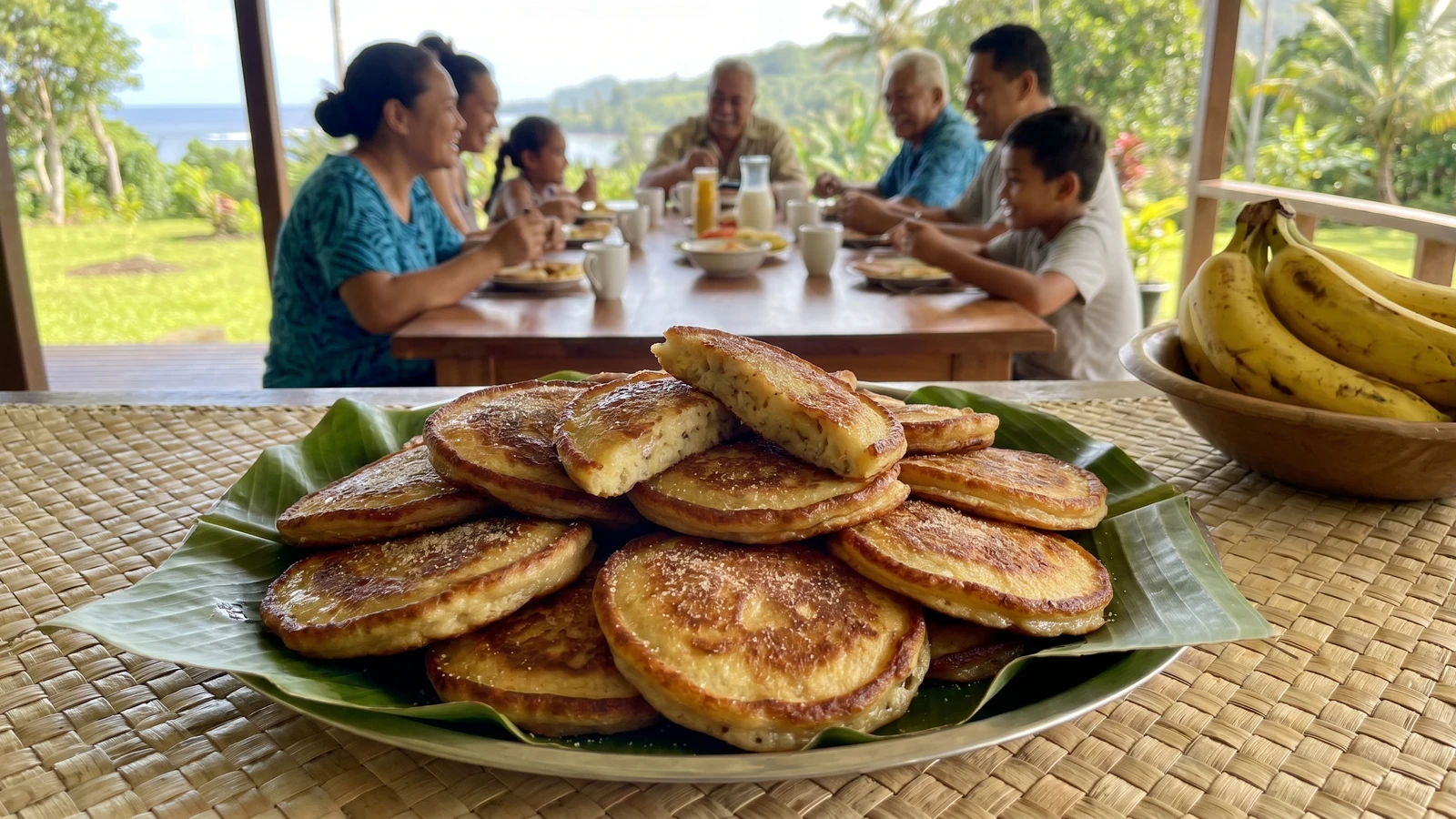
Sāmoa's panikeke faʻi, ripe banana folded into a simple batter and fried until the outside is golden and the inside stays soft, sweet, and ready for a crowd.
The first thing I remember about panikeke is not the frying. It's the children waiting. In Sāmoa, panikeke faʻi, fried banana pancakes, belong to the aiga, the extended family, and especially to the birthdays and church fairs and market mornings where somebody is always feeding one more mouth than they planned for.
This is Sāmoa's hand, and I say that clean. The old deep foods still sit underneath the table, talo, ʻulu, the palusami parcel full of coconut cream, the umu stones holding their heat. Panikeke came later with flour and sugar and the everyday pantry, but the way Sāmoans took it in, stretched it with ripe faʻi, and made it food for the whole room, that is living culture. Keeper, not gatekeeper.
Across the Triangle, every island has its own sweet fried or griddled comfort. Hawaiʻi has malasadas now through Portuguese hands, the Cook Islands and Tahiti have their own fritters and coconut sweets, and Sāmoa has these round panikeke, sometimes plain, sometimes banana-rich, dropped by spoon into hot oil. Same ocean. Different table.
So don't make them fussy. Let the bananas get speckled and soft. Keep the oil steady. Fry enough that the first plate can disappear while the second batch is still cooking. That's how you know the food found its people.
Panikeke takes its name from the English word pancake, one of the many flour-and-sugar foods that entered Sāmoan kitchens through mission, trade, and colonial contact in the nineteenth and twentieth centuries. The Sāmoan version became its own everyday form: rounded spoon-dropped fritters sold at markets, packed for school fundraisers, and piled high at birthdays beside older foods like talo, palusami, and umu-cooked meats. It is not pre-contact deep food, but it is real Sāmoan food now, proof that island kitchens keep memory and also keep moving.
Quantity
3
mashed
Quantity
2 cups
Quantity
1/3 cup
Quantity
2 teaspoons
Quantity
1/2 teaspoon
Quantity
1
lightly beaten
Quantity
1/2 cup
plus more as needed
Quantity
1 teaspoon
Quantity
4 to 6 cups
for frying
Quantity
as needed
for dusting
| Ingredient | Quantity |
|---|---|
| very ripe bananas (faʻi)mashed | 3 |
| all-purpose flour | 2 cups |
| granulated sugar | 1/3 cup |
| baking powder | 2 teaspoons |
| fine sea salt | 1/2 teaspoon |
| large egglightly beaten | 1 |
| milk or waterplus more as needed | 1/2 cup |
| vanilla extract (optional) | 1 teaspoon |
| neutral oilfor frying | 4 to 6 cups |
| extra sugar (optional)for dusting | as needed |
Mash the ripe faʻi, the bananas, until mostly smooth with a few soft pieces left. Use the spotty ones, the almost-too-far ones. Eat what you have, yeah? Those are the bananas that make the panikeke smell like a Sāmoan kitchen before the first one even hits the oil.
In a wide bowl, stir the flour, sugar, baking powder, and salt together so the lift is spread through the whole batch. This is not precious food. It is birthday food, market food, after-school food, the kind that feeds the line of cousins who suddenly appear when frying starts.
Stir the mashed banana, egg, milk or water, and vanilla if using into the dry mix. The batter should be thick enough to fall from a spoon in a slow heavy ribbon, not thin like crepe batter and not stiff like bread dough. If it sits too tight, add milk or water one tablespoon at a time.
Pour oil into a heavy pot to about 2 inches deep and heat to 350F. If you don't have a thermometer, drop in a small bit of batter. It should rise with steady bubbles and turn golden in about a minute, not sink heavy and not darken right away.
Use two spoons or a small scoop to drop rounded spoonfuls of batter into the oil, a few at a time so the pot doesn't crowd. Fry 2 to 3 minutes, turning as they puff, until the panikeke are deep golden outside and cooked through at the center. The outside should feel lightly crisp under the spoon and the banana inside should stay soft.
Lift the panikeke to a rack or paper towels and let the oil sheen settle into a warm gloss. Dust with sugar if your table likes it, or leave them plain. Pile them high and serve while warm, because no Sāmoan children's party ever ends with only one.
1 serving (about 47g)
Culinary guides, cultural storytelling, and the editorial depth that makes cooking meaningful.
Discover Culinary ExplorerChef Makoa
Sāmoa's morning coconut rice, salted and soft, with fresh peʻepeʻe folded through until every grain shines, served beside Koko Sāmoa for children, elders, new mothers, and anyone needing building up.
Chef Makoa
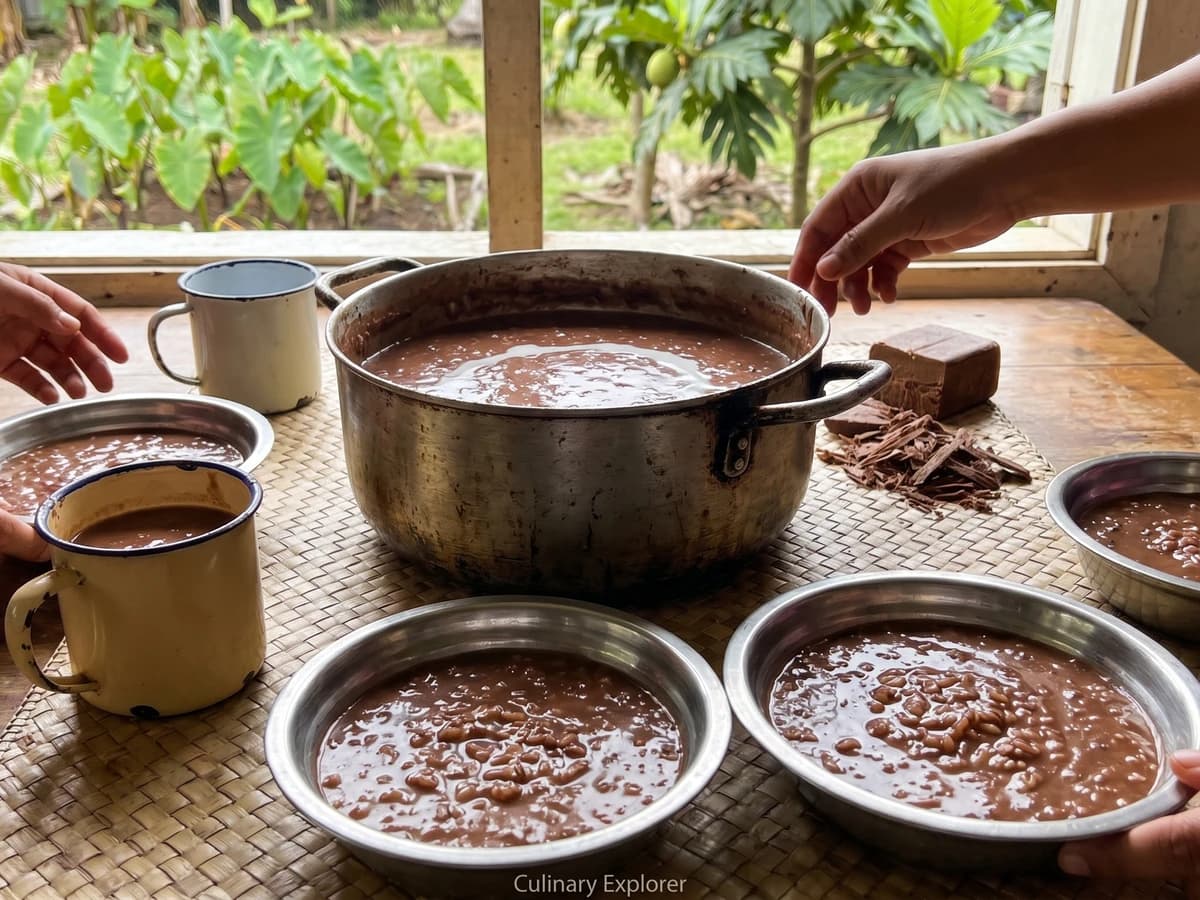
Sāmoan koko alaisa is rice cooked soft with coconut cream and the land's own roasted cacao, a building-up breakfast for children, elders, new mothers, and anybody needing comfort.
Chef Makoa
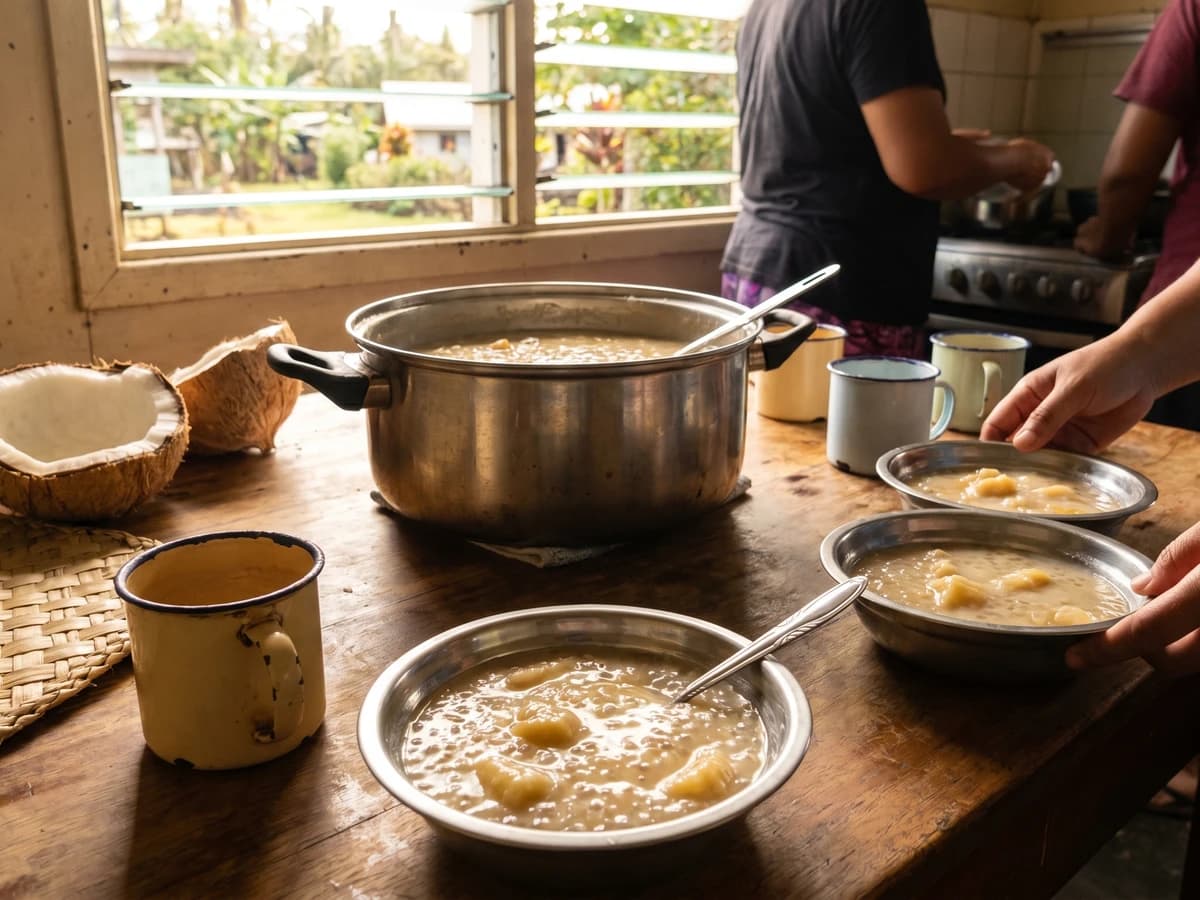
Sāmoa's gentle banana porridge, ripe faʻi mashed soft with sago and peʻepeʻe, coconut cream, the kind of warm food the aiga feeds you when you need building back up.
Chef Makoa
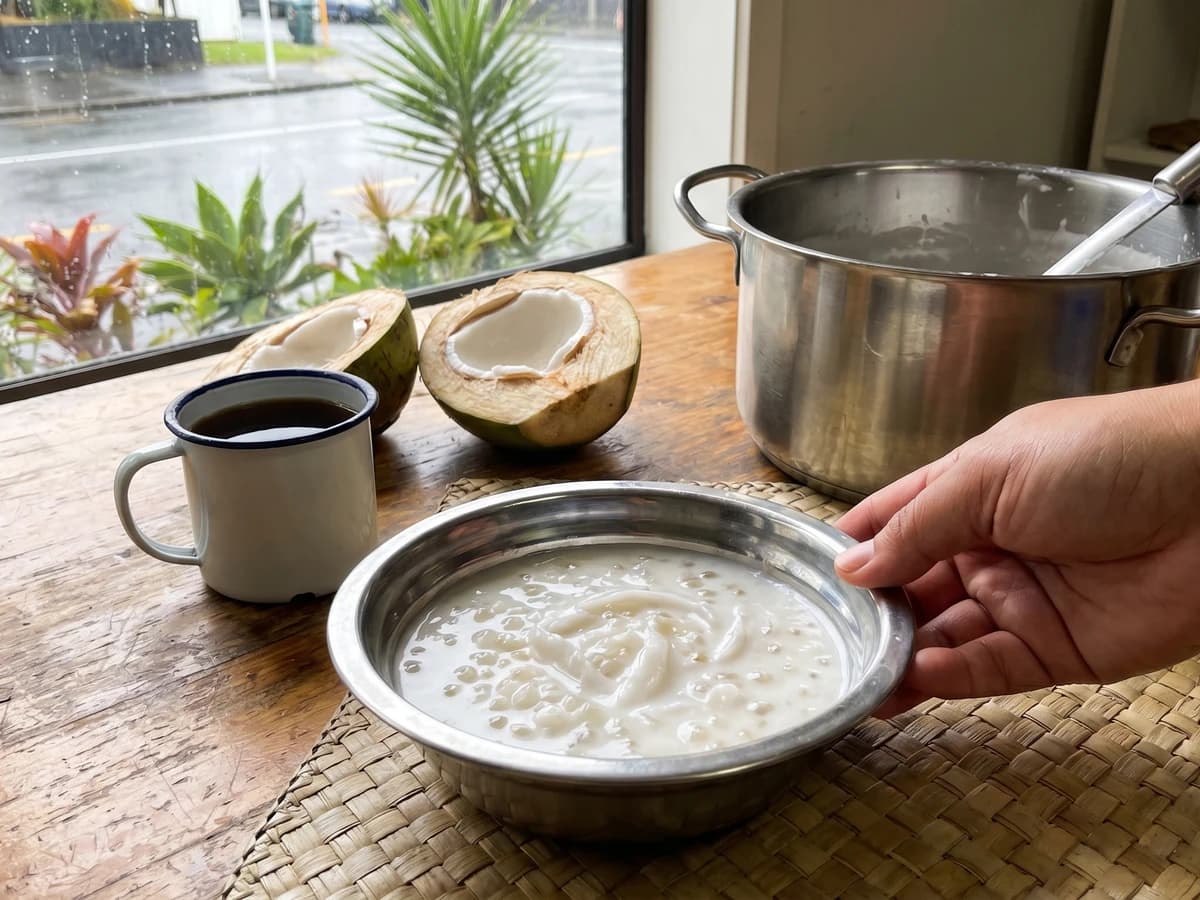
A warm Sāmoan bowl of young niu, sweet coconut water, soft coconut meat, and sago cooked until glossy and gentle, the kind of building-up food the aiga feeds you when you need strength back.