
Chef Ally
Braised Lamb Shanks with Red Wine
Lamb shanks surrendered to red wine and aromatics until the meat falls from the bone, yielding a sauce so rich and glossy it makes the case for slow cooking better than any words could.
A cooking platform built around craft, culture, and the stories behind what we eat.
Created by
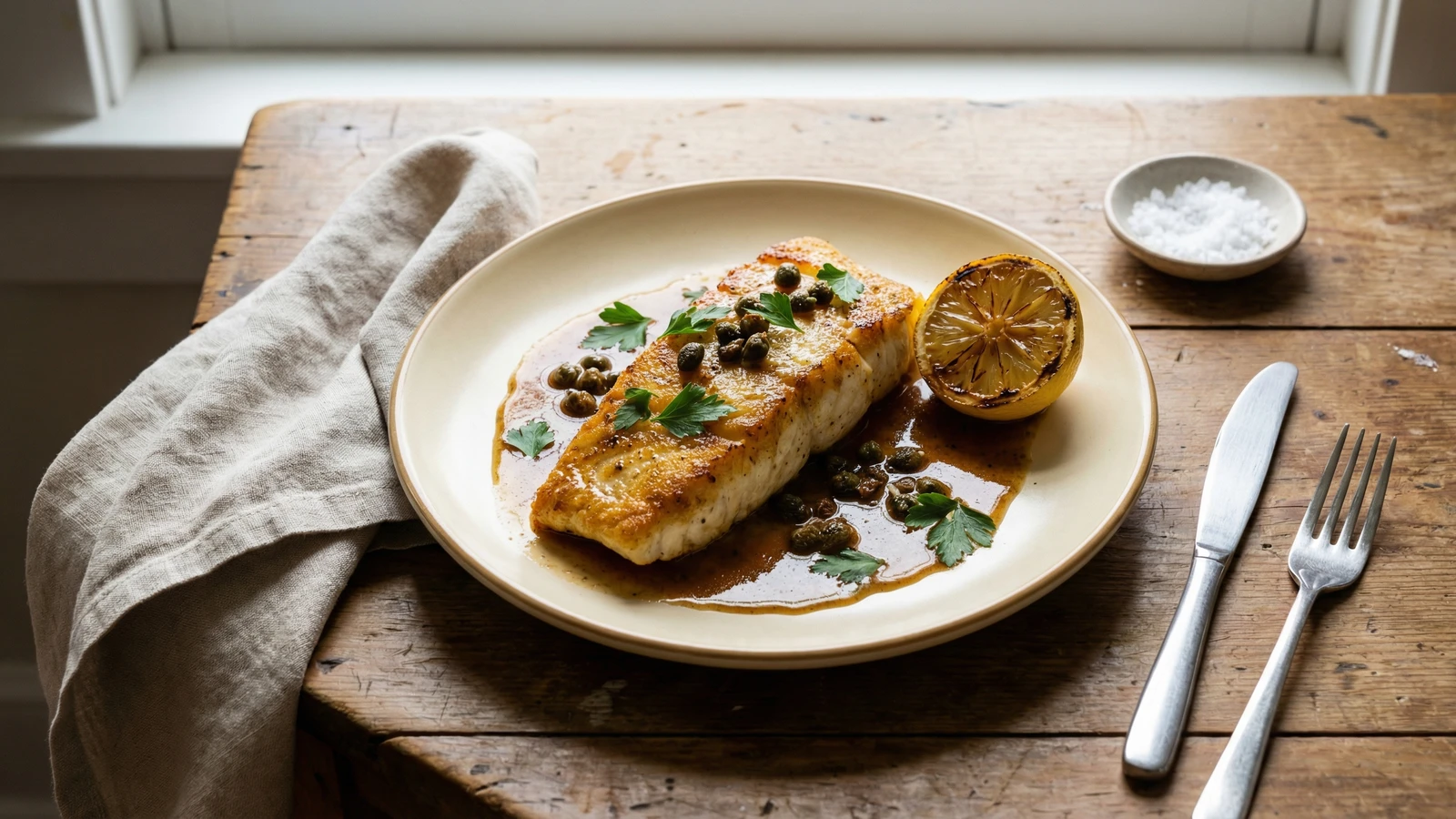
Wild halibut seared until the crust shatters and the flesh stays silky, finished with nutty brown butter, briny capers, and a bright squeeze of lemon that cuts through the richness like morning light.
Start with the fish. A thick halibut fillet from cold Pacific waters, firm to the touch, smelling of nothing but the sea. This is the whole point. Without pristine fish, technique is just compensation.
Halibut comes into season in spring and holds through early fall, depending on where you live and who is fishing. Find a fishmonger you trust, one who can tell you when the boat came in. The flesh should be translucent, almost opalescent, with no gaps between the flakes. If it smells fishy, it is not fresh. Walk away.
The technique here is simple because it has to be. A hot pan, a few minutes of patience, and brown butter that you make in the same skillet while the fish rests. The fond (those caramelized bits stuck to the pan) becomes your sauce. The lemon brightens everything. The capers add the salt and brine of the sea. You are not building flavors so much as conducting them.
This is the kind of cooking I believe in. Get out of the way. Let the ingredient speak. Your job is to apply heat correctly and know when to stop.
Quantity
4 (6-8 ounces each, about 1 inch thick)
Quantity
to taste
Quantity
to taste
freshly ground
Quantity
2 tablespoons
Quantity
4 tablespoons
Quantity
2 tablespoons
from 1 lemon
Quantity
1 tablespoon
drained and patted dry
Quantity
2 tablespoons
roughly chopped
Quantity
for serving
| Ingredient | Quantity |
|---|---|
| halibut fillets | 4 (6-8 ounces each, about 1 inch thick) |
| fine sea salt | to taste |
| black pepperfreshly ground | to taste |
| neutral oil | 2 tablespoons |
| unsalted butter | 4 tablespoons |
| fresh lemon juicefrom 1 lemon | 2 tablespoons |
| capersdrained and patted dry | 1 tablespoon |
| fresh flat-leaf parsleyroughly chopped | 2 tablespoons |
| lemon wedges | for serving |
Remove halibut from the refrigerator thirty minutes before cooking. Cold fish hitting a hot pan creates uneven cooking and a pale, steamed exterior instead of that gorgeous crust. Pat each fillet thoroughly dry with paper towels. Moisture is the enemy of a proper sear.
Season the fillets on both sides with fine sea salt and black pepper. The salt should be visible but not heavy, like a light snowfall. Let the seasoned fish rest on a clean plate while you heat the pan. This draws moisture to the surface, which we will blot away for a better crust.
Set a large stainless steel or cast iron skillet over medium-high heat. Add the oil and let it heat until you see the first wisps of smoke and the oil shimmers like water. This takes two to three minutes. Do not rush this step. A properly heated pan is what separates restaurant fish from home-cooked fish.
Blot any moisture that has risen to the surface of the fish. Lay fillets in the pan, presentation side down, away from you to avoid splatter. Do not move them. Do not peek. Listen for an aggressive sizzle that settles into a steady hiss. After three to four minutes, the edges will turn opaque and golden crust will form where the fish meets the pan.
Slide a thin spatula under each fillet, checking that it releases without resistance. If it sticks, wait another thirty seconds. The fish will tell you when it is ready to turn. Flip gently and cook the second side for two to three minutes. The fish is done when it flakes under gentle pressure but still has a pearlescent center. Carry-over cooking will finish the job.
Move the fillets to a warm platter and let them rest while you make the butter. This takes only a minute, and the resting allows the juices to redistribute throughout the flesh.
Reduce heat to medium. Add butter to the same pan, letting it melt into the fond. Swirl constantly as it foams and sputters. Watch the milk solids at the bottom of the pan. They will progress from pale yellow to golden to the color of hazelnuts, releasing a nutty fragrance that fills the kitchen. This transformation takes sixty to ninety seconds. Do not walk away.
Remove pan from heat immediately. Add capers (they will sputter and crisp in the hot fat) and lemon juice (it will bubble violently, so stand back). Swirl to combine. The acid stops the browning and creates a silky, emulsified sauce. Stir in the parsley.
Spoon the brown butter over each fillet, making sure everyone gets their share of capers. Serve immediately with lemon wedges. The fish should glisten. The butter should pool slightly on the plate. This is a dish that wants to be eaten the moment it arrives.
1 serving (about 220g)
Culinary guides, cultural storytelling, and the editorial depth that makes cooking meaningful.
Discover Culinary ExplorerChef Ally
Lamb shanks surrendered to red wine and aromatics until the meat falls from the bone, yielding a sauce so rich and glossy it makes the case for slow cooking better than any words could.

Chef Dean
Golden saffron rice crowned with Gulf shrimp and smoky Spanish chorizo, cooked over live fire until the bottom forms that coveted crispy socarrat crust. This is summer entertaining at its most generous and spectacular.
Chef Ally
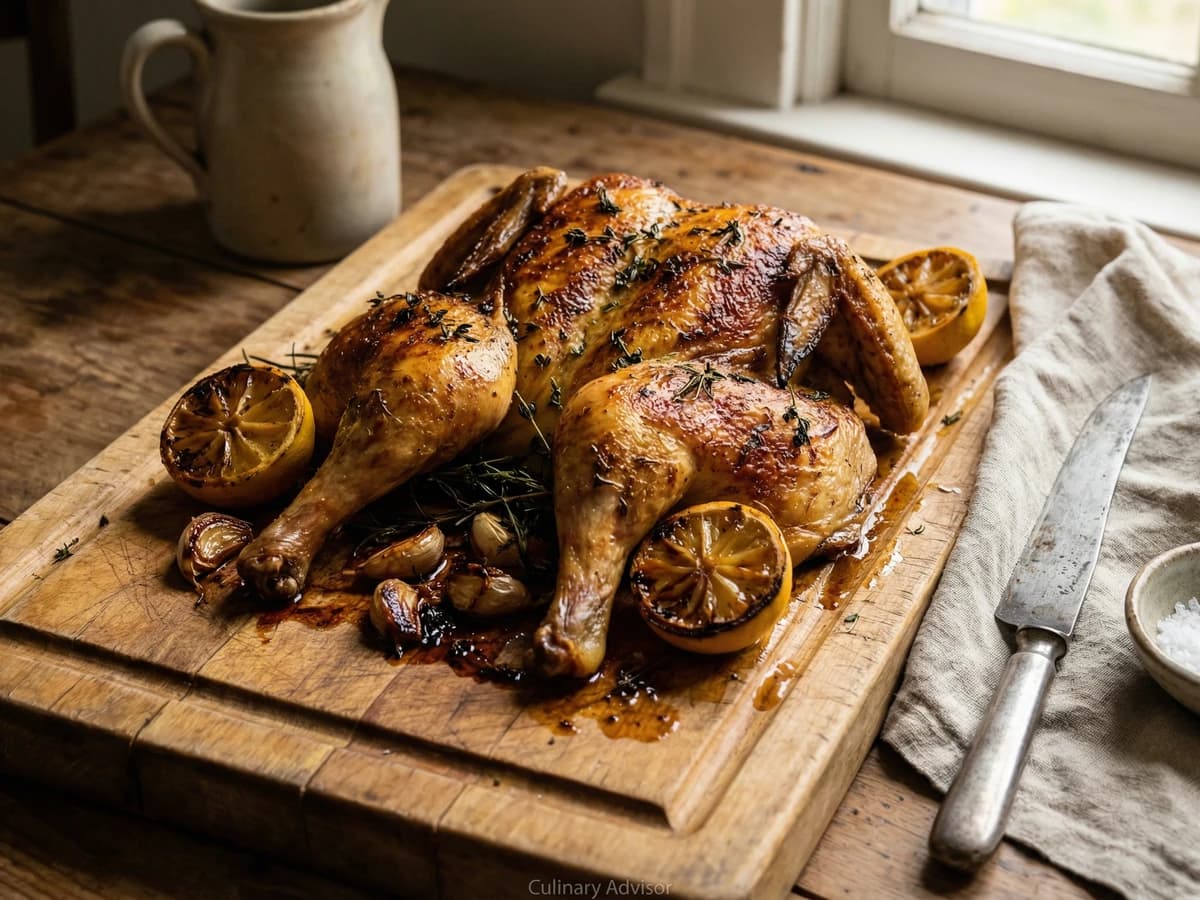
A whole bird pressed flat against the heat, skin lacquered gold and fragrant with lemon and garden herbs, the meat beneath staying impossibly juicy because the cooking is fast and even.

Chef Ally
Chewy farro piled high with charred summer vegetables, crispy spiced chickpeas, briny olives, and creamy feta, all brought together with a bright tahini dressing that makes you want to lick the bowl clean.