Chef Juliana
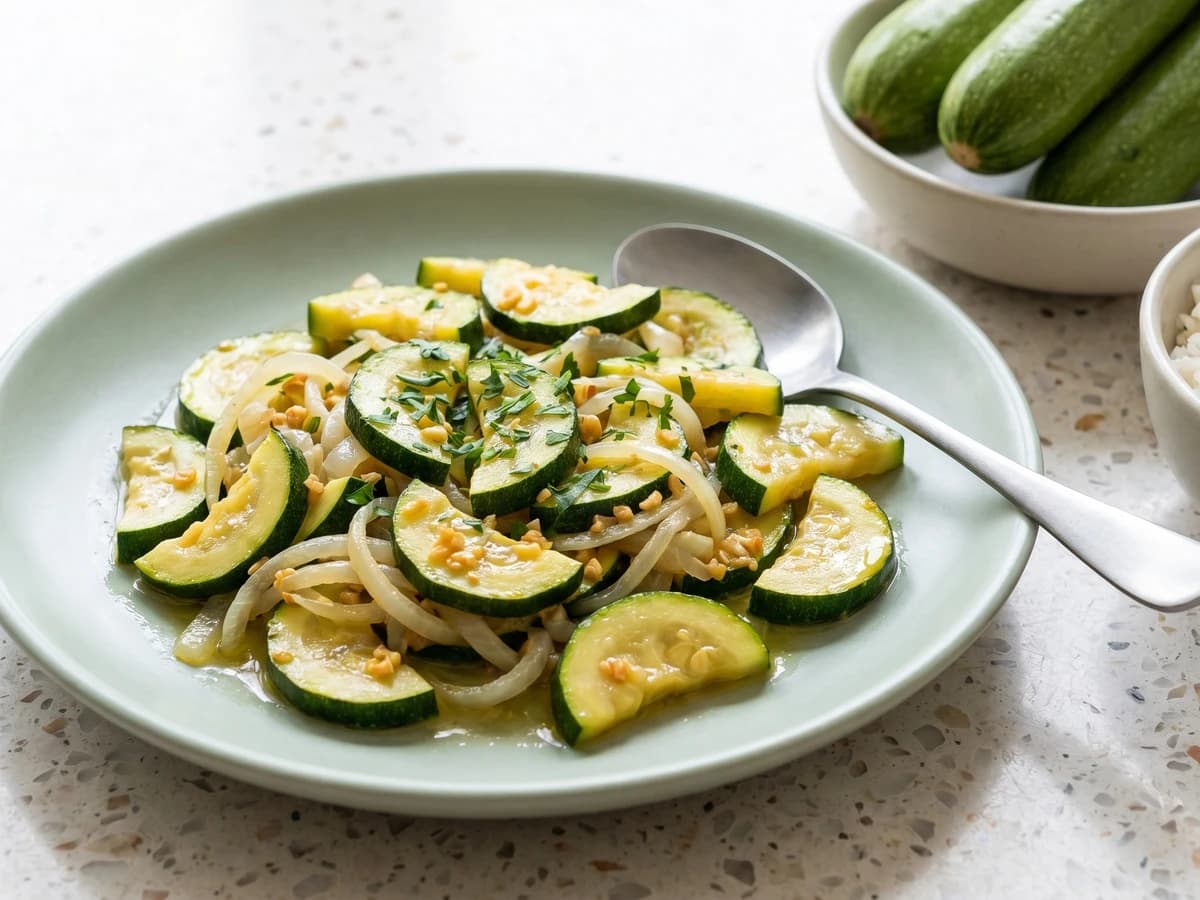
Abobrinha Refogada
You think you'll turn zucchini into mush. Fine. Anota aí: high heat, wide pan, salt at the end, and suddenly this little green side starts solving dinner.
A cooking platform built around craft, culture, and the stories behind what we eat.
Created by
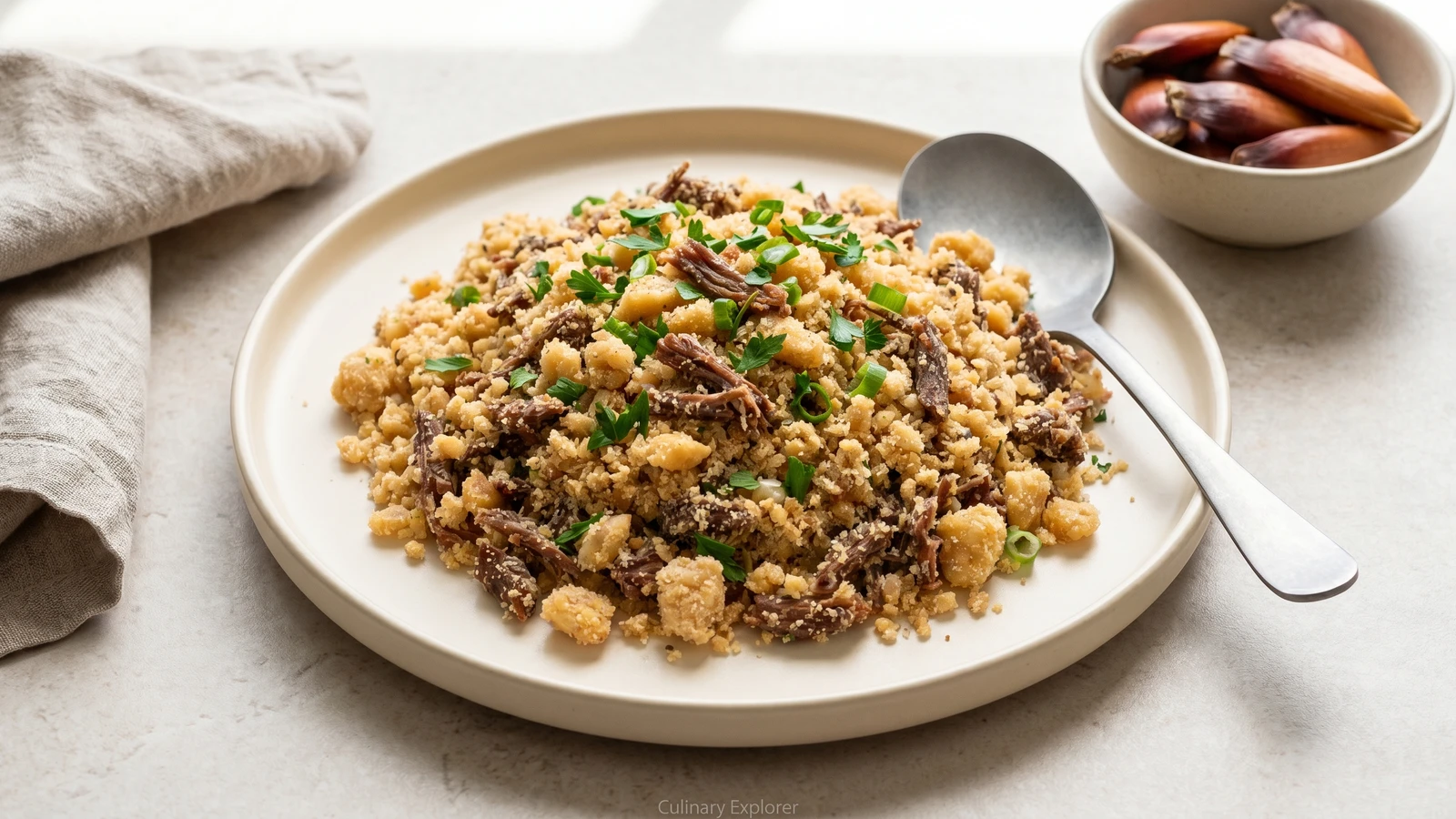
You don't need a countryside kitchen or somebody's secret hand. Cook the pinhão, brown the beef properly, toast the farinha, and pound it until dinner starts holding together.
You look at a pile of pinhão and think, quietly, isso não é pra mim. Too regional, too old-fashioned, too much work. Anota aí: cozinhar não é dom, é um aprendizado. Pinhão asks for patience, not permission.
This is comida de verdade from the winter planalto, the kind of food that solves a table because it fills, stretches, and tastes like someone paid attention. Put it beside arroz soltinho, feijão bem cremoso, and couve refogada, and there it is: the pê-efe doing what it always does, carrying a country quietly on a weekday plate.
The method is plain. Cook the pinhão until tender so it crushes instead of fights you. Brown the beef in batches so it gets color instead of turning grey in its own water. Build an honest refogado with onion and garlic, then toast the farinha so it smells nutty, not raw. No packet, no powder pretending to be flavor.
Then you pound. Not for drama. For texture. The pilão breaks the pinhão just enough to grab the meat and farinha, so the mixture turns crumbly, smoky, a little sweet, and able to sit proudly next to beans. If you don't have a pilão, a potato masher will do. It won't be exactly the same, but a Tuesday is a Tuesday.
Paçoca de pinhão belongs to the Araucaria highlands of southern Brazil, especially Paraná, Santa Catarina, and Rio Grande do Sul, where pinhão is harvested and eaten in the colder months. Savory paçocas made from pounded meat and farinha are tied to tropeiro foodways, because dried meat, cassava flour, and durable ingredients traveled well. The pinhão version folds that traveling-food logic into the winter harvest of the planalto, with local variations using fresh beef, charque, bacon, or only aromatics and farinha.
Quantity
4 cups
roughly chopped
Quantity
1 pound
cut into small cubes
Quantity
1 1/2 teaspoons, divided, plus more to taste
Quantity
1/2 teaspoon
Quantity
2 tablespoons
Quantity
1 medium
finely chopped
Quantity
4 cloves
minced
Quantity
1 cup
preferably toasted
Quantity
2 tablespoons
chopped
Quantity
2 tablespoons
chopped
Quantity
1 tablespoon
| Ingredient | Quantity |
|---|---|
| cooked, peeled pinhãoroughly chopped | 4 cups |
| beef chuck or skirt steakcut into small cubes | 1 pound |
| salt | 1 1/2 teaspoons, divided, plus more to taste |
| black pepper | 1/2 teaspoon |
| oil or lard | 2 tablespoons |
| onionfinely chopped | 1 medium |
| garlicminced | 4 cloves |
| coarse cassava flour (farinha de mandioca)preferably toasted | 1 cup |
| parsleychopped | 2 tablespoons |
| green onionchopped | 2 tablespoons |
| butter (optional) | 1 tablespoon |
Put the pinhão in a pressure cooker with enough water to cover by 2 inches and 1 teaspoon of salt. Cook under pressure for 35 to 40 minutes, then let the pressure come down naturally. Peel while warm enough to handle, because cold pinhão clings to its shell like it owns the place. It should be tender enough to bite cleanly and crush with pressure; if it fights back, cook it longer.
Roughly chop the peeled pinhão into small pieces, leaving some chunks. Season the beef with the remaining 1/2 teaspoon salt and the black pepper. Small beef cubes brown faster and mix better with the pinhão, so every spoonful has a bit of everything instead of one lonely chunk doing all the work.
Heat a wide heavy pan over medium-high heat, add the oil or lard, and brown the beef in two batches. Let each batch sit until the underside gets deep brown, then stir and brown the other sides. Don't crowd the pan. Too much meat drops the heat, the beef releases water, and you get grey cubes boiling in their own sadness instead of flavor.
Lower the heat to medium and add the onion to the same pan. Cook, stirring and scraping the bottom, until the onion softens, turns see-through, and picks up the beef color, about 5 minutes. Add the garlic and cook for 1 minute, just until you smell it. Garlic burns fast, and burnt garlic is bitter enough to boss the whole dish around.
Add the farinha to the pan and stir for 3 to 4 minutes, until it smells nutty and looks lightly golden. This matters. Raw farinha tastes dusty, toasted farinha tastes like dinner. If the pan looks dry, add the optional butter and let it melt through.
Stir in the chopped pinhão and return the beef to the pan with any juices on the plate. Mix until the pinhão is coated with the refogado and farinha. Taste a pinch now. It should be savory, gently sweet from the pinhão, and just salty enough to make you want rice and beans beside it.
Transfer the mixture to a pilão and pound in batches until the pinhão breaks down and the beef shreds a little into the farinha. Stop while it is still crumbly, not a paste. A gente wants a paçoca that holds together when pressed with a spoon, then falls apart softly on the plate. No pilão? Use a potato masher in a sturdy bowl, working patiently. It loses a little of the old texture, but dinner gets solved.
Fold in the parsley and green onion, taste for salt, and serve warm or at room temperature. Put it next to arroz soltinho, feijão with a creamy caldo, and couve refogada. That's not fancy. That's the Brazilian everyday plate doing its quiet, serious work.
1 serving (about 205g)
Culinary guides, cultural storytelling, and the editorial depth that makes cooking meaningful.
Discover Culinary ExplorerChef Juliana
You think you'll turn zucchini into mush. Fine. Anota aí: high heat, wide pan, salt at the end, and suddenly this little green side starts solving dinner.

Chef Juliana
You think this is sacred enough to be impossible. It isn't. Acaçá is patience, stirring, and ponto, taught plainly, with respect for the terreiros that carry it.
Chef Juliana
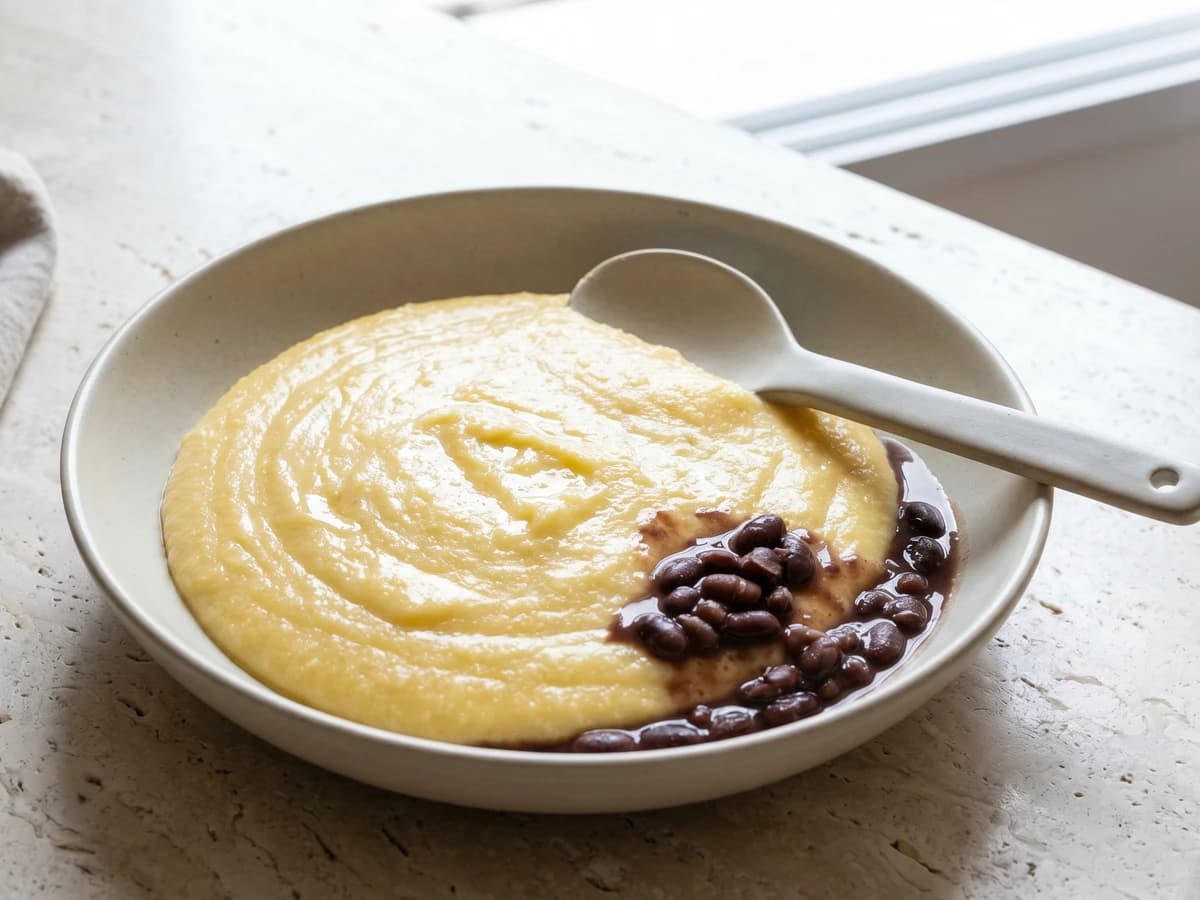
You think cornmeal will turn into lumps and shame. It won't. Cold water first, patient stirring, and a real garlic base give you angu that solves dinner.
Chef Juliana
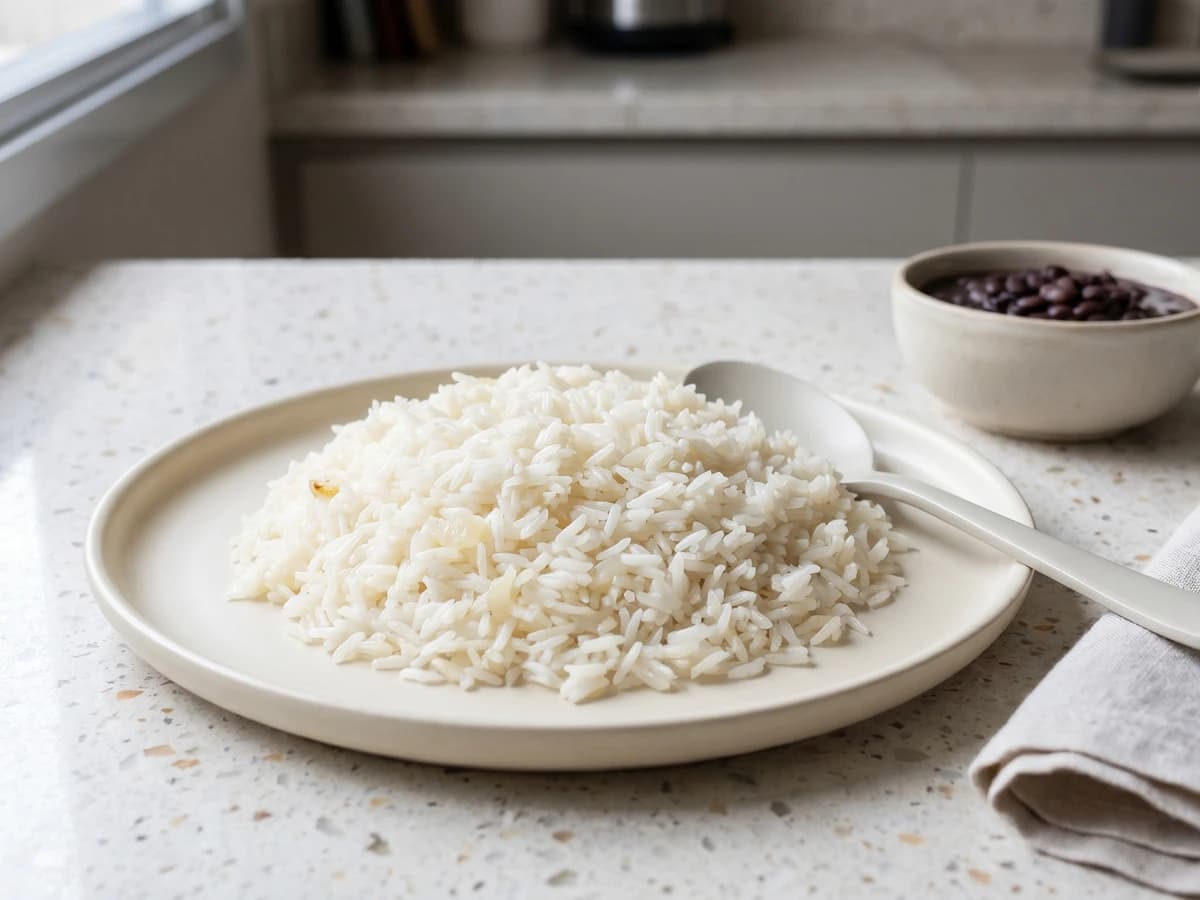
Everyone swears they can't make good rice. They're wrong. Refogue onion and garlic, use two parts water to one rice, then close the lid and leave the poor thing alone.