Culinary Explorer

A cooking platform built around craft, culture, and the stories behind what we eat.
Discover Culinary Explorer
Pacific Cod with Miso Glaze

Pacific Cod with Miso Glaze

Created by

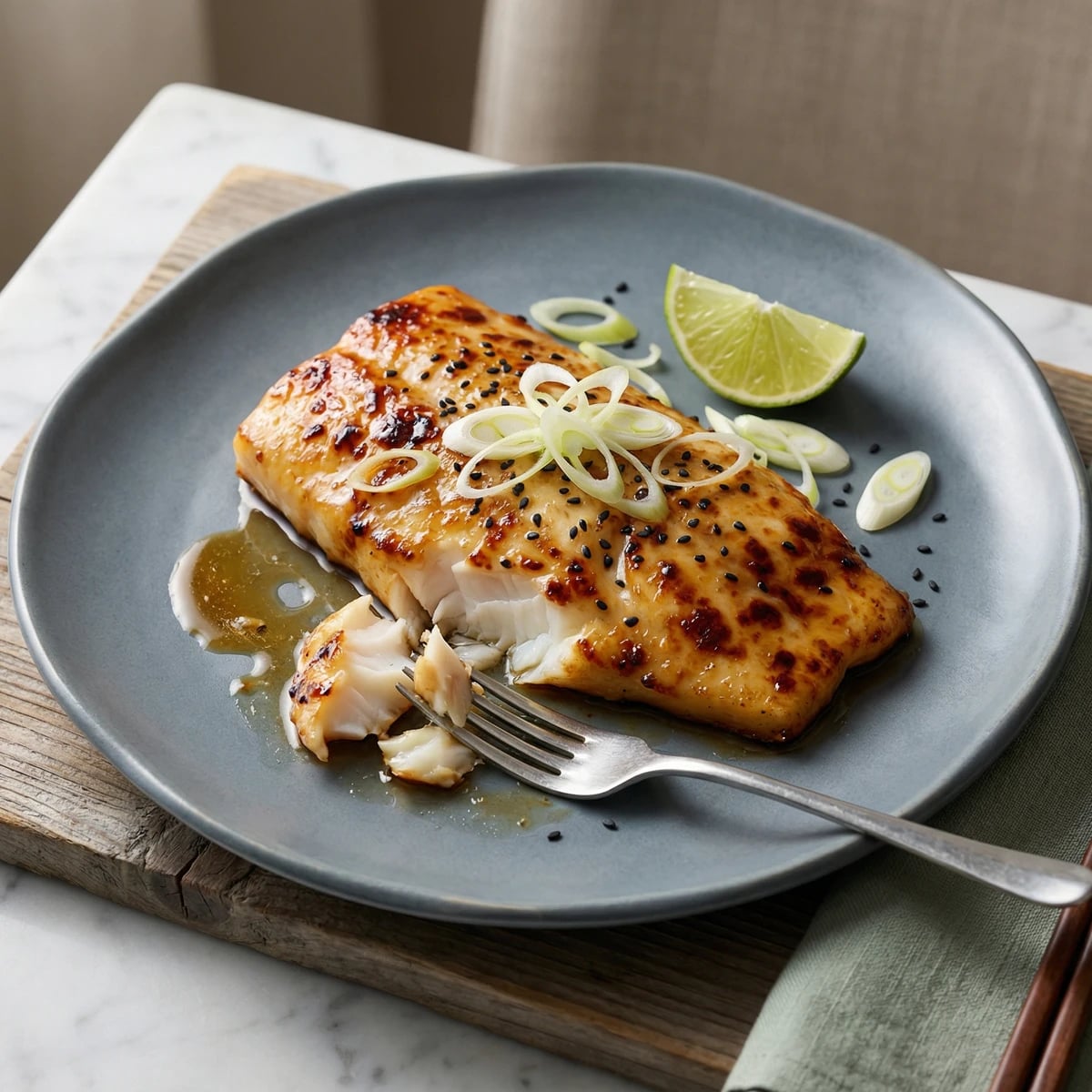
Silken Pacific cod draped in sweet white miso, broiled until the glaze caramelizes into a burnished lacquer that shatters at the touch of a fork. This is where Japanese precision meets Pacific Northwest abundance.

Main Dishes
Japanese
Dinner Party
20 min
Active Time
12 min cook32 min total
Yield4 servings

The waters of the Pacific Northwest have fed civilizations for thousands of years. Native peoples built entire cultures around the salmon runs, the halibut banks, the endless abundance of a cold, clean sea. When Asian immigrants arrived to work the canneries and fishing boats, they brought techniques that transformed how we think about seafood. The miso-glazed fish you see on restaurant menus today descends directly from that cultural exchange.

Nobu Matsuhisa made black cod with miso famous, and deservedly so. But sablefish commands a premium that puts it out of reach for most home cooks. Pacific cod offers the same buttery texture, the same ability to absorb a sweet miso marinade, at a fraction of the cost. More importantly, it's sustainably harvested from Alaskan waters by fishermen who understand that the ocean's gifts require stewardship, not exploitation.

The technique here is simple but unforgiving. You marinate the fish until the miso penetrates the flesh, then broil it close to the flame until the sugars caramelize into that signature lacquered crust. Watch it carefully. The line between perfectly caramelized and burnt is measured in seconds. Your nose will tell you when you're close. Your eyes must tell you when to pull it.

This dish works equally well on a Tuesday night with steamed rice or as the centerpiece of a dinner party. The miso does most of the work while you sleep. All you provide is attention at the finish.

The technique, the tradition, and the story behind every dish.

Discover Culinary Explorer

Ingredients

Pacific cod fillets, skin removed

Quantity

4 (6 oz each)

about 1-inch thick

white miso paste (shiro miso)

Quantity

1/2 cup

mirin

Quantity

3 tablespoons

sake

Quantity

2 tablespoons

granulated sugar

Quantity

2 tablespoons

rice vinegar

Quantity

1 tablespoon

toasted sesame oil

Quantity

2 teaspoons

vegetable oil

Quantity

1 tablespoon

for the pan

scallions

Quantity

2

thinly sliced on the bias

black sesame seeds

Quantity

1 teaspoon

lime

Quantity

1

cut into wedges

Equipment Needed

  • Small saucepan
  • Sheet pan with aluminum foil
  • Thin fish spatula
  • Instant-read thermometer (optional, for checking doneness)

Instructions

  1. 1

    Make the miso marinade

    Combine the white miso, mirin, sake, and sugar in a small saucepan over medium heat. Whisk continuously until the sugar dissolves and the mixture becomes smooth and pourable, about 2 minutes. Remove from heat and stir in the rice vinegar and sesame oil. The marinade should coat a spoon thickly. Let it cool to room temperature before using. Rushing this step with warm marinade will begin cooking the fish before you intend to.

    White miso (shiro) is essential here. Red or mixed miso will overpower the delicate cod and burn more readily under the broiler.
  2. 2

    Marinate the cod

    Pat the cod fillets completely dry with paper towels. Moisture prevents the marinade from adhering properly. Place the fish in a shallow dish or large zip-lock bag. Pour the cooled marinade over the fillets, turning to coat all surfaces thoroughly. The miso should form an even layer about 1/8-inch thick on all sides. Cover and refrigerate for a minimum of 4 hours, though 24 to 48 hours produces the most pronounced flavor. The fish will firm slightly and take on a pale golden hue as the miso works its way into the flesh.

  3. 3

    Prepare for broiling

    Position your oven rack 6 inches from the broiler element. This distance is not negotiable. Too close and the sugars will burn before the fish cooks through. Too far and you'll never achieve that lacquered crust. Line a sheet pan with aluminum foil and brush lightly with vegetable oil. Remove the cod from the marinade and gently shake off the excess. You want a thin, even coating remaining on the fish, not thick globs that will burn. Place the fillets on the prepared pan with at least 2 inches between them for even heat circulation.

    Bring the fish to room temperature for 15 minutes before broiling. Cold fish from the refrigerator will cook unevenly, leaving the center raw while the exterior chars.
  4. 4

    Broil the fish

    Preheat your broiler on high for a full 5 minutes. Open the oven door briefly to release excess heat, then slide in the sheet pan. Broil for 4 to 5 minutes without opening the door. The surface will begin to bubble and take on color. Now watch carefully. You're looking for deep amber spots that spread and connect across the surface, creating that signature mottled, caramelized appearance. This happens quickly, usually between the 5 and 7 minute mark depending on your broiler's intensity. The fish is done when the glaze has caramelized to a burnished mahogany in spots and the flesh flakes easily when pressed gently at its thickest point. Total broiling time runs 6 to 8 minutes for 1-inch fillets.

  5. 5

    Rest and garnish

    Remove the pan from the oven and let the fish rest for 2 minutes. The fillets will be fragile from the heat. Use a thin spatula to transfer them carefully to warmed plates. Scatter the sliced scallions over the top in a casual pile, allowing some to fall onto the plate. Sprinkle with black sesame seeds for contrast and texture. Serve immediately with lime wedges alongside. The acid from a squeeze of lime cuts through the sweet miso and brightens every bite.

Chef Tips

  • Seek out Pacific cod from Alaska, where the fishery is managed sustainably and the cold waters produce firm, sweet flesh. Avoid Atlantic cod, which is overfished in most regions. Your fishmonger should know the source. If they don't, find a better fishmonger.
  • The marinade keeps refrigerated for two weeks. Make a double batch and you'll have weeknight dinners waiting in your refrigerator, ready to broil in under 10 minutes.
  • Serve this over short-grain rice with pickled ginger and a simple cucumber salad dressed in rice vinegar. The Japanese understand that restraint on the plate lets each element shine.
  • For a dinner party, pair with a slightly off-dry Riesling from the Willamette Valley or a junmai sake served slightly chilled. The sweetness in the wine echoes the miso glaze while the acidity refreshes the palate.
  • If your broiler runs hot and you're nervous about burning, you can finish the fish in a 450°F oven for the final 2 minutes. The caramelization will be less dramatic but the results still honest and delicious.

Advance Preparation

  • Miso marinade can be made up to 2 weeks ahead and stored refrigerated in an airtight container.
  • Fish can marinate for up to 48 hours. Longer marination produces deeper flavor penetration but begin checking at 24 hours for optimal texture.
  • Slice scallions and portion sesame seeds up to 4 hours ahead. Keep scallions in ice water to maintain crispness, then drain and pat dry before serving.

Frequently Asked Questions

Nutrition Information

1 serving (about 165g)

Calories
475 calories
Total Fat
18 g
Saturated Fat
3 g
Trans Fat
0 g
Unsaturated Fat
14 g
Cholesterol
95 mg
Sodium
1040 mg
Total Carbohydrates
12 g
Dietary Fiber
1 g
Sugars
8 g
Protein
38 g

Note: Chef personas and recipes are created with AI assistance. Cook with care: follow safe food-handling practices, check doneness with a thermometer when needed, and adapt for allergies and your kitchen.

Where cooking meets culture.

Culinary guides, cultural storytelling, and the editorial depth that makes cooking meaningful.

Discover Culinary Explorer

More from Pacific Northwest Seafood

Browse the full collection