Chef Graziella
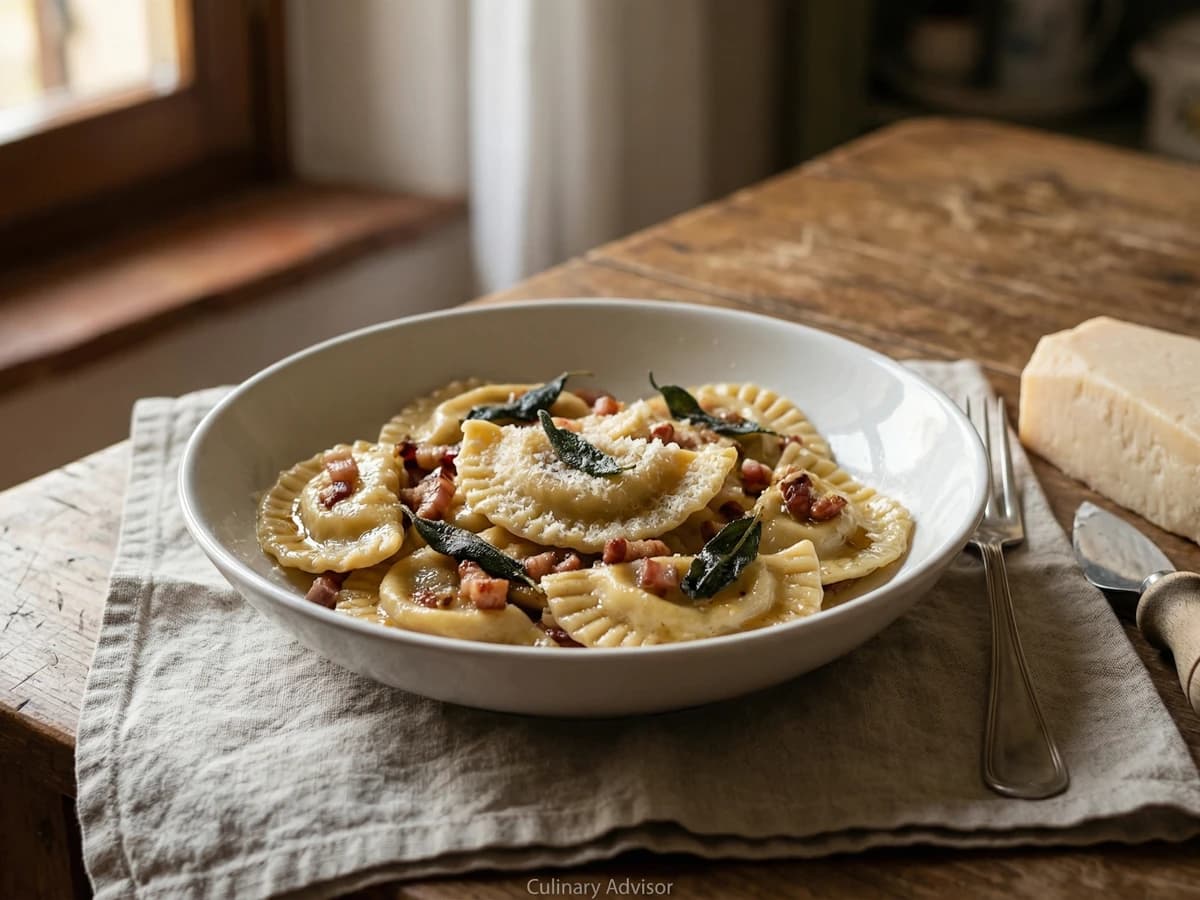
Casoncelli alla Bergamasca
The stuffed pasta of Bergamo's valleys, where crushed amaretti in the meat filling creates a sweet-savory balance that exists nowhere else in Italy. Dressed simply in browned butter and sage.
A cooking platform built around craft, culture, and the stories behind what we eat.
Created by
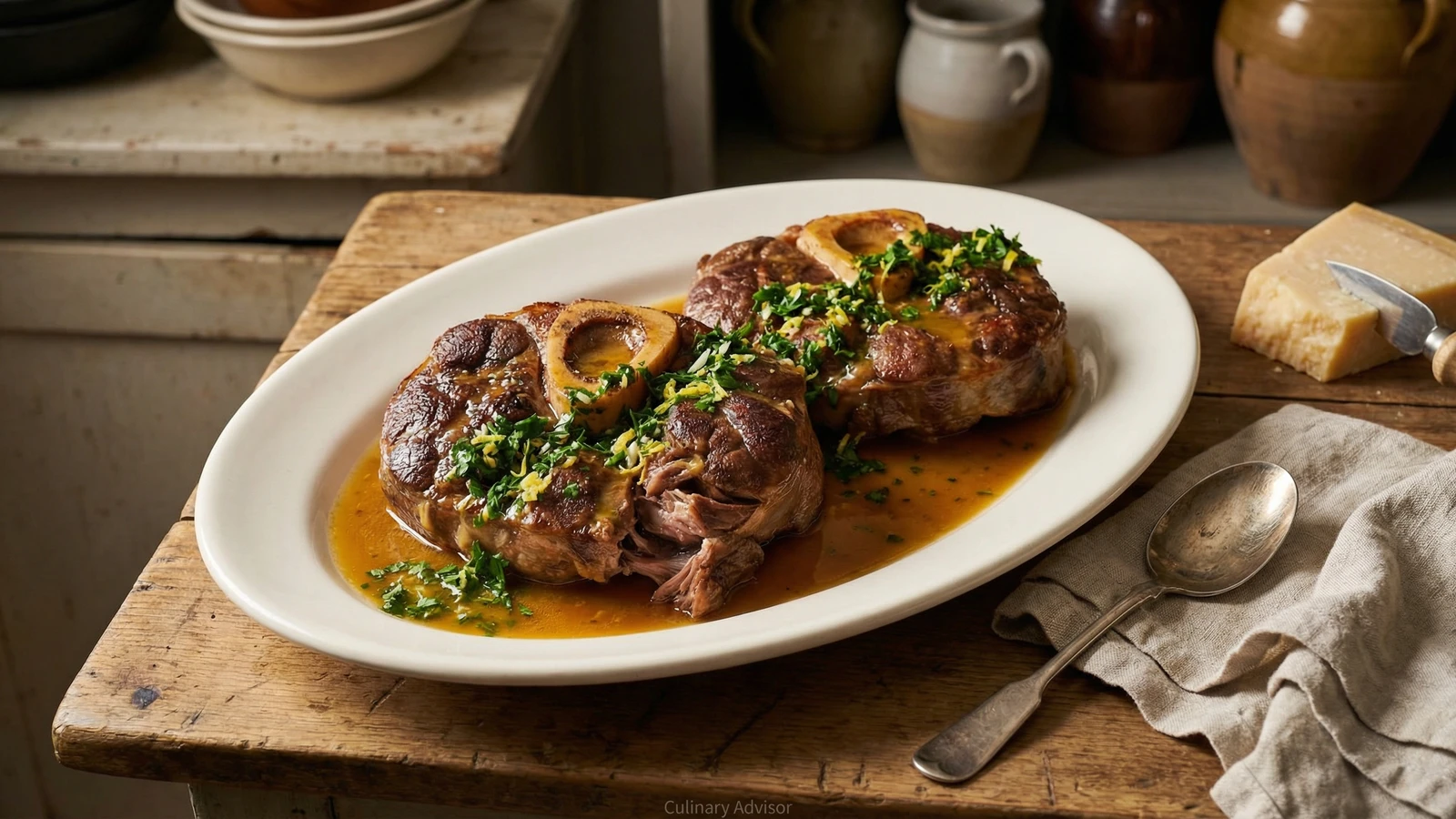
Veal shanks braised until the meat yields at the touch of a fork, the marrow soft and rich within its bone, finished with the bright perfume of gremolata. This is Milan at its most refined.
The treasure of osso buco is not the meat but the marrow. That soft, rich center of the bone is why the Milanese cut their veal shanks crosswise rather than lengthwise. The name itself, meaning 'bone with a hole,' points you toward the point.
This dish belongs to Milan, and specifically to the Lombard tradition of slow-braised meats in bianco, without tomato. Purists will tell you that the tomato is a later addition, a 19th-century modification. They are correct. But the version with tomato has become the standard, and it is excellent, so I teach it. What matters is the technique: the deep browning, the patient soffritto, the gentle braise that transforms tough connective tissue into silk.
The gremolata is not optional. The lemon zest, garlic, and parsley cut through the richness of the braised meat. Add it only at the moment of serving. It loses its brightness within minutes. Serve this with risotto alla Milanese, as tradition demands. The saffron rice and the braised veal are inseparable in Lombardy. Pasta with osso buco is an American invention.
Osso buco appears in Milanese cookbooks by the late 18th century, though the dish likely predates its written records. The addition of tomato came in the 1800s after the fruit gained acceptance in northern Italian cooking. The Accademia Italiana della Cucina recognizes both versions as authentic, though the tomato-enriched recipe has become dominant outside Lombardy.
Quantity
4 (12-14 ounces each)
cut crosswise 1 1/2 to 2 inches thick
Quantity
for dredging
Quantity
4 tablespoons
Quantity
2 tablespoons
Quantity
1 medium
diced fine
Quantity
1 medium
peeled and diced fine
Quantity
1
diced fine
Quantity
1 cup
Quantity
1 cup
chopped, with their juice
Quantity
1 cup, plus more as needed
Quantity
2 sprigs
Quantity
2
Quantity
to taste
Quantity
to taste
freshly ground
Quantity
3 tablespoons
chopped fine
Quantity
1 tablespoon (from 1 lemon)
Quantity
1 small clove
minced very fine
| Ingredient | Quantity |
|---|---|
| veal shankscut crosswise 1 1/2 to 2 inches thick | 4 (12-14 ounces each) |
| all-purpose flour | for dredging |
| unsalted butter | 4 tablespoons |
| extra virgin olive oil | 2 tablespoons |
| yellow oniondiced fine | 1 medium |
| carrotpeeled and diced fine | 1 medium |
| celery stalkdiced fine | 1 |
| dry white wine | 1 cup |
| canned whole peeled tomatoeschopped, with their juice | 1 cup |
| beef or veal broth | 1 cup, plus more as needed |
| fresh thyme | 2 sprigs |
| bay leaves | 2 |
| kosher salt | to taste |
| black pepperfreshly ground | to taste |
| fresh flat-leaf parsleychopped fine | 3 tablespoons |
| lemon zest | 1 tablespoon (from 1 lemon) |
| garlicminced very fine | 1 small clove |
Remove the veal shanks from the refrigerator 30 minutes before cooking. Pat them thoroughly dry with paper towels. Season generously with salt and pepper on both sides. The surface must be dry or the meat will steam instead of brown. Dredge each shank lightly in flour, shaking off the excess. The coating should be barely visible.
In a heavy braising pan or Dutch oven that will hold the shanks in a single layer, heat 2 tablespoons butter with the olive oil over medium-high heat. When the butter foam subsides, add the shanks. Do not crowd them. Brown deeply on both sides, about 4 minutes per side. The crust should be a rich golden brown. Transfer to a plate. You are building the foundation of flavor here.
Reduce heat to medium. Add the remaining 2 tablespoons butter to the pan. When melted, add the onion, carrot, and celery. Cook slowly, stirring occasionally, scraping up any brown bits from the bottom of the pan. These are flavor. The vegetables should become very soft and the onion pale gold, about 15 minutes. Do not let anything burn.
Pour in the white wine and let it bubble vigorously, scraping the bottom of the pan. Cook until the wine has reduced by half, about 3 minutes. Add the chopped tomatoes with their juice, the broth, thyme, and bay leaves. Stir to combine. The liquid should come about two-thirds up the sides of the shanks, not cover them completely.
Return the shanks to the pan, nestling them into the liquid. Bring to a gentle simmer. Cover the pan and transfer to a 325°F oven. Braise until the meat is fork-tender and pulling away from the bone, about 2 hours. Check occasionally and add more broth if the liquid reduces too much. Turn the shanks once halfway through.
While the shanks finish braising, combine the parsley, lemon zest, and minced garlic in a small bowl. Mix thoroughly. The garlic here is a whisper, not a shout. It must be minced so fine that it becomes almost a paste. This brightness cuts through the richness of the braised meat. Make this only at the last moment. It loses its vitality quickly.
Remove the pan from the oven. Transfer the shanks carefully to a warm serving platter. Discard the thyme stems and bay leaves. If the sauce seems thin, simmer it on the stovetop for a few minutes to concentrate. Taste and adjust salt. Spoon the sauce over and around the shanks. Scatter the gremolata over the top at the moment of serving, not before. Serve immediately, placing a small spoon alongside for the marrow.
1 serving (about 480g)
Culinary guides, cultural storytelling, and the editorial depth that makes cooking meaningful.
Discover Culinary ExplorerChef Graziella
The stuffed pasta of Bergamo's valleys, where crushed amaretti in the meat filling creates a sweet-savory balance that exists nowhere else in Italy. Dressed simply in browned butter and sage.

Chef Graziella
The Milanese cutlet made with pork instead of veal: bone-in, pounded thin, breaded simply, fried in clarified butter until the crust shatters at the touch of a fork. This is not schnitzel. This is older.
Chef Graziella
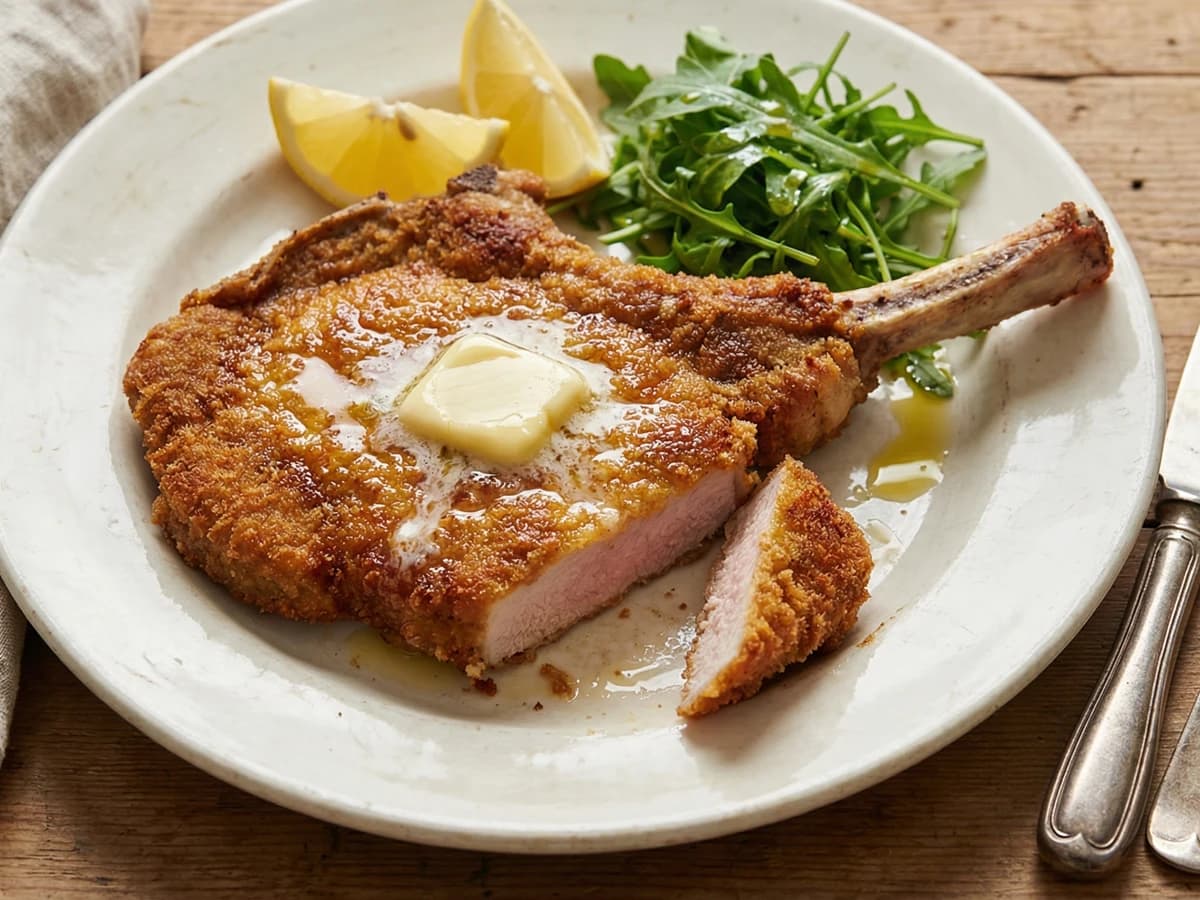
The original bone-in veal cutlet of Milan, pounded thin and fried in clarified butter until the crust shatters and the meat stays juicy. The Viennese borrowed this dish. The Milanese perfected it.
Chef Graziella
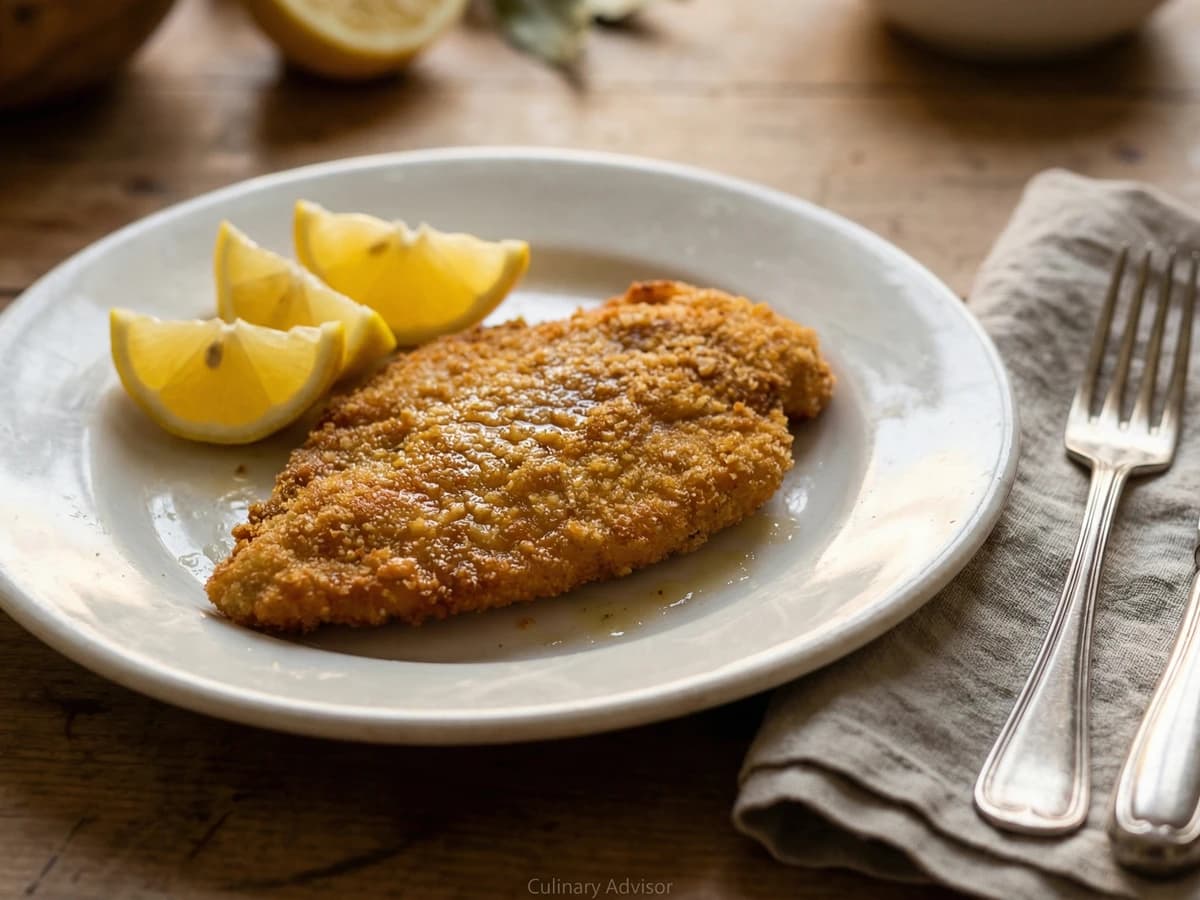
The golden cutlet of Lombardy, where chicken is pounded thin, coated in the finest crumbs, and fried in butter until it shatters at the touch of a fork. Lemon is the only adornment it needs.