
Chef Joost
Aspergesoep (Dutch White Asparagus Soup)
White asparagus is Limburg's spring clock, and this soup uses every pale stem and peeling to make wit goud, white gold, taste like the season it refuses to outlive.
A cooking platform built around craft, culture, and the stories behind what we eat.
Created by
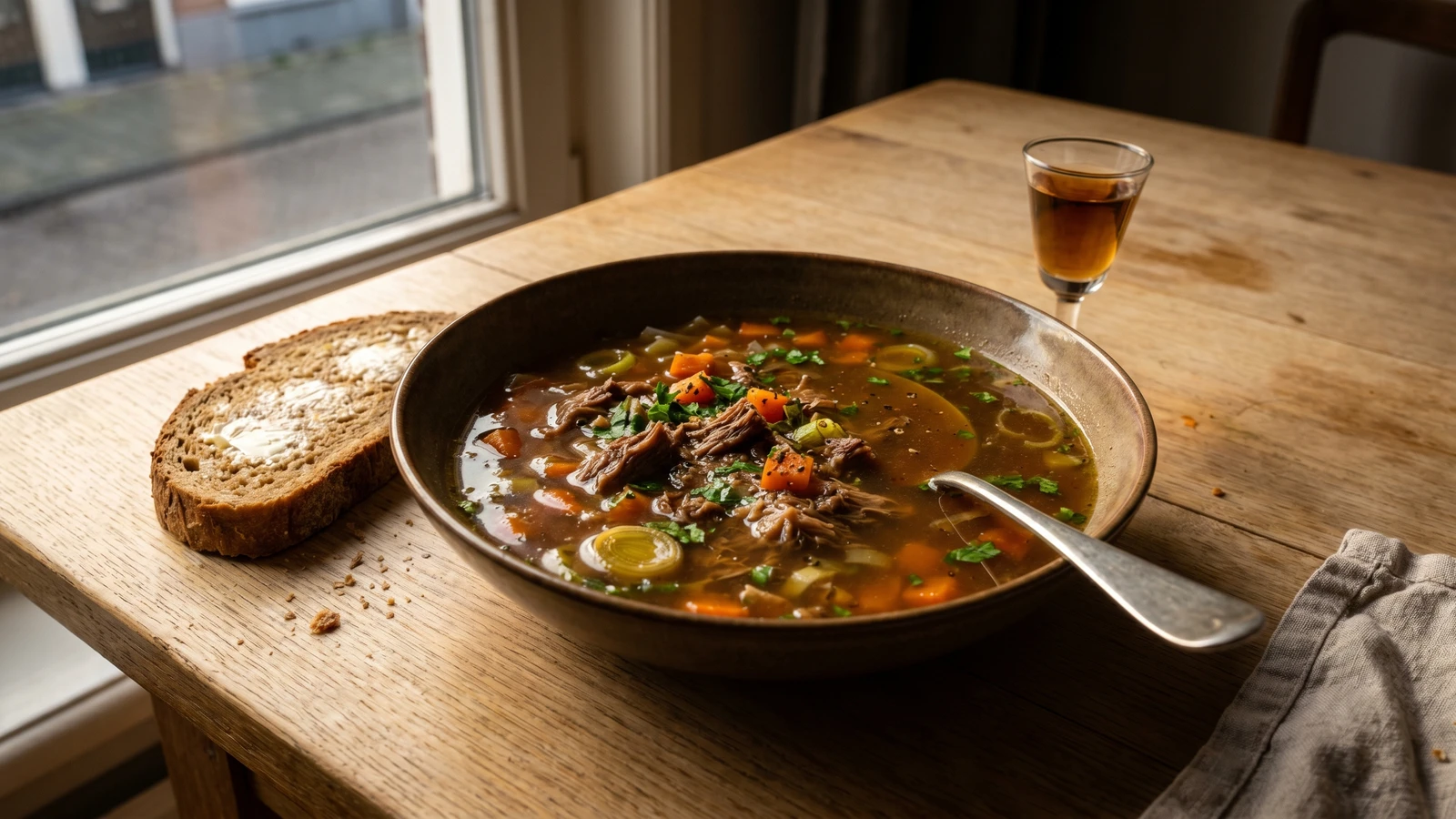
Ossenstaartsoep is the Dutch Sunday table at its most patient: a plain name, a humble tail, and a broth so deep it makes thrift look like ceremony.
In my grandmother's second notebook, the grand recipes are written in the plainest hand. Not because they were unimportant. Quite the opposite. Ossenstaartsoep belonged to the sort of Sunday when the good ladle came out, when the tablecloth was ironed, and when children were warned not to fill themselves on bread before the first bowl arrived. For obvious reasons, we ignored this advice.
The name already tells you what it is: os means ox, staart means tail, and soep needs no embroidery. But let me tell you a secret. The tail is not a lesser cut pretending to be grand. It is the part that gives more than lean meat ever can: bone, cartilage, marrow, and time, all melting into the kind of broth that sits on the spoon with a quiet gloss. Dutch cookery has always understood this bargain. Give the pot the true thing and enough hours, and it will repay you like a relative who finally admits he has been fond of you all along.
There is nothing clever here, and that is the point. Brown the tail well, let the vegetables catch a little colour, add water or light stock, and then stop fussing. Hou het altijd simpel, always keep it simple. The soup wants a long, low simmer and, if you can manage it, a night in the cold so the fat lifts off cleanly. The final bowl should be clear enough to respect the broth and generous enough to remind you that Sunday dinner was never meant to be thin.
Oxtail soup entered Dutch bourgeois cookery through the wider nineteenth-century European fashion for strong brown meat soups, with English oxtail soup especially influential on hotel and restaurant menus. Dutch household cookbooks of the late nineteenth and early twentieth centuries adapted it to the home kitchen as ossenstaartsoep, a make-ahead feast soup built from a cheap cut treated with formal patience. Its place at Sunday and holiday tables shows a familiar Dutch pattern: economy at the butcher transformed into ceremony by time, browning, and a well-kept pot.
Quantity
1.5kg
cut into joints
Quantity
2 tablespoons
Quantity
2 large
roughly chopped
Quantity
2
roughly chopped
Quantity
2
roughly chopped
Quantity
1
washed and sliced
Quantity
2 tablespoons
Quantity
2 liters
Quantity
2
Quantity
6
Quantity
3 sprigs
Quantity
1 small piece
Quantity
1 teaspoon, plus more to taste
Quantity
100ml
Quantity
1 tablespoon
Quantity
1 small
finely diced
Quantity
1 small
finely sliced
Quantity
to taste
Quantity
small handful
| Ingredient | Quantity |
|---|---|
| oxtailcut into joints | 1.5kg |
| neutral oil or beef dripping | 2 tablespoons |
| onionsroughly chopped | 2 large |
| carrotsroughly chopped | 2 |
| celery stalksroughly chopped | 2 |
| leekwashed and sliced | 1 |
| tomato paste | 2 tablespoons |
| cold water or light beef stock | 2 liters |
| bay leaves | 2 |
| black peppercorns | 6 |
| thyme | 3 sprigs |
| mace | 1 small piece |
| salt | 1 teaspoon, plus more to taste |
| dry sherry or Madeira | 100ml |
| Worcestershire sauce (optional) | 1 tablespoon |
| finishing carrotfinely diced | 1 small |
| finishing leekfinely sliced | 1 small |
| freshly ground black pepper | to taste |
| chopped parsley (optional) | small handful |
Pat the oxtail dry and season it lightly with salt. Heat the oil or dripping in a heavy pot and brown the pieces patiently on all sides, working in batches if needed. This is where the soup gets its backbone; pale meat makes pale broth, and no amount of apology later will darken it properly.
Lift the browned oxtail to a plate. Add the onions, carrots, celery, and leek to the pot and cook for about ten minutes, scraping at the browned bits on the bottom as the vegetables soften. Stir in the tomato paste and cook it for two minutes until it darkens from red to brick. That little bitterness is not a mistake; it is the edge that keeps the broth from tasting flat.
Return the oxtail to the pot and pour in the cold water or light stock. Add the bay leaves, peppercorns, thyme, mace, and salt. Bring slowly to a bare simmer, then skim off the grey foam that rises in the first fifteen minutes. Mace is the quiet Dutch hand here, the same spice family that walks through our hachee and meat croquettes; use a little, not a sermon.
Keep the pot at the gentlest simmer for three and a half to four hours, lid partly ajar. You want an occasional bubble, not a rolling boil. The meat is ready when it loosens from the bone with a spoon and the broth has turned deep brown with a glossy surface. Hurry this and you get beef water. Wait, and you get soup.
Lift out the oxtail pieces and strain the broth through a fine sieve into a clean pot or bowl. Discard the spent vegetables and herbs. When the meat is cool enough to handle, pull it from the bones in small pieces, removing any hard cartilage. The tail has done its work twice now, first for the broth and then for the spoon.
If time allows, chill the strained broth overnight. The fat will set on top in a pale cap you can lift away in one piece, which is the easiest kitchen trick in the world and therefore one of the best. If serving the same day, skim carefully with a ladle and forgive yourself.
Bring the broth back to a gentle simmer. Add the finely diced carrot and sliced leek and cook for eight to ten minutes, just until tender. Return the picked oxtail meat to the pot, then stir in the sherry or Madeira and the Worcestershire sauce if using. Taste before adding more salt; a long broth concentrates while you are not looking.
Ladle the soup into warm bowls with a little black pepper and chopped parsley if you like. Serve with brown bread and butter. I prefer to keep it a bit more relaxed, in the Dutch way: the pot nearby, the ladle ready, and no one pretending one bowl will be enough.
1 serving (about 375g)
Culinary guides, cultural storytelling, and the editorial depth that makes cooking meaningful.
Discover Culinary ExplorerChef Joost
White asparagus is Limburg's spring clock, and this soup uses every pale stem and peeling to make wit goud, white gold, taste like the season it refuses to outlive.
Chef Joost
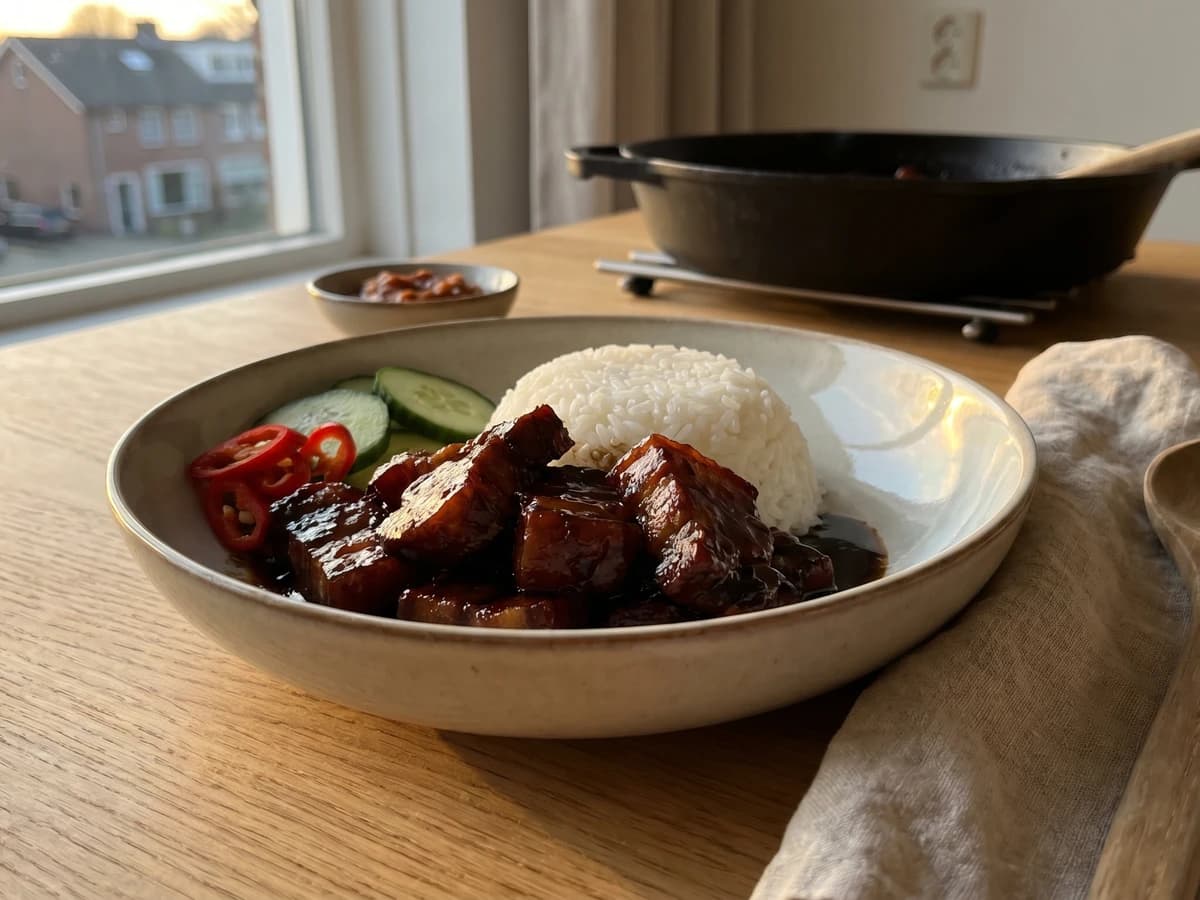
Pork, sweet soy, ginger, and patience: the Indo-Dutch braise that carried the colonial table into Dutch kitchens and made rice feel like Sunday dinner.
Chef Joost
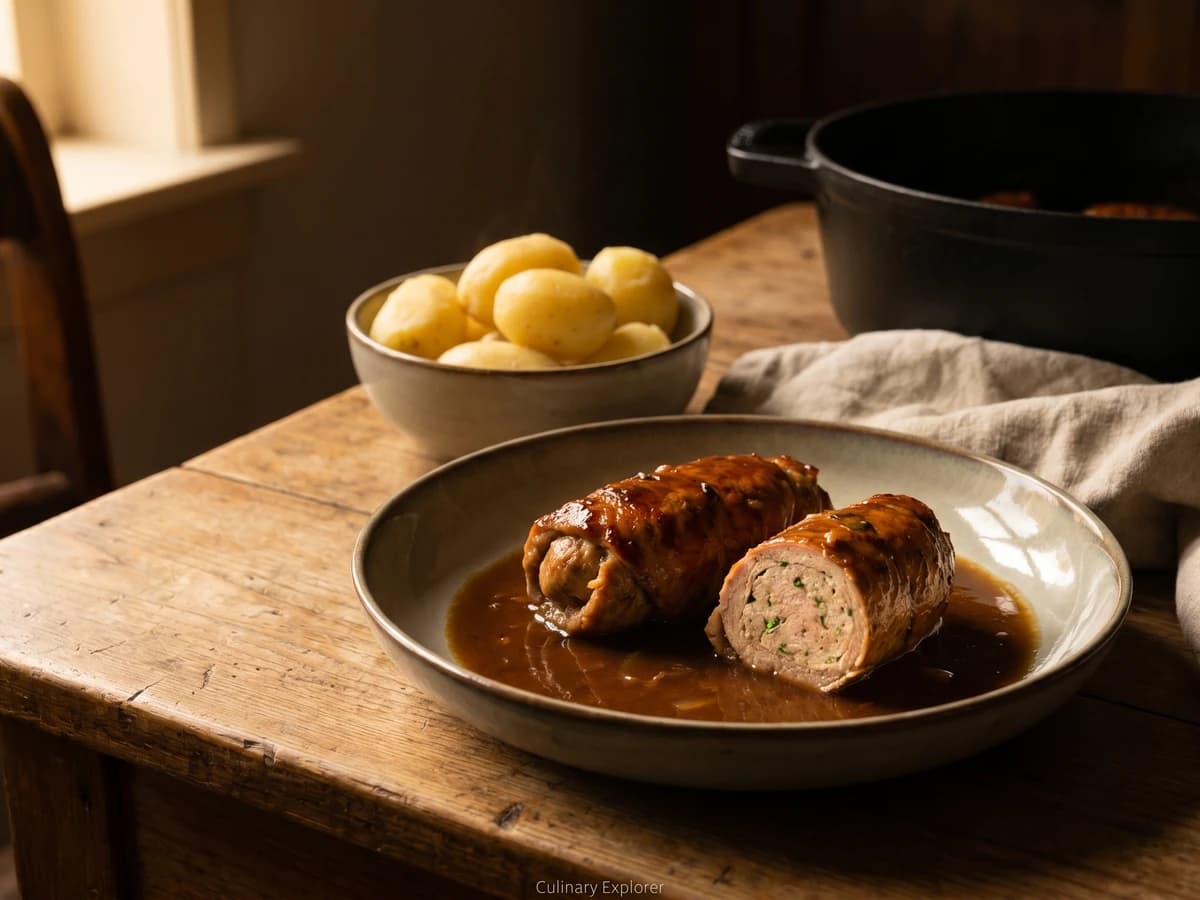
Blinde vinken are not birds but a butcher's little joke: seasoned mince tucked into thin veal or beef, browned dark in butter, then braised until the jus tastes of onion, mace, and patience.

Chef Joost
Bruine bonensoep is the quieter winter cousin of snert: brown beans, rookworst, bacon and roots in a broth that stays spoonable, frugal, and deeply Dutch.