
Chef Takumi
Abura Soba (油そば, brothless ramen)
Abura soba is ramen without the hiding place of soup: hot noodles, strong shōyu tare, fragrant oil, and the discipline to mix while every strand is still hot.
A cooking platform built around craft, culture, and the stories behind what we eat.
Created by
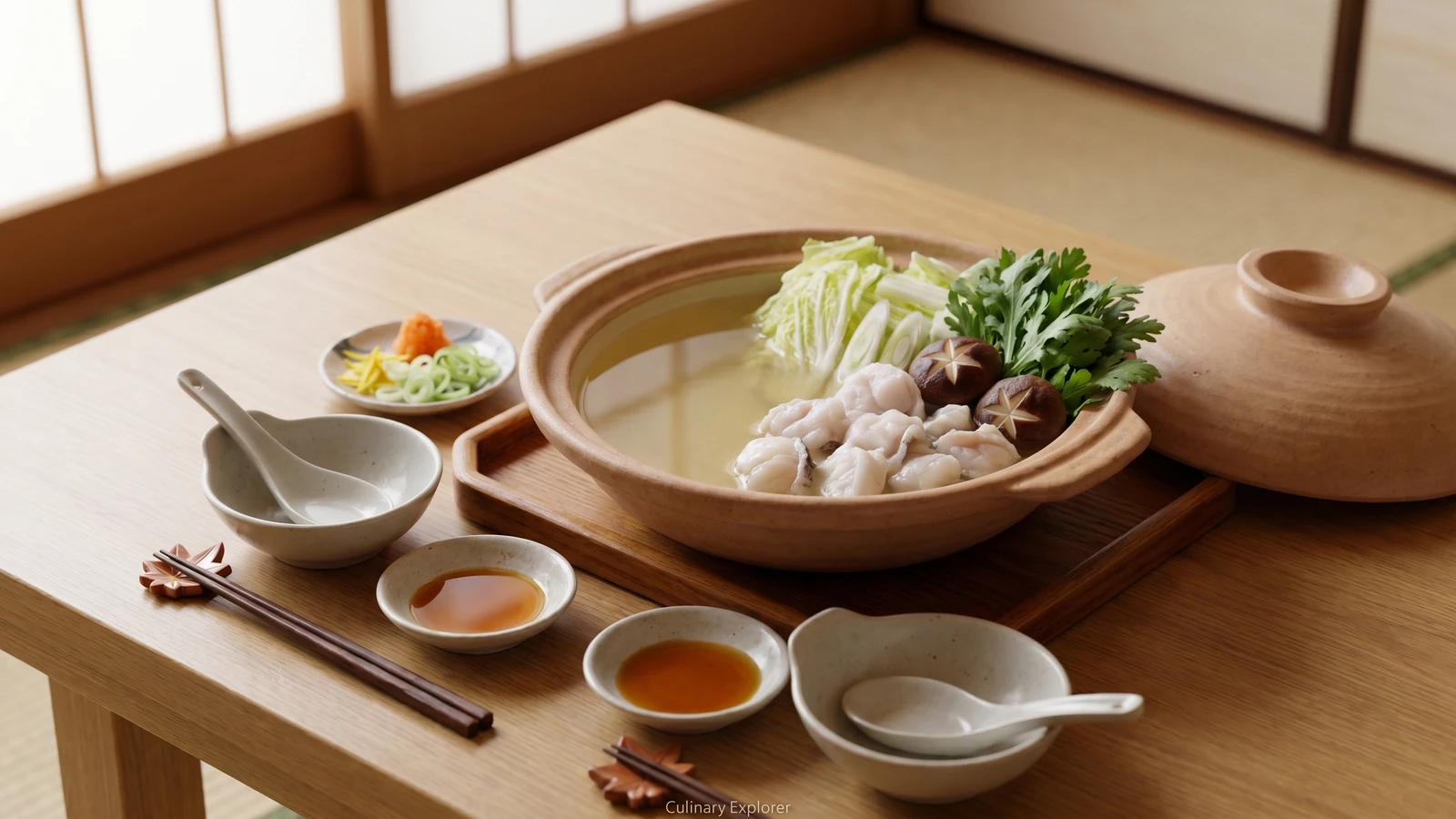
Tecchiri is Osaka at its most direct: licensed pufferfish, quiet konbu broth, ponzu at the table, and the final zōsui that proves the pot was never plain.
Fugu makes people lower their voices, as if the fish were listening. Good. A little seriousness belongs here. But tecchiri is not a dare, and it is not a trick for the fearless. The danger is not solved by bravery at the stove; it is solved by buying prepared pufferfish from a licensed fugu handler, cut for hot pot and kept cold until the donabe is ready.
The cooking after that is almost plain. We set konbu in cold water, warm it gently, and take it out before the boil because boiled kelp gives bitterness and a slick edge to a broth that must stay clean. No bonito is needed here. The fugu bones and skin give body as they simmer, and the ponzu waits in the small bowl so salt and citrus brighten each bite without muddying the pot.
Tecchiri is winter nabemono, shared from the clay pot when the fish is at its prime, shun. Add the firm things first, the tender greens last, and keep the simmer quiet. That is the detail that decides the meal: a loud boil roughens the fish, clouds the broth, and steals from the final zōsui, the rice porridge made after everyone thinks dinner is nearly over. Osaka has a practical sense of drama.
Tecchiri is the Osaka name for fugu-chiri; in Kansai, fugu was nicknamed teppō, "pistol," a grim little joke about the danger of an improperly prepared fish. Fugu eating was restricted or banned in many places through the Edo period, and in 1888 Prime Minister Itō Hirobumi is said to have tasted it at Shunpanrō in Shimonoseki, after which Yamaguchi lifted its ban. The Osaka form keeps the cooking spare: konbu broth, ponzu shōyu, winter vegetables, and zōsui made from the broth after the fish has seasoned it.
Quantity
600-700g
bone-in ara and flesh pieces, cut by a licensed fugu handler
Quantity
8 cups
Quantity
1 piece (about 15g)
Quantity
1/4 cup
Quantity
400g
stems and leaves separated, cut into bite-size pieces
Quantity
2
sliced diagonally
Quantity
8
stems trimmed
Quantity
1 block (about 300g)
drained and cut into 8 pieces
Quantity
100g
trimmed
Quantity
1 small bunch
tough stems removed
Quantity
1 cup
for dipping
Quantity
4 tablespoons
or grated daikon mixed with a little ichimi tōgarashi
Quantity
1/2 cup
thinly sliced, for serving
Quantity
a few thin strips
Quantity
2 cups
rinsed and drained, for zōsui
Quantity
2
lightly beaten, for zōsui
Quantity
to taste
to season the final zōsui
| Ingredient | Quantity |
|---|---|
| legally prepared fugu pieces for hot potbone-in ara and flesh pieces, cut by a licensed fugu handler | 600-700g |
| cold water | 8 cups |
| konbu | 1 piece (about 15g) |
| dry sake | 1/4 cup |
| hakusai (napa cabbage)stems and leaves separated, cut into bite-size pieces | 400g |
| long negi or large scallionssliced diagonally | 2 |
| fresh shiitake mushroomsstems trimmed | 8 |
| firm tofudrained and cut into 8 pieces | 1 block (about 300g) |
| enoki mushrooms (optional)trimmed | 100g |
| shungiku or mizunatough stems removed | 1 small bunch |
| ponzu shōyufor dipping | 1 cup |
| momiji oroshior grated daikon mixed with a little ichimi tōgarashi | 4 tablespoons |
| scallionsthinly sliced, for serving | 1/2 cup |
| yuzu peel (optional) | a few thin strips |
| cooked Japanese short-grain ricerinsed and drained, for zōsui | 2 cups |
| large eggs (optional)lightly beaten, for zōsui | 2 |
| usukuchi shōyu or sea saltto season the final zōsui | to taste |
Buy only fugu that has been cleaned and portioned by a licensed fugu handler. Heat will not make an unsafe pufferfish safe, so this is the one rule with no clever stand-in. Keep the fish refrigerated until the broth is ready, then bring it to the table still cold so the pieces stay firm and clean-edged.
Set a small tori-zara, dipping bowl, and spoon for each person before the pot starts. Pour ponzu shōyu into the dipping bowls and set out momiji oroshi, sliced scallions, and yuzu peel. Nabemono moves at the pace of the pot, not the cook's convenience, so the table should be ready before the first piece of fish goes in.
Wipe the konbu lightly with a damp cloth, but don't wash it. Put it in the cold water in a donabe or wide pot and let it sit for 30 minutes if you have the time. Warm it slowly over medium-low heat, then lift the konbu out just before the water boils, when small bubbles climb the sides. Boil the kelp and the broth turns bitter and a little slick, which is exactly the opposite of the clear base tecchiri wants.
Keep the hakusai stems separate from the leaves, and keep the shungiku or mizuna for the end. The firm stems need time in the broth; tender greens need only a brief dip or they turn limp and bitter. Arrange the vegetables, mushrooms, tofu, and fugu on platters with a little space between them. A crowded platter makes people rush, and this dish rewards patience.
Add the sake to the konbu dashi and bring it to a quiet simmer. Add the bone-in fugu pieces, hakusai stems, shiitake, and negi. Cook gently for 5 to 7 minutes, skimming any foam that rises. The bones give the broth its body, but a hard boil breaks the fish, clouds the broth, and steals from the zōsui you are already making without seeing it.
Add the tofu, enoki if using, hakusai leaves, and the remaining fugu flesh in small rounds. Simmer just until the fish turns opaque and the flesh firms, usually 2 to 4 minutes depending on the cut. Add shungiku or mizuna at the last moment, pressing it briefly into the broth. Greens are there for their fragrance and color, not for a long soak.
Lift the cooked fish, tofu, and vegetables into each tori-zara, then dip each bite in ponzu with a little momiji oroshi and scallion. Keep the pot itself only lightly seasoned. It should taste almost restrained if you sip it straight, because the ponzu finishes each bite and the broth must remain clear enough for the rice at the end.
When the solids are gone, skim the broth and taste it. Season with a few drops of usukuchi shōyu or a pinch of salt only if it needs help. Add the rinsed cooked rice and simmer for 2 to 3 minutes, until the grains loosen and drink the broth. Rinsing the rice first washes away surface starch, so the porridge turns soft and clear rather than gluey. If using egg, drizzle it over the surface, cover for 30 seconds, then turn off the heat and scatter with scallion and yuzu peel.
1 serving (about 725g)
Culinary guides, cultural storytelling, and the editorial depth that makes cooking meaningful.
Discover Culinary ExplorerChef Takumi
Abura soba is ramen without the hiding place of soup: hot noodles, strong shōyu tare, fragrant oil, and the discipline to mix while every strand is still hot.
Chef Takumi
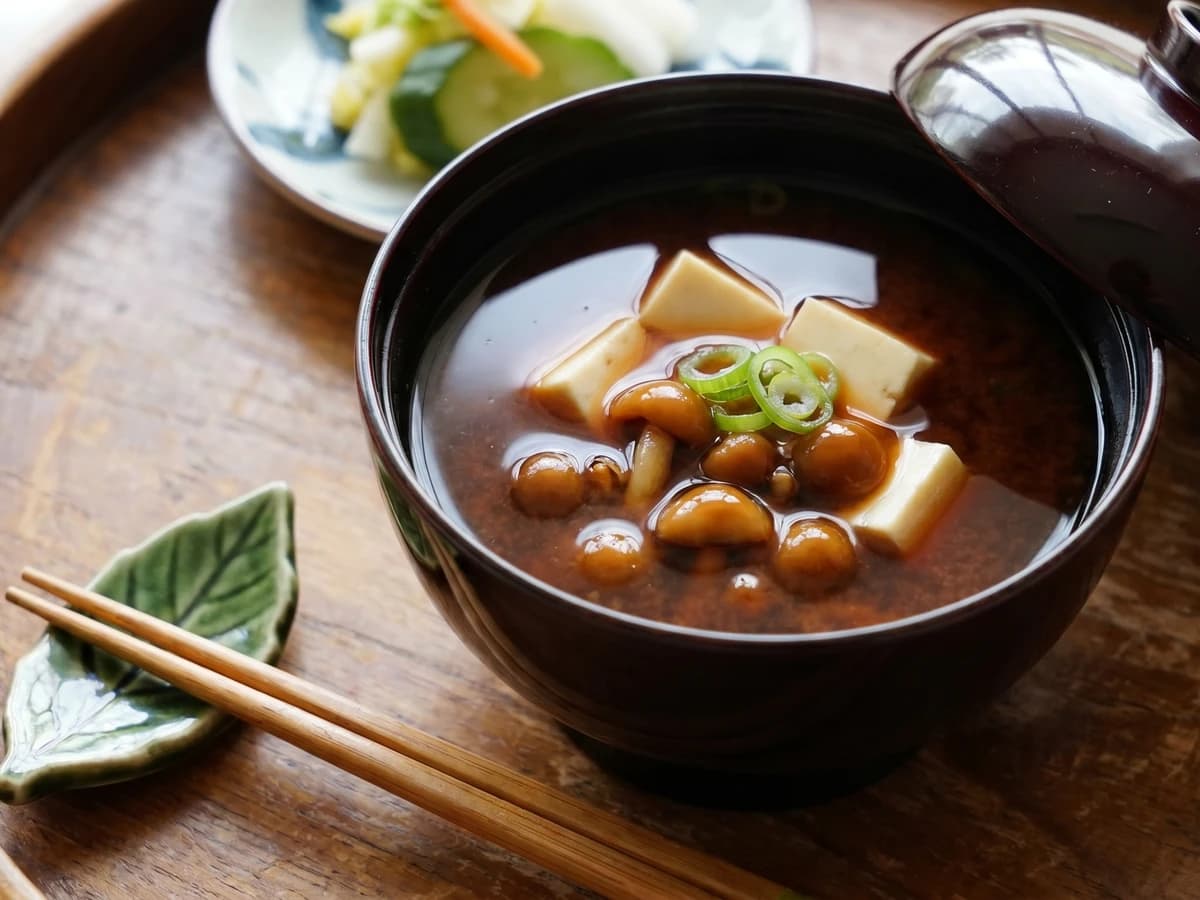
Akadashi asks you to trust the dark miso. Build a clear dashi, loosen the Hatchō mame-miso gently, and the soup turns coffee-dark, savory, and clean.

Chef Takumi
Toast the rice until its skin is firm, then let it meet chicken broth, burdock, maitake, and seri. The pot looks grand, but the work is rice, broth, and patience.
Chef Takumi
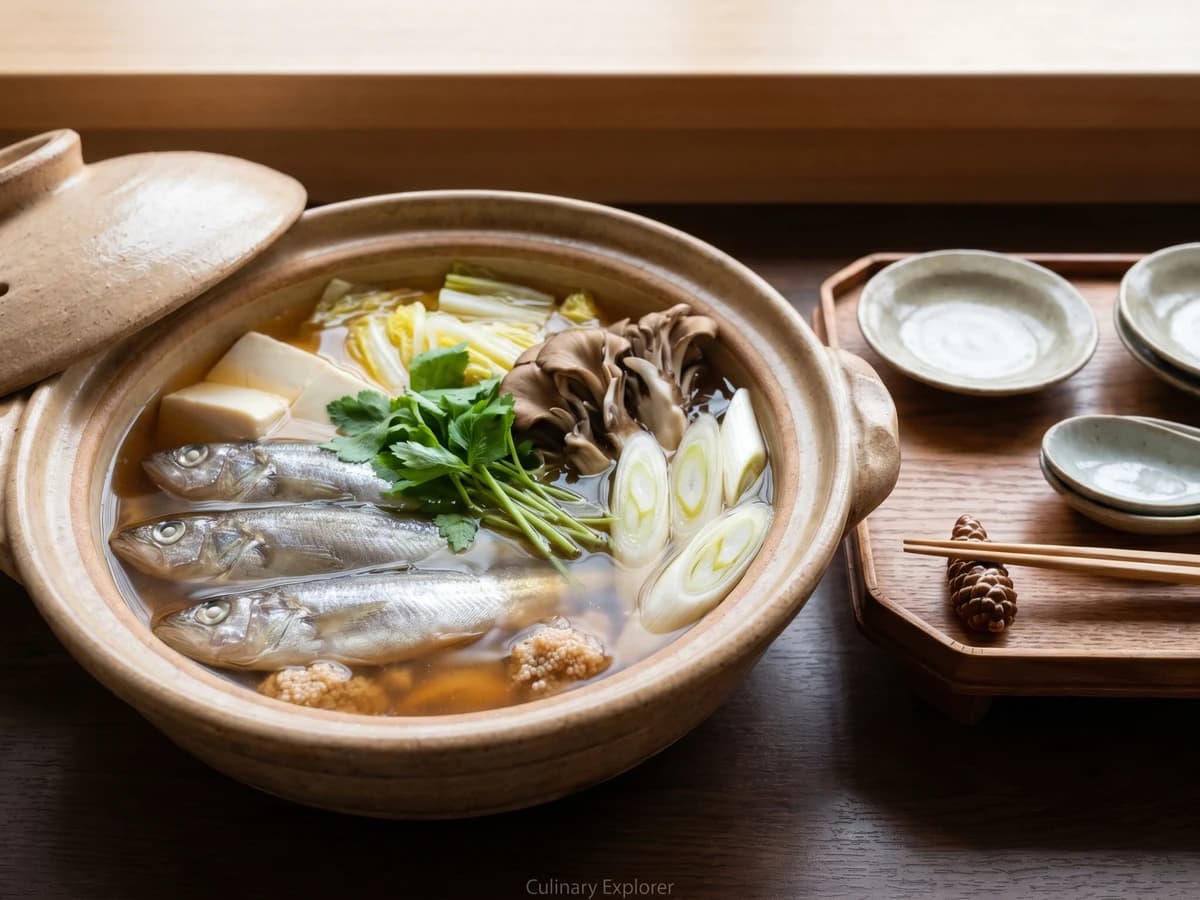
Shottsuru nabe is Akita winter in one pot: clean dashi, hatahata at shun, tofu and napa cabbage carrying a salt-deep broth without anything heavy enough to hide the fish.