Chef Graziella
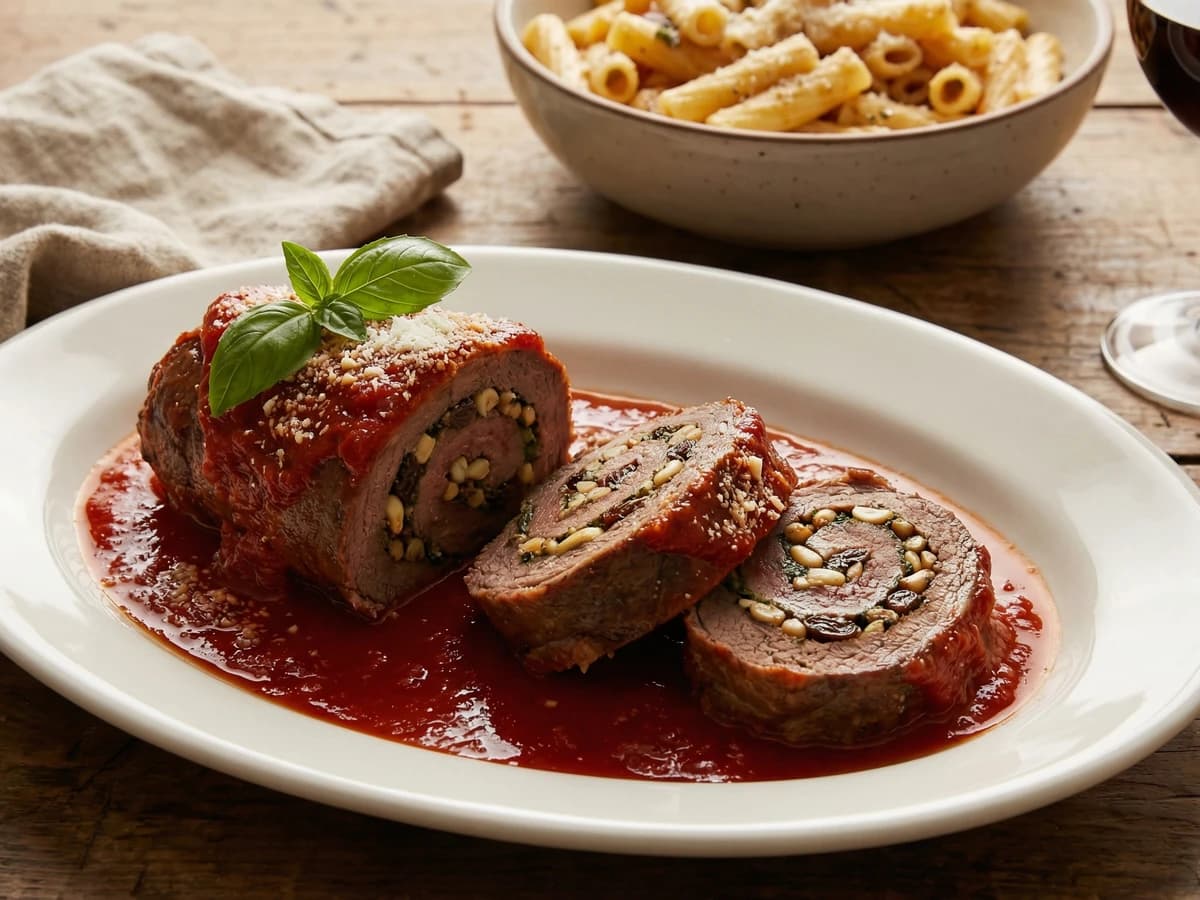
Braciole alla Napoletana
The Sunday ritual of Naples: beef rolls stuffed with pine nuts, raisins, and garlic, braised in tomato sauce until surrendering to tenderness. The sauce goes to the pasta. The meat comes second.
A cooking platform built around craft, culture, and the stories behind what we eat.
Created by
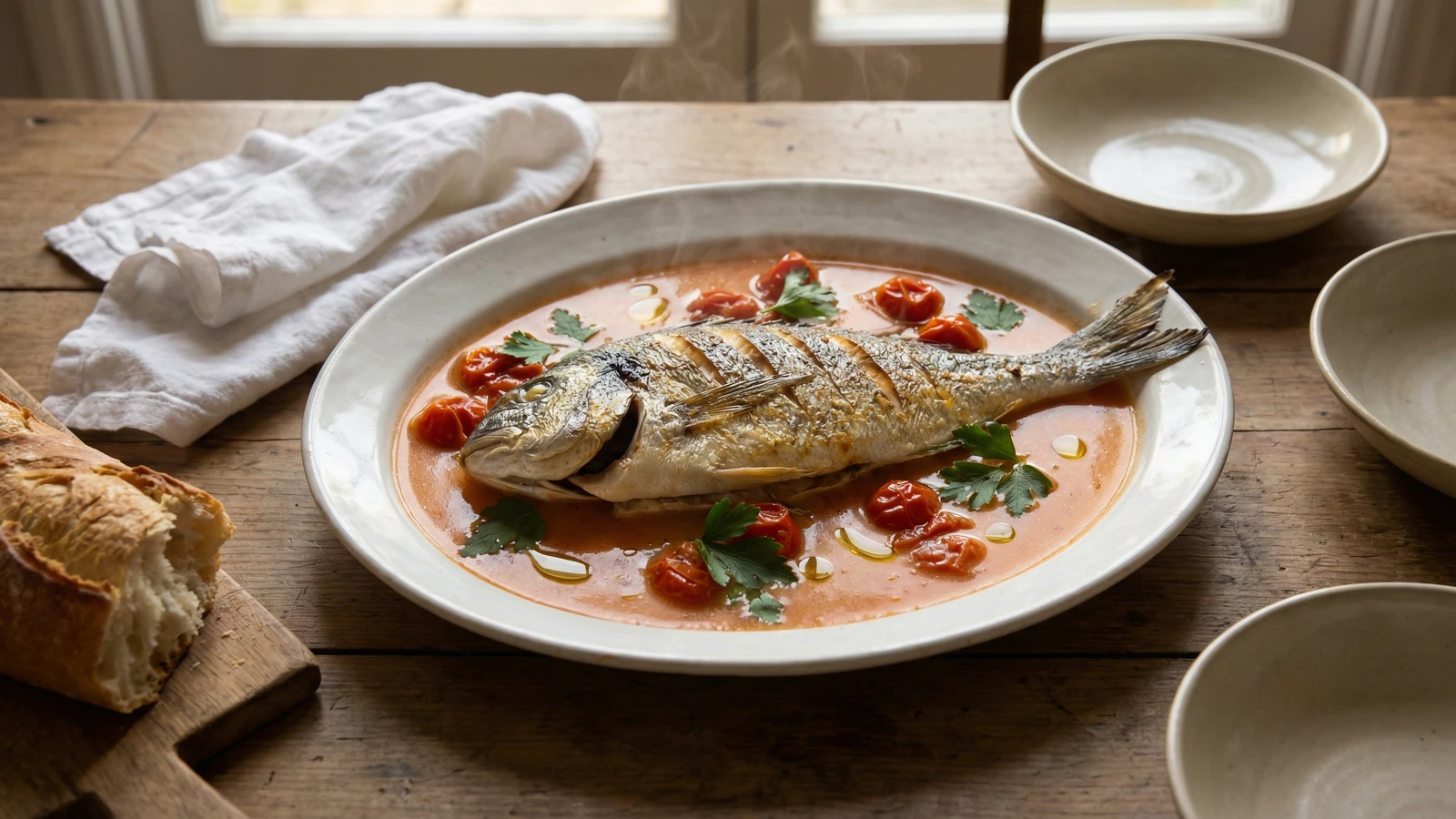
The fisherman's masterpiece from the Gulf of Naples, where whole sea bream surrenders to a broth so simple it seems impossible that it could taste this good. This is what restraint achieves.
Acqua pazza. Crazy water. The name tells you everything about Neapolitan fishermen, who named their cooking liquid after the sea itself, unpredictable and wild. The dish tells you everything about Italian cooking: four ingredients, no technique more complex than simmering, and a result that makes elaborate preparations seem foolish.
The fish must be whole. I will not discuss this further. A fillet poached in acqua pazza is a different dish entirely, and an inferior one. The head and bones release their essence into the broth, the skin protects the flesh, and when you bring it to the table, there is no question what you are eating. This is honest cooking.
The garlic here is restrained. You crush the cloves to release their oils, let them perfume the base, and that is all. The tomatoes burst in the heat and give up their juices. The wine evaporates and leaves only its acidity. What remains is a broth that tastes of the sea and the sun and nothing else. What you keep out is as significant as what you put in.
Neapolitan fishermen created acqua pazza aboard their boats, poaching the day's catch in seawater with whatever they had on hand. The dish predates the tomato's arrival in Italian cooking; early versions used only garlic, oil, and the sea itself. When tomatoes finally joined the preparation in the 18th century, they transformed the broth into the coral-colored liquid we know today.
Quantity
1, about 1 1/2 pounds
scaled and gutted
Quantity
1 pint
halved
Quantity
3
lightly crushed
Quantity
1/2 cup
Quantity
1/2 cup
Quantity
1/4 cup, plus more for finishing
Quantity
small handful
leaves picked
Quantity
to taste
Quantity
pinch
| Ingredient | Quantity |
|---|---|
| whole sea bream (orata)scaled and gutted | 1, about 1 1/2 pounds |
| cherry tomatoeshalved | 1 pint |
| garlic cloveslightly crushed | 3 |
| dry white wine | 1/2 cup |
| water | 1/2 cup |
| extra virgin olive oil | 1/4 cup, plus more for finishing |
| fresh flat-leaf parsleyleaves picked | small handful |
| kosher salt | to taste |
| red pepper flakes (optional) | pinch |
Rinse the fish under cold water and pat it completely dry. With a sharp knife, make three diagonal slashes on each side, cutting down to the bone. Season the fish generously inside and out with salt. Let it sit at room temperature while you prepare the acqua pazza. A cold fish shocks the hot liquid and cooks unevenly.
Choose a pan wide enough to hold the fish comfortably. A sauté pan with a lid works well. Place the olive oil and crushed garlic in the cold pan. Set it over medium heat and let the garlic warm slowly in the oil until fragrant and just beginning to turn golden at the edges, about 2 minutes. The garlic must not brown. If it does, begin again.
Add the halved cherry tomatoes to the pan with a generous pinch of salt. If using the red pepper flakes, add them now. Cook, stirring occasionally, until the tomatoes begin to soften and release their juices, about 3 minutes. Press some of them gently with a wooden spoon to encourage them.
Pour in the white wine. Let it bubble vigorously for one minute, then add the water. Bring the liquid to a simmer. Taste it. It should be bright and savory, like the promise of something good. Adjust the salt if needed. This is the crazy water.
Lower the sea bream into the simmering liquid. The broth should come about halfway up the sides of the fish. If it does not, add a splash more water. Reduce the heat to maintain a gentle simmer. Cover the pan and cook for 8 minutes.
Remove the lid and spoon some of the hot liquid over the exposed top of the fish. Continue cooking uncovered for another 4 to 6 minutes, basting occasionally. The fish is done when the flesh near the bone turns opaque and flakes easily when tested with a fork at the thickest part near the head. Do not overcook it. The flesh continues to cook after you remove it from heat.
Scatter the parsley leaves over the fish. Drizzle generously with your best olive oil. Using two large spoons or spatulas, carefully transfer the fish to a warm serving platter. Spoon the tomatoes and broth around it. Serve immediately at the table, portioning the fish and spooning the acqua pazza over each serving. Crusty bread for soaking up the broth is not optional.
1 serving (about 365g)
Culinary guides, cultural storytelling, and the editorial depth that makes cooking meaningful.
Discover Culinary ExplorerChef Graziella
The Sunday ritual of Naples: beef rolls stuffed with pine nuts, raisins, and garlic, braised in tomato sauce until surrendering to tenderness. The sauce goes to the pasta. The meat comes second.

Chef Graziella
Pork rolls stuffed with pine nuts, raisins, and prosciutto, then braised slowly in tomato sauce until fork-tender. In Naples, the sauce dresses pasta for the first course, and the meat follows as the second.
Chef Graziella
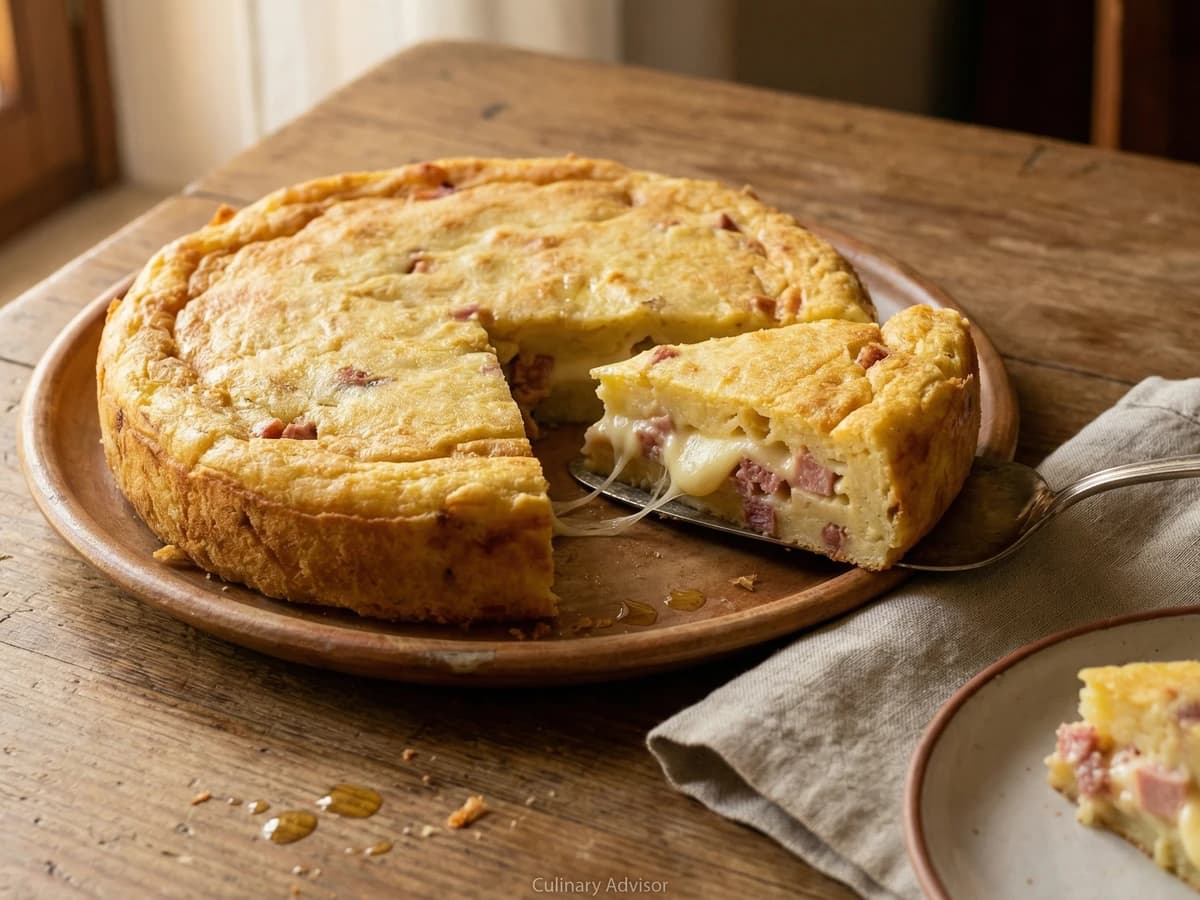
The baroque potato cake of Naples, where silky mashed potatoes enfold a hidden treasure of cheeses and cured meats, then bake until a golden crust gives way to molten richness within.
Chef Graziella
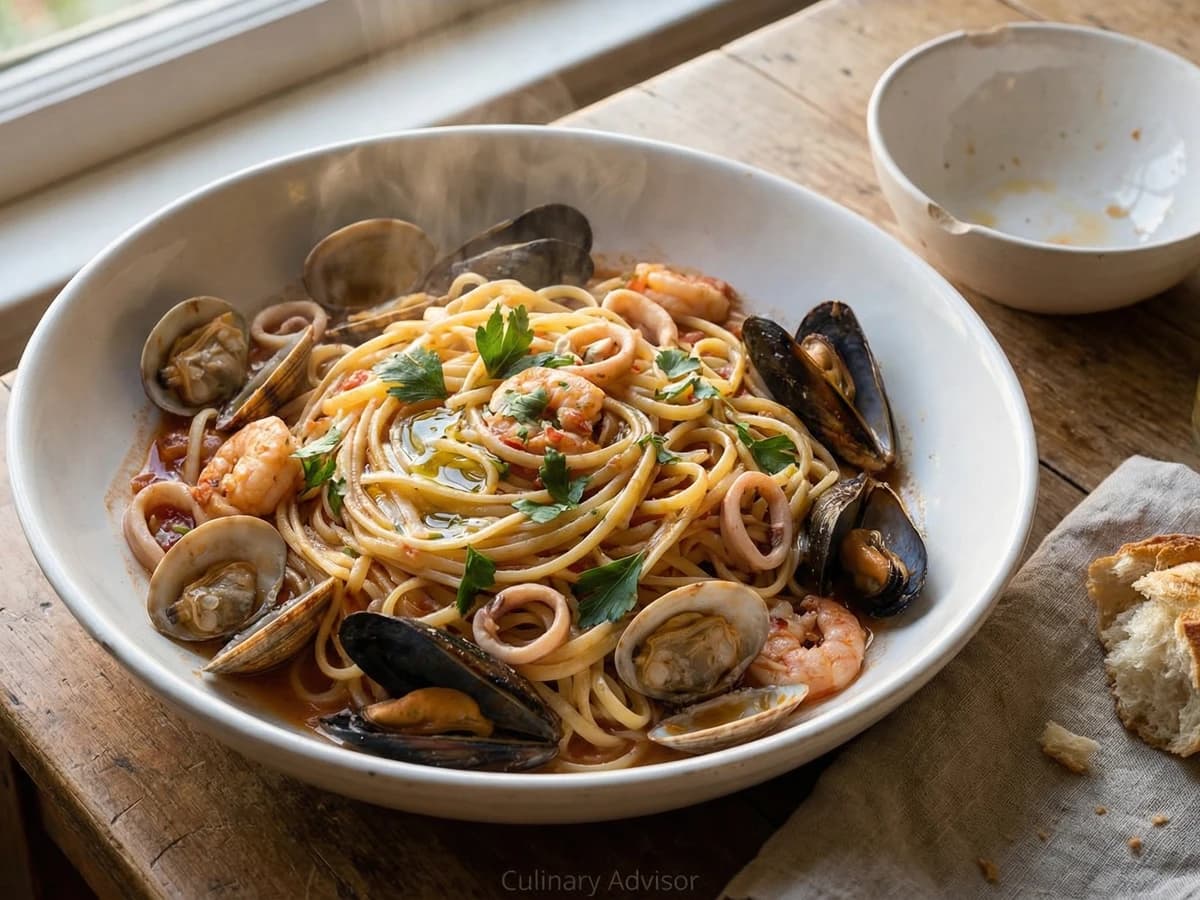
A tumble of clams, mussels, shrimp, and squid over linguine, bright with tomato and white wine. The fishermen's pasta of the Amalfi coast, where the rocks meet the sea.