
Chef Takumi
Aji Fry (アジフライ, panko-fried horse mackerel)
Aji fry is weeknight fish with no mystery: fresh horse mackerel opened cleanly, breaded lightly, and fried until the panko crackles while the flesh stays sweet.
A cooking platform built around craft, culture, and the stories behind what we eat.
Created by
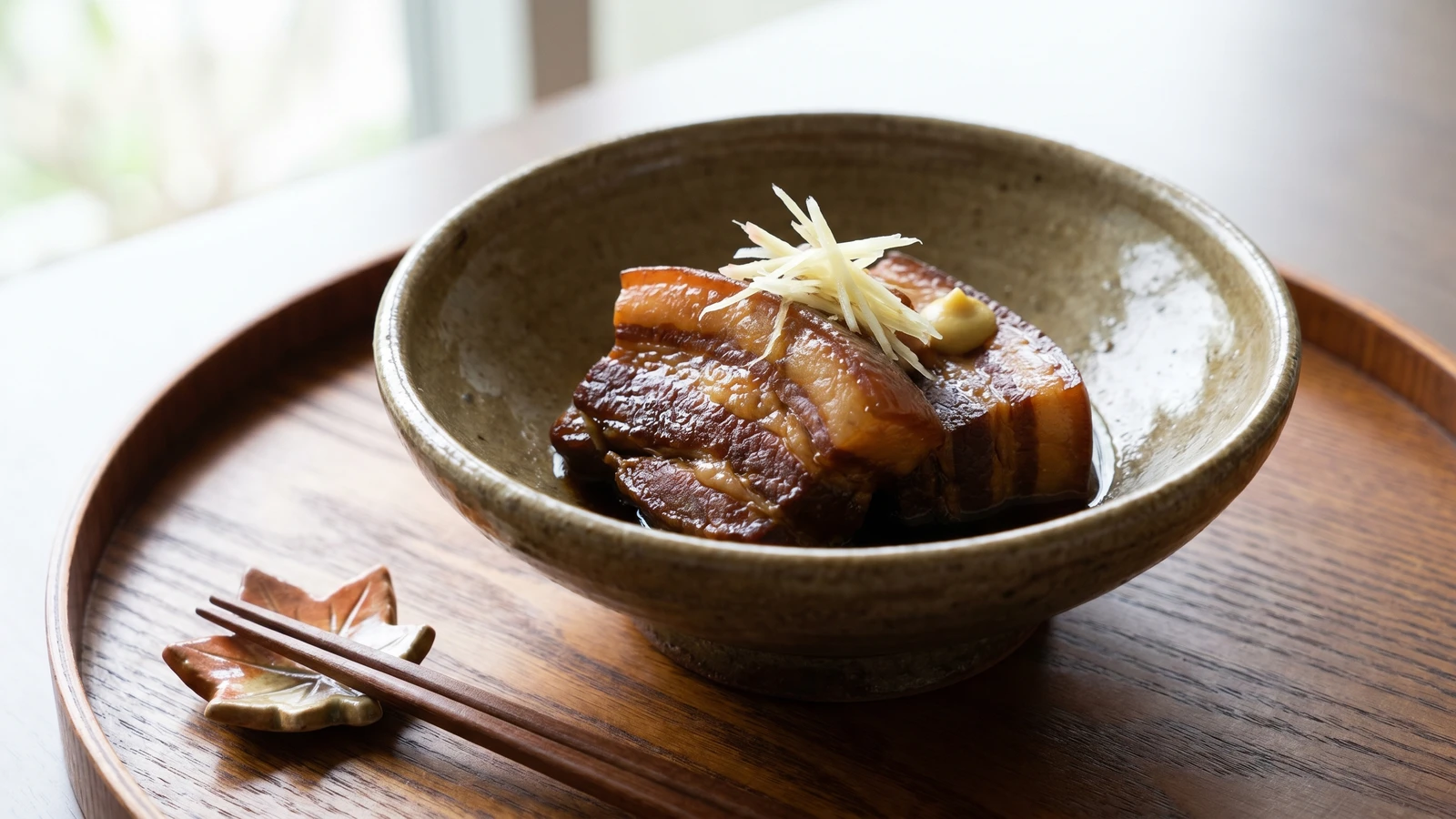
Rafutē looks like a grand dish because pork belly has that talent. The work is patient simmering: clear the pork first, then let awamori, kokutō, and soy settle in slowly.
Skin-on pork belly makes nervous cooks reach for a timetable, as if the meat required an examination. Rafutē is simpler than that. You clean it, simmer it, season it, and give it time. The real work is patience, not cleverness.
The one detail that decides it is the order. First the pork is blanched and gently pre-simmered, so the skin and connective tissue soften before the shōyu enters. Add the salty seasoning too early and the surface tightens before the inside has yielded. This is why we cook the meat plain first, then let awamori, kokutō, dashi, and soy settle into it slowly.
Honmono rafutē is not about hiding fat. It is about making fat behave. The skin should turn amber and tender, the meat should pull apart with chopsticks, and the sauce should shine lightly rather than sit heavy on the tongue. Serve it with rice, a little sharp ginger, and room on the plate. A rich dish needs ma, empty space, as much as a quiet one does.
Rafutē belongs to the pork cookery of the former Ryūkyū Kingdom, whose court table was shaped by tribute exchange with China from 1372 and by local awamori and sugar production. It is often compared with Chinese Dongpo pork and with Nagasaki's kakuni, but the Okinawan identity is clear in the use of awamori, kokutō, and skin-on pork. After the Meiji government abolished the Ryūkyū Kingdom and established Okinawa Prefecture in 1879, dishes like rafutē remained markers of Ryūkyū foodways inside the larger Japanese table.
Quantity
1 piece (about 10g)
Quantity
20g
Quantity
3 cups
Quantity
1.2kg
preferably in one even slab
Quantity
as needed
for blanching and pre-simmering
Quantity
8 thin slices
divided between pre-simmering and braising
Quantity
1 cup
Quantity
1/2 cup
grated
Quantity
1/2 cup
divided
Quantity
1 small knob
cut into fine threads
Quantity
1 teaspoon
| Ingredient | Quantity |
|---|---|
| konbu (dried kelp) | 1 piece (about 10g) |
| katsuobushi (bonito flakes) | 20g |
| cold water | 3 cups |
| skin-on pork bellypreferably in one even slab | 1.2kg |
| waterfor blanching and pre-simmering | as needed |
| fresh gingerdivided between pre-simmering and braising | 8 thin slices |
| awamori | 1 cup |
| kokutō (Okinawan black sugar)grated | 1/2 cup |
| shōyu (Japanese soy sauce)divided | 1/2 cup |
| fresh ginger (optional)cut into fine threads | 1 small knob |
| karashi (Japanese mustard) (optional) | 1 teaspoon |
Wipe the konbu with a damp cloth, but don't wash it. Put it in the 3 cups cold water and bring it up slowly over low heat, about ten minutes. Pull the konbu when the water trembles and small bubbles climb the sides. Bring the water to a gentle boil, add the katsuobushi all at once, take the pot off the heat, and leave it alone for two minutes. Strain through cloth and let it drip without pressing. Measure 2 cups for the braise.
Set the pork belly in a heavy pot and cover it with cold water. Bring it to a steady simmer and cook for 10 minutes, then drain, rinse the pork under warm water, and wash the pot. This first water carries off blood, scum, and loose fat. Leave them there and the finished sauce turns muddy before it ever has a chance to shine.
Return the pork to the clean pot, cover with fresh water, and add 4 slices of ginger. Keep it at a quiet simmer for 1 hour 15 minutes to 1 hour 30 minutes, until a skewer enters the skin with gentle resistance. Don't hurry it with a hard boil. The skin and connective tissue need time to soften, while the lean streaks need protection from rough heat. Lift the pork out and reserve 1 cup of the cooking liquid.
Let the pork cool until you can handle it, then cut it into 6 to 8 large pieces, about 2 inches across. Keep the pieces generous. Small cubes give up too much fat and look tired by the time the sauce is right. Use a sharp knife and cut cleanly through the skin so each piece keeps its face.
In a wide heavy pot, combine the 2 cups dashi, 1 cup reserved pork cooking liquid, awamori, kokutō, and the remaining 4 slices of ginger. Bring to a simmer and stir until the sugar dissolves. Add the pork pieces skin-side up, then rest a wooden drop-lid, otoshibuta, directly on the surface. Simmer quietly for 30 minutes.
Add 1/4 cup of the shōyu and simmer for 25 minutes. Add the remaining 1/4 cup and continue simmering for 45 to 60 minutes, basting now and then, until chopsticks slip through the skin and meat with little resistance. Keep the liquid barely moving. A hard boil breaks fat into the sauce and makes it greasy instead of glossy.
Take the pot off the heat and leave the pork in its braising liquid for at least 1 hour, or cool and refrigerate it overnight. This is not idle waiting. As the meat relaxes, the seasoning settles inward, and if you chill it, the extra fat firms on top and lifts away cleanly.
Skim off any excess fat, then warm the pork gently in the braising liquid. Lift the pieces to a serving dish and reduce the liquid for 5 to 10 minutes, just until it lightly coats a spoon. Spoon the glossy sauce over the pork. Finish with fine ginger threads and a small dab of karashi if you like. Serve with plain rice.
1 serving (about 190g)
Culinary guides, cultural storytelling, and the editorial depth that makes cooking meaningful.
Discover Culinary ExplorerChef Takumi
Aji fry is weeknight fish with no mystery: fresh horse mackerel opened cleanly, breaded lightly, and fried until the panko crackles while the flesh stays sweet.
Chef Takumi
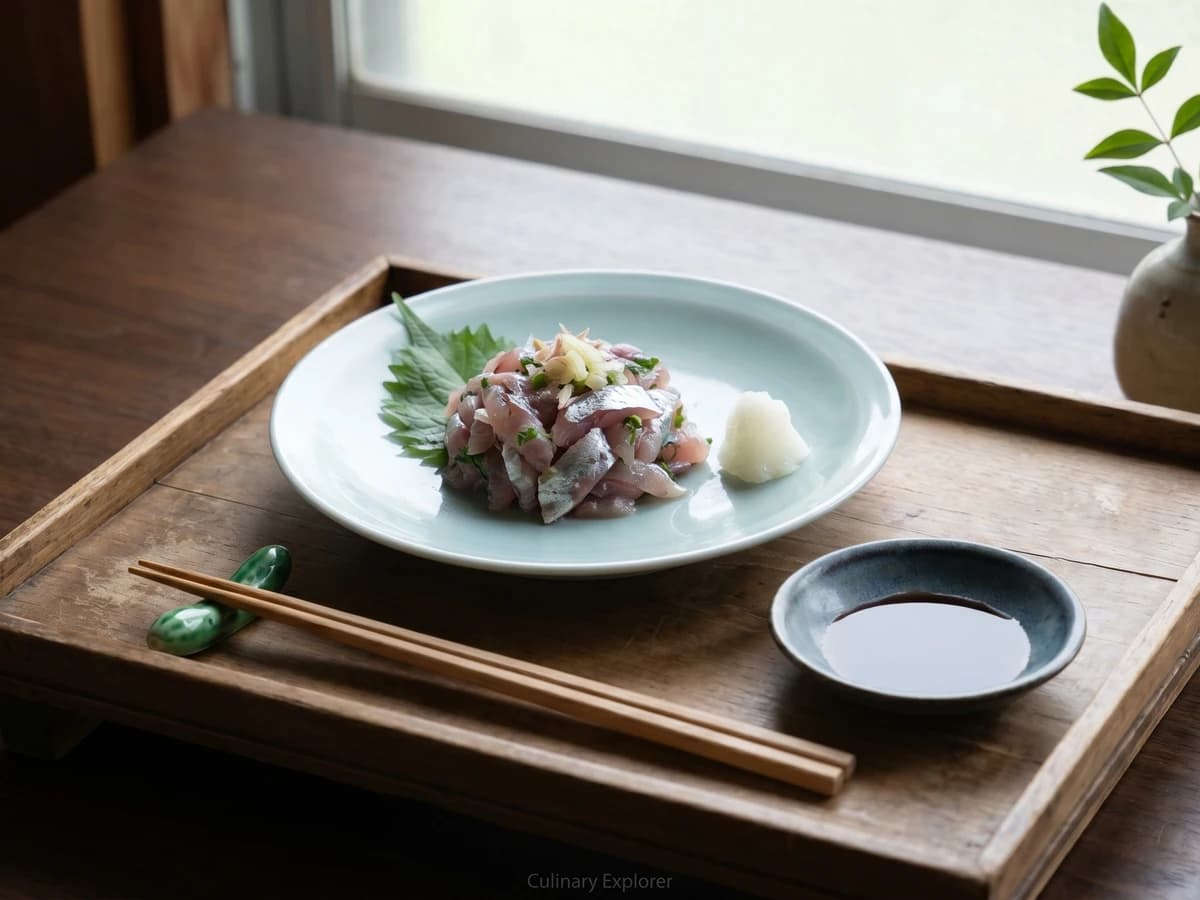
Summer horse mackerel, chopped just enough to catch ginger and scallion, becomes a cool, clean main dish with rice. The secret is fresh fish and a knife that does not bruise it.
Chef Takumi
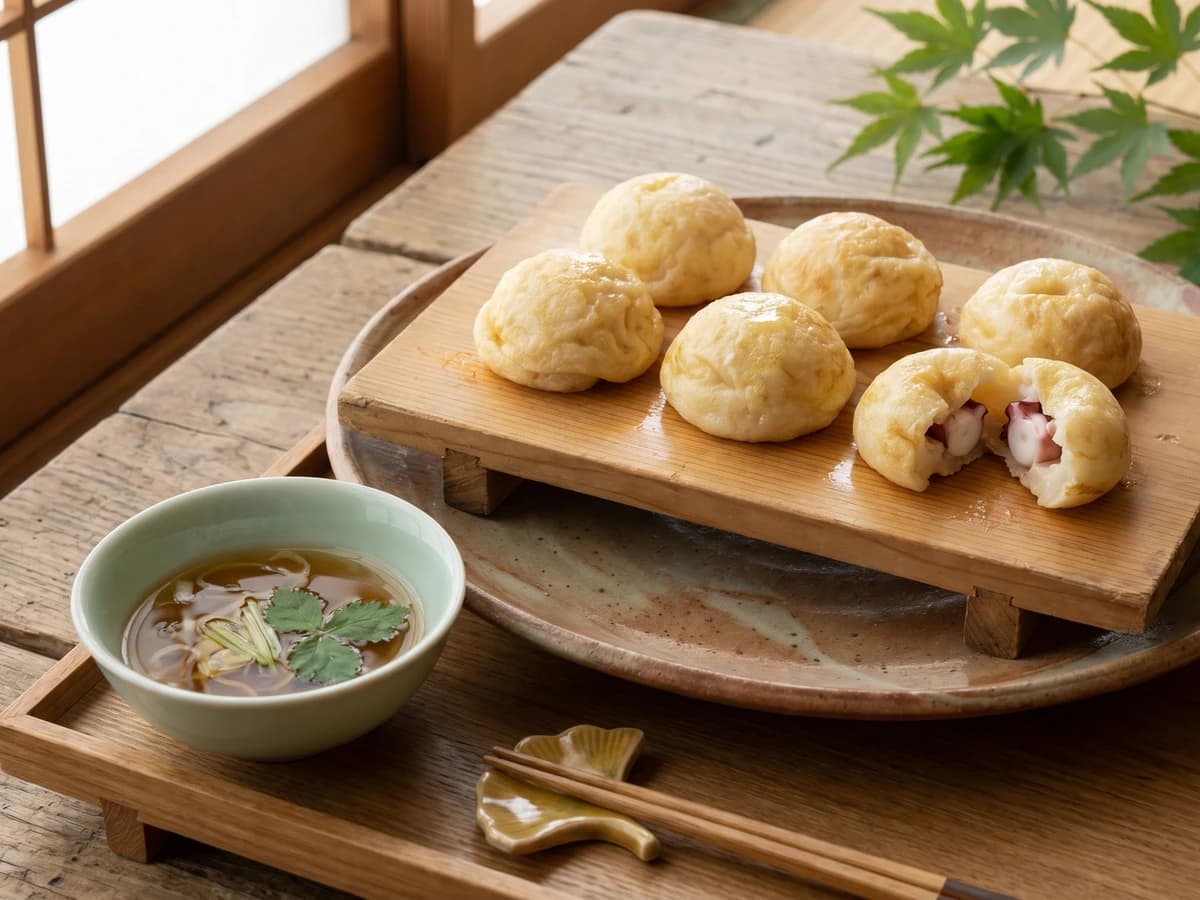
Akashi-yaki is not sauced takoyaki. It is egg-rich batter, tender octopus, and clear dashi, cooked pale and soft so each ball can be dipped like a small custard dumpling.

Chef Takumi
A whole anago looks like a test of nerve. It is mostly good sourcing, a dry skin, cold batter, and oil hot enough to leave the eel sweet under its lace.