
Chef Takumi
Abura Soba (油そば, brothless ramen)
Abura soba is ramen without the hiding place of soup: hot noodles, strong shōyu tare, fragrant oil, and the discipline to mix while every strand is still hot.
A cooking platform built around craft, culture, and the stories behind what we eat.

Created by
Oden daikon asks for patience, not difficulty. Par-cook the radish to quiet its bitterness, then let clear dashi carry it slowly to the center.
Daikon looks plain until winter proves otherwise. When it is at its shun, heavy in the hand and sweet under the knife, one thick round can become the quiet center of the oden pot. This is not a difficult dish. It is a slow one, which is different, and much kinder to the cook.
The detail that decides it is the first cooking. We simmer the daikon in rice-washing water, kome no togijiru, before it ever meets the dashi. That cloudy water softens the sharp radish edge and helps the flesh cook cleanly, so the finished round tastes sweet and deep instead of bitter at the core. No rice-washing water today? A spoonful of raw rice in plain water does the same honest work.
After that, leave the daikon alone in a clear broth of dashi, soy, mirin, and a little salt. A wooden drop-lid, otoshibuta, keeps the pieces just under the surface so they drink evenly without being stirred and bruised. You are waiting for translucence: the daikon should look faintly glassy all the way through, with no chalky white heart. In oden, this is often the piece people reach for first. It has no costume, no heavy sauce, nothing hidden.
Oden grew from dengaku, skewered foods dressed with miso, and by the Edo period it had become a simmered dish sold in urban stalls. In Tokyo, the broth tended toward a darker soy-seasoned style, while Kansai oden, often called kantō-ni in older usage, kept the stock lighter and clearer. Daikon became one of the defining ingredients because winter radish absorbs broth deeply while holding its shape, making it a natural partner for the long, quiet simmer.
Quantity
1 large (about 900g to 1kg)
peeled and cut into thick rounds
Quantity
enough to cover
or 8 cups water plus 1 tablespoon uncooked rice
Quantity
1 piece (about 10g)
Quantity
6 cups
Quantity
25g
Quantity
3 tablespoons
Quantity
2 tablespoons
Quantity
1 tablespoon
Quantity
1 teaspoon
plus more to taste
Quantity
for serving
| Ingredient | Quantity |
|---|---|
| daikonpeeled and cut into thick rounds | 1 large (about 900g to 1kg) |
| rice-washing wateror 8 cups water plus 1 tablespoon uncooked rice | enough to cover |
| konbu (dried kelp) | 1 piece (about 10g) |
| cold water | 6 cups |
| katsuobushi (bonito flakes) | 25g |
| usukuchi shoyu (light soy sauce) | 3 tablespoons |
| mirin | 2 tablespoons |
| sake | 1 tablespoon |
| sea saltplus more to taste | 1 teaspoon |
| karashi mustard (optional) | for serving |
Peel the daikon thickly, then cut it into rounds about 1 1/2 inches thick. Shave a narrow bevel around each edge. This small chamfer keeps the corners from breaking during the long simmer, which sounds fussy until you see one piece come out clean and whole.
Cut a shallow cross into one flat side of each round, no more than halfway through. The cut helps heat and seasoning enter the center without splitting the piece apart. Keep the cuts modest. The daikon should still look like daikon, not surgery practice.
Put the daikon in a pot and cover with rice-washing water, or plain water with the spoonful of uncooked rice. Bring to a gentle simmer and cook 25 to 35 minutes, until a skewer slides in with only slight resistance. This first cooking draws out the raw sharpness and starts softening the dense center before the broth seasonings go in.
Drain the daikon and rinse the rounds gently under lukewarm water to remove the cloudy starch. Set them aside. This keeps the final oden broth clear, because the cloudiness did its work in the first pot and does not need to follow you into the second.
Wipe the konbu with a damp cloth, but don't wash it. Put it in 6 cups cold water and bring it up slowly over low heat. Pull the konbu when the water trembles and small bubbles climb the sides of the pot, just before a boil. Boil the kelp and the stock turns faintly bitter and slick.
Bring the water to a gentle boil, add the katsuobushi all at once, then take the pot off the heat. Leave it alone for 2 to 3 minutes, until the flakes sink. Strain through a cloth or fine strainer and let it drip by itself. Don't squeeze, or the strong oily notes cloud the clean stock you just made.
Return the dashi to a wide pot and add the usukuchi shoyu, mirin, sake, and salt. Taste it now. It should be slightly more seasoned than a soup you would sip, because the daikon will take the flavor inward and soften it.
Lay the daikon rounds in the broth in a single layer, scored side down. Bring to the barest simmer, set a wooden drop-lid, otoshibuta, on the surface, and cook 45 to 60 minutes. A circle of parchment with a small hole in the center works. The drop-lid keeps the daikon covered and seasoned without stirring, so the pieces stay intact.
Turn off the heat and let the daikon rest in the broth at least 30 minutes, or cool it completely and rewarm gently. This is when the center catches up. The finished rounds should be tender, faintly translucent, and seasoned all the way through, with no hard white core.
Serve one or two rounds per person in shallow bowls with a little clear broth. Add a small dab of karashi if you like its sharpness. Do not drown the bowl. Oden daikon is best when it has room, so the pale round and the clear broth can speak plainly.
1 serving (about 540g)
Culinary guides, cultural storytelling, and the editorial depth that makes cooking meaningful.
Discover Culinary ExplorerChef Takumi
Abura soba is ramen without the hiding place of soup: hot noodles, strong shōyu tare, fragrant oil, and the discipline to mix while every strand is still hot.
Chef Takumi
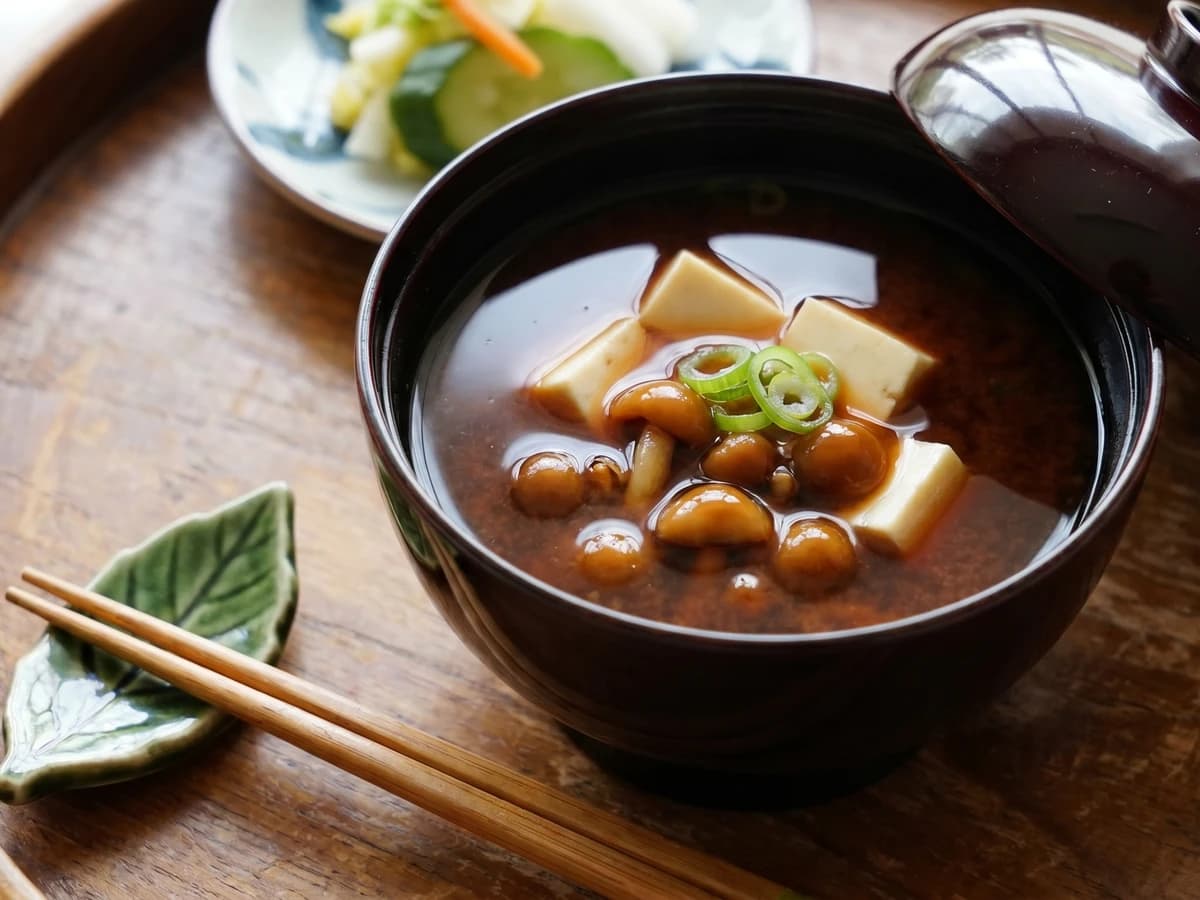
Akadashi asks you to trust the dark miso. Build a clear dashi, loosen the Hatchō mame-miso gently, and the soup turns coffee-dark, savory, and clean.

Chef Takumi
Toast the rice until its skin is firm, then let it meet chicken broth, burdock, maitake, and seri. The pot looks grand, but the work is rice, broth, and patience.
Chef Takumi
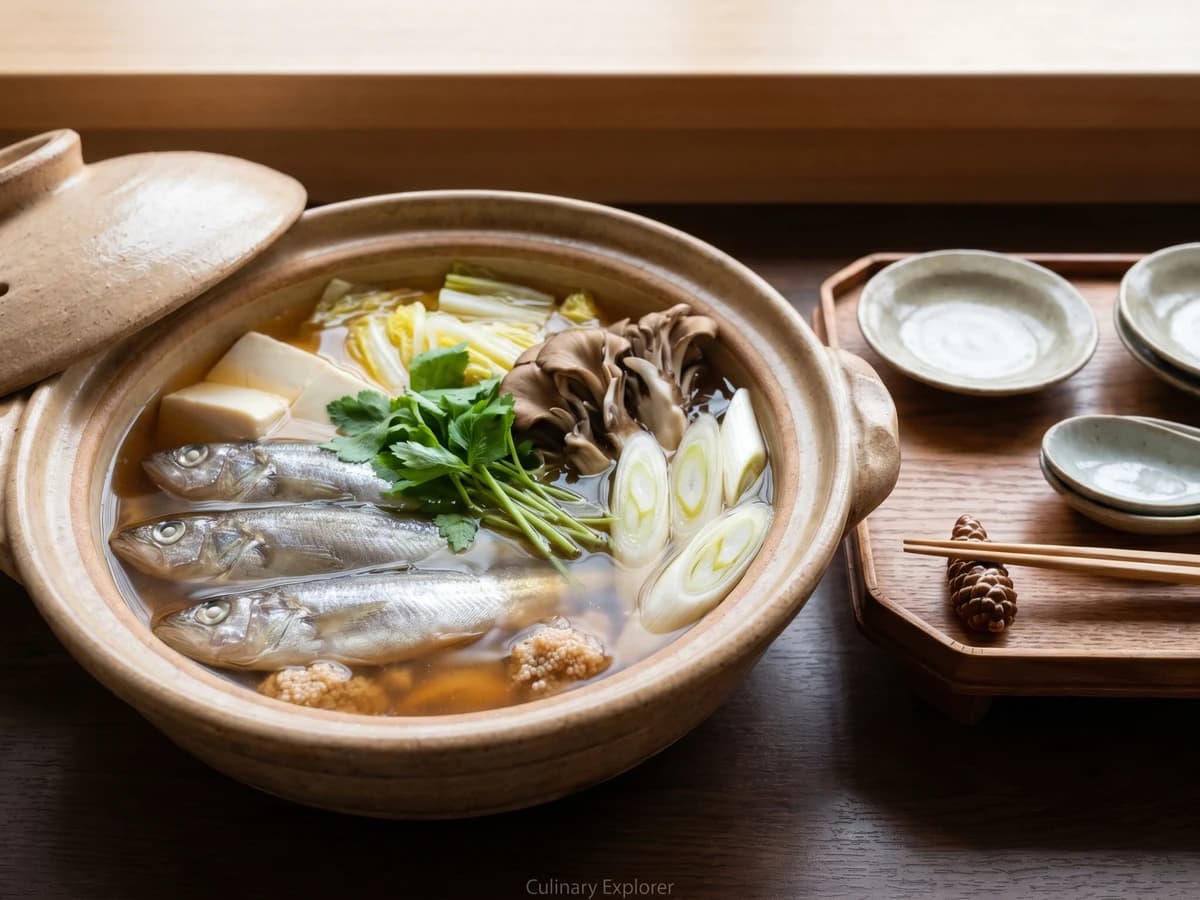
Shottsuru nabe is Akita winter in one pot: clean dashi, hatahata at shun, tofu and napa cabbage carrying a salt-deep broth without anything heavy enough to hide the fish.