
Chef Takumi
Aji Fry (アジフライ, panko-fried horse mackerel)
Aji fry is weeknight fish with no mystery: fresh horse mackerel opened cleanly, breaded lightly, and fried until the panko crackles while the flesh stays sweet.
A cooking platform built around craft, culture, and the stories behind what we eat.
Created by
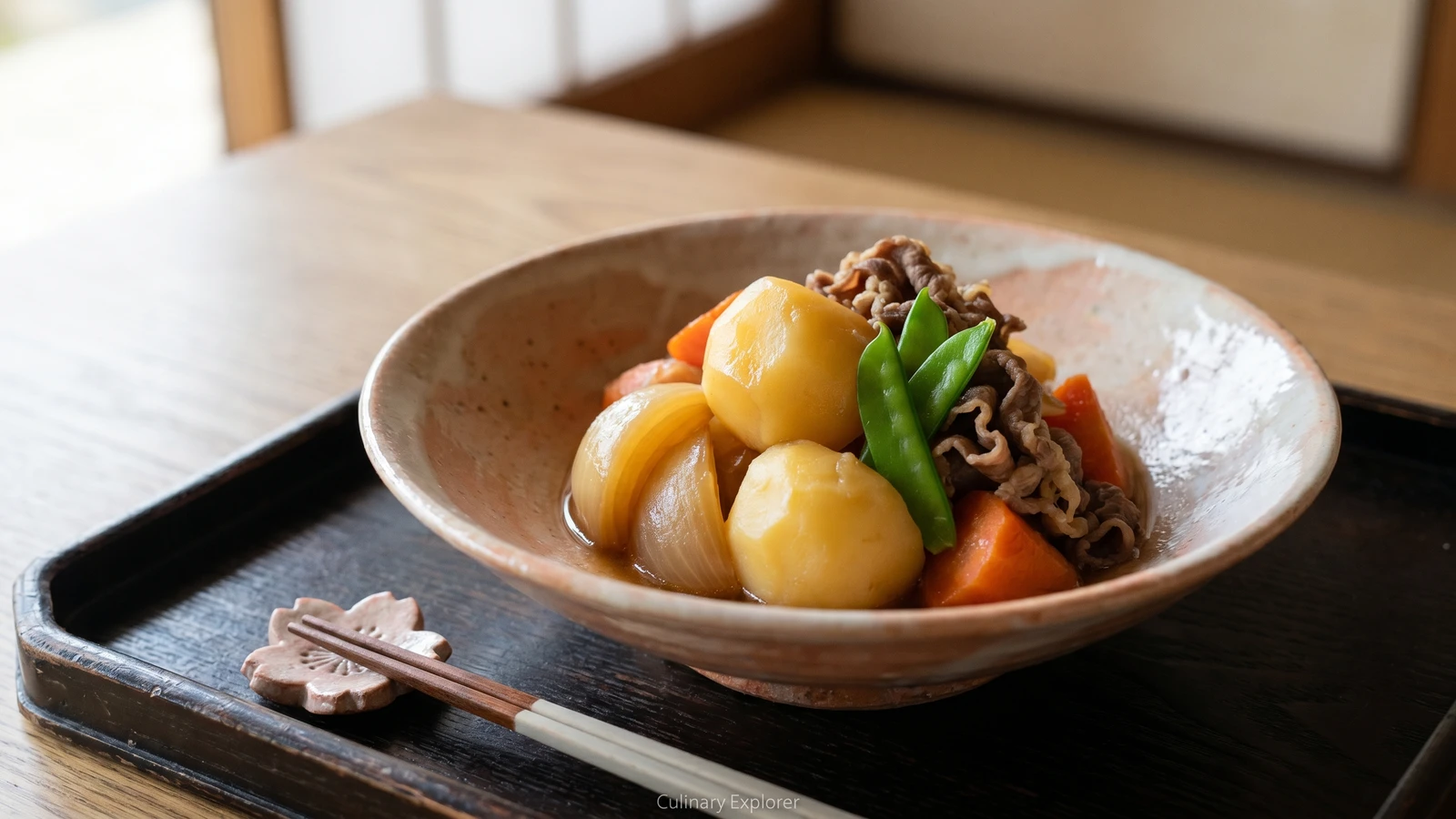
Nikujaga is weeknight nimono at its most direct: thin beef, potatoes, onion, and carrot simmered until the broth reduces and clings, sweet-salty and clear enough to taste every piece.
Nikujaga looks like a stew until you cook it the way we do it here. Then you see the difference: not a pot full of sauce, but potatoes and onion simmered in dashi, soy, and a little sweetness until the broth clings. The beef is thin, almost modest. It gives its fat and savor quickly, then steps back.
The detail that decides it is the finish. Early on, the ingredients need enough liquid to cook evenly under an otoshibuta, a wooden drop-lid. At the end, that liquid must reduce until it glosses the potatoes instead of drowning them. Stir with a spoon and the potatoes break. Tilt the pot and let the broth move around them, and the pieces stay whole while the flavor settles in.
This is nimono, a simmered dish, and it belongs beside rice and miso soup on a weeknight table, especially when potatoes are at their prime and the air has turned cool. Use thin beef with a little fat and potatoes that feel firm and heavy. Nothing hidden, no heavy sauce. The foundation is soy and sweetness carried by clear dashi, and the last rest matters because potatoes drink most deeply as they cool. That is honmono made reachable, plain work done in the right order.
Nikujaga is commonly linked to the Imperial Japanese Navy in the Meiji period, when naval cooks adapted Western-style beef stew to Japanese seasonings and rice-table habits. A popular account names Admiral Tōgō Heihachirō, who had eaten beef stew while studying in Britain, but Maizuru in Kyoto and Kure in Hiroshima both claim the dish, and the evidence does not settle the rivalry. By the twentieth century it had moved into ordinary home cooking as a standard nimono, especially valued because a small amount of thin meat could season a pot of potatoes.
Quantity
1 piece (about 5g)
Quantity
10g
Quantity
2 1/4 cups
Quantity
200g
sukiyaki-cut, cut into 2-inch lengths
Quantity
650g
peeled and cut into 1 1/2-inch chunks
Quantity
1 large
cut into 8 wedges
Quantity
1 medium
cut rangiri style into bite-size pieces
Quantity
180g
rinsed, parboiled, and cut into short lengths
Quantity
8
strings removed
Quantity
1 tablespoon
Quantity
2 tablespoons
Quantity
2 tablespoons
Quantity
1 1/2 tablespoons
Quantity
3 tablespoons
| Ingredient | Quantity |
|---|---|
| konbu (dried kelp) | 1 piece (about 5g) |
| katsuobushi (bonito flakes) | 10g |
| cold water | 2 1/4 cups |
| thinly sliced beef chuck or ribeyesukiyaki-cut, cut into 2-inch lengths | 200g |
| all-purpose potatoespeeled and cut into 1 1/2-inch chunks | 650g |
| onioncut into 8 wedges | 1 large |
| carrotcut rangiri style into bite-size pieces | 1 medium |
| shirataki noodles (optional)rinsed, parboiled, and cut into short lengths | 180g |
| snow peasstrings removed | 8 |
| neutral oil | 1 tablespoon |
| sake | 2 tablespoons |
| mirin | 2 tablespoons |
| sugar | 1 1/2 tablespoons |
| soy sauce, preferably koikuchi shōyu | 3 tablespoons |
Wipe the konbu with a damp cloth, but don't wash it. Put it in the cold water and bring it up slowly over medium-low heat, about 10 minutes. Pull the konbu when the water trembles and small bubbles climb the sides. Let the water come just to a bare boil, add the katsuobushi all at once, turn off the heat, and leave it alone for 2 minutes. Strain through a cloth-lined sieve and let it drip. Don't squeeze. You should have about 2 cups of clear dashi.
Put the cut potatoes in cold water for 10 minutes, then drain well. This rinses off loose starch so the broth stays clear and the pieces don't glue themselves to the pot. If using shirataki, boil it for 2 minutes, drain, and cut it into shorter lengths; the quick boil removes its alkaline smell, and the shorter lengths won't drag the potatoes apart later. Blanch the snow peas for 30 seconds, cool them, and set them aside for the finish.
Heat the oil in a wide heavy pot over medium heat. Lay in the beef in loose folds and cook just until the red color fades, about 1 minute. Add the onion, carrot, and drained potatoes, then turn everything gently for 2 minutes to coat it in the beef fat. Don't chase deep browning here. Nikujaga wants the sweetness of simmering, not roasted edges, and thin beef gives its flavor quickly.
Add the dashi, sake, sugar, and mirin. Bring the pot to a gentle simmer and skim off any gray foam that rises, because foam muddies the broth and leaves a dull taste. Simmer uncovered for 5 minutes before adding the soy sauce.
Stir in the soy sauce, then add the shirataki to one side of the pot if you're using it. Set an otoshibuta, a wooden drop-lid, directly on the surface. A circle of parchment with a small hole in the center works. Lower the heat and simmer gently for 15 to 18 minutes, until a skewer slides into a potato without crunch.
Remove the drop-lid and raise the heat to medium. Simmer for 5 to 8 minutes, tilting the pot now and then so the broth runs over the pieces. Stop when the liquid has reduced to a shallow glossy pool and the potatoes look lacquered, not dry. This is the line between finished nikujaga and potatoes floating in soup.
Turn off the heat, cover the pot, and let it rest for 10 to 20 minutes. Potatoes season most evenly as they cool a little, so this pause is not idleness. Warm it gently again if needed, tuck in the snow peas at the end, and serve with only a little broth spooned over. Leave the bowl room.
1 serving (about 400g)
Culinary guides, cultural storytelling, and the editorial depth that makes cooking meaningful.
Discover Culinary ExplorerChef Takumi
Aji fry is weeknight fish with no mystery: fresh horse mackerel opened cleanly, breaded lightly, and fried until the panko crackles while the flesh stays sweet.
Chef Takumi
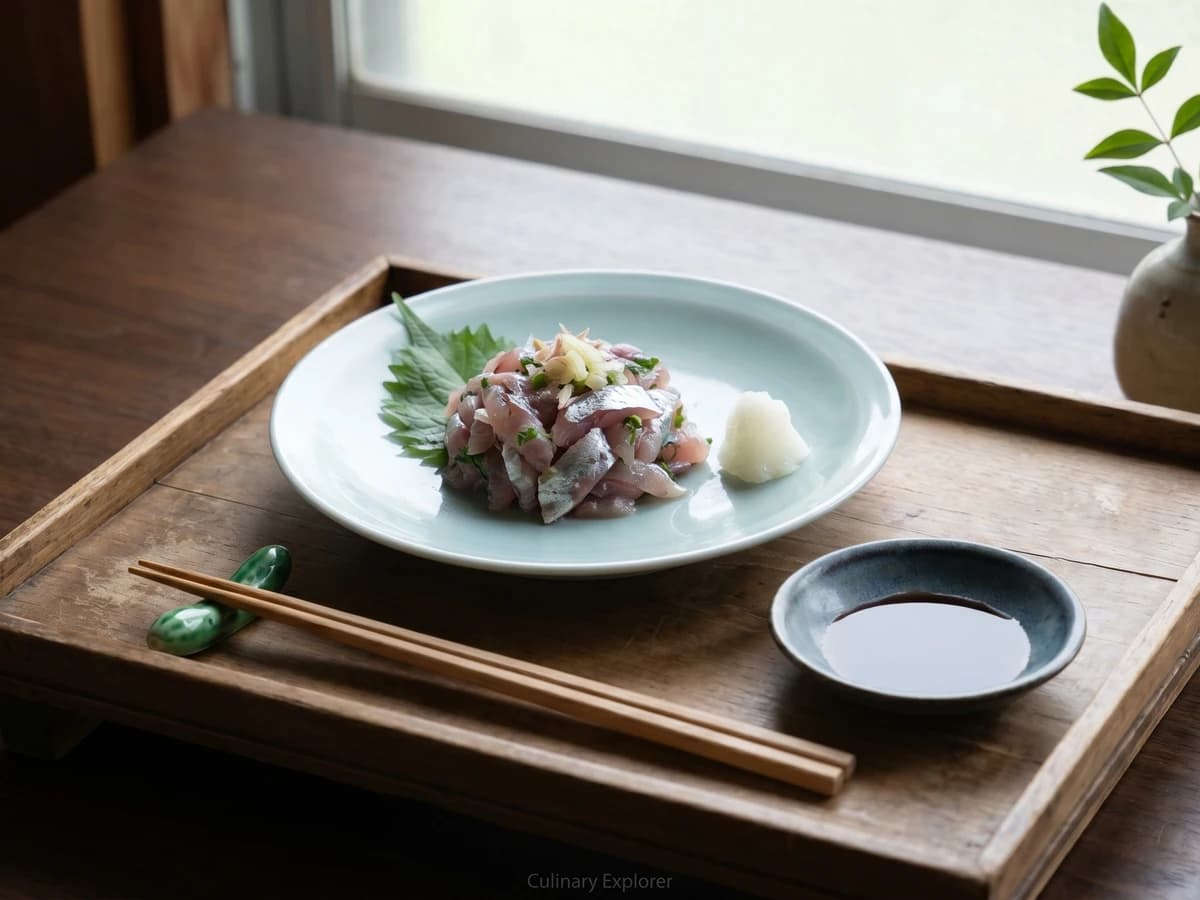
Summer horse mackerel, chopped just enough to catch ginger and scallion, becomes a cool, clean main dish with rice. The secret is fresh fish and a knife that does not bruise it.
Chef Takumi
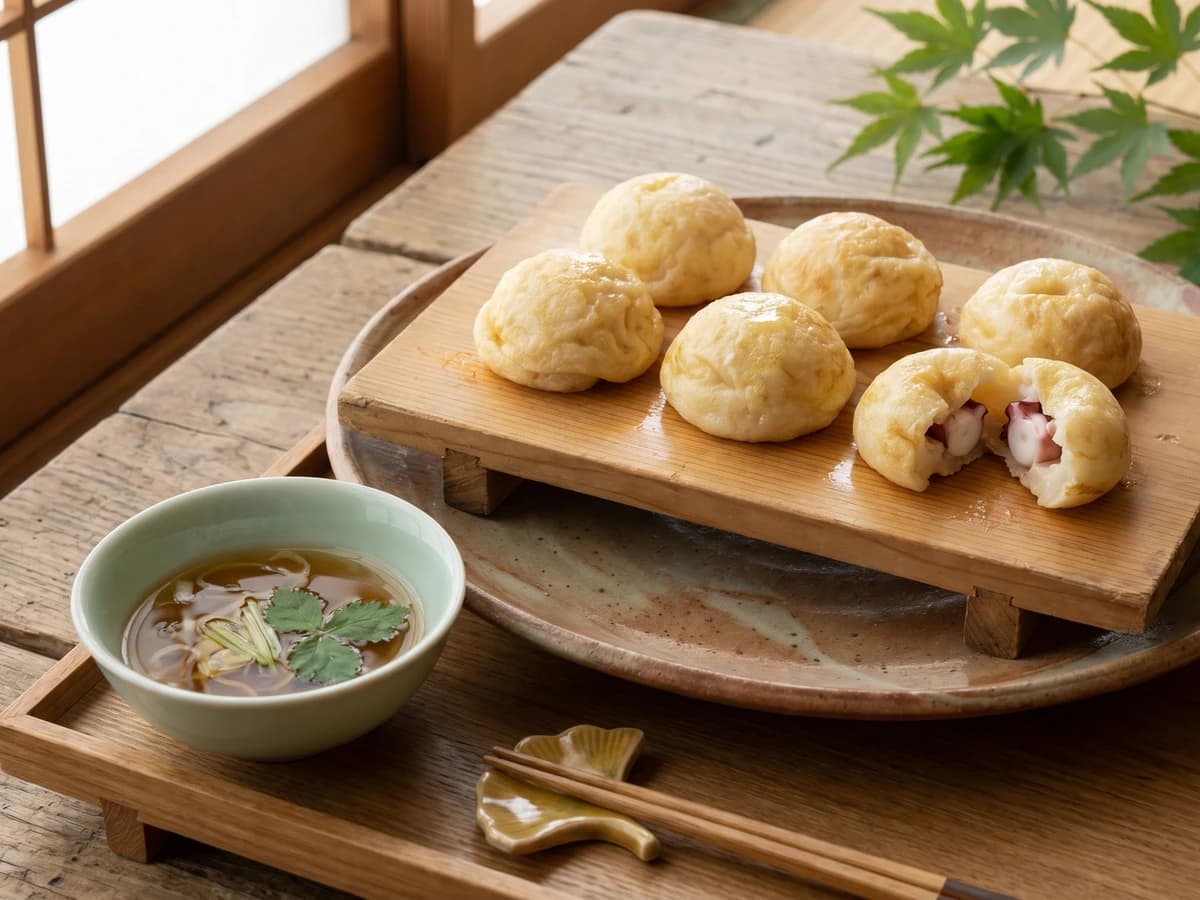
Akashi-yaki is not sauced takoyaki. It is egg-rich batter, tender octopus, and clear dashi, cooked pale and soft so each ball can be dipped like a small custard dumpling.

Chef Takumi
A whole anago looks like a test of nerve. It is mostly good sourcing, a dry skin, cold batter, and oil hot enough to leave the eel sweet under its lace.