Chef Isabel
Acedías Fritas de Cádiz
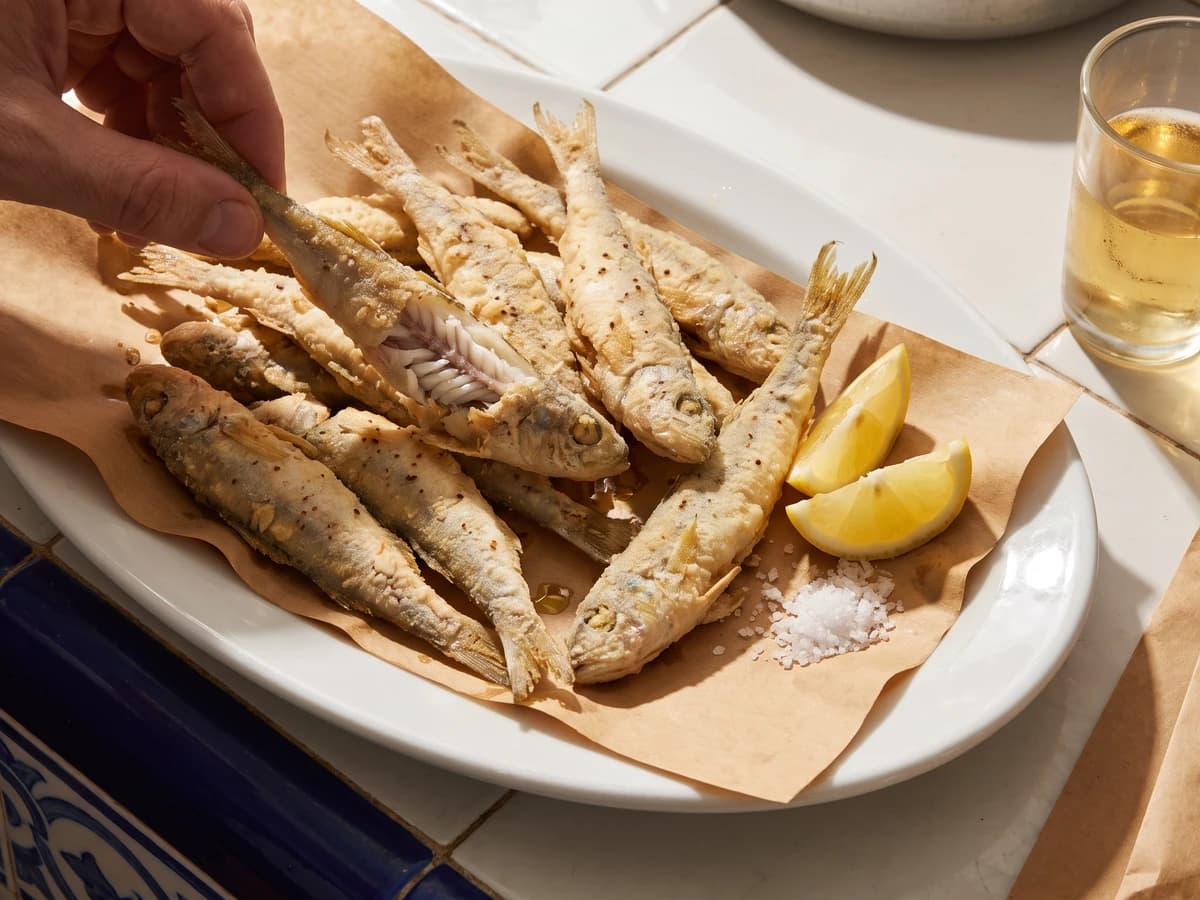
Acedías fritas belong to Cádiz: tiny wedge sole, salted, dusted in frying flour, and dropped into very hot olive oil so the rims crisp while the fish stays tender.
A cooking platform built around craft, culture, and the stories behind what we eat.
Created by
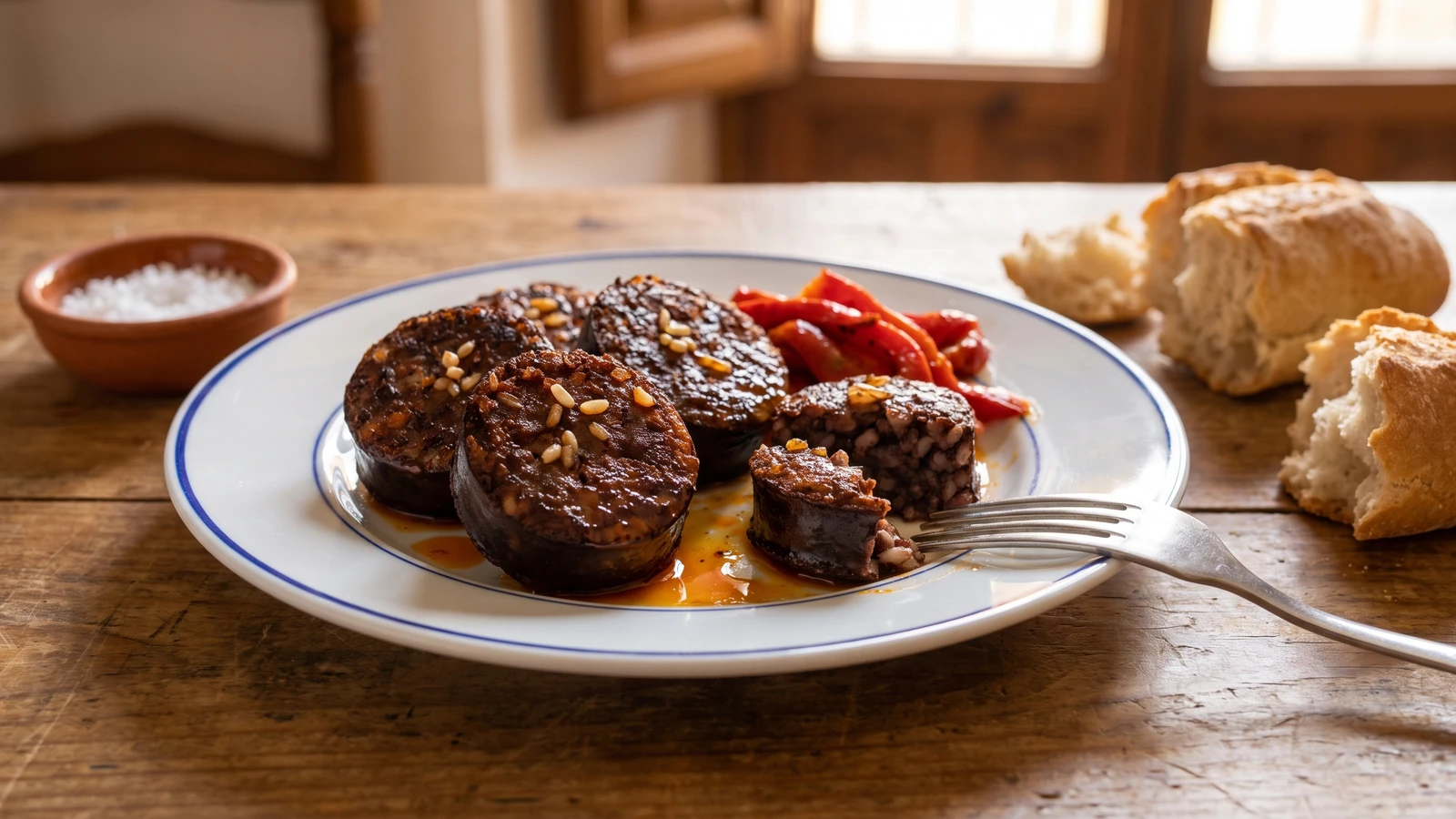
Morcilla de Burgos belongs to Castile and Leon: blood sausage bound with rice and horcal onion, sliced thick and fried hot so the rice browns at the edge and the middle stays tender.
Morcilla de Burgos is Castilian, from Burgos, and the rice is what gives it its name at the table. Not every morcilla is this one. This one is pig's blood, rice, onion, lard, and spice, cooked in a casing, then sliced into thick coins and fried until the rice at the edge goes brown and crisp.
The method that decides it is the pan. Hot oil, thick slices, and no fussing. If the pan is timid, the morcilla slumps and leaks before it browns. If the oil is properly hot, the casing tightens, the rice toasts, and the center stays soft. Leave each slice alone until it has a crust, then turn it once.
If you can't find Morcilla de Burgos, look first for morcilla de arroz, rice blood sausage, from another Castilian or northern Spanish maker. It will get you close, though it may have less onion sweetness. Black pudding is a last resort; it feeds you, yes, but oats and barley make a different sausage. Slice it thicker and fry it gently. No hace falta haber pisado Espana, but the rice matters here.
Serve it hot, with bread and perhaps roasted red peppers if you have them. That's enough. Pésalo, no lo adivines, when you're portioning, and don't crowd the pan. Siempre sale, si lo sigues.
Morcilla de Burgos belongs to the province of Burgos in Castile and Leon, where the household pig slaughter, the matanza, filled the winter larder with cured pork, sausages, and blood puddings. Its mark is rice and horcal onion, a local onion prized for sweetness and high water content, which keeps the filling soft rather than dry. The dish is eaten simply, fried, roasted, or tucked into stews, but the sliced and fried coin is the way many Burgos tables know it best.
Quantity
400g
cut into 2cm thick coins
Quantity
2 tablespoons
Quantity
200g
drained and cut into strips
Quantity
150g
sliced
Quantity
only if needed
| Ingredient | Quantity |
|---|---|
| Morcilla de Burgoscut into 2cm thick coins | 400g |
| olive oil | 2 tablespoons |
| roasted red peppers (optional)drained and cut into strips | 200g |
| rustic breadsliced | 150g |
| flaky salt (optional) | only if needed |
Cut the morcilla into 2cm thick coins with a sharp knife. Keep the casing on; it helps each slice hold together in the pan. If the sausage is very soft, chill it for 20 minutes first so the cuts come clean.
Set a heavy frying pan over medium-high heat and add the olive oil. When the oil shines and moves easily across the pan, it is ready. The pan must be hot before the morcilla goes in, because browning first is what keeps the rice sausage from collapsing.
Lay the morcilla coins in one layer, leaving space between them. Fry for 2 to 3 minutes without moving them, until the underside is dark brown at the edges and the rice has toasted. Turn each slice once with a thin spatula and fry the second side for another 2 minutes.
If serving roasted peppers, add them to the side of the pan for the final minute, just to gloss them in the oil. Do not bury the morcilla under them; the crust you made is the point.
Move the morcilla to a warm plate and serve at once with the peppers and sliced bread. Taste before salting; most morcilla is seasoned already. The outside should be browned and a little crisp, the center soft, dark, and rich.
1 serving (about 185g)
Culinary guides, cultural storytelling, and the editorial depth that makes cooking meaningful.
Discover Culinary ExplorerChef Isabel
Acedías fritas belong to Cádiz: tiny wedge sole, salted, dusted in frying flour, and dropped into very hot olive oil so the rims crisp while the fish stays tender.
Chef Isabel
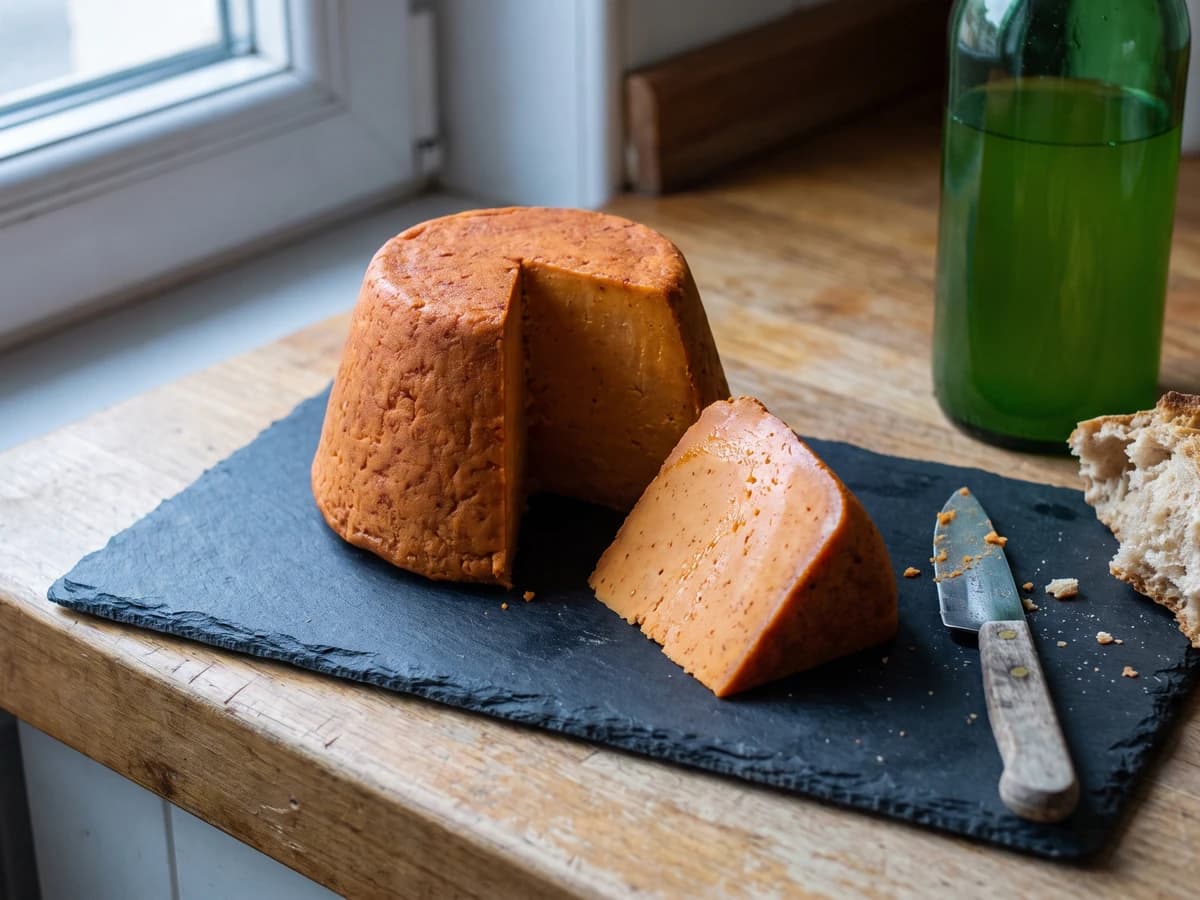
Afuega'l Pitu Roxu is Asturias in a small cheese: cow's milk set slowly to a dense curd, drained without squeezing, then kneaded with pimentón until it turns orange and grips the throat.
Chef Isabel
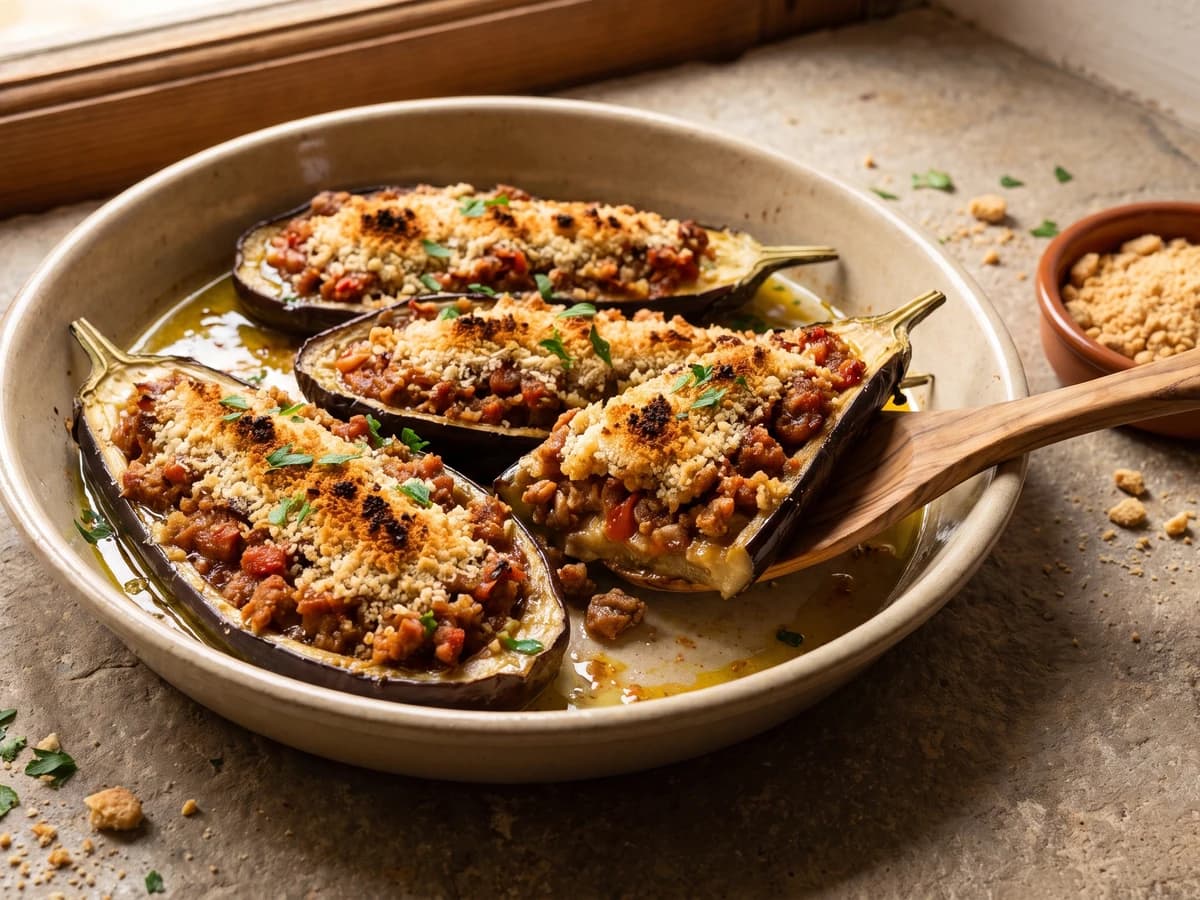
Albergínies farcides are Mallorca's summer stuffed aubergines: tender boiled shells, a slow pork sofrito with moraduix, and a plain breadcrumb cap baked until the top turns crisp and golden.

Chef Isabel
Carxofes farcides are Catalan stuffed artichokes: tender hearts filled with jamón, slow sweet onion, and breadcrumbs, then baked in a light creamy sauce until the tops turn golden.