Chef Juliana
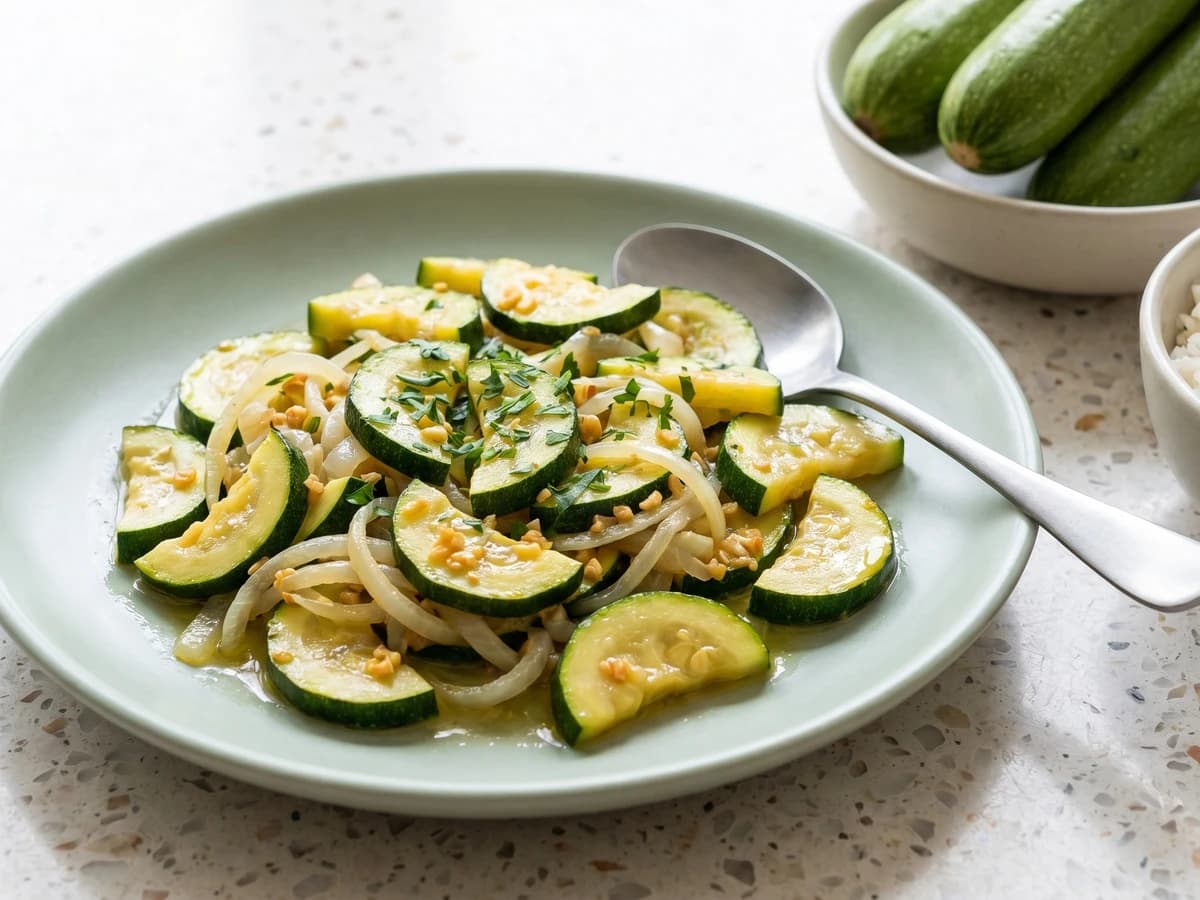
Abobrinha Refogada
You think you'll turn zucchini into mush. Fine. Anota aí: high heat, wide pan, salt at the end, and suddenly this little green side starts solving dinner.
A cooking platform built around craft, culture, and the stories behind what we eat.
Created by
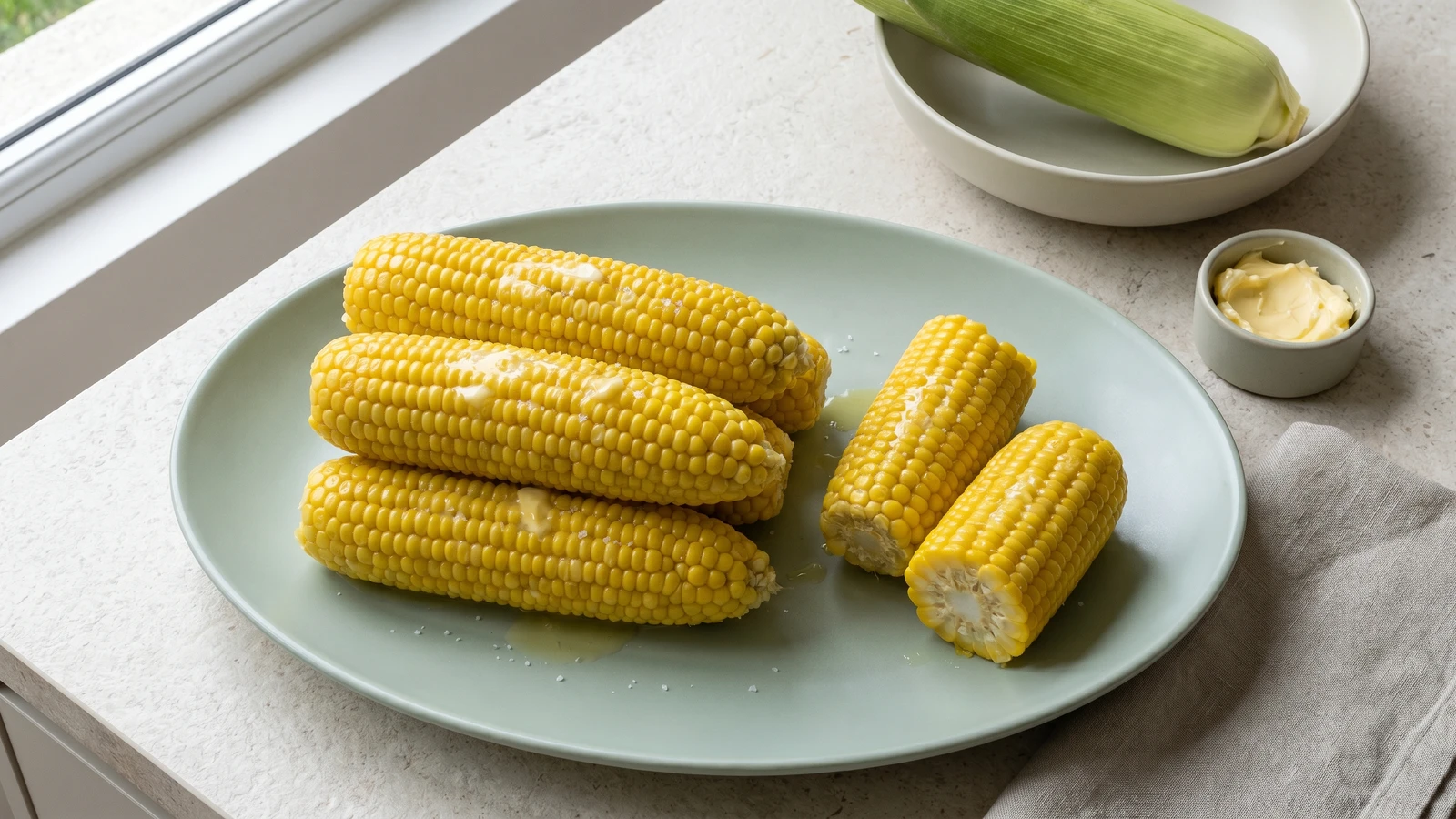
Everyone overthinks the easy ones. Pick good fresh corn, boil it just until tender, butter it while it's hot, and watch a plain espiga solve the side dish.
You think this is too simple to count, or too easy to teach, which is exactly where people get into trouble. The quiet "isso não é pra mim" doesn't always show up in front of feijão or rice. Sometimes it shows up in front of a pot of corn, whispering that if it's easy, you should already know it. Nonsense. Cozinhar não é dom, é um aprendizado.
Milho verde cozido is festa junina, beach cart, roadside stop, school vacation, and also Tuesday dinner when the corn is good. It sits happily beside the pê-efe: rice, beans, something from the pan, something green, and one sweet, buttery espiga making the plate feel generous. That's comida de verdade, cheap when it's in season, clear in its ingredients, and honest enough to need no packet pretending to be flavor.
The method is small, so the details matter. Buy corn with plump kernels, cook it in water that tastes lightly salty, and stop when a kernel gives under your teeth but still has snap. Boil it forever and the sweetness dulls. Butter it cold and the butter sits there like a bad idea. Roll it hot, salt it right away, and the cob takes on shine, flavor, and that little fairground smell a gente remembers before we know we remember it.
Anota aí: this is one of those receitas que funcionam because there's nowhere to hide and nothing to fear. Good corn, enough water, proper timing, butter, salt. Dinner just got easier.
Corn was cultivated in the Americas long before Portuguese colonization, and in Brazil it became central to Indigenous foodways first, then to rural and urban home cooking in porridges, cakes, broths, and boiled ears. Milho verde cozido is especially tied to festa junina, the June celebrations that follow the corn harvest in many regions, where boiled corn, pamonha, curau, and corn cakes mark the season. The best version is seasonal: fresh green corn is at its sweetest when it is local, recently picked, and cheap enough that nobody has to treat it like a luxury.
Quantity
6 ears
husks and silk removed
Quantity
10 cups, or enough to cover
Quantity
1 tablespoon
Quantity
3 tablespoons
softened
Quantity
1/2 teaspoon, plus more to taste
| Ingredient | Quantity |
|---|---|
| fresh green cornhusks and silk removed | 6 ears |
| water | 10 cups, or enough to cover |
| salt for the cooking water | 1 tablespoon |
| unsalted buttersoftened | 3 tablespoons |
| fine salt | 1/2 teaspoon, plus more to taste |
Peel back a little of the husk before buying if you can. Look for full, shiny kernels packed tightly in straight rows, and press one with your nail: it should release a milky juice. That's green corn worth cooking. Dry, dented kernels mean old corn, and no amount of butter will make it young again.
Pull off the husks and as much silk as you can with your hands. Rinse the ears under running water, rubbing lightly between the rows. Clean corn cooks more evenly, and nobody wants to fight silk threads while butter is dripping down their fingers.
Put the water in a wide 4-liter pot and stir in the tablespoon of salt. Bring it to a lively boil. The water should taste lightly salty, not like the sea. This seasons the corn from the outside while it cooks, instead of leaving all the work to the butter at the end.
Lower the corn into the boiling water, cover the pot, and cook for 10 to 15 minutes, depending on how fresh the ears are. Start checking at 10 minutes: pierce a kernel with the tip of a small knife or bite one carefully. It should be tender, juicy, and still a little snappy. If it tastes starchy and hard, give it a few more minutes. If you cook it forever, the kernels get dull and tired.
Lift the corn out with tongs and let the water drip back into the pot for a few seconds. While the ears are still very hot, spread the softened butter over them and roll each one so the kernels turn glossy. Hot corn melts the butter into the rows; cold corn just wears butter on top like a coat it doesn't know what to do with.
Sprinkle with the fine salt, taste a kernel, and adjust. Serve right away, whole or cut in halves if you're feeding a table with small hands. The corn should be sweet, buttery, lightly salty, and juicy enough that people stop talking for a second. That's the point.
1 serving (about 110g)
Culinary guides, cultural storytelling, and the editorial depth that makes cooking meaningful.
Discover Culinary ExplorerChef Juliana
You think you'll turn zucchini into mush. Fine. Anota aí: high heat, wide pan, salt at the end, and suddenly this little green side starts solving dinner.

Chef Juliana
You think this is sacred enough to be impossible. It isn't. Acaçá is patience, stirring, and ponto, taught plainly, with respect for the terreiros that carry it.
Chef Juliana
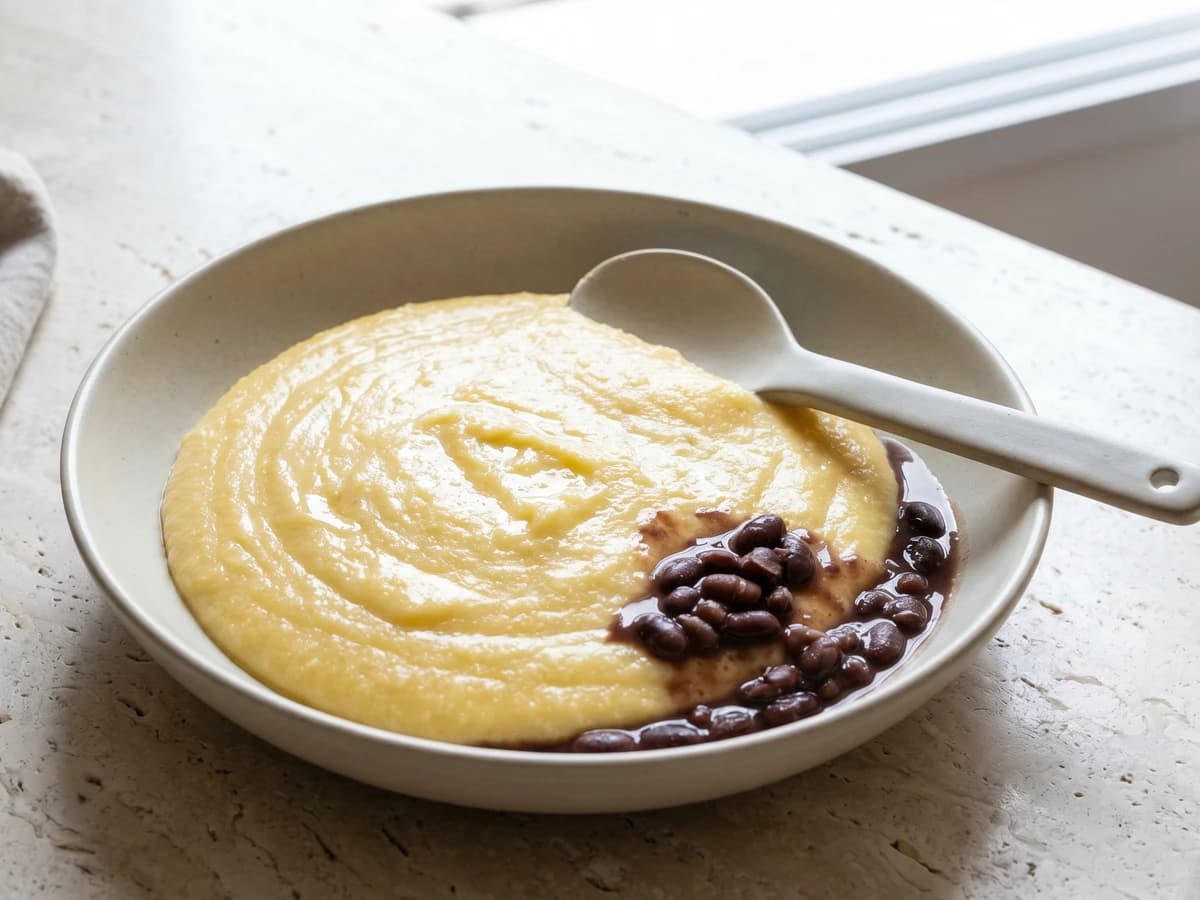
You think cornmeal will turn into lumps and shame. It won't. Cold water first, patient stirring, and a real garlic base give you angu that solves dinner.
Chef Juliana
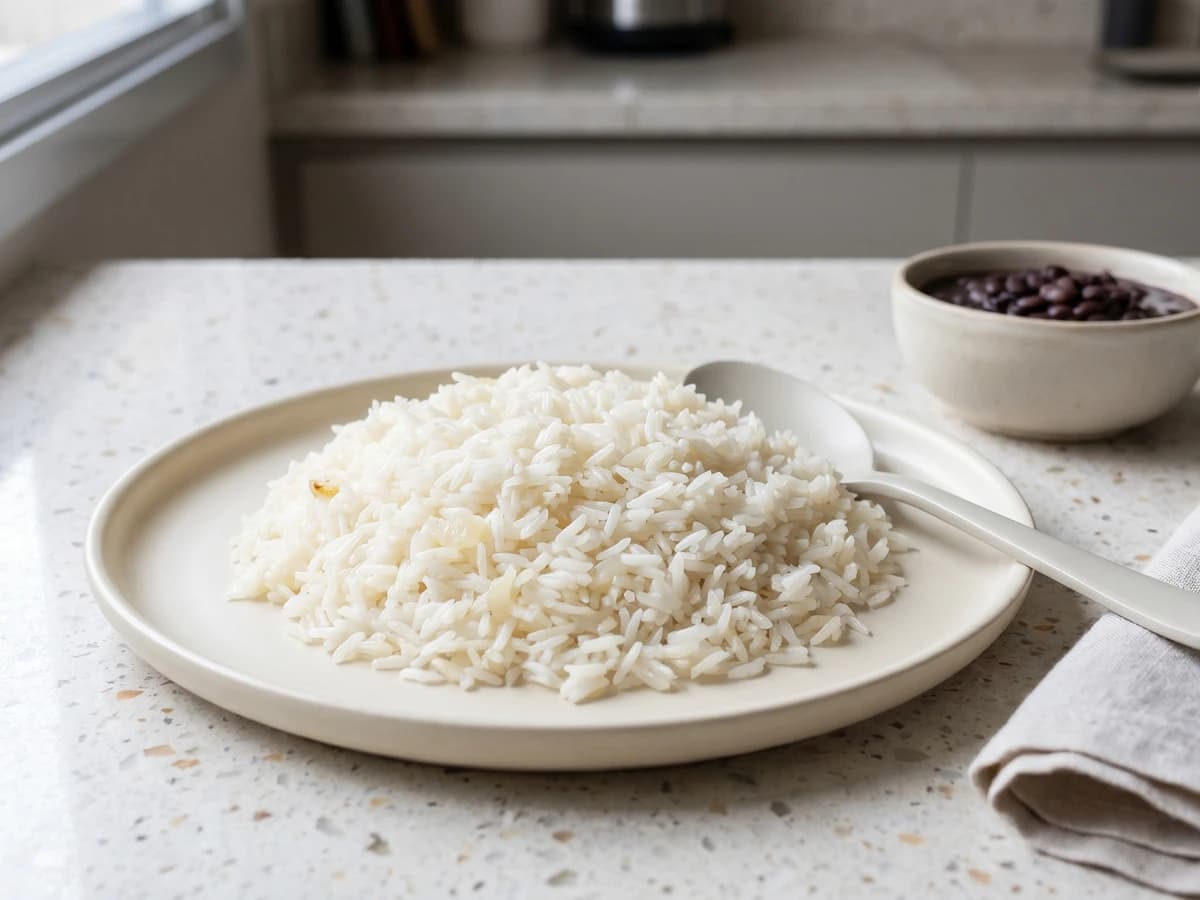
Everyone swears they can't make good rice. They're wrong. Refogue onion and garlic, use two parts water to one rice, then close the lid and leave the poor thing alone.