
Chef Lesia
Makivnyk (маківник, poppy seed roll)
The black poppy filling is the point: dense, glossy, honeyed, almost mineral, rolled so tightly through soft dough that every slice looks like a winter night with a gold edge.
A cooking platform built around craft, culture, and the stories behind what we eat.

Created by
Poppy seeds are the sound of Makoviy: toasted, crushed, and whispering under your teeth in small honey cookies baked when the heads ripen in the August heat.
Poppy is never quiet. Toast it gently and it wakes the whole room, nutty and dark, then the honey follows, warm and floral, and suddenly these little cookies know exactly which feast they belong to. Makoviichyky are small on purpose: one bite, two at most, enough for a tray that keeps moving around the table.
The one thing that decides them is the poppy. Raw seeds sit politely in dough; toasted and lightly crushed, they give oil, perfume, and that soft sandy crackle under your teeth. Aunt Nadia wrote only "rub the poppy until it smells right" in one letter, which was no help at all until I did it badly twice. Then the smell changed. Of course it did.
Shape them your grandmother's way if you have one: rounds, little crescents, pinched diamonds, a thumbprint in the middle. Mine are squat rounds brushed with honey while warm, because the glaze catches on the poppy and makes them shine like a jar opened in the litnya kuhnia, the summer kitchen.
Make a full batch. Holiday cookies look foolish in small numbers.
Makoviy, also called the Honey Savior in Ukrainian folk practice, falls on the first of August in the newer church calendar, when honey is drawn and poppy heads have dried enough to shake with seed. Families brought honey, water, and makoviichyk bouquets of poppy heads, mint, basil, marigold, and other garden herbs to be blessed, a custom especially strong across central and southern Ukrainian villages. The name also carries the church memory of the Maccabean martyrs, but the kitchen remembers it through honey, poppy, and trays of small sweets made for sharing.
Quantity
80g
Quantity
280g
plus more for dusting
Quantity
1/2 teaspoon
Quantity
1/4 teaspoon
Quantity
100g
softened
Quantity
80g, plus 2 tablespoons
for dough and glazing
Quantity
60g
Quantity
1 large
Quantity
1 teaspoon
Quantity
1 teaspoon
finely grated
Quantity
1 tablespoon
only if the dough feels dry
| Ingredient | Quantity |
|---|---|
| poppy seeds | 80g |
| plain flourplus more for dusting | 280g |
| baking powder | 1/2 teaspoon |
| fine sea salt | 1/4 teaspoon |
| unsalted buttersoftened | 100g |
| honeyfor dough and glazing | 80g, plus 2 tablespoons |
| sugar | 60g |
| egg | 1 large |
| vanilla sugar or vanilla extract | 1 teaspoon |
| lemon zestfinely grated | 1 teaspoon |
| smetana or plain yogurt (optional)only if the dough feels dry | 1 tablespoon |
Tip the poppy seeds into a dry pan over a low flame and shake them often until they smell nutty and a shade darker. They should sound like fine rain against the pan, not crackle angrily. Pour them out at once, then crush half of them in a mortar or pulse briefly in a grinder so their oil perfumes the dough.
Whisk the flour, baking powder, salt, and toasted poppy together. In another bowl, beat the soft butter, honey, and sugar until creamy and pale at the edges, then beat in the egg, vanilla, and lemon zest. Stir in the flour mixture until the dough gathers into a soft, speckled mass.
Pat the dough into a flat block, cover it, and chill until it firms enough to roll without smearing butter on your hands. It should feel cool and obedient, not hard as a brick. If it cracks at the edges, let it sit a few minutes and it will forgive you.
Heat the oven to 180C and line two trays with baking paper. Roll the dough on a lightly floured surface to about 5 mm thick, then cut small rounds, crescents, or diamonds. Gather scraps gently and reroll once; after that, bake the odd little pieces for the cook.
Bake until the edges turn golden and the tops look dry but still tender in the middle. The kitchen should smell of toasted seed, butter, and warm honey. If the bottoms are dark before the tops color, your tray is too low, move the next one higher.
Warm the extra honey until loose, then brush a thin shine over the cookies while they are still warm. Let them cool on the tray until they firm, then pile them generously. The glaze should catch the poppy on the surface, not soak them wet.
1 serving (about 14g)
Culinary guides, cultural storytelling, and the editorial depth that makes cooking meaningful.
Discover Culinary ExplorerChef Lesia
The black poppy filling is the point: dense, glossy, honeyed, almost mineral, rolled so tightly through soft dough that every slice looks like a winter night with a gold edge.

Chef Lesia
The cherries fight back: tart July fruit cuts through sweet, oily poppy seed filling, staining the soft yeast crumb violet at the seams.
Chef Lesia
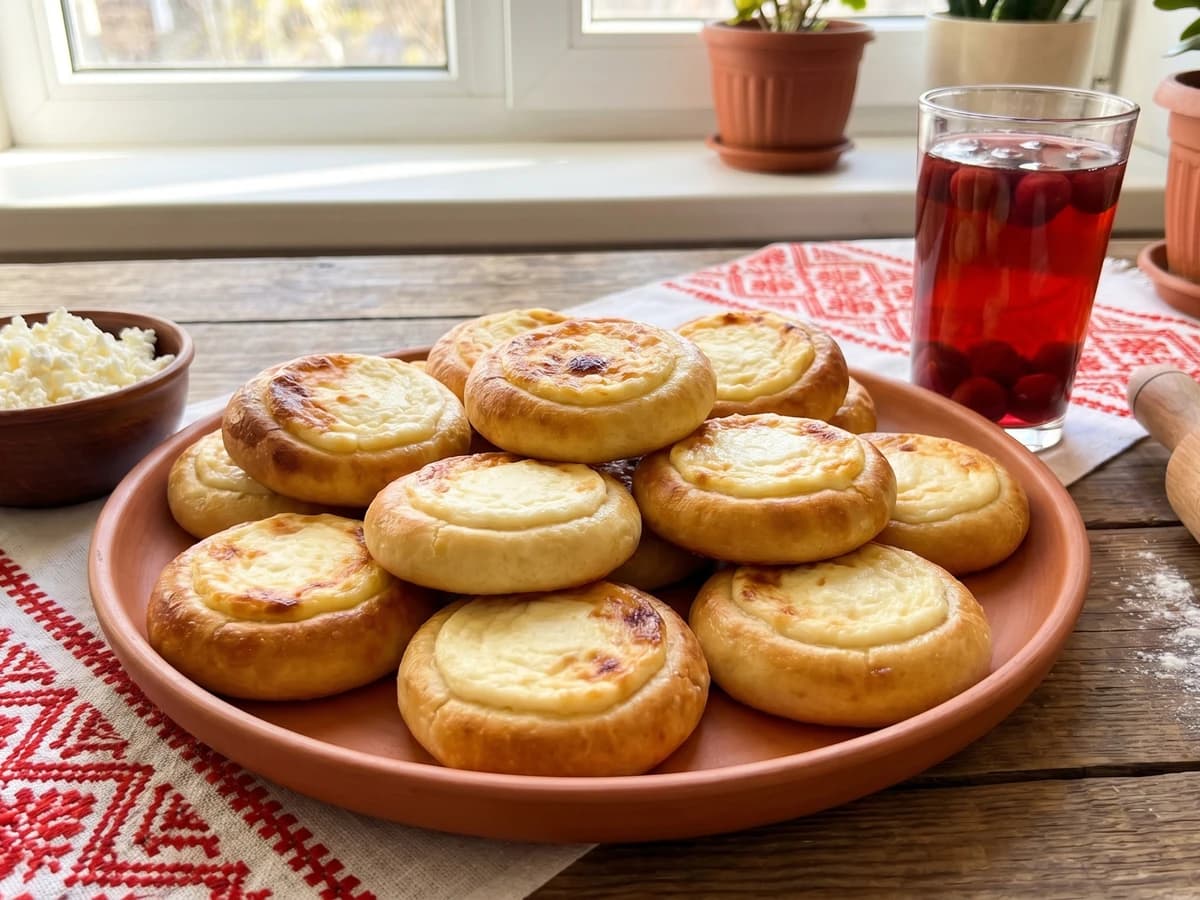
These little open cups carry their name like a road: mandryky, wanderers, with crumbly golden edges and sweet curd cheese sitting soft in the middle.

Chef Lesia
Thin honey layers go into the tin crisp and coppery, then spend a night drinking sour cream until the cake cuts clean and tender, almost custardy at the fork.