Chef Dimitra
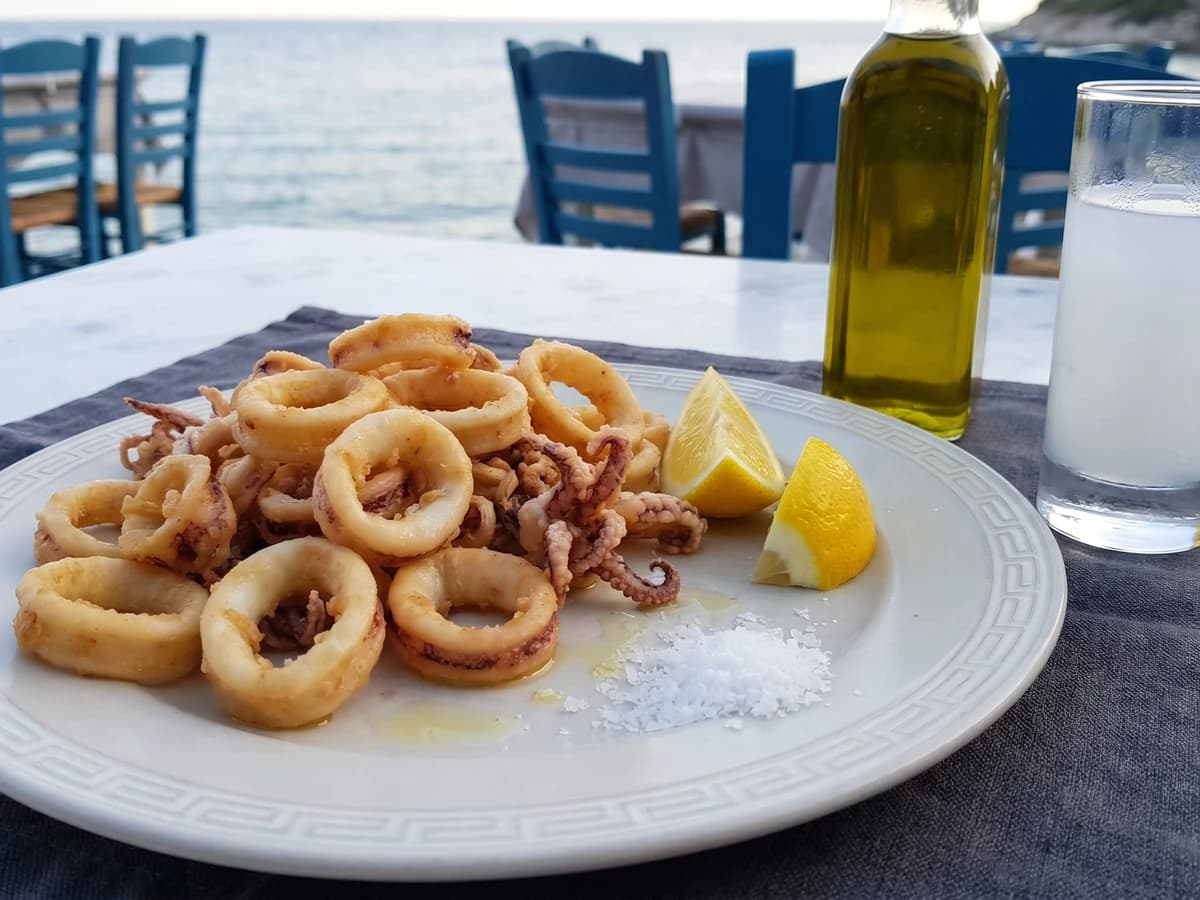
Aegean Island Kalamarakia Tiganita (Καλαμαράκια Τηγανητά)
Aegean island fried squid is flour, hot oil, lemon, and nerve. Fry it for a minute or two, no longer, and it stays tender under its crisp coat.
A cooking platform built around craft, culture, and the stories behind what we eat.

Created by
Mainland skordalia is raw garlic, potato, olive oil, and vinegar beaten into a brave white dip for fried salt cod, beets, and the nistisimo table.
Mainland potato skordalia is the garlic dip that stands beside fried salt cod, boiled beets, and the Lenten table. It is pale, thick, sharp with raw garlic, and softened only by potato and good olive oil. The region is the dish's surname here, because the islands may pound almonds or bread, while the mainland often reaches for potatoes.
The one rule is simple. Make the garlic into a true paste before you add the potato. A rough chop gives you little burning pieces; a paste spreads the garlic through the whole bowl, so every spoonful has the same thunderclap and the same calm after it.
Serve it at room temperature, never fridge-cold, with bakaliaros, fried salt cod, if you are keeping the old March table, or with beets and horta for a fasting meal. This is nistisimo food with teeth. I don't invent it. I find it, I test it, I write it down.
Skordalia belongs to the family of garlic sauces known across the Greek world, with mainland versions commonly thickened by potato or bread and island versions often using almonds or walnuts. Its best-known ritual pairing is bakaliaros skordalia on 25 March, the Feast of the Annunciation, when Orthodox fasting permits fish and salted cod became the practical choice far from the coast. In the Ionian islands the related name aliada points to Venetian contact, while the mainland name keeps the garlic, skordo, at the center.
Quantity
700g
unpeeled
Quantity
6 large
germ removed if green
Quantity
1 1/2 teaspoons
plus more for the potato water
Quantity
120ml
Quantity
35ml
Quantity
20ml
Quantity
2 tablespoons
plus more if needed
Quantity
1 tablespoon
for serving
| Ingredient | Quantity |
|---|---|
| floury potatoesunpeeled | 700g |
| garlic clovesgerm removed if green | 6 large |
| fine sea saltplus more for the potato water | 1 1/2 teaspoons |
| extra virgin Koroneiki olive oil | 120ml |
| red wine vinegar | 35ml |
| fresh lemon juice | 20ml |
| warm potato cooking waterplus more if needed | 2 tablespoons |
| extra virgin olive oil (optional)for serving | 1 tablespoon |
Put the potatoes in a saucepan, cover with cold water by 3cm, and salt the water well. Bring to a steady boil, then cook until a knife slides through the centers without resistance, about 20 to 25 minutes. Save a cup of the cooking water before draining.
While the potatoes cook, pound the garlic and salt in a mortar until you have a wet, sharp paste with no hard pieces left. Add the vinegar and lemon juice and work them in. This is the method that decides skordalia: raw garlic must be crushed smooth before the potato joins it, or the dip tastes hot in spots instead of clean and full.
Drain the potatoes, peel them as soon as your hands can bear it, and pass them through a ricer or mash them well by hand. Don't use a blender for potato skordalia. It wakes the starch and turns a good dip into glue, and nobody needs that lesson twice.
Add the garlic mixture to the warm mashed potatoes and stir with a wooden spoon. Pour in the olive oil slowly, beating as you go, then loosen with 2 tablespoons of warm potato water. The texture should be thick, smooth, and spoonable, not runny.
Taste for salt and brightness. Skordalia should bite. Let it stand for at least 20 minutes before serving so the garlic settles into the potato. Spoon it into a bowl and finish with a little olive oil pooled on top.
1 serving (about 155g)
Culinary guides, cultural storytelling, and the editorial depth that makes cooking meaningful.
Discover Culinary ExplorerChef Dimitra
Aegean island fried squid is flour, hot oil, lemon, and nerve. Fry it for a minute or two, no longer, and it stays tender under its crisp coat.

Chef Dimitra
Pale Aegean taramosalata is cured roe, soaked bread, lemon, and olive oil worked slowly until it turns thick and clean, made for lagana on Clean Monday.

Chef Dimitra
Athenian March 25 salt cod, crisp in a puffed beer batter and served with garlic skordalia, the Lenten fish dish Greece keeps for Annunciation day.

Chef Dimitra
Crete names this dish by the pan motion: snails set mouth-down in salted flour, fried in good olive oil, then hit with rosemary and vinegar.