Chef Joost
Aardappelgratin
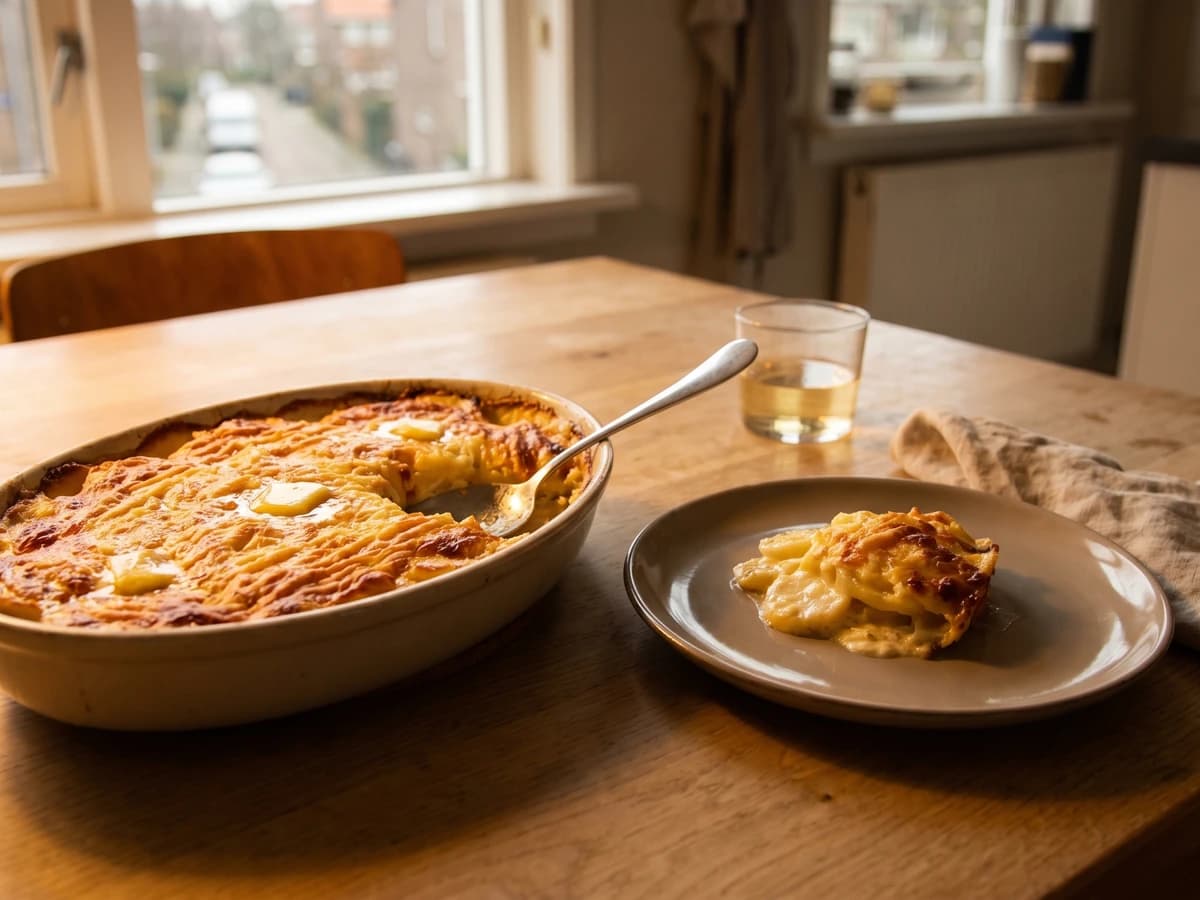
A French name, a Dutch potato, and a Sunday table: aardappelgratin is what happens when a frugal kitchen borrows richness and behaves as if it had always belonged.
A cooking platform built around craft, culture, and the stories behind what we eat.
Created by
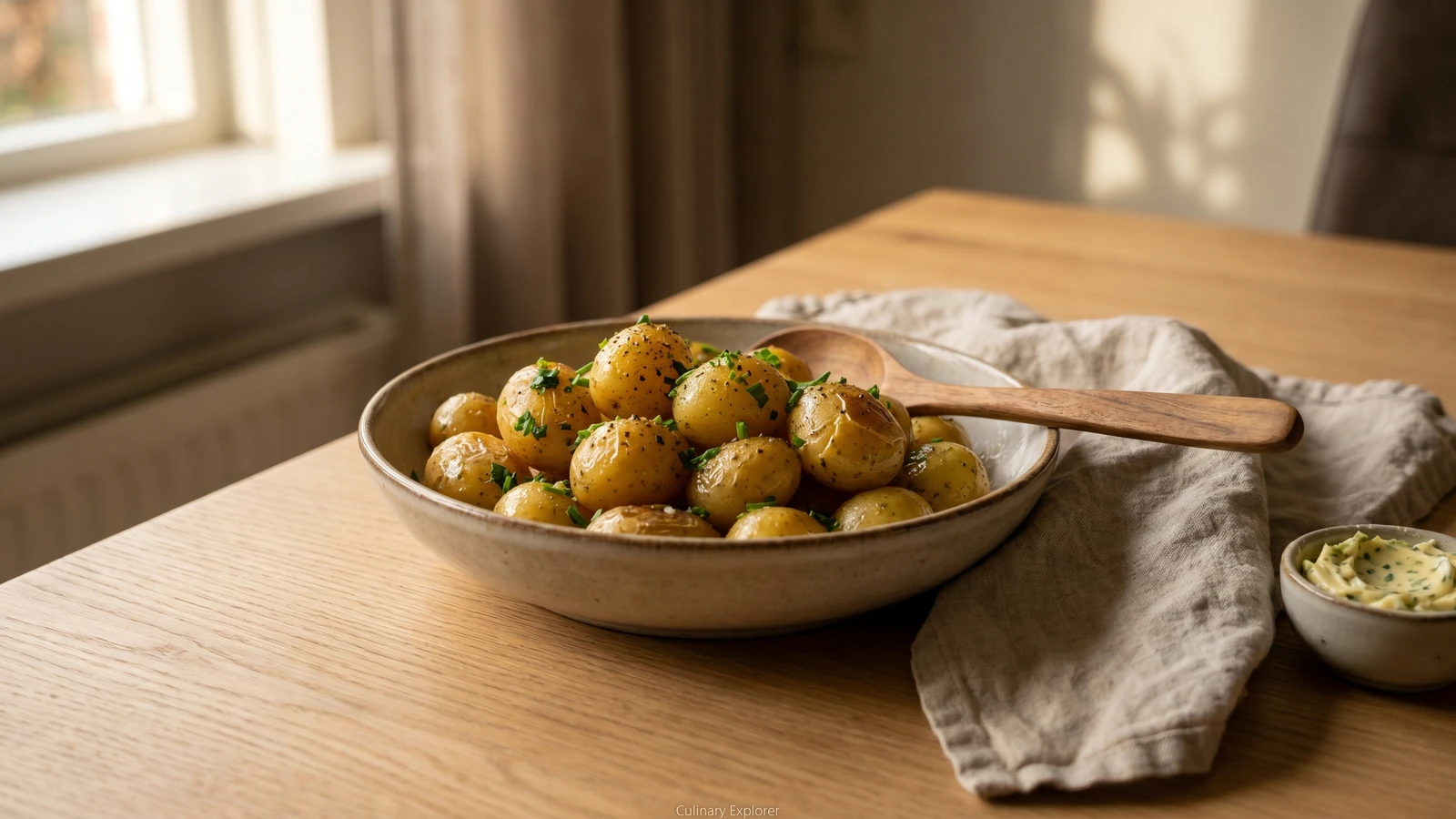
The little new potatoes of early summer, boiled in their skins and turned through herb butter, proving that the Dutch table often keeps its best secrets beside the main dish.
The first potatoes of summer never arrived in my grandmother's kitchen with ceremony. They came in a paper bag, still dusty, small enough to fit three in a child's palm, and she treated them with the respect usually wasted on grander ingredients. No peeling. No carving. Just water, salt, butter, and herbs cut with scissors over the bowl.
The name already tells you the method, if you listen. Krieltjes are the little ones, from kriel, the Dutch word for something small or undersized, and the diminutive -tje makes them smaller still, almost affectionate. But let me tell you a secret: these are not failed potatoes. They are potatoes caught young, with skins so thin they are part of the pleasure, and flesh sweet enough that too much fuss would be bad manners.
This is weeknight food, yes, but it is also garden-table food, barbecue food, the bowl everyone reaches for while pretending to discuss the sausages. The trick is not the butter, though the butter helps. The trick is to boil the potatoes gently, let them dry for a minute so the skins can drink, then toss while they are still warm enough to pull the herbs and garlic into the butter. Hou het altijd simpel, always keep it simple. The little potatoes already know what they are doing.
Potatoes became a staple crop in the Netherlands in the eighteenth century, spreading quickly through sandy and clay soils where grain was less reliable, and by the nineteenth century they were central to everyday Dutch meals. Krieltjes traditionally referred to very small potatoes sorted from the harvest, often eaten in early summer when new potatoes had thin skins and a sweeter, waxy texture. Serving them with butter and garden herbs belongs to the practical Dutch kitchen garden tradition: parsley, chives, and a little garlic turn a humble side dish into the seasonal marker that says the new crop has arrived.
Quantity
800g
scrubbed but unpeeled
Quantity
1 tablespoon
Quantity
75g
softened
Quantity
2 tablespoons
finely chopped
Quantity
2 tablespoons
finely snipped
Quantity
1 small
finely grated or crushed
Quantity
1 teaspoon
Quantity
1 teaspoon
Quantity
1/2 teaspoon
plus more to taste
Quantity
to taste
| Ingredient | Quantity |
|---|---|
| krieltjes or small new potatoesscrubbed but unpeeled | 800g |
| fine sea salt for the cooking water | 1 tablespoon |
| unsalted buttersoftened | 75g |
| flat-leaf parsleyfinely chopped | 2 tablespoons |
| fresh chivesfinely snipped | 2 tablespoons |
| garlic clovefinely grated or crushed | 1 small |
| lemon zest | 1 teaspoon |
| lemon juice | 1 teaspoon |
| fine sea saltplus more to taste | 1/2 teaspoon |
| freshly ground black pepper | to taste |
Scrub the krieltjes under cold water, but don't peel them. The skins are thin, tender, and full of that new-harvest earthiness. If some potatoes are twice the size of the others, cut only those in half so everything cooks together.
Put the potatoes in a pan, cover with cold water by two fingers, and add the tablespoon of salt. Bring to a boil, then lower to a steady simmer for 14 to 18 minutes, until a small knife slides in without resistance. Don't let them crash around in a violent boil; a split skin is not a tragedy, but a pan full of waterlogged little potatoes is a pity.
While the potatoes cook, mash the softened butter with the parsley, chives, garlic, lemon zest, lemon juice, salt, and black pepper. Taste it on the tip of a spoon. It should be bright, green, and properly salted, because the potatoes are gentle and need the butter to speak clearly.
Drain the potatoes well, then return them to the hot empty pan for one minute, off the heat, shaking once or twice so the surface dries. Add the herb butter and fold gently until every potato is glossed and the butter gathers in small golden pools at the bottom of the pan.
Tip the potatoes into a warm serving bowl and scrape every last green fleck of butter over them. Serve at once, beside grilled fish, sausages, roast chicken, or simply a salad and a glass of something cold. I prefer to keep it a bit more relaxed, in the Dutch way: bowl on the table, spoon in hand, everyone helping themselves.
1 serving (about 215g)
Culinary guides, cultural storytelling, and the editorial depth that makes cooking meaningful.
Discover Culinary ExplorerChef Joost
A French name, a Dutch potato, and a Sunday table: aardappelgratin is what happens when a frugal kitchen borrows richness and behaves as if it had always belonged.
Chef Joost
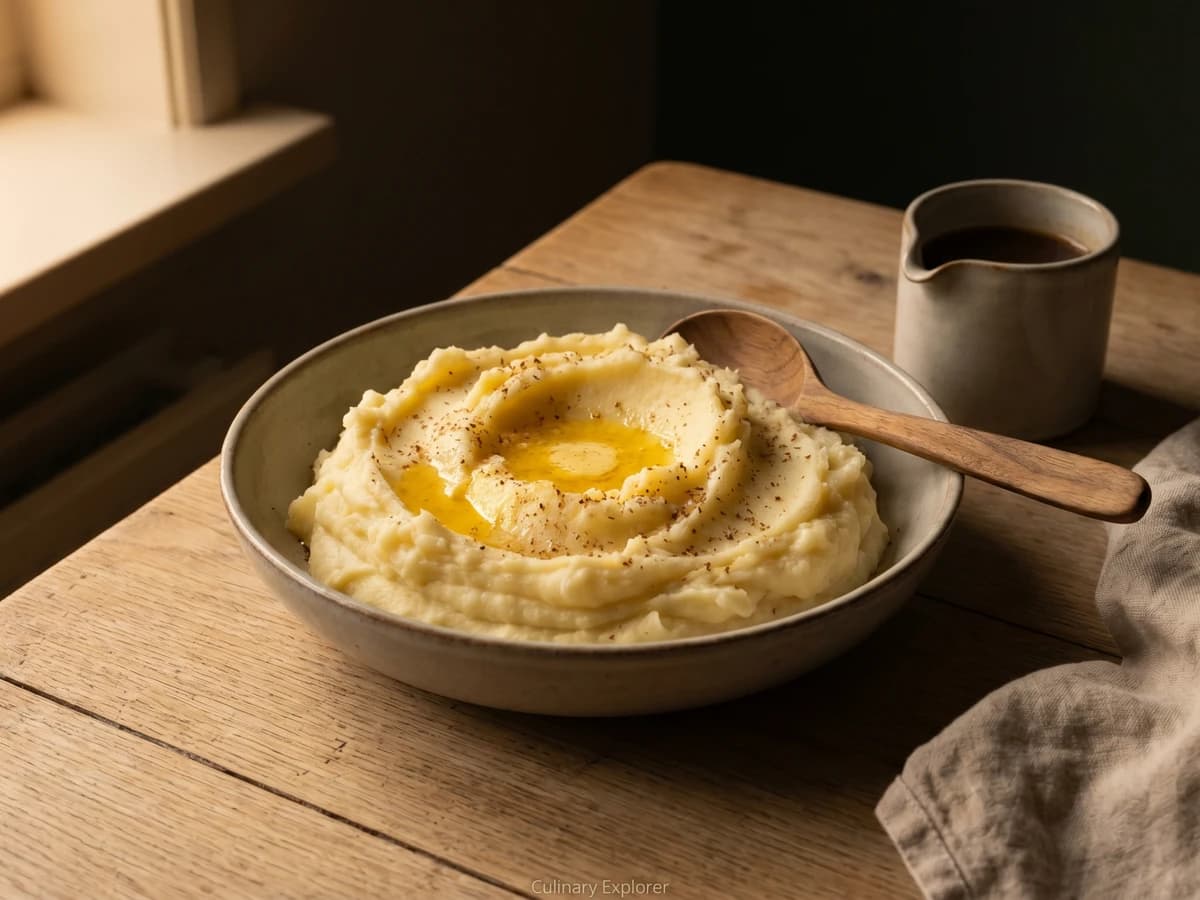
Aardappelpuree is the quiet heart of the Dutch AVG'tje: floury potatoes, warm milk, butter, nutmeg, and a small kuiltje, little well, built for the jus.

Chef Joost
Flower cabbage under old Gouda sauce: the quiet Dutch side dish that turns one boiled vegetable into the reason everyone reaches for the spoon twice.

Chef Joost
White beans peeking through green snijbonen give this old Dutch side its nursery-table joke: bare little children in the grass, sweet garden thrift with butter, nutmeg, and no apology.