
Chef Takumi
Abura Soba (油そば, brothless ramen)
Abura soba is ramen without the hiding place of soup: hot noodles, strong shōyu tare, fragrant oil, and the discipline to mix while every strand is still hot.
A cooking platform built around craft, culture, and the stories behind what we eat.

Created by
Kitsune soba is a quiet bowl: clear dashi, lean buckwheat noodles, and one sweet-simmered sheet of aburaage doing more work than its size suggests.
The fox in kitsune soba is not hiding very well. It sits right on top: aburaage, a thin sheet of tofu fried until hollow and then simmered in soy, sugar, and dashi until it turns glossy and sweet. People often know its udon cousin first, fuller and softer in the mouth, but soba gives the bowl a different spine. The buckwheat is lean, faintly earthy, and it keeps the sweetness honest.
The one detail that decides the dish is the aburaage. Pour boiling water over it before simmering, not because we like extra washing up, though cookbooks do seem to suspect us of idleness. The hot water removes surface oil left from frying, so the tofu can drink the seasoning cleanly instead of tasting greasy. Then simmer it gently in a small, strong broth. It should end glossy and supple, sweet enough to perfume the soup, not so sweet it bullies the noodles.
The soup itself is simple because it has to be. First make clear dashi from konbu and katsuobushi, then season it with soy, mirin, and a little salt. Cook the soba separately and rinse it well, even for a hot bowl, because the surface starch would cloud the broth and dull the noodles. Warm them again in boiling water just before serving. That small discipline gives you honmono: clear broth, clean noodles, nothing hidden.
Kitsune soba belongs to the everyday table and the quick shop counter, the kind of meal that restores a person without making a ceremony of itself. Serve one sheet of aburaage, a little scallion, and if the season gives it to you, a sliver of yuzu peel. Leave the bowl room. The broth needs space to shine.
Kitsune udon is closely associated with Osaka in the Meiji period, where sweet-simmered aburaage became a named topping for noodle bowls; kitsune soba developed as the same idea moved across regions and noodle habits. The word kitsune means fox, and the name is usually linked to the old belief that foxes favor fried tofu, a connection also seen in inarizushi. In eastern Japan, soba was historically the more common everyday noodle, while western Japan leaned more toward udon, which is why the same topping can feel slightly different by region.
Quantity
4 cups
Quantity
1 piece (about 10g)
Quantity
20g
Quantity
2 large sheets
Quantity
1 cup
for simmering the aburaage
Quantity
2 tablespoons
for simmering the aburaage
Quantity
1 1/2 tablespoons
Quantity
1 tablespoon
for simmering the aburaage
Quantity
3 cups
for the soup
Quantity
2 tablespoons
for the soup
Quantity
1 tablespoon
for the soup
Quantity
1/2 teaspoon
plus more to taste
Quantity
200g
Quantity
2
thinly sliced
Quantity
1 small strip
Quantity
to serve
| Ingredient | Quantity |
|---|---|
| cold water | 4 cups |
| konbu (dried kelp) | 1 piece (about 10g) |
| katsuobushi (bonito flakes) | 20g |
| aburaage (fried tofu sheets) | 2 large sheets |
| dashifor simmering the aburaage | 1 cup |
| soy saucefor simmering the aburaage | 2 tablespoons |
| sugar | 1 1/2 tablespoons |
| mirinfor simmering the aburaage | 1 tablespoon |
| dashifor the soup | 3 cups |
| soy saucefor the soup | 2 tablespoons |
| mirinfor the soup | 1 tablespoon |
| sea saltplus more to taste | 1/2 teaspoon |
| dried soba noodles | 200g |
| scallionsthinly sliced | 2 |
| yuzu peel (optional) | 1 small strip |
| shichimi tōgarashi (optional) | to serve |
Wipe the konbu with a damp cloth, but don't wash it. That pale powder on the surface is flavor, not dirt. Put it in the cold water and bring it up slowly over low heat, about ten minutes, until small bubbles climb the sides of the pot. Lift the konbu out before the water boils, because boiling pulls out bitterness and a slick texture you don't want in a clear noodle broth.
Bring the water to a gentle boil, add the katsuobushi all at once, then take the pot off the heat. Let the flakes sink on their own for two or three minutes. Don't stir them. Stirring clouds the stock and pulls out stronger flavors than this bowl needs.
Strain the dashi through a cloth-lined strainer and let it drip naturally. Don't squeeze the flakes. Squeezing presses out oily, heavy notes, and the clean gold stock is what carries the whole bowl. You should have about 4 cups.
Set the aburaage in a shallow bowl and pour boiling water over both sides. Drain, then press gently between paper towels or a clean cloth. This removes excess frying oil so the tofu tastes clean and can absorb the simmering broth. If the sheets are very large, cut each into a neat rectangle that will sit proudly on the noodles.
In a small pan, combine 1 cup dashi, 2 tablespoons soy sauce, the sugar, and 1 tablespoon mirin. Add the aburaage in a single layer and bring to a quiet simmer. Rest a wooden drop-lid, or a circle of parchment, directly on top and cook for 12 to 15 minutes, turning once, until the tofu is glossy and the liquid has reduced but not vanished.
In a separate pot, combine 3 cups dashi, 2 tablespoons soy sauce, 1 tablespoon mirin, and the salt. Warm it gently and taste. It should be savory and clear, a little more seasoned than plain soup because the soba will soften it. If it tastes flat, add a pinch of salt. If it tastes thin, it needs dashi, not more soy.
Boil the soba in plenty of unsalted water according to the package, usually 4 to 6 minutes. Stir when the noodles first go in so they don't cling. Taste one strand early: it should be tender but still have a little bite from the buckwheat.
Drain the soba and rinse it under cold running water, rubbing lightly with your hands until the water runs mostly clear. This washes away surface starch that would cloud the broth and make the noodles sticky. Just before serving, dip the rinsed soba back into boiling water for 20 to 30 seconds to warm it, then drain well.
Divide the hot soba between two warmed bowls. Ladle in the clear soup, then lay one sheet of sweet-simmered aburaage over each bowl. Spoon a little of the aburaage simmering liquid over the tofu, not the whole pan, because the broth should stay balanced. Finish with scallion, a strip of yuzu peel if you have it, and shichimi tōgarashi at the table.
1 serving (about 720g)
Culinary guides, cultural storytelling, and the editorial depth that makes cooking meaningful.
Discover Culinary ExplorerChef Takumi
Abura soba is ramen without the hiding place of soup: hot noodles, strong shōyu tare, fragrant oil, and the discipline to mix while every strand is still hot.
Chef Takumi
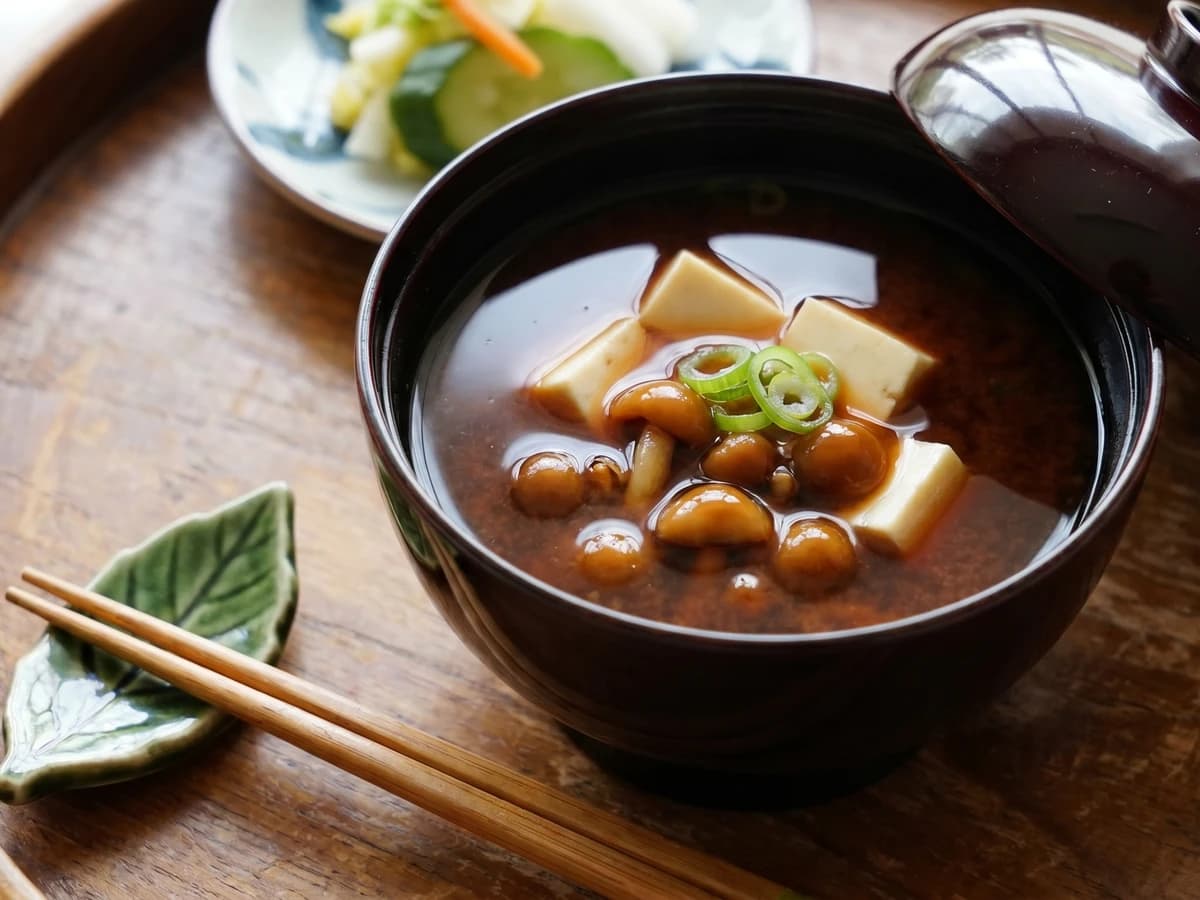
Akadashi asks you to trust the dark miso. Build a clear dashi, loosen the Hatchō mame-miso gently, and the soup turns coffee-dark, savory, and clean.

Chef Takumi
Toast the rice until its skin is firm, then let it meet chicken broth, burdock, maitake, and seri. The pot looks grand, but the work is rice, broth, and patience.
Chef Takumi
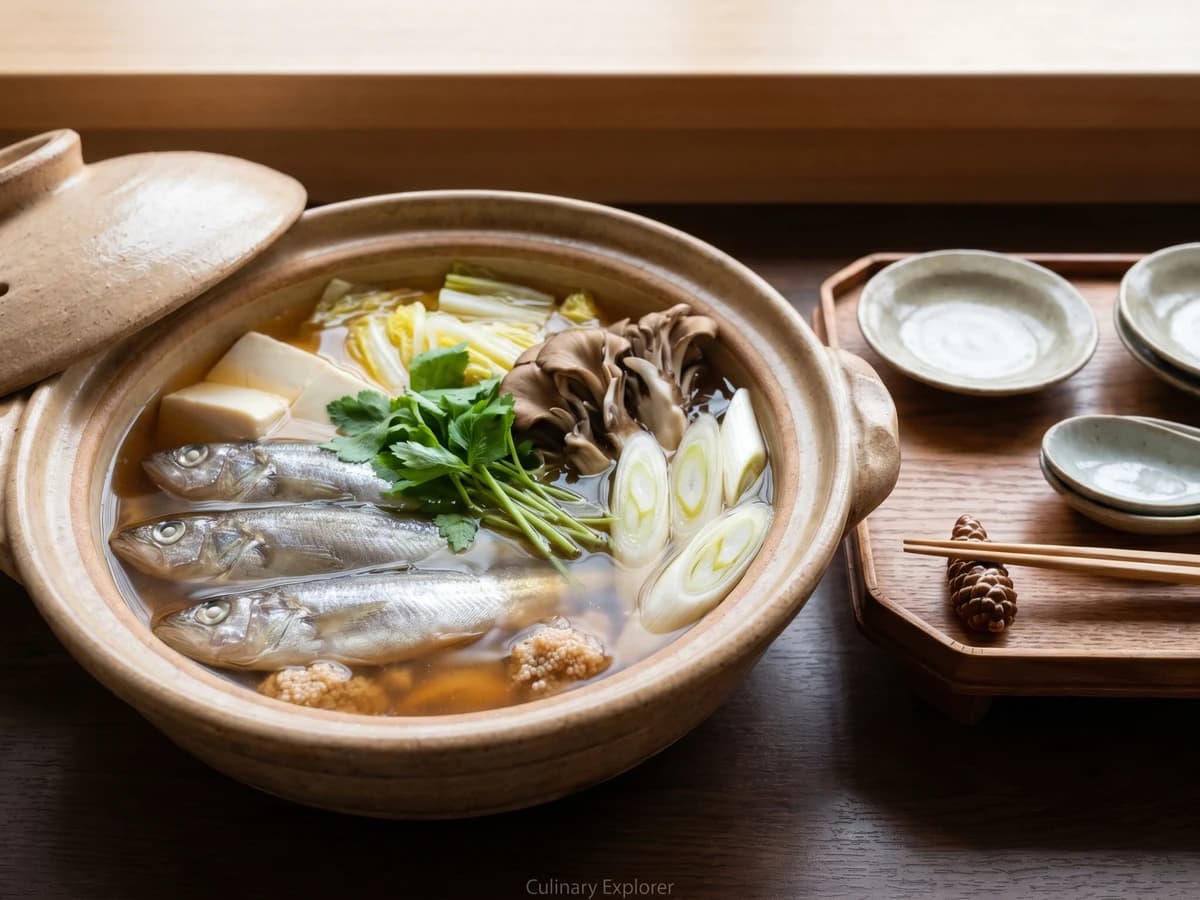
Shottsuru nabe is Akita winter in one pot: clean dashi, hatahata at shun, tofu and napa cabbage carrying a salt-deep broth without anything heavy enough to hide the fish.